How to Handle Immigration Checks (Razia) at Nightclubs or Co-Working Spaces
Few things trigger a spike of adrenaline quite like the music suddenly cutting out in a crowded Bali beach club or the bright overhead lights flickering on in a quiet Jakarta co-working space as men in tactical vests walk through the door. I remember the first time I sat frozen in a Senopati bar while officers began moving from table to table; even though my paperwork was flawless, the sheer intensity of the moment was enough to make my hands shake. This guide is designed to strip away that fear by providing a clear, step-by-step roadmap for navigating an Indonesian immigration check, known locally as a Razia, with your dignity and your visa intact.
Understanding the Landscape of Immigration Compliance in Indonesia
In Indonesia, the Directorate General of Immigration periodically conducts administrative sweeps often referred to as "Operasi Jagratara" or more colloquially as a Razia. These are not random acts of harassment but are part of a broader mandate to ensure that every foreign national in the country is adhering to the specific conditions of their stay. While these checks can happen anywhere, they are most common in high-traffic expat hubs like Canggu, Seminyak, Uluwatu, and the SCBD area of Jakarta. The goal of the officers is usually to verify two things: that you have a valid legal basis to be in the country and that your current activity matches the visa you hold.
If you are currently residing in Indonesia on a KITAS Explained: Working, Dependent, and Investor Temporary Stay Permits, you might assume you are immune to these checks, but the reality is that the burden of proof is always on the individual. Immigration officers are trained to look for discrepancies, such as someone on a tourist visa appearing to "work" on a laptop in a co-working space, or an investor KITAS holder performing tasks that look suspiciously like manual labor. Understanding the legal framework behind these inspections can help you remain calm when the music stops and the questioning begins.
The administrative environment has become increasingly digitized, but physical checks remain a cornerstone of enforcement. If you are using platforms like iVisa to manage your entry requirements, you are likely already aware of the stringent documentation needed. However, knowing the rules is only half the battle; the other half is the practical application of those rules when you are being asked for your passport by a uniformed officer at 2:00 AM.
The Nightclub Scenario: Handling Public Checks with Poise
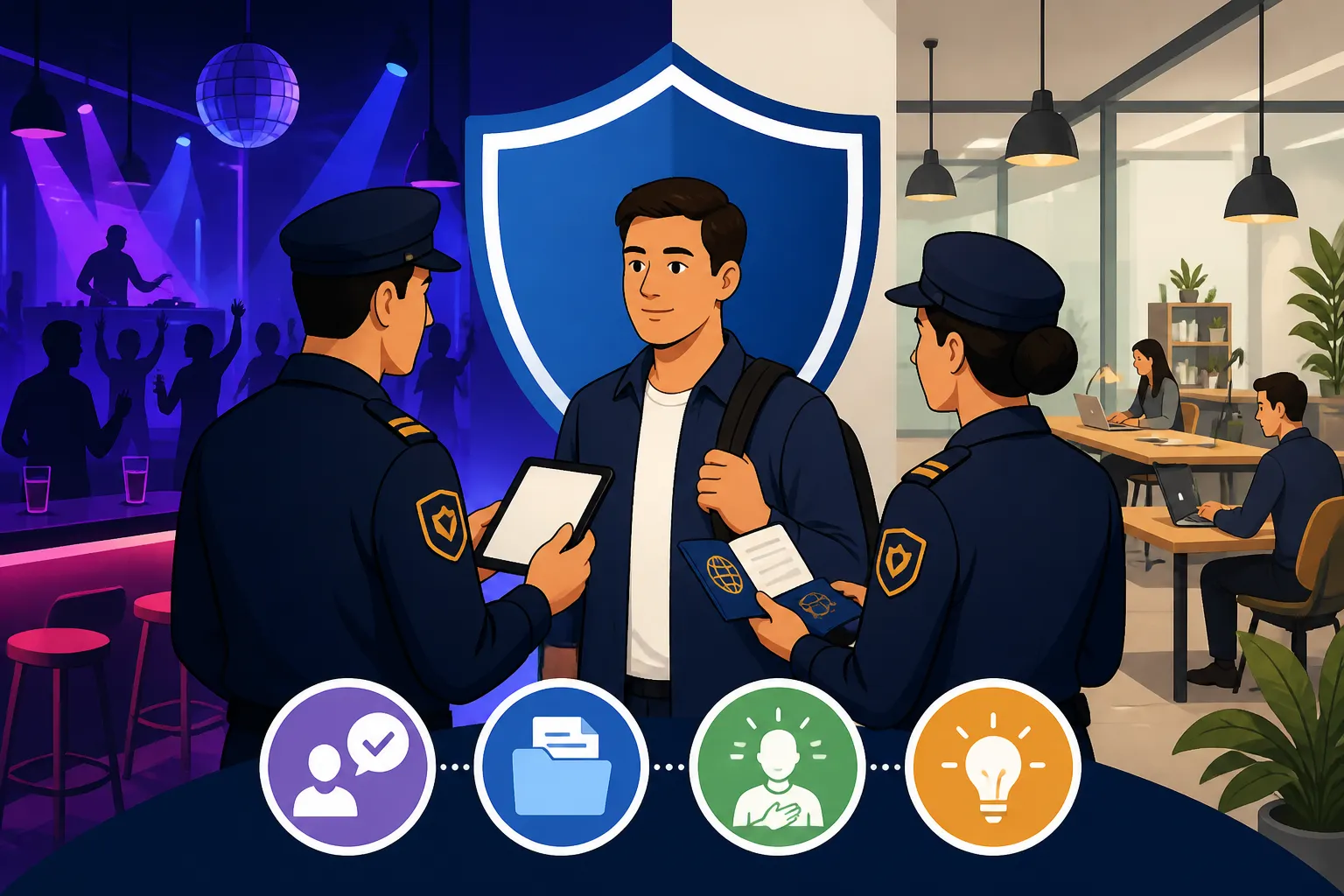
Nightclubs and bars are frequent targets for immigration checks because they are where large groups of foreigners congregate. In these settings, immigration often collaborates with other agencies, such as the BNN (National Narcotics Board). When the lights come up, the first rule is to stay in your seat. Do not attempt to run to the restroom or the exit, as this is viewed as a major red flag and will almost certainly result in a more aggressive interrogation. Instead, take a deep breath and have your digital or physical documents ready for inspection.
Most officers will start by asking for your passport or your KITAS card. Since many expats do not carry their original passport to a bar for fear of losing it, a clear high-quality color copy or a digital version on your phone is usually acceptable for the initial check. If you have any specialized documents, such as those provided by Certified Translators (Penerjemah Tersumpah) for Immigration Documents, it doesn't hurt to have scans of those in a dedicated folder on your phone. Officers are looking for your entry stamp and the expiration date of your stay. If you are close to your limit, be prepared to explain your plan for renewal or departure to avoid the harsh penalties of Overstaying Your Visa in Indonesia: IDR 1,000,000 Daily Fines and Deportation Risk.
Communication during a nightclub Razia should be brief and respectful. If you speak basic Bahasa Indonesia, use it; phrases like "Selamat malam" (Good evening) and "Ini dokumen saya" (This is my document) can go a long way in de-escalating the tension. If the officers find an issue with your documentation, they may ask you to follow them to a designated area for further questioning. This is a critical moment. Ensure you have your health insurance details from a provider like Cigna Global easily accessible, as prolonged detention or stress-induced health issues can make an already difficult situation worse.
The Co-Working Space Challenge: Defining Work vs. Leisure
For digital nomads and remote workers, a Razia at a co-working space is arguably more stressful than one at a bar. The core issue here is the definition of "working." Under Indonesian law, performing any activity that generates income within Indonesia or for an Indonesian entity without a work permit is strictly prohibited. If you are using the Remote Worker Visa (E33G): Digital Nomad Requirements and Limitations, you are legally allowed to work for overseas clients, but you must be able to prove that your income and employment are based outside of Indonesia.
When officers enter a co-working space, they will look at what is on your screen. If you are on a tourist visa and your screen is filled with spreadsheets, coding environments, or professional design software, you may be accused of illegal work. In this situation, it is vital to explain that you are "remote working for a foreign company" and not engaging in local commerce. The emergence of the E33G visa has made this conversation easier, as it provides a clear legal category for this lifestyle. If you haven't yet secured this visa, you can check your eligibility through iVisa to see if a transition is possible before your next check.
Another common point of friction in co-working spaces is the domicile requirement. Officers may ask where you are living and request to see your Surat Domisili (Domicile Letter): How to Get it from the Village Head. If your reported address does not match your actual residence, this can lead to further administrative complications. It is a fundamental part of Immigration Compliance: Address Changes, EPOs, Overstays, and Reporting to keep your address updated with the local authorities. Failing to do so is one of the most common reasons foreigners are taken to the immigration office for "clarification" during a routine check.
| Document Type | Physical/Digital Priority | Why it is Checked |
|---|---|---|
| Original Passport | Low (keep in safe) | Entry stamp and visa validity |
| KITAS / KITAP Card | High (carry always) | Residency status and permit type |
| KTP WNA | High (carry always) | Local identification and banking link |
| Domicile Letter | Medium (digital scan) | Proof of registered address |
| E-Visa PDF | High (on phone) | Backup for digital systems like Molina |
| Insurance Card | Medium (on phone) | Critical in case of detention/emergencies |
Rights, Responsibilities, and Documentation Best Practices
As a foreign resident, you have the right to ask the officers for their identification and to see the official assignment letter (Surat Tugas) for the operation. While you must remain respectful, you are not required to hand over your phone for a deep search of your private messages or bank accounts without a specific legal reason. However, refusing to show your visa status will lead to immediate detention. Many veteran expats find that carrying a KTP WNA (Foreigner ID Card): Why Banks Will Ask You For It is the easiest way to satisfy local identification requirements during these checks, as it is a government-issued ID specifically for foreign residents.
If you are taken to the immigration office (Kantor Imigrasi), do not sign any documents that you do not fully understand. This is where services like RushTranslate can be invaluable if you need to quickly translate an official notice or if you need to provide translated evidence of your marriage or employment from your home country. Always ask for an official interpreter if your Bahasa Indonesia is not sufficient for a formal interview. It is also wise to maintain a relationship with a reputable agent, though you must be careful to Dealing with Immigration Agents: How to Vet Biro Jasa and Avoid Scams to ensure you aren't being misled by someone promising "protection" that doesn't exist.
Preparation is your best defense against the anxiety of a Razia. Make sure your e-Visa is properly registered through the e-Visa and Molina System: How to Apply Online Without Visiting an Embassy and that you have a "Razia Folder" on your smartphone. This folder should contain color scans of your passport bio page, your current visa stamp, your KITAS, your domicile letter, and your insurance policy from Cigna Global. Having these ready in seconds demonstrates that you are a compliant, organized resident, which often leads to a much faster and smoother interaction with the officers.
Essential Protocol for Interaction with Officers
The way you carry yourself during an immigration check can dictate the outcome. Officers are often working long hours and dealing with non-compliant individuals; being the "easy" check of their night is in your best interest. Avoid loud, confrontational language or "calling your embassy" immediately, as this can be perceived as an attempt to intimidate the officers. Instead, answer questions clearly and concisely. If they ask about your work, and you are on a remote worker visa, focus on the fact that your employer and clients are 100% international.
If you find yourself in a situation where your paperwork is indeed out of order—perhaps due to a misunderstanding of a renewal date—honesty is usually the better policy. Attempting to bribe an officer is a serious criminal offense in Indonesia and will transform a minor administrative issue into a potential prison sentence and permanent deportation. If there is a legitimate error, express your willingness to visit the immigration office the following day to rectify the situation. The goal is to avoid being taken into custody that night.
Finally, stay informed through community groups and official channels. Razia patterns often follow political cycles or specific holiday periods. By staying updated on the latest news and ensuring your documents are always processed through legitimate channels like the official immigration portal or trusted partners like iVisa, you can enjoy your life in Indonesia without the constant shadow of "what if." Living as an expat is an incredible journey, and while administrative hurdles are part of the "tax" we pay for this lifestyle, they are entirely manageable with the right preparation and mindset.
Disclaimer
The information provided in this guide is for general informational purposes only and does not constitute legal advice. Immigration laws and enforcement practices in Indonesia are subject to frequent changes without prior notice. While every effort has been made to ensure the accuracy of this information as of 2026, readers should consult with a qualified legal professional or a registered immigration agent before making decisions related to their visa status or legal rights. The author and publisher are not responsible for any consequences arising from the use of this information.