Mental Health First Steps: Finding Expat-Friendly Therapists in Bali
The "Bali paradise" myth often crashes into a wall of isolation, administrative exhaustion, and culture shock that nobody warns you about during the honeymoon phase. I remember sitting in my villa in Canggu three months into my KITAS, feeling completely disconnected despite the stunning sunset views and the proximity to world-class surf. This guide solves the specific challenge of navigating the Balinese mental health landscape, providing a roadmap to find expat-friendly therapists who actually understand your background.
The Unique Mental Health Challenges of Living in Bali
Living in Bali is a dream for many, but the reality of being a long-term resident is vastly different from being a tourist. For expats, the "transient nature" of the island is perhaps the most significant psychological hurdle. You make a great group of friends, only for half of them to leave when their B211A visas expire or their remote contracts end. This constant cycle of "hello and goodbye" can lead to a specific type of relational fatigue and loneliness that is hard to explain to people back home.
Furthermore, the "hustle culture" in the digital nomad hubs of Canggu and Pererenan often leads to severe Expat Burnout and Stress: Hotlines, Retreats, and Coping Resources. When your workplace is a beach club and your social life is inextricably linked to your professional networking, the boundaries between rest and labor disappear. I’ve seen many friends spiral because they felt they weren’t "crushing it" in paradise. The pressure to live an Instagram-perfect life while dealing with the mundane frustrations of Indonesian bureaucracy creates a cognitive dissonance that requires professional navigation.
Finally, there is the "Island of the Gods" spiritual pressure. Bali is deeply rooted in Hindu-Balinese traditions, and while the ceremonies are beautiful, Westerners often feel a sense of guilt for struggling mentally in such a "spiritual" place. You might find yourself thinking, "How can I be depressed when I’m in Ubud?" This guilt prevents many from seeking help early, turning manageable anxiety into a full-blown crisis.
Navigating the Different Types of Mental Health Support
When you start your search, you need to understand the distinction between the various types of practitioners available in Indonesia. The system is divided into Psikolog (Psychologists) and Psikiater (Psychiatrists). A psychologist provides talk therapy and cannot prescribe medication, while a psychiatrist is a medical doctor who handles the chemical side of mental health.
In Bali, finding Counseling in English: Finding Licensed Therapists and Cultural Considerations is your first priority. While many Indonesian doctors speak excellent English, the nuances of psychological trauma and cultural conditioning can sometimes get lost in translation. I always recommend looking for "Third Culture" therapists—professionals who have lived in multiple countries or who specifically trained in Western clinical settings. They are more likely to grasp the complexities of the expat identity, such as "identity loss" when moving away from a corporate career in your home country.
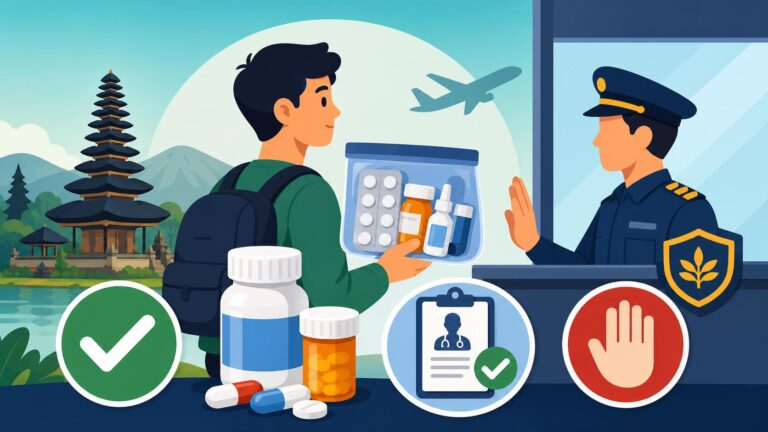
For those requiring medication, the process is stricter than you might expect. If you are Managing Chronic Conditions: Diabetes, Hypertension, and Long-Term Medication, you need to be aware that certain psychiatric drugs are heavily regulated. For instance, Getting ADHD Medication in Indonesia: Ritalin vs Adderall Availability is a common pain point; Adderall is strictly prohibited, and even Ritalin requires a rigorous prescription process from a licensed local psychiatrist. You cannot simply walk into an Apotek and show a foreign prescription.
Vetting Expat-Friendly Clinics and Practitioners
When vetting a therapist in Bali, don't be afraid to ask about their experience with the expat community. A good clinical center will have a multidisciplinary team. Places like BIMC or Siloam often have psychiatric departments, but many expats prefer private boutique clinics in Sanur or Seminyak that offer a more discreet, less "clinical" environment.
If you are looking for a more modern approach, you might want to learn How to Book a Doctor Appointment via Halodoc or Alodokter Apps. These apps are the backbone of the Indonesian digital health system. While they are primarily used for physical ailments, they have robust mental health sections where you can filter for English-speaking psychologists. It’s a great way to have an initial consultation without leaving your house, which is especially helpful if your mental health struggle is making it difficult to face the Bali traffic.
For those who have Private Health Insurance in Indonesia: Bridging the Gap When BPJS Isn't Enough, check your policy details. High-end providers like Cigna Global often cover outpatient mental health services, provided the practitioner is a licensed clinical psychologist or psychiatrist. Always get a referral letter if your insurance requires it, and ensure the clinic can provide an English-language medical report for reimbursement purposes. Using a provider like Cigna Global can significantly lower the barrier to entry, as private therapy sessions in Bali can range from IDR 800,000 to IDR 2,500,000 per hour.
| Support Type | Best For | Typical Cost (IDR) | Language Options |
|---|---|---|---|
| Private Clinical Psychologist | Deep talk therapy, trauma, expat identity | 1M – 2.5M / session | English, Indonesian, French, German |
| Local Hospital (RSUD/Siloam) | Psychiatric medication, official diagnosis | 500k – 1.2M / visit | Mostly Indonesian, some English |
| Online Platforms (Halodoc) | Quick check-ins, prescriptions, convenience | 50k – 300k / chat | Primarily Indonesian |
| Holistic/Spiritual Counseling | Life transitions, "finding purpose" | 800k – 2M / session | High English availability |
Balancing Clinical Care with Holistic Wellness
Bali is the world capital of holistic healing, and this can be a double-edged sword. While it’s wonderful to have access to Health and Wellness in Bali: Yoga, Holistic Clinics, Diet, and Retreats, you must be careful not to substitute clinical therapy with "spiritual bypassing." A breathwork session or a cacao ceremony can be a beautiful supplement to your healing, but they are not replacements for professional intervention if you are dealing with clinical depression or PTSD.
I’ve found that a "hybrid" approach works best for the Bali lifestyle. This might involve seeing a licensed psychologist once a week while also utilizing supplements to manage the physical symptoms of anxiety. I often order my high-quality magnesium and L-theanine from iHerb because local pharmacies sometimes carry lower dosages or different formulations than what I’m used to. Having that familiar bottle of supplements from iHerb on my nightstand provides a small but meaningful sense of consistency in an otherwise foreign environment.
Furthermore, make sure you are integrated into the Bali Healthcare Guide: Hospitals, Clinics, and Emergency Contacts for Residents. Knowing exactly where to go in the event of a mental health crisis—such as an acute panic attack or a breakdown—is vital. Places like BIMC Siloam in Nusa Dua or Kasih Ibu in Denpasar have 24-hour emergency rooms that can stabilize patients in distress. Having these numbers saved in your phone can alleviate the "background anxiety" of living in a developing country.
Breaking the Stigma Within the Expat Community
One of the hardest parts of seeking help in Bali is the "perpetual vacation" stigma. You might feel that because you live near the beach and have a pool, you shouldn't be allowed to complain. However, the expat community is increasingly vocal about these issues. There are several support groups, both online and in-person, where people discuss Mental Health Care: Accessing Therapy and Psychiatry as an Expat in Indonesia without judgment.
If you are a parent, you also need to consider Pediatric Care in Indonesia: Mandatory Vaccines, Checkups, and Child-Friendly Clinics. Children and teenagers moving to Bali face their own sets of challenges, including "Third Culture Kid" syndrome and the difficulty of maintaining long-distance friendships. Finding a child psychologist who understands the international school system is a specific niche, but several practitioners in the Sanur and Canggu areas specialize in this.
Don't wait until you are at a breaking point to start your search. The best time to find a therapist is when you are feeling relatively stable, so you have the mental energy to "shop around" for the right fit. Use the resources available, check your coverage with Cigna Global, and remember that even in paradise, it is perfectly normal to need a helping hand.
Healthcare and Legal Disclaimer
The information provided in this article is for informational and educational purposes only. It is not intended to be a substitute for professional medical advice, diagnosis, or treatment. Always seek the advice of your physician, psychiatrist, or other qualified health provider with any questions you may have regarding a medical or mental health condition. Never disregard professional medical advice or delay in seeking it because of something you have read in this guide. Indonesia has strict laws regarding controlled substances; always ensure your medications are legally prescribed and documented by local authorities.