Psychiatry vs Counseling: Legal Prescribing Pathways in Indonesia
You’ve settled into your new life in Jakarta or Bali, the humidity is becoming second nature, and you’ve finally mastered the art of ordering a Gojek in a monsoon. Then, you realize your maintenance medication is running low, and you hit a wall: the "therapist" you found online says they can’t write prescriptions. I’ve been in that exact panic, staring at an empty bottle of Lexapro, realizing that the mental health landscape here is a complex web of legal silos. This guide will walk you through the essential differences between a psychiatrist and a counselor in Indonesia so you can get the help you actually need.
Understanding the Professional Divide: Psikiater vs. Psikolog vs. Konselor
In Indonesia, the lines between mental health professionals are drawn much more sharply than in many Western countries. If you are looking for Mental Health Care: Accessing Therapy and Psychiatry as an Expat in Indonesia, you first need to identify which door to knock on. The primary distinction lies in medical versus psychological training, and Indonesian law is incredibly strict about who can put a pen to a prescription pad.
The Psikiater: Your Only Legal Prescriber
A Psikiater (Psychiatrist) is first and foremost a medical doctor (MD) who has specialized in mental health. In the Indonesian medical system, they are the only mental health professionals legally authorized to diagnose medical conditions and prescribe pharmacological interventions. If you require antidepressants, antipsychotics, or mood stabilizers, a visit to a psychiatrist is mandatory.
Most psychiatrists in Indonesia work out of large hospital networks like Siloam or Pondok Indah. When Finding English-Speaking Doctors in Indonesia: Reliable Directories and Vetting, you’ll find that psychiatrists often focus more on the biological and chemical management of mental health. In a typical 20-minute session, they will assess your symptoms, check for side effects, and adjust your dosage. They generally do not provide "talk therapy" in the traditional sense, though there are exceptions. If you are used to a psychiatrist who spends an hour talking through your childhood, you might find the Indonesian approach a bit clinical and fast-paced.
The Psikolog Klinis: The Diagnostic Experts
A Psikolog Klinis (Clinical Psychologist) holds a Master’s degree in Clinical Psychology and has completed a professional certification (SIPP). They are experts in psychotherapy, cognitive-behavioral therapy (CBT), and psychological testing. While they can diagnose conditions like depression or PTSD, they cannot prescribe medication.
I’ve seen many expats make the mistake of booking a psychologist for a medication refill, only to be told at the end of a very productive therapy session that they still need to see a psychiatrist. If you are dealing with Mental Health in Indonesia: Counseling, Psychiatry, and Support for Expats, a psychologist is your go-to for processing trauma or developing coping mechanisms, but they must work in tandem with a psychiatrist if meds are involved. They will often write a referral letter to a psychiatrist colleague to bridge the gap.
The Counselor: The Support Network
The term "Counselor" in Indonesia is a bit of a broad umbrella. You will find school counselors, addiction counselors, and life coaches. While many are highly skilled, they often operate outside the formal medical "clinical" loop. They are excellent for Counseling in English: Finding Licensed Therapists and Cultural Considerations, but their notes or recommendations hold no weight at a local pharmacy. For expats, counselors are often the most accessible for "talk therapy" via online platforms, but you must ensure they have a relationship with a local MD if your treatment plan requires chemical support.
The Legal Prescribing Framework: Who Can Write Your Prescription?
Indonesian law, specifically regulated by the Ministry of Health and the National Agency of Drug and Food Control (BPOM), categorizes most psychiatric medications as "Daftar G" or "Obat Keras" (Hard Drugs). These are marked with a red circle and a black "K" on the packaging. Selling these without a prescription from a licensed Indonesian doctor is a serious criminal offense.
Controlled Substances and the ADHD Struggle
If you are specifically Getting ADHD Medication in Indonesia: Ritalin vs Adderall Availability, you need to be prepared for a very narrow window of options. Stimulants like Ritalin and Concerta are available but are strictly controlled. You cannot simply bring a prescription from your home country to a local Apotek and expect it to be filled. You must see an Indonesian psychiatrist, be re-evaluated (often including new diagnostic tests), and receive a local prescription.
Note that certain medications common in the US or Europe, such as Adderall or Vyvanse, are actually illegal or categorized as Narcotics (Golongan I or II) in Indonesia. Attempting to have these shipped to you can lead to severe legal trouble. Instead of looking for prohibited stimulants, many expats use iHerb to source high-quality supplements like magnesium or L-Theanine to manage mild symptoms while navigating the local medical system for their primary prescriptions.
The Role of the Primary Clinic (Faskes)
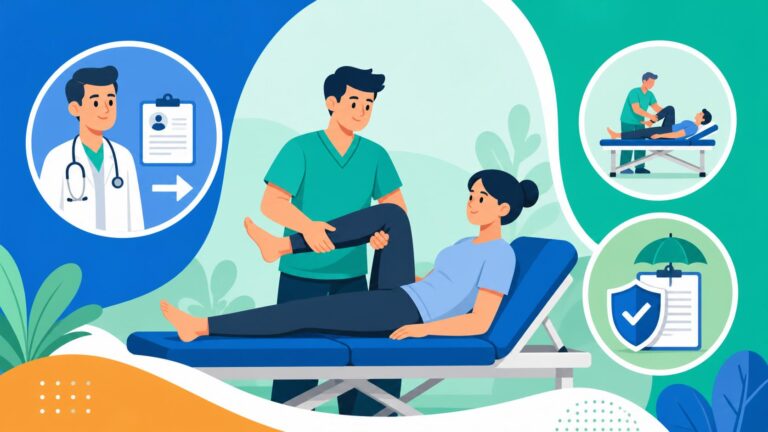
For those using the public system, BPJS Kesehatan for Expats: Registration, Costs, and the New KRIS System dictates a specific pathway. You cannot go directly to a psychiatrist under BPJS. You must first visit your Faskes Tingkat 1 (Primary Clinic) and see a general practitioner. You explain your symptoms, and they provide a Rujukan (referral) to a hospital-based psychiatrist. This process can be tedious and requires patience, as wait times at public hospitals can be significant. However, once you are in the system, the medication is usually covered with very low out-of-pocket costs.
Prescription Validity and Refill Logistics
Indonesian prescriptions are generally valid for a single fill. If you are on long-term maintenance medication, you will likely need to see your psychiatrist once a month or every two months to get a fresh script. Some private hospitals allow for "repeat" prescriptions, but the pharmacy will keep the original and give you a copy (Copy Resep) which you can use for one or two more fills. It is vital to understand the Apotek Guide: Prescription Workflow, Refills, and Communicating with Pharmacists to avoid running out of medication over a long weekend or a public holiday.
Navigating the Pathway: From First Appointment to Pharmacy
Getting your mental health care sorted requires a blend of local bureaucracy and finding the right provider. Whether you are in a high-rise in the SCBD or a villa in Canggu, the steps remain largely the same.
Step 1: Choosing Your Path (Private vs. Public)
If you have comprehensive international coverage like Cigna Global, your best bet is a top-tier private hospital. Places like Jakarta Healthcare Guide for Expats: International Clinics and After-Hours Options offer a streamlined experience where the psychiatrist and the pharmacy are in the same building. This "one-stop-shop" approach is a lifesaver when you’re dealing with Expat Burnout and Stress: Hotlines, Retreats, and Coping Resources.
If you are on a tighter budget, the BPJS route is viable but requires a "step-care" model. You must start at the community level. While the doctors are competent, English proficiency at the primary clinic level can be hit-or-miss. I always recommend bringing a local friend or a translation app to ensure your symptoms aren't literally "lost in translation."
Step 2: The Initial Consultation
When you meet your psychiatrist, bring your previous medical records and any Bringing Prescription Meds into Ngurah Rai Airport: Customs Letter Checklist documentation you used when entering the country. Indonesian doctors appreciate clear history. Be prepared for the doctor to ask about your physical health, as they often view mental health through a physiological lens. They may order blood tests at a lab like Prodia to check thyroid function or vitamin levels before starting you on a new psychiatric regimen.
Step 3: Filling the Script
Once you have your red-stamped prescription, head to a reputable pharmacy. In major cities, Bali Healthcare Guide: Hospitals, Clinics, and Emergency Contacts for Residents and Jakarta guides will point you toward Kimia Farma or Guardian. Be aware that smaller "mom-and-pop" pharmacies may not stock specialized psychiatric meds. Always check the expiry date and ensure the seal is intact. If your specific brand isn't available, ask the pharmacist for the generic equivalent—Indonesian generics are generally high quality and much more affordable.
| Professional | Can Prescribe? | Education Level | Primary Focus | Best For |
|---|---|---|---|---|
| Psikiater | Yes | MD + Specialization | Medical/Chemical Management | Med refills, severe clinical disorders |
| Psikolog Klinis | No | Master's + SIPP | Psychotherapy/Testing | Talk therapy, CBT, trauma processing |
| Konselor | No | Bachelor's/Master's | Emotional Support | General stress, relationship issues |
| GP (Dokter Umum) | Limited | Medical Degree | General Health | Referrals to specialists, basic anxiety |
Finding English-Speaking Support in Major Expat Hubs
One of the biggest hurdles is the language of emotions. Describing a "panic attack" is one thing, but explaining the nuanced "impending sense of doom" requires a high level of English fluency from your provider.
Jakarta: The Clinical Epicenter
Jakarta has the highest concentration of English-speaking psychiatrists. Hospitals in South Jakarta, such as RS Pondok Indah or Medistra, cater heavily to the expat community. Many of the doctors there have trained abroad and understand the specific stressors of expat life—the traffic, the isolation, and the high-pressure work environments. If you are struggling with Pharmacies and Medication in Indonesia: Apotek Guide, Prescriptions, and Safe Use, the pharmacists at these international-standard hospitals are usually fluent in English and can explain dosage instructions clearly.
Bali: The Holistic Alternative
In Bali, the scene is slightly different. While there are excellent hospitals like BIMC or Siloam in Denpasar and Sunset Road, there is a much larger community of independent "holistic" counselors. This is great for mindfulness and wellness, but it can be dangerous if you actually need clinical intervention. If you are in Ubud or Canggu, always ensure your therapist is a licensed Psikolog Klinis if you suspect you have a condition that requires a formal diagnosis. Don't be afraid to ask to see their SIPP (license) number; any legitimate professional will be happy to provide it.
Telemedicine: The Hybrid Solution
Apps like Halodoc and Alodokter have revolutionized healthcare here. You can actually have a video consultation with a psychiatrist for a very low fee. However, for controlled substances (like those for ADHD or heavy sedatives), these apps often have restrictions on delivery. You might be able to get the consultation online, but you’ll still need to pick up the physical prescription or the medication from a partner pharmacy. This is a great "bridge" if you can't leave the house, but it shouldn't replace a long-term relationship with a local doctor who knows your history.
Important Disclaimer
The information provided in this article is for educational and informational purposes only and does not constitute professional medical advice, diagnosis, or treatment. Always seek the advice of your physician or other qualified health provider with any questions you may have regarding a medical condition or mental health concerns. Never disregard professional medical advice or delay in seeking it because of something you have read in this guide. The legal landscape regarding medication in Indonesia is subject to change, and you should always verify current regulations with local authorities or a licensed legal professional.