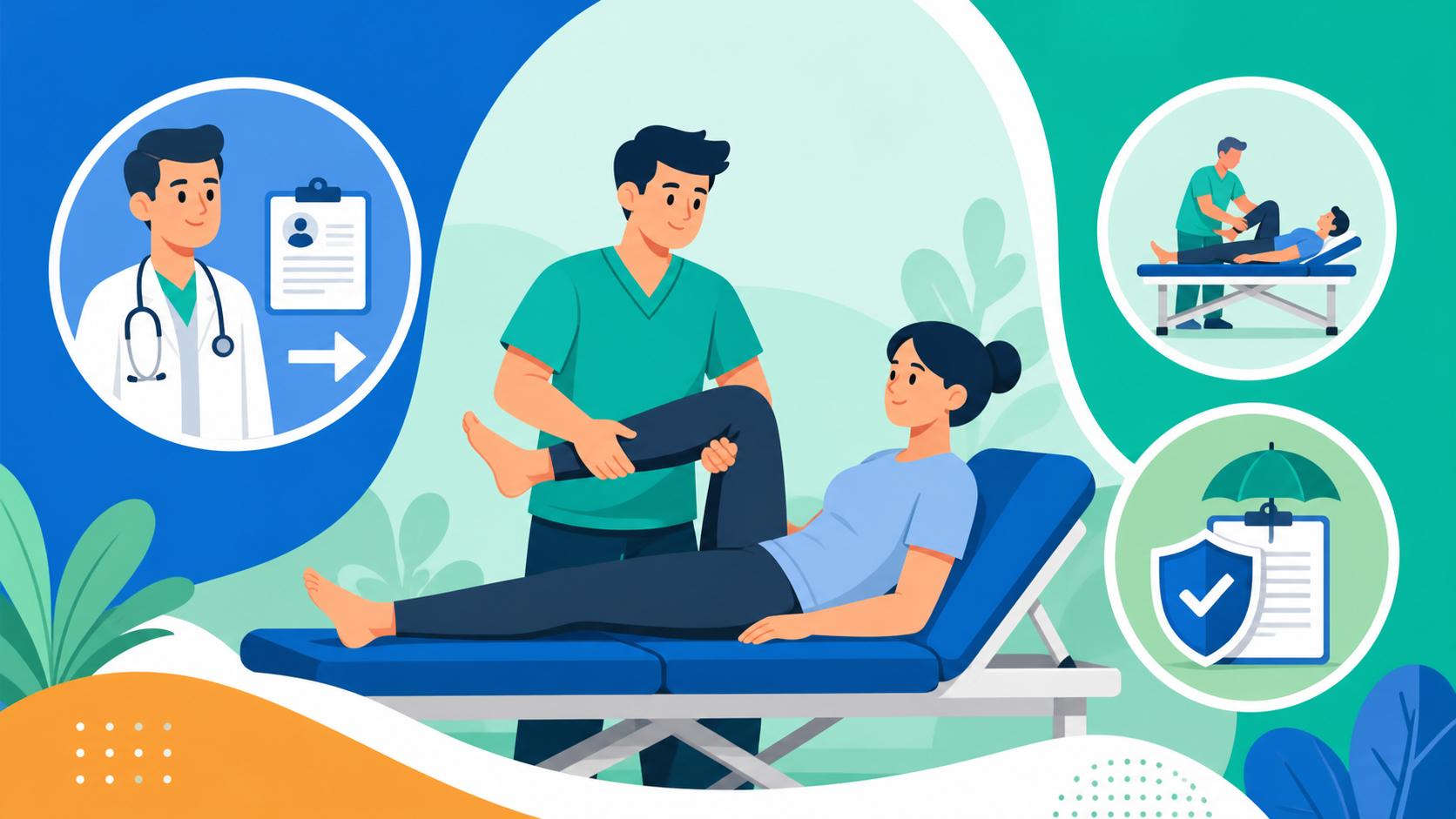
Physical Therapy (Fisioterapi): Referrals, Sessions, and Insurance Coverage
Finding reliable physical therapy in a new country can feel like navigating a maze, especially when a sudden back spasm strikes in the middle of Jakarta’s traffic. I personally spent three weeks hobbling around Bali after a surf injury because I didn't understand the local referral system. This guide clarifies how to access fisioterapi, manage costs, and handle insurance.
Navigating the Physical Therapy Referral System in Indonesia
In Indonesia, physical therapy—commonly known as fisioterapi—is handled differently depending on whether you are using the public system or going through private channels. Understanding this distinction is the first step to getting your mobility back. If you are a resident, you likely already have a basic understanding of Healthcare in Indonesia for Foreign Residents: Complete System Overview (2027), but the specifics of rehabilitation medicine require a closer look.
The BPJS Kesehatan Pathway
If you are enrolled in the national health insurance scheme, the process is strictly hierarchical. You cannot simply walk into a hospital and ask for a physiotherapist. You must first visit your primary care clinic, known as Faskes Tingkat 1. There, a general practitioner will assess your condition. If they deem it necessary, they will issue a digital referral (rujukan) to a hospital that has a Medical Rehabilitation department.
Once at the hospital, you will not see a physiotherapist immediately. You will first be examined by a "Spesialis Kedokteran Fisik dan Rehabilitasi" (SpKFR), a doctor specializing in physical medicine and rehabilitation. This specialist designs your program, and only then are you handed over to the physiotherapist for the actual sessions. This multi-step process is part of the BPJS Kesehatan for Expats: Registration, Costs, and the New KRIS System protocol, which aims to manage the high volume of patients in the public sector.
The Private and International Route
For those who value speed and specific provider choice, the private route is much more straightforward. Many international clinics in Jakarta and Bali allow for direct bookings. However, even in the private sector, many high-end hospitals still prefer you to have an initial consultation with their in-house rehab specialist before starting therapy. This is particularly true at facilities mentioned in the Siloam Hospitals Overview: What Expats Should Know About the Network, where the medical legalities often require a doctor's sign-off for insurance purposes.
If you are paying out of pocket, some independent boutique clinics in areas like Canggu or Senopati allow for direct access to a therapist. This is often the preferred route for minor sports injuries or "desk neck" caused by long hours in a home office. However, if you plan to claim these costs back from a provider like Cigna Global, you should always check if they require a prior GP referral to authorize the sessions.
What to Expect During a Fisioterapi Session
The practice of physical therapy in Indonesia can be quite "hands-off" or "machine-heavy" compared to Western standards, depending on where you go. It is important to communicate your preferences clearly to your therapist.
Common Treatment Modalities
In many Indonesian hospitals, a standard session lasts about 45 to 60 minutes and often involves several machines. You might be treated with infrared heat therapy to relax the muscles, followed by ultrasound therapy or TENS (Transcutaneous Electrical Nerve Stimulation) to manage pain. While these are effective, expats often find that they have to specifically ask for manual therapy, such as joint mobilization or deep tissue manipulation.
The therapist will usually guide you through a series of exercises, but the "Alat" (tools/machines) are often the centerpiece of the local clinical experience. If you prefer a more exercise-based or "active" rehab approach, you may want to look into specialized sports clinics rather than general hospital departments. You can find more tailored options in the Jakarta Healthcare Guide for Expats: International Clinics and After-Hours Options.
Communication and Language Barriers
While many specialists (SpKFR) speak excellent English, the physiotherapists themselves may have varying levels of fluency. In major hubs, this is rarely an issue. However, if you find yourself in a smaller city, it helps to know a few key terms. "Nyeri" means pain, "Kaku" means stiff, and "Sembuh" means healed. If the language gap feels too wide, you can use apps to bridge the gap; many expats find How to Book a Doctor Appointment via Halodoc or Alodokter Apps useful for finding providers who explicitly list English as a language of communication.
Cost Comparison and Insurance Coverage
The cost of physical therapy in Indonesia varies wildly. A session at a local public hospital might cost as little as IDR 150,000 for those without insurance, while a premium sports clinic in South Jakarta can charge upwards of IDR 1,200,000 per hour.
| Facility Type | Est. Cost per Session (IDR) | Insurance Compatibility | Wait Time |
|---|---|---|---|
| Public Hospital (RSUD) | 150k – 300k | BPJS (Full coverage) | High (1-3 weeks) |
| Private Hospital (Siloam/BIMC) | 500k – 900k | Private / Cigna Global | Low (1-3 days) |
| Boutique Physio Clinic | 700k – 1.2M | Reimbursement only | Very Low (Same day) |
| Home Visit Physiotherapy | 400k – 800k | Rarely covered | Flexible |
Maximizing Your Private Insurance
For expats, having a robust policy from a provider like Cigna Global is a game-changer. Most international policies cover outpatient physical therapy, but they often have a cap on the number of sessions or a total dollar limit per year. The "Direct Billing" feature is common at major hospitals, meaning you don't have to pay upfront. However, if you choose an independent clinic, you will likely need to pay, collect a "Medical Certificate" and an itemized invoice, and then submit a claim.
If your injury is severe enough to require long-term care or even relocation for better facilities, you should understand the Medical Evacuation (Medevac) Services in Indonesia: Costs and Insurance Coverage options included in your premium. Physical therapy is often the "aftercare" following a major surgery that might have taken place in Singapore or Malaysia.
BPJS Limitations and the KRIS System
While BPJS covers physical therapy, it is often limited to two sessions per week. With the transition to the KRIS (Kamar Rawat Inap Standar) system, the focus is on standardizing care across the board. This means you might find longer waitlists for specialized equipment. For many, the Public vs Private Healthcare in Indonesia: BPJS Kesehatan and Expat Insurance debate often ends with the expat choosing private care for rehabilitation to ensure they get the consistency needed for a full recovery.
Top Facilities for Rehabilitation
Choosing where to go often depends on your location and the nature of your injury. Jakarta and Bali offer the most comprehensive options, but the "vibe" of the treatment differs.
Jakarta: The Clinical and Specialized Hub
In the capital, you have access to some of the most advanced robotic rehabilitation tools in Southeast Asia. Areas like Kuningan and SCBD host clinics that cater specifically to the corporate crowd suffering from ergonomic issues. If you are living in the south, you can explore the Finding an English-Speaking Clinic in South Jakarta (Kemang and SCBD) list to find therapists who understand the Western approach to "Physio."
Bali: Sports and Holistic Recovery
Bali is the go-to for surf-related injuries and yoga-induced overextensions. Facilities like BIMC are staples in the Bali Healthcare Guide: Hospitals, Clinics, and Emergency Contacts for Residents. Because of the high volume of active tourists and expats, Bali's therapists are often more accustomed to "active release" techniques and functional movement assessments than their counterparts in more traditional Indonesian cities.
Managing Your Recovery at Home
Physical therapy doesn't end when you leave the clinic. In the humid Indonesian climate, inflammation can be a persistent issue. This is where supplements and home-care tools become vital components of your journey.
Recovery Supplements and Tools
I have found that local pharmacies (Apotek) are great for basic anti-inflammatories, but for specialized recovery supplements, many expats turn to iHerb. Ordering high-quality magnesium flakes for baths, collagen peptides, or specialized braces from iHerb is often more cost-effective than trying to source them locally in Jakarta or Denpasar. Just be mindful of the import tax thresholds to avoid a headache at customs.
For those dealing with nerve-related pain or muscle spasms, topical treatments are widely available. While "Minyak Telon" or "Minyak Kayu Putih" are local favorites for warmth, they aren't substitutes for medical-grade gels. If you have Tropical Allergies: Managing Reactions and Finding Antihistamines Locally, always test a small patch of any local liniment before slathering it on your back after a session.
The Rise of Home-Visit Physio
If the thought of sitting in a car for two hours to reach a clinic makes your back ache even more, consider "Home Visit" services. Many licensed therapists moonlight by offering sessions in the comfort of your villa or apartment. This is particularly popular in Bali. You can find these professionals through word-of-mouth in expat groups or via specialized home-care apps. While Cigna Global and other providers might require extra documentation for home visits, the convenience often outweighs the paperwork.
Integrating Traditional Care Safely
You will undoubtedly be suggested a "Tukang Pijat" (traditional healer/masseur) by well-meaning local friends. While a traditional Balinese massage is wonderful for relaxation, be extremely cautious about "Urut" (deep, bone-setting style massage) if you have a structural injury like a herniated disc. Always prioritize a licensed physiotherapist for the diagnostic phase of your recovery before integrating traditional Indonesian wellness practices.
Final Considerations for Long-Term Rehab
If your condition is chronic, such as managing a slipped disc or recovering from a major orthopedic surgery, you need to think about the "Local Plus" approach. This means using your Private Health Insurance in Indonesia: Bridging the Gap When BPJS Isn't Enough strategy to cover the intensive first phase of rehab, then perhaps using a mix of private clinics and home exercises for maintenance.
Consistency is the biggest hurdle in Indonesia. Between the traffic and the sudden tropical downpours, missing appointments is easy. I always recommend finding a clinic that is either within walking distance of your home or office or one that offers early morning slots before the "macet" truly begins. Your recovery depends on the 23 hours you spend outside the clinic just as much as the one hour you spend with your therapist.
Disclaimer
This guide is for informational purposes only and does not constitute medical advice. Always consult with a qualified healthcare professional or a "Spesialis Kedokteran Fisik dan Rehabilitasi" (SpKFR) before starting any physical therapy program. Healthcare regulations and insurance policies in Indonesia are subject to frequent changes; please verify all details with your provider and the relevant authorities.