Healthcare in Indonesia for Foreign Residents: Complete System Overview (2027)
Navigating an Indonesian hospital for the first time while feverish and confused is a rite of passage no one wants to experience. I vividly remember sitting in a plastic chair in a South Jakarta clinic years ago, clutching a paper queue number and wondering if I would ever see a doctor who understood my symptoms in English. This guide breaks down the complex world of public and private healthcare, BPJS requirements, and medical costs to ensure you stay healthy and sane during your residency.
Understanding the Indonesian Healthcare Landscape
The healthcare system in Indonesia is a complex, multi-tiered structure that can feel like a maze to the uninitiated. At its core, the system is split between a rapidly expanding public health sector and a sophisticated, though often expensive, private sector. For many of us living here, the challenge isn't just finding a doctor, but understanding which door to walk through when a health crisis strikes.
The Public-Private Hybrid
In Indonesia, you will find that the lines between public and private can sometimes blur, especially when it comes to the facilities themselves. The public sector is dominated by the Puskesmas (community health centers) and RSUD (regional public hospitals). These are the backbone of the national health strategy, providing low-cost care to millions. However, as an expat, you might find these facilities crowded, with long wait times and a significant language barrier if you haven't mastered your Bahasa Indonesia yet.
The private sector, on the other hand, is where most foreign residents tend to congregate. These hospitals, often owned by large conglomerates like Siloam or Mayapada, offer a more familiar experience. They look and feel like Western hospitals, complete with air-conditioning, English-speaking staff, and modern diagnostic equipment. But even within the private sector, there is a hierarchy. Some focus on boutique luxury care, while others are workhorse facilities that accept the national insurance.
The integration of these two sectors is most apparent in how they handle insurance. While the public system is built for the national health scheme, many high-end private hospitals also reserve a portion of their capacity for the public, leading to a unique demographic mix in the waiting rooms. Understanding this balance is key to knowing where to go for a routine check-up versus a surgical procedure.
Quality Variances Across the Archipelago
One of the hardest lessons I learned early on was that healthcare quality in Indonesia is highly localized. If you are living in the SCBD or Kemang areas of Jakarta, you are surrounded by world-class facilities. The same applies to certain parts of Bali, like Nusa Dua or Sanur. In these hubs, the doctors are often Western-trained and the technology is cutting-edge. You can find everything from advanced oncology to robotic surgery if you know which hospital to visit.
However, once you step outside the major metropolitan areas or the "expat bubbles," the landscape changes drastically. In regional cities or remote islands, medical facilities might struggle with basic supplies or reliable electricity. Even in a large city like Bandung or Surabaya, the experience can vary significantly from one neighborhood to the next. This geographic disparity is a major reason why many expats maintain a medical evacuation plan.
For those of us living in more remote locations, "healthcare" often means a local clinic that can stabilize you until you can be moved to a larger hub. It is essential to map out your nearest "reliable" hospital before you actually need it. Don't wait for a bout of Dengue Fever and Malaria Prevention: Vaccines, Treatments, and Local Realities to start researching where the nearest ICU is located.
BPJS Kesehatan: The Mandatory National Health Insurance
If you are working in Indonesia or staying on a long-term KITAS, you’ve likely heard the acronym BPJS. It stands for Badan Penyelenggara Jaminan Sosial, and for better or worse, it is a mandatory part of your life here. Many expats initially view it as just another "expat tax," but over the years, the system has improved significantly, offering a genuine safety net if you know how to use it.
Registration Requirements for Expats
Technically, any foreigner who has worked in Indonesia for more than six months is required to enroll in BPJS Kesehatan. If you are employed by an Indonesian company, your HR department should handle this for you, with the premium being a small percentage of your salary (usually capped). If you are on an investor KITAS or a retirement visa, you are often expected to register independently.
The registration process used to be a nightmare of physical paperwork and multiple trips to the BPJS office. These days, it’s significantly more digital, though still a bit clunky for those who don't speak the language. You will need your passport, KITAS, and a domicile letter from your local village head (RT/RW). Once registered, you are assigned a primary care clinic, known as a Faskes 1, which acts as the gatekeeper for all your medical needs.
The real value of BPJS is in its "zero out-of-pocket" promise for covered procedures. While you might still want a private policy for convenience, having your BPJS active is a legal requirement and can save you millions of Rupiah on major surgeries or chronic illness management. For a deep dive into the paperwork, check out BPJS Kesehatan for Expats: Registration, Costs, and the New KRIS System to see how the recent changes might affect your specific visa type.
The New KRIS System and Standard Wards
As of 2025 and moving into 2026, Indonesia has been phasing out the old "Class 1, 2, and 3" system in favor of KRIS (Kelas Rawat Inap Standar). This was a controversial move aimed at creating more equity in the healthcare system. Previously, your premium determined whether you stayed in a four-person ward or a private room. Under KRIS, the government is standardizing the inpatient experience across all hospitals that accept BPJS.
For expats, this means the "automatic" upgrade to a private room via the national scheme is becoming a thing of the past. The standard KRIS ward typically features a maximum of four beds per room, with specific requirements for ventilation, lighting, and bathroom access. While this is an improvement for the general population, many foreign residents find it a step down from the privacy they are accustomed to.
If you find the idea of a shared ward unappealing, you still have the option to "top up" or upgrade your room by paying the difference out-of-pocket or using a private insurance policy like Cigna Global. This flexibility allows you to benefit from the subsidized medical procedures of BPJS while still enjoying the comfort of a private suite. Knowing how to navigate these upgrades is essential for anyone planning a hospital stay.
Private Healthcare and International Facilities
For most of my time in Indonesia, I have relied on private healthcare for everything from regular blood tests to emergency stitches. The difference in service speed and comfort is undeniable. Private hospitals here operate very much like businesses, prioritizing patient experience and efficiency to justify their higher price points.
Why Expats Choose Private Hospitals
The primary driver for choosing private care is the ease of communication. In major private hospitals, nearly all specialists and many of the nursing staff speak functional to fluent English. This eliminates the terrifying possibility of a medical misunderstanding. Additionally, private facilities tend to have shorter wait times and more streamlined administrative processes. You can often book appointments via apps like Halodoc or Alodokter, avoiding the day-long waits common in public facilities.
Another factor is the availability of specific medications and advanced diagnostic tools. While a public hospital might have a long waitlist for an MRI, a private facility can often fit you in the same day. For those managing chronic conditions, the consistency of seeing the same specialist every visit is also a major draw. Many expats also find it easier to source high-quality supplements and niche health products from overseas through platforms like iHerb to complement the local prescriptions.
The "VIP" experience in Indonesian private hospitals is truly world-class. It is not uncommon for top-tier suites to look like five-star hotel rooms, complete with a kitchenette, a sofa for family members, and premium catering. When you are far from home and feeling vulnerable, these comforts can make a significant difference in your recovery process.
Top Facilities in Jakarta, Bali, and Surabaya
If you find yourself in Jakarta, you are likely going to visit places like Medistra, Pondok Indah Hospital (RSPI), or the SOS Medika clinics. These are the gold standards for expat care. RSPI, in particular, is known for its pediatric wing and maternity services. In Surabaya, the National Hospital and Siloam are the go-to choices for high-end care.
Bali’s landscape has changed the most in recent years. While it used to be a "fly to Singapore for anything serious" destination, the arrival of facilities like BIMC and Siloam Denpasar has changed the game. There is even a new International Hospital being developed in Sanur that aims to bring a new level of medical tourism to the island. For more localized advice, I highly recommend reading the Bali Healthcare Guide: Hospitals, Clinics, and Emergency Contacts for Residents before you settle into your villa.
When choosing a facility, always ask about their "direct billing" arrangements. Many of the top hospitals have partnerships with international insurers, meaning you won't have to pay a massive deposit upfront and wait for reimbursement. This is particularly useful if you carry a premium plan from Cigna Global, which is widely recognized by the administrative desks of Indonesia’s elite hospitals.
Managing Medications and Local Pharmacies
The pharmacy system in Indonesia, or "Apotek," is a fascinating mix of strict regulation and surprising accessibility. You will see Apoteks on almost every corner, often identifiable by their bright green or red signs. However, getting exactly what you need requires a bit of local know-how.
Navigating the Apotek System
In Indonesia, Kimia Farma and Guardian are the most common chains, but many independent Apoteks are just as reliable. One thing that surprises many newcomers is the "over-the-counter" availability of medications that would require a strict prescription in the US or Europe. However, this is changing as the government tightens controls on antibiotics and specialized medications.
When you go to an Apotek, it helps to have the generic name of the drug, as brand names often differ. If you have a prescription from a local doctor, the process is straightforward. If you are trying to refill a prescription from home, you may need to see a local GP first to get a valid Indonesian "Resep" (prescription). This is a great time to consult a guide like the Apotek Guide: Prescription Workflow, Refills, and Communicating with Pharmacists to avoid any awkward conversations with the pharmacist.
Price transparency has also improved. Most items now have a "HET" (Harga Eceran Tertinggi) or maximum retail price printed on the box. This prevents price gouging, which was a common complaint in years past. If you find local brands aren't meeting your needs, many expats supplement their wellness routines by ordering from iHerb, which ships reliably to Indonesia, provided you stay within the customs limits for personal use.
Importing Prescription Drugs
Bringing your own medication into the country is a frequent source of anxiety. The general rule is that you can bring a 30-day supply of personal medication if you have a clear prescription and a letter from your doctor. For anything longer or more "controlled," such as ADHD medication or strong painkillers, the rules become much stricter.
Indonesia has some of the harshest drug laws in the world, and this extends to certain psychotropic medications. Never attempt to bring in large quantities of medication without documentation. If you are caught at customs with undocumented pills, "I didn't know" will not be a valid defense. It is vital to check the latest Bringing Medication Into Indonesia: Customs Rules, Limits, and Required Letters to ensure you aren't accidentally breaking the law at the airport.
For those of us who live here long-term, the goal is usually to find a local equivalent. Most major international pharmaceutical companies have a presence in Indonesia, and their local versions are often much cheaper than what you’d pay back home. Always consult with a local specialist before switching brands to ensure the dosage and formulation are appropriate for your needs.
Costs, Insurance, and Financial Planning
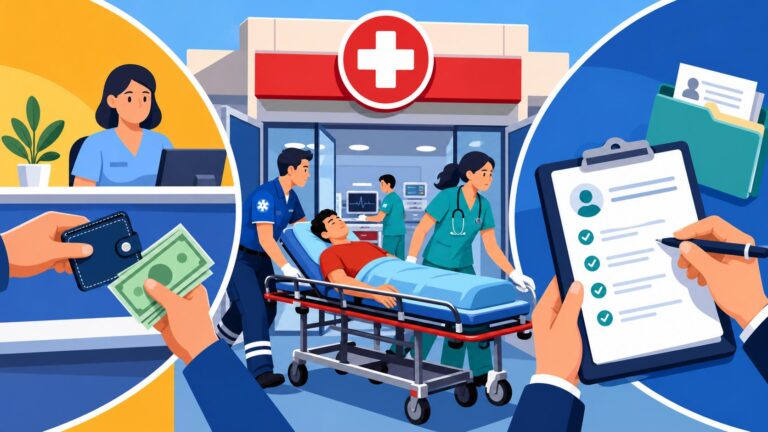
One of the biggest shocks for new residents is the "cash upfront" culture of Indonesian healthcare. Even in emergencies, hospitals often require a significant deposit before they will admit a patient or perform surgery. This makes financial planning just as important as finding the right doctor.
Out-of-Pocket Expenses and Hospital Billing
If you don't have insurance or if your insurer doesn't have a direct billing agreement with the hospital, you are effectively a "private patient." A simple GP visit might cost between IDR 300,000 to IDR 700,000, while a specialist consultation can easily top IDR 1,500,000 before tests and medications. Hospital stays are where the numbers really climb; a night in a VIP room can range from IDR 2,500,000 to IDR 5,000,000 or more.
The billing process in Indonesia can be opaque. You might find separate charges for the room, the nursing care, the doctor’s visit, and even the individual swabs used during a procedure. It is always a good idea to ask for an "estimasi biaya" (cost estimate) before agreeing to a long-term stay. To help you decode the final invoice, I suggest reading Hospital Billing in Indonesia: Avoiding Overcharges and Understanding Inpatient Fees.
| Service Category | Estimated Cost (Private Hospital) | BPJS Coverage |
|---|---|---|
| General Practitioner | IDR 300k – 700k | 100% at Faskes 1 |
| Specialist Consult | IDR 800k – 2.5m | 100% with Referral |
| VIP Inpatient Room | IDR 2.5m – 6m / night | Not Covered (requires top-up) |
| Standard KRIS Ward | IDR 500k – 1m / night | 100% |
| MRI / CT Scan | IDR 3m – 8m | 100% with Referral |
Bridging the Gap with International Coverage
Given the potential for high costs and the "cash first" requirement, many expats choose to maintain private international insurance. Plans from providers like Cigna Global are popular because they offer worldwide coverage (often including a trip back to your home country) and high limits that can cover catastrophic events. This is particularly important because BPJS has "caps" on what it will pay for certain high-tech procedures or imported implants.
Private insurance also gives you the freedom to skip the referral system. With BPJS, you must see a GP, wait for a referral, and then visit a specific hospital. With a private policy, you can usually go straight to the specialist of your choice. This "bridge" between the mandatory public system and the luxury of private care is the sweet spot for most successful expat medical strategies.
If you are trying to decide if the extra expense is worth it, consider your lifestyle. If you ride a scooter in Bali or travel frequently for work, the "peace of mind" factor of a premium policy is invaluable. For more on how to structure your coverage, look into Private Health Insurance in Indonesia: Bridging the Gap When BPJS Isn't Enough.
Emergency Situations and Medical Evacuations
In a crisis, the "jam karet" (rubber time) of Indonesia can become a dangerous reality. Traffic in cities like Jakarta or the narrow roads of Bali can turn a 5-minute ambulance ride into a 45-minute ordeal. Knowing the emergency protocols is literally a matter of life and death.
Calling for Help (118/119)
The national emergency number for an ambulance is 118 or 119. However, be prepared: the operators may not speak English, and the ambulance that arrives may only have basic equipment and a driver, rather than a fully trained paramedic team. In many cases, if the patient is stable enough to be moved, taking a private car or a "Bluebird" taxi is often faster than waiting for a public ambulance to navigate traffic.
For a more reliable emergency response, many expats subscribe to private ambulance services or keep the direct emergency number of the nearest private hospital on their fridge. These private services often have better-equipped vehicles and staff who are trained to international standards. It's a small detail that makes a huge difference in those first "golden hours" of an emergency. For more tips on what to do when things go wrong, read Emergency Medical Care in Indonesia: Ambulances, ERs, and Evacuation Protocols.
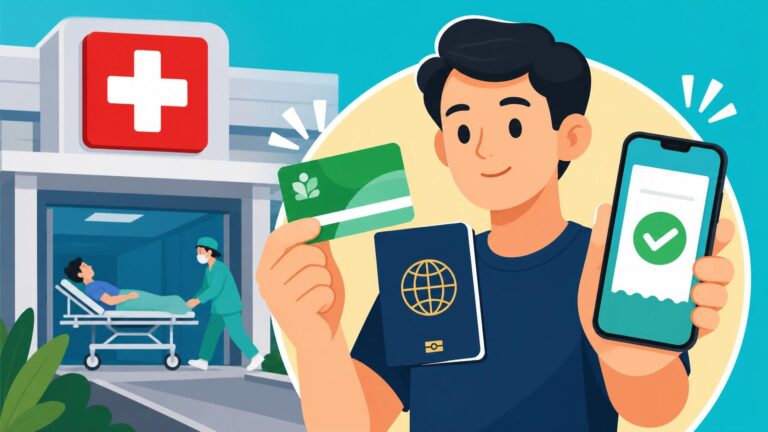
Always keep a "Go Bag" ready with copies of your passport, KITAS, insurance card, and a list of any allergies. Having these ready can shave precious minutes off the admission process at the Emergency Room (UGD).
Planning for Medevac
For very serious conditions—think complex heart surgery or advanced trauma—many foreigners still prefer to be treated in Singapore, Malaysia, or their home country. A medical evacuation (Medevac) can cost anywhere from USD 20,000 to USD 100,000+ depending on your location and the type of aircraft required.
This is where your choice of insurance becomes critical. Premium plans from Cigna Global often include evacuation coverage as a standard or optional add-on. Without this, you would be expected to pay the charter fee upfront before the plane even takes off. It’s the kind of thing you hope you never need, but you’ll be eternally grateful for if the situation arises.
If you are living in a remote area, you should also research local "stabilization clinics." These are facilities that might not be able to perform surgery but have the equipment to keep a patient stable until a Medevac team can arrive. This two-step process is a common reality for those living in Kalimantan, Papua, or remote parts of Sumatra.
Specialized Care: Dental, Mental Health, and Women’s Health
Beyond the general hospitals, Indonesia has a growing number of specialized clinics that cater to specific expat needs. Whether you need a root canal, a therapist, or a prenatal check-up, the options have improved dramatically in the last decade.
Finding English-Speaking Specialists
Finding a doctor you trust is often about word-of-mouth in the expat community. While hospital websites list credentials, they don't always tell you about a doctor's bedside manner or their willingness to explain things clearly in English. I’ve found that the best way to vet a specialist is to join local community groups or use trusted directories.
Dental care in Indonesia is one of the "hidden gems." The quality of private dentists in Jakarta and Bali is exceptional, and the prices are often a fraction of what you’d pay in Australia or the US. Many people even fly to Bali specifically for "dental tourism." For a guide on how to find a reliable clinic, see Finding English-Speaking Doctors in Indonesia: Reliable Directories and Vetting.
Mental health is another area that is finally losing its stigma in Indonesia. While the public system is still lagging, there are now many private psychologists and psychiatrists who work with the expat community, addressing everything from culture shock to "expat burnout." If you’re struggling, don't suffer in silence; there are resources available, as detailed in Mental Health Care: Accessing Therapy and Psychiatry as an Expat in Indonesia.
Maternity and Pediatric Standards
For families, Indonesia offers a range of maternity experiences. If you choose a top-tier private hospital, the prenatal care is very thorough, with frequent scans and high-tech monitoring. However, be aware that C-section rates in Indonesian private hospitals are significantly higher than the global average. If you are hoping for a natural birth, you will need to be very vocal with your "Dokter Kandungan" (Ob/Gyn) or seek out a natural-birth-friendly clinic like Bumi Sehat in Bali.
Pediatric care is generally excellent. Indonesian culture is very child-centric, and pediatricians (Dokter Anak) are usually very accessible. Vaccinations follow the IDAI (Indonesian Pediatric Society) schedule, which is largely aligned with international standards. You can find most major vaccines here, though occasionally there are shortages of specific imported brands.
Maintaining your family's health also means paying attention to the environment. Air quality in Jakarta can be a major issue for children with asthma, and many parents use high-quality air purifiers at home. To keep everyone's immune systems strong, many of us stock up on vitamins and specialty health foods from iHerb, which provides brands that aren't always on the shelves of the local supermarket.
Disclaimer
The information provided in this guide is for general informational purposes only and does not constitute professional medical or legal advice. While every effort has been made to ensure the accuracy of the information as of 2026, healthcare regulations, insurance policies, and facility quality in Indonesia can change rapidly. Always consult with a qualified healthcare professional or a legal expert regarding your specific medical needs and insurance obligations. We do not endorse any specific hospital or service provider mentioned herein.