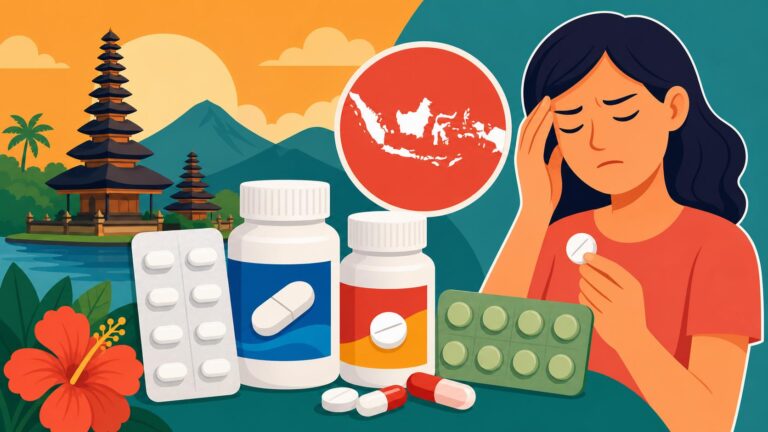
Typical OTC Cold Medicines in Indonesia: Tolak Angin and Western Equivalents
Waking up in a sweat with a scratchy throat and a pounding head is bad enough, but doing it in a foreign country where the pharmacy shelves look like a wall of herbal mysteries makes it ten times worse. I’ve spent many frantic mornings in Bali staring at yellow sachets, wondering if they’d actually stop my shivering or just make me smell like ginger. This guide navigates the confusing world of Indonesian over-the-counter (OTC) medicine so you can find the relief you need without the guesswork.
Understanding the Indonesian Apotek Experience
The first thing you’ll notice in Indonesia is that the pharmacy, or "Apotek," is often your first line of defense before ever seeing a doctor. Unlike back home where you might wait days for a GP appointment, an Indonesian pharmacist is often more than willing to provide a consultation right over the counter. You’ll find major chains like Kimia Farma, K-24, and Century, alongside smaller independent shops.
One of the most useful things to know is that many of these pharmacies operate around the clock. If you find yourself in a pinch at 2 AM, knowing how to find Finding 24-Hour Apoteks (Pharmacies) in Jakarta and Bali is a lifesaver. When you walk in, don't expect to see long aisles of self-serve boxes. Most medicine is kept behind the counter. You need to talk to the staff, and while English is common in tourist hubs, having a few key terms ready is essential for a smooth experience.
Communicating with the Pharmacist
When you’re feeling miserable, the last thing you want is a language barrier. If you ask for "cold medicine," you might be handed three different things. It’s better to describe your specific symptoms: batuk (cough), pilek (runny nose), demam (fever), or sakit tenggorokan (sore throat). The pharmacists are generally very knowledgeable, but they may lean toward local brands first.
If you are looking for specific Western brands, you might find them, but they often carry different names or are produced under local licenses. For those who prefer to keep their familiar supplements on hand, many expats use iHerb to bridge the gap for specific vitamins or niche Western OTC products that haven't quite made it to the Indonesian market yet. It’s a reliable way to ensure your medicine cabinet feels like home, even when you're in the tropics.
The Cultural Powerhouse: Tolak Angin and Herbal Remedies
You cannot live in Indonesia for more than a week without seeing the iconic yellow sachet of Tolak Angin. It is, quite literally, everywhere—from high-end supermarkets to the tiny warung on the corner of your street. For Indonesians, this isn't just a medicine; it's a cultural institution used to treat "Masuk Angin."
What is Tolak Angin Exactly?
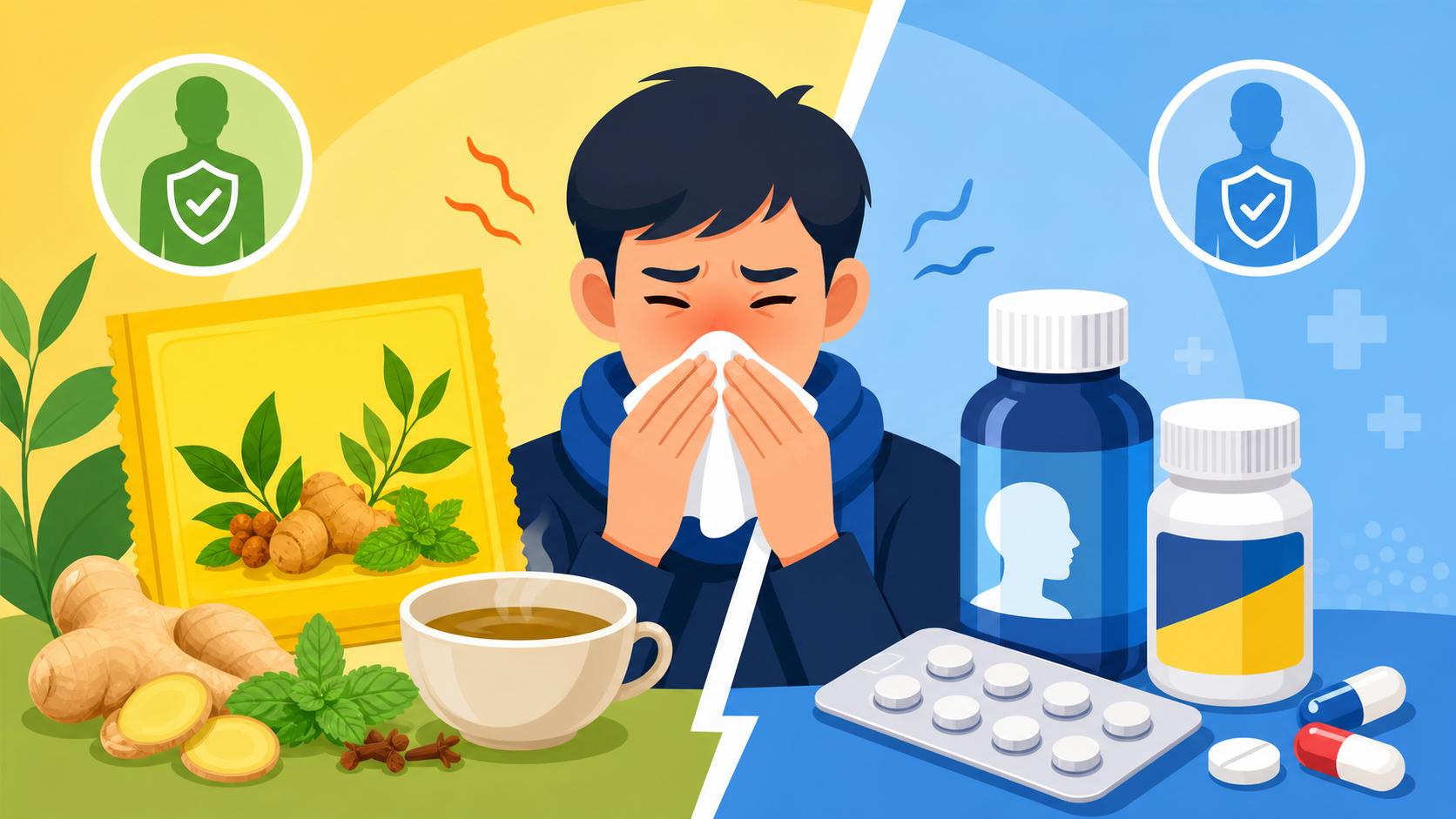
"Masuk Angin" translates to "trapped wind," but it’s a catch-all term for that general feeling of being unwell, bloated, or catching a chill from the air conditioning. Tolak Angin is an herbal syrup made from ginger, mint, cloves, fennel, and honey. It’s designed to warm the body and boost the immune system. I’ll be honest: the first time I tried it, the intense herbal heat was a shock. But now? It’s the first thing I reach for when I feel a tickle in my throat.
There are different versions: the classic yellow for general use, a blue version for the flu, and even a child-friendly version. If you aren't a fan of the syrup, you can find it in tablet form. Another major player is Antangin, which is very similar and often a matter of personal preference among locals. These herbal remedies are great for early-stage symptoms, but if your condition escalates, you’ll need to understand the Apotek Guide: Prescription Workflow, Refills, and Communicating with Pharmacists to move onto stronger medication.
When to Use It (and When Not To)
Tolak Angin is fantastic for motion sickness, mild nausea, or that initial shiver you get after a long flight or a rainy scooter ride. However, it is not a replacement for antibiotics or heavy-duty antivirals. If you have a high fever or persistent infection, don't rely solely on herbal sachets. While Indonesia has a rich tradition of Traditional Medicine: Jamu Basics and Integration with Modern Care, it’s important to know when to switch to "Western-style" pharmaceuticals.
Finding Your Western Equivalents
If you aren't ready to go the herbal route, you’ll be looking for active ingredients you recognize like Paracetamol, Ibuprofen, or Pseudoephedrine. The good news is that most of these are readily available, though the brand names will differ.
| Symptom | Western Brand (US/UK) | Indonesian Equivalent | Active Ingredient |
|---|---|---|---|
| Pain/Fever | Tylenol / Calpol | Panadol / Biogesic | Paracetamol |
| Pain/Inflammation | Advil / Motrin | Proris / Fenris | Ibuprofen |
| Cold & Flu (Multi) | DayQuil / Lemsip | Ultraflu / Neozep / Procold | Mixed (Para/Phenylephrine) |
| Cough (Productive) | Robitussin / Mucinex | Bisolvon / Woods' | Bromhexine / Guaifenesin |
| Sore Throat | Strepsils / Chloraseptic | Strepsils / Degirol | Dequalinium Chloride |
| Allergy | Benadryl / Claritin | Incidal / Cetirizine | Cetirizine / Loratadine |
Painkillers and Fever Reducers
For general aches and pains, Panadol is king here. You’ll find it in the standard blue box, a red "Extra" version for headaches, and a green "Cold & Flu" version. If you specifically need Painkillers in Indonesia: Accessing Ibuprofen, Paracetamol, and Local Brands, look for Proris. It’s the most common brand of Ibuprofen and comes in various strengths.
A local favorite for intense headaches is Bodrex. It’s cheap, effective, and available in every convenience store (Indomaret or Alfamart). Be aware that some local "cold" tablets like Ultraflu are very effective but can make you quite drowsy, as they often contain older-generation antihistamines.
Managing Tropical Allergies and Skin Issues
The humidity in Indonesia can trigger respiratory issues and skin reactions that you might not experience in drier climates. If you find yourself sneezing more often, Tropical Allergies: Managing Reactions and Finding Antihistamines Locally is a vital topic to explore. For skin, you might encounter "Biang Keringat" (heat rash). Instead of the heavy creams you might use in the West, local pharmacies will point you toward Caladine lotion or Snake Brand cooling powder, which are much better suited for the humid air.
Navigating More Serious Ailments
Sometimes a cold isn't just a cold. In the tropics, symptoms that feel like a flu could actually be something else. If your fever is accompanied by intense joint pain or a skin rash, you need to be aware of Dengue Fever and Malaria Prevention: Vaccines, Treatments, and Local Realities. This is where your OTC knowledge ends and professional medical care begins.
When OTC Isn't Enough
If your symptoms persist for more than a few days, or if you find yourself struggling to breathe, it is time to skip the Apotek and head to a clinic. This is especially true during the "haze season" or periods of high pollution in cities like Jakarta. Many expats find they need specific help for Asthma and Air Quality: Managing Respiratory Issues During Haze Season because the local irritants are different from what their bodies are used to.
For long-term residents, having comprehensive health coverage is a must. If you have an international plan through Cigna Global, you can often access the "International Wings" of hospitals like Siloam or Medistra, where the diagnostic equipment and English-speaking staff can provide a level of care that goes far beyond what an over-the-counter pill can offer.
Bali Belly and Stomach Bugs
We can't talk about Indonesian medicine without mentioning the dreaded "Bali Belly." While not a respiratory cold, it often comes with similar symptoms like shivering and fatigue. If you're hit with a stomach bug, you’ll want to look for Oralit (rehydration salts) and Diapet (a local herbal remedy for diarrhea). Understanding the nuances of Bali Belly and Food Safety: Avoiding and Treating Stomach Bugs can help you distinguish between a simple upset stomach and something that requires medical intervention.
Practical Tips for Your Medicine Cabinet
When you first move, you might be tempted to bring a suitcase full of meds. While a small starter kit is smart, you must be careful with Bringing Medication Into Indonesia: Customs Rules, Limits, and Required Letters. Certain medications that are legal elsewhere, particularly those for ADHD or certain anxiety disorders, are strictly controlled here.
For everything else, you can usually find it locally or order it through apps. The digital landscape in Indonesia is incredibly advanced. You can use apps like Halodoc or Alodokter to chat with a doctor and have your OTC (or even prescription) meds delivered to your door via Gojek in under an hour. It’s often faster than walking to the pharmacy yourself.
Stocking Up for Success
I always recommend keeping a "First Aid + Cold" kit in your house. It should include:
- A box of Panadol (Paracetamol)
- A strip of Proris (Ibuprofen)
- A handful of Tolak Angin sachets (for that first sign of a chill)
- Bisolvon for coughs
- Oralit for rehydration
- A high-quality thermometer
If you find that local brands aren't quite cutting it for your specific needs, iHerb is a great secondary resource for high-potency Vitamin C, Zinc, and Elderberry supplements that can be harder to find in the local Apotek. Having these on hand means you aren't scrambling when the "air-con flu" inevitably hits.
Moving Toward Professional Care
While managing a cold with OTC meds is standard, remember that the Indonesian medical system is a tiered referral system. If you find yourself needing more than just a Panadol, you'll want to understand Choosing a Primary Clinic (Faskes Tingkat 1) vs Going Direct to a Hospital. Knowing where to go before you are too sick to think clearly is a core part of expat survival.
For those with high-end insurance like Cigna Global, you often have the luxury of bypassing the smaller clinics and heading straight to international-standard facilities. This is a significant comfort, particularly if your "cold" starts to feel like something more complicated that requires blood tests or imaging.
Ultimately, the goal is to get back on your feet so you can enjoy everything this beautiful country has to offer. Whether you choose the herbal warmth of Tolak Angin or the reliable relief of a Western equivalent, being prepared is half the battle.
Disclaimer Regarding Medical Advice
This guide is intended for informational purposes only and is based on the personal experiences of expatriates living in Indonesia. It does not constitute professional medical advice, diagnosis, or treatment. Always seek the advice of your physician or another qualified health provider with any questions you may have regarding a medical condition. Never disregard professional medical advice or delay in seeking it because of something you have read in this guide. The availability and formulation of medications can change; always verify with a licensed pharmacist (Apoteker) before consuming any new medication.