Health Checklist for Your First 30 Days in Jakarta or Bali
Arriving in Indonesia often feels like a sensory explosion, but it’s the invisible challenges—like navigating a foreign medical system while nursing a sudden bout of "Bali Belly"—that truly test your resolve. I remember my first week in Jakarta, shivering with a tropical fever and staring at a wall of unlabeled medicine in a local pharmacy, feeling completely overwhelmed by the lack of clear directions. This guide provides a strategic health roadmap for your first 30 days to ensure you stay standing while you settle in.
Securing Your Medical Safety Net
The very first item on your health checklist must be sorting out how you will pay for care. Indonesia’s medical landscape is bifurcated between public facilities and high-end private hospitals. If you are here on a work KITAS, you will eventually be enrolled in the national system, but there is often a gap between your arrival and your card becoming active. Relying on luck during this period is a gamble you don't want to take, especially given the costs of private emergency care in expat-heavy areas like Kuningan or Seminyak.
Most veterans in the community will tell you that having a robust international policy is non-negotiable for those first few months. A provider like Cigna Global offers the kind of comprehensive coverage that allows you to walk into top-tier facilities like Siloam or SOS Medika without the dread of massive upfront out-of-pocket expenses. This is particularly vital because many private hospitals in Indonesia may require a significant deposit before admitting you, even in an emergency.
While you are waiting for your employer to process your BPJS Kesehatan for Expats: Registration, Costs, and the New KRIS System, you should spend your first week identifying which private hospitals near your residence are "direct billing" partners with your insurance. If you have Cigna Global, you can usually check their provider portal to see a list of hospitals in Jakarta or Bali that will settle the bill directly with the insurer. This saves you from the administrative nightmare of collecting every single receipt and medical report for a later reimbursement claim, which can be a full-time job in itself.
The Tropical Survival Kit: Pharmacies and Essentials
Indonesian pharmacies, known as Apoteks, are plentiful, but they operate differently than what you might be used to in Europe or North America. You’ll find an Apotek on nearly every corner, often tucked inside a mall or standing as a bright green "Kimia Farma" storefront. During your first 14 days, you need to familiarize yourself with the Apotek Guide: Prescription Workflow, Refills, and Communicating with Pharmacists to understand which medications are over-the-counter and which require a local doctor’s note.
One of the biggest shocks for newcomers is the availability—or lack thereof—of specific western brands. While you can find local equivalents for paracetamol or ibuprofen easily, specialized supplements, high-quality probiotics, or specific dermatological creams can be elusive or exorbitantly expensive due to import taxes. To bridge this gap, many expats rely on iHerb for their vitamins and wellness products. Using iHerb allows you to maintain your existing health regimen with trusted brands, though you must remain mindful of Indonesian customs limits to avoid your package being held at the post office.
Beyond medications, your first-month kit should include high-grade electrolyte powders and charcoal tablets. The humidity in Indonesia is relentless, and it is incredibly easy to become dehydrated before you even realize it. If you are moving to the coast, you should also be looking into Dengue Fever and Malaria Prevention: Vaccines, Treatments, and Local Realities to understand the specific risks in your neighborhood. Mosquito repellent with a high DEET percentage is a daily requirement, not a suggestion, especially during the transition between the wet and dry seasons.
| Week | Health Priority | Action Item |
|---|---|---|
| Week 1 | Insurance & Emergency | Map the nearest 24-hour ER and confirm insurance compatibility. |
| Week 2 | Digital Setup | Download Halodoc and Grab/Gojek; register your local SIM. |
| Week 3 | Home Wellness | Buy a water dispenser (galon) and high-quality air purifier. |
| Week 4 | Long-term Care | Locate an English-speaking GP and a reliable dentist. |
Navigating the First-Month Initiation Illnesses
It is a rite of passage for many, but Bali Belly and Food Safety: Avoiding and Treating Stomach Bugs can turn a dream move into a nightmare if you aren't prepared. Your digestive system needs time to adjust to the local microflora. During your first 30 days, stick to the "boil it, cook it, peel it, or forget it" rule. Even in high-end Jakarta malls, the ice in your drink or the salad garnish can sometimes be washed with tap water, which is not potable in Indonesia.
If you do fall ill, don't wait three days to see if it passes. In the tropics, infections can escalate quickly. This is where telemedicine becomes your best friend. Learning How to Book a Doctor Appointment via Halodoc or Alodokter Apps is essential. These apps allow you to chat with a licensed doctor for a nominal fee (often less than $5 USD) and have prescribed medicine delivered to your doorstep via a motorcycle courier within the hour. It is a level of convenience that often spoils expats, making the medical systems back home feel archaic by comparison.
Air quality is another factor that catches people off guard, particularly in Jakarta. During the dry season, the Air Quality Index (AQI) can reach levels that trigger respiratory issues even in healthy individuals. Your 30-day checklist should include purchasing a HEPA-filter air purifier for your bedroom. If you have pre-existing asthma or sensitive skin, the combination of pollution and high humidity can cause flare-ups. Keeping your skin clean and using products sourced from iHerb can help manage the heat rashes and fungal infections that thrive in this climate.
Logistics: Numbers, Apps, and Emergency Protocols
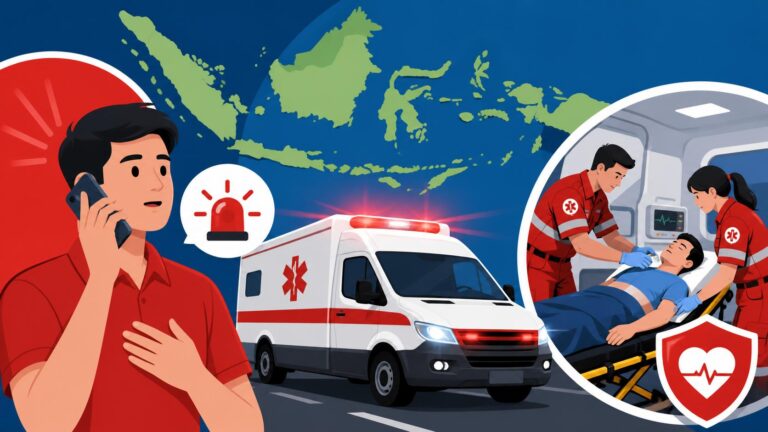
In an emergency, the "standard" western response of calling a single number and expecting an ambulance in ten minutes doesn't always apply here, primarily due to the legendary traffic in cities like Jakarta or the narrow "gang" roads in Bali. You must memorize the Emergency Numbers in Indonesia: 118/119 for Ambulance and What to Expect, but you should also have the direct landline of the closest private hospital saved in your phone. Often, calling a private hospital's ambulance dispatch is faster than the municipal service.
Finding a doctor who speaks your language and understands your cultural context is the final piece of the 30-day puzzle. If you are based in the capital, spend an afternoon Finding an English-Speaking Clinic in South Jakarta (Kemang and SCBD) so you aren't searching for one while you're in pain. For those in the island of the gods, the needs are different, often involving trauma care for scooter accidents or specialized hydration clinics.
Your mental health is just as important as your physical safety. The "expat blues" usually hit around the three-week mark once the initial excitement wears off and the reality of the bureaucracy sets in. Finding a support system is vital, and there are several resources for Mental Health Care: Accessing Therapy and Psychiatry as an Expat in Indonesia that offer English-speaking counselors. Many of these professionals work out of the same private hospitals covered by Cigna Global, making it easier to integrate mental wellness into your overall healthcare plan.
Lastly, ensure you are compliant with local laws regarding your existing prescriptions. Review the guidelines for Bringing Medication Into Indonesia: Customs Rules, Limits, and Required Letters to make sure you aren't inadvertently carrying something that could be flagged by customs. Indonesia has very strict drug laws, and even some common ADHD or anxiety medications require specific documentation from your home country to be legal here.
Your Health Maintenance Strategy
By the end of your first month, you should have a "Go-Bag" of health essentials and a phone filled with the necessary contacts and apps. Living in Indonesia is an incredible experience, but it rewards the prepared. Don't let a preventable health issue derail your journey. Whether it's ensuring your Cigna Global policy is active or placing your first order of essential supplements on iHerb, taking these small steps in your first 30 days will provide the peace of mind needed to truly enjoy your new life in the archipelago.
Establish a routine for checking your hydration and skin health daily. The tropical sun is significantly stronger than in temperate climates, and the cumulative effect of heat exhaustion can sneak up on you. If you are planning to stay long-term, your 30-day mark is also the perfect time to schedule a baseline Healthcare in Indonesia for Foreign Residents: Complete System Overview (2027) checkup at a local clinic. This helps you establish a relationship with a local practitioner before an actual medical crisis occurs, ensuring you are a known patient in their system.
Disclaimer
This guide is intended for informational purposes only and does not constitute professional medical advice, diagnosis, or treatment. Always seek the advice of your physician or other qualified health provider with any questions you may have regarding a medical condition. The Indonesian medical system and visa regulations are subject to frequent changes; always verify current requirements with official government sources or your legal representative before making health or insurance decisions.