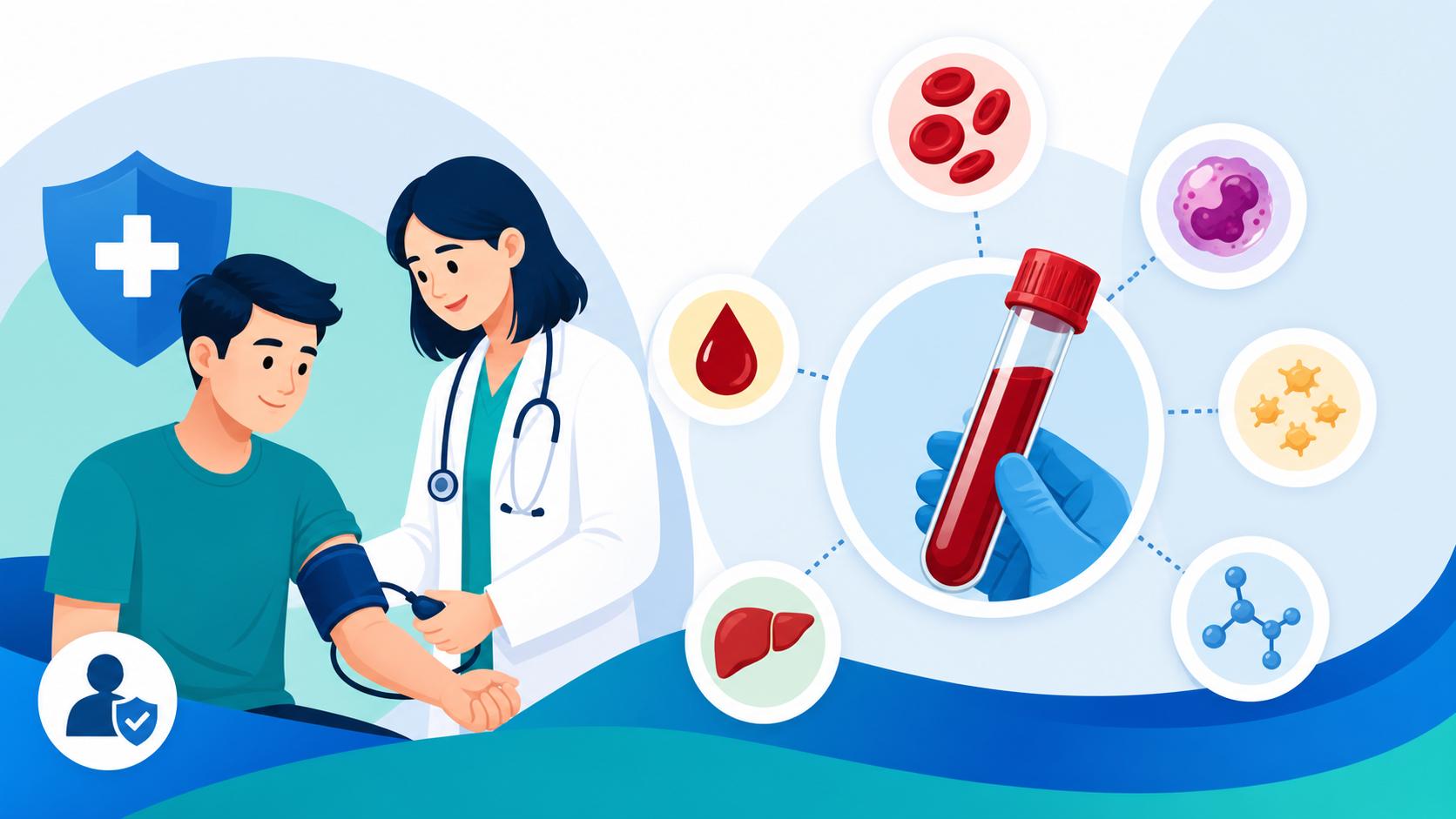
Standard Medical Checkups (MCU): Understanding the Blood Panel Options
Navigating the Indonesian medical system often feels like trying to solve a puzzle where the instructions are written in a mix of medical jargon and high-level Bahasa Indonesia. I remember my first time standing in a lab in South Jakarta, clutching a printout with "Tinggi" printed in bold red next to several values I couldn't even pronounce, feeling a wave of panic that I was surely falling apart. This guide clarifies the world of Standard Medical Checkups (MCU) in Indonesia, deconstructing blood panel options so you can manage your health with confidence rather than confusion.
Why Regular Medical Checkups are Non-Negotiable in the Tropics
When you first move to Indonesia, your body undergoes a silent but significant transition. Between the relentless humidity, the shift toward a diet richer in palm oil and carbohydrates, and the different microbial environment, your baseline health can shift faster than you might expect. I have seen many fellow expats ignore their routine screenings, only to find that two years of "living the dream" in Bali or working high-stress hours in the SCBD has led to spiking cholesterol or blood sugar levels.
In Indonesia, the concept of a Medical Checkup, or MCU, is highly formalized. Most major hospitals and independent laboratories offer tiered "packages" (Paket) rather than a menu of individual tests. This can be frustrating if you are used to a GP ordering exactly three specific markers. However, the package system is actually quite cost-effective once you understand how to choose the right one. For those of us keeping a close eye on our long-term wellness, having a comprehensive Health Checklist for Your First 30 Days in Jakarta or Bali is a great way to start, but the annual MCU is the real gold standard for staying ahead of tropical fatigue and metabolic changes.
If your results come back showing minor deficiencies, many expats turn to iHerb to source high-quality vitamins that can be hard to find in local pharmacies. However, before you start self-supplementing, you need to know exactly what is happening in your bloodstream. While many of us rely on Private Health Insurance in Indonesia: Bridging the Gap When BPJS Isn't Enough, it is important to check if your specific policy covers preventive MCUs, as some plans require a rider for wellness checkups. Cigna Global, for instance, often offers options that include routine screenings, which can save you a significant out-of-pocket expense at premium facilities.
Deconstructing the Indonesian Blood Panel
When you walk into a lab like Prodia or Pramita, you will likely be handed a brochure with names like "Paket Wellness" or "Basic MCU." These can be overwhelming. To help you navigate the jargon, let’s break down the most common components you will find in an Indonesian blood panel.
Hematologi Lengkap (Complete Blood Count)
This is the foundation of any blood test. It measures your red and white blood cells and platelets. In Indonesia, this is particularly critical for monitoring your immune response to local infections. If your white blood cell count is off, it might be the first indicator of a lingering tropical bug. This test is also vital for those managing Dengue Fever and Malaria Prevention: Vaccines, Treatments, and Local Realities, as it tracks the platelet levels that are so crucial during a Dengue infection.
Fungsi Hati (Liver Function)
Indonesian panels almost always include SGOT and SGPT (sometimes labeled as AST and ALT). High levels here are common among expats who may be overindulging in the local nightlife or whose systems are stressed by the medications sometimes needed for tropical ailments. If you see "Tinggi" (High) here, it’s a signal to scale back and perhaps consult a specialist about liver health.
Profil Lemak (Lipid Profile)
This is where the "Indonesian diet effect" usually shows up. The panel will measure Total Cholesterol, HDL (good), LDL (bad), and Triglycerides. Many newcomers find their triglycerides skyrocket due to the delicious, yet fried, nature of local staples like Nasi Goreng or Kerupuk. Monitoring these levels annually is essential to avoid long-term cardiovascular issues while living here.
Fungsi Ginjal and Asam Urat (Kidney Function and Uric Acid)
You will see Ureum and Kreatinin to check your kidneys. But the one that surprises most foreigners is "Asam Urat" (Uric Acid). In Indonesia, Asam Urat is a very common topic of conversation, even among locals. The high consumption of organ meats, certain beans, and seafood in the local diet can lead to gout. If your Asam Urat is high, it’s a direct prompt to look at your purine intake.
| Test Term (Bahasa Indonesia) | English Equivalent | What it Monitors |
|---|---|---|
| Hematologi Lengkap | CBC | Anemia, Infection, Platelets |
| Gula Darah Puasa | Fasting Blood Sugar | Diabetes risk |
| SGOT / SGPT | Liver Enzymes | Liver stress or damage |
| Ureum / Kreatinin | Urea / Creatinine | Kidney filtration |
| Asam Urat | Uric Acid | Gout risk and protein metabolism |
| Kolesterol Total | Total Cholesterol | Cardiovascular health |
For a more granular look at these terms, I highly recommend reading our specialized guide on Reading Indonesian Lab Results: Common Terms (Kolesterol, Asam Urat) Explained.
Choosing Your Facility: Labs vs. Hospitals
One of the best things about the Indonesian healthcare landscape is the prevalence of high-quality independent laboratories. You do not always need a doctor's referral to get a blood panel done. This is a level of medical autonomy that many find refreshing compared to their home countries.
Independent Laboratories (Prodia, Pramita, Kimia Farma)
If you are just looking for your annual numbers and don't feel "sick," going directly to a lab is often the most efficient route. Prodia, for instance, is the largest network in the country and is highly standardized. You can walk in, choose a package, and have your results via a PDF or their mobile app within 24 hours. Many expats prefer Blood Tests Without a Doctor’s Note: Using Prodia or Pramita Labs Directly because it bypasses the hospital wait times and consultation fees.
International and Private Hospitals
If you prefer a more "all-in-one" experience where a doctor sits down with you to explain the results immediately, then a hospital MCU department is better. Facilities like Siloam, RS Pondok Indah, or BIMC in Bali have dedicated MCU wings. They often include extra tests like Chest X-rays (Rontgen Dada) or EKGs as part of their standard packages. You can find more details in our Finding Medical Care in Indonesia: Clinics, Hospitals, and International Facilities guide.
If you are based in the capital, you might want to look at the Jakarta Healthcare Guide for Expats: International Clinics and After-Hours Options for locations that cater specifically to the international community with English-speaking staff. Similarly, those on the Island of the Gods should consult the Bali Healthcare Guide: Hospitals, Clinics, and Emergency Contacts for Residents to find the most reliable spots in Sanur or Nusa Dua.
Navigating the Logistics of Your Appointment
Actually getting the test done requires a bit of "Indonesian-style" patience and preparation. Most comprehensive blood panels require "Puasa" (fasting). This usually means no food or flavored drinks for 10 to 12 hours before the draw—water is typically fine, but always double-check with the lab the day before.
When you arrive, the process usually goes like this:
- Registration: You will need your passport or KITAS. If you have an NPWP (Tax ID), some labs ask for it, though it’s rarely mandatory for the medical side.
- Consultation (Optional): Some labs have a "Doctor on Duty" who will ask about your symptoms to help you pick the right "Paket."
- Payment: Most labs require payment upfront. This is where your Cigna Global card or other private insurance might come into play if they have a cashless arrangement.
- The Draw: The technicians (Perawat or Analis) in these labs are usually extremely skilled because they perform hundreds of draws a day.
After the test, if you find you need to adjust your diet or supplement intake, browsing iHerb for specialized products like Omega-3s or high-potency probiotics is a common expat workaround for the sometimes limited selection in local "Apoteks." Always remember to keep your digital results filed away; you will need them if you ever need to prove your health status for a Preventive Health Checkups (MCU): What to Expect and How to Read Lab Results review during a visa renewal or employment change.
Interpreting the Results and Next Steps
Once that PDF hits your WhatsApp or email, don't panic at the red markers. Indonesian reference ranges can sometimes vary slightly from what you might see in Europe or North America. It is always wise to take your results to a GP for a proper "Consul." If you don't have a regular doctor yet, looking into Finding Medical Care in Indonesia: Clinics, Hospitals, and International Facilities can help you find a practitioner who understands the expat context.
If the results indicate a chronic shift, such as the early stages of hypertension or "pre-diabetes," don't despair. The lifestyle here—while challenging in terms of heat and traffic—also offers incredible access to fresh fruits, affordable personal trainers, and world-class wellness retreats. Many of us use our annual MCU results as a "reset button" to clean up our habits.
Lastly, make sure you understand how your MCU fits into the broader social security system if you are working here. While BPJS covers many things, it doesn't typically cover elective, comprehensive "Executive MCUs." To understand how to balance the two, our guide on Private Health Insurance in Indonesia: Bridging the Gap When BPJS Isn't Enough is an essential read for any long-term resident.
Disclaimer
The information provided in this article is for educational and informational purposes only and is not intended as medical advice. Always seek the advice of a qualified healthcare provider in Indonesia regarding any medical condition or before undergoing any medical tests. The author is an expat sharing personal experiences and research, not a licensed medical professional. External service providers mentioned are for contextual reference and do not constitute an endorsement.