Blood Tests Without a Doctor’s Note: Using Prodia or Pramita Labs Directly
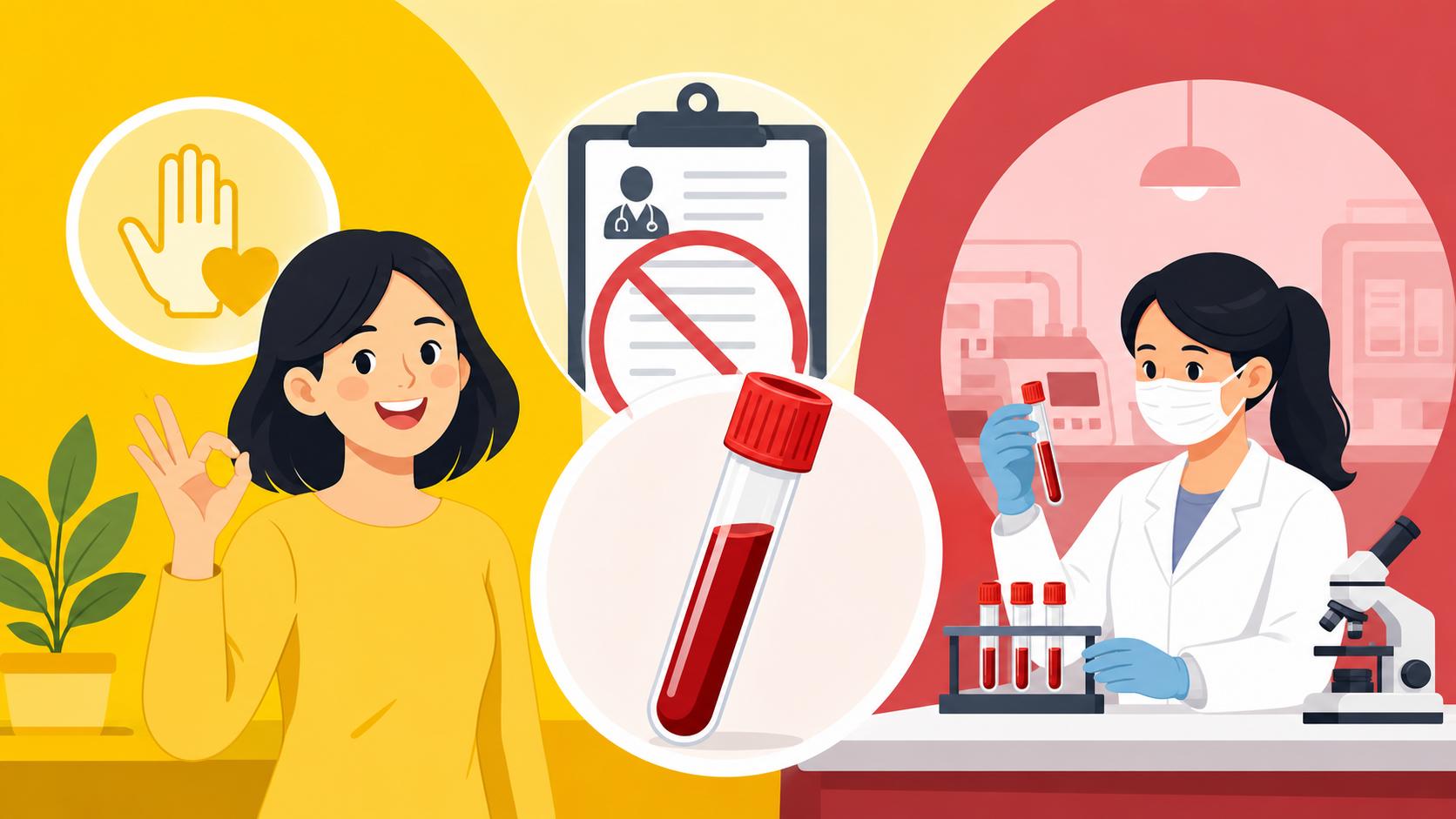
Trying to navigate the Indonesian healthcare system often feels like you are stuck in a never-ending loop of referrals and paperwork just to get a simple health update. I remember my first year in Jakarta, spending four hours in legendary traffic just to see a GP for a referral to check my cholesterol, only to realize I could have walked into a lab myself. This guide solves that frustration by detailing how you can access professional blood tests and diagnostics at Prodia or Pramita labs directly, bypassing the doctor’s office entirely.
Why Skip the Doctor? The Expat Context in Indonesia
For many of us living in the Big Durian or the jungles of Bali, time is our most precious commodity. The traditional medical route in Indonesia typically involves visiting a primary clinic or a hospital, waiting for a consultation, and then receiving a "Surat Pengantar Dokter" (doctor’s referral note) to take to the laboratory. While this is the standard procedure for those using BPJS Kesehatan for Expats: Registration, Costs, and the New KRIS System, it can be incredibly cumbersome for routine monitoring.
The beauty of the Indonesian private diagnostic market is the "walk-in" culture. Labs like Prodia and Pramita operate as independent entities. They understand that many residents are proactive about their health and don't want to pay a consultation fee just to ask for a Vitamin D or HbA1c test. This direct access is particularly useful if you are managing chronic conditions or simply want a baseline before starting a new fitness regime. However, keep in mind that while you can order the tests, you’ll need to understand the data afterward. I highly recommend bookmarking Reading Indonesian Lab Results: Common Terms (Kolesterol, Asam Urat) Explained to help you decipher the Indonesian terminology you will inevitably encounter on your result sheet.
Furthermore, if you are carrying Private Health Insurance in Indonesia: Bridging the Gap When BPJS Isn't Enough, you might find that direct lab visits are occasionally reimbursable depending on your policy. Brands like Cigna Global often provide comprehensive outpatient benefits that can cover diagnostic tests, though you should always check if they require a doctor's signature for the claim to be valid. Even if paying out of pocket, the cost-to-convenience ratio of going direct is often heavily in favor of the lab visit.
Leading Diagnostic Centers: Prodia vs. Pramita
When you start looking for a lab, two names will dominate your search: Prodia and Pramita. Both are highly professional, ISO-certified, and have branches in almost every major city. However, they do have slightly different "vibes" and service offerings that might influence your choice.
Prodia: The "Gold Standard" Experience
Prodia is arguably the most famous clinical laboratory in Indonesia. Their branches, especially the "Prodia Tower" in Central Jakarta or their flagship spots in Surabaya and Medan, feel more like high-end boutique hotels than medical facilities. They have invested heavily in their digital presence, which is a massive win for expats who prefer managing their life through an app.
The Prodia Mobile app allows you to browse every single test they offer, see the exact price in Rupiah, and even book your appointment. This transparency is refreshing in a country where "hidden costs" can sometimes be a concern. When you walk into a Prodia, the staff—usually referred to as "Customer Service" rather than just reception—are well-trained and often speak functional English. If you find yourself struggling with the technical names of tests, you might want to look into Medical Translation in Indonesia: When to Use It and Where to Find Interpreters for a quick list of common medical terms.
Pramita: The Comprehensive Alternative
Pramita is often the preferred choice for those who want a one-stop-shop that goes beyond just blood work. While Prodia focuses heavily on clinical pathology and molecular diagnostics, Pramita frequently has more extensive radiology services on-site, such as X-rays, EKGs, and even treadmill tests in their larger branches.
In my experience, Pramita’s "Medical Check-Up" (MCU) packages can be slightly more competitively priced than Prodia’s premium offerings. They often run promotions during national holidays or health months (like World Heart Day). If you are looking for Standard Medical Checkups (MCU): Understanding the Blood Panel Options, Pramita’s menu is exhaustive. Their branches might feel a bit more "clinical" and less "lifestyle" than Prodia, but the accuracy and professionalism are top-tier.
The Step-by-Step Process: From Walk-in to Results
Walking into an Indonesian lab for the first time can be intimidating if you don't know the protocol. Here is exactly how it goes down so you can walk in like a local.
Choosing Your Tests and Fasting Requirements
Before you even leave your house, you need to know what you want. You can either pick individual tests (like "Zat Besi" for Iron) or choose a pre-set panel. Most people go for the "Panel Check-Up" which covers the basics: hematology, liver function, kidney function, and lipids.
Crucially, you must check if your tests require "Puasa" (fasting). For most metabolic panels, you will need to fast for 10 to 12 hours. You are usually allowed to drink plain water, but nothing else. I usually try to get to the lab by 7:30 AM to get the blood draw over with so I can head straight for a coffee afterward. If you are in the capital, you can find many branches in areas like Kemang or Menteng; check our Jakarta Healthcare Guide for Expats: International Clinics and After-Hours Options for location context.
Registration and the "Antrian" System
Upon entering, you will usually be greeted by a security guard or a concierge who will give you a queue number (antrian). When your number is called, you’ll head to the registration desk. You will need:
- Your Passport or KITAS (they need a form of ID to create your patient file).
- Your NPWP (Tax ID) if you have one, though it’s not always mandatory for the test itself.
- An Indonesian phone number (this is vital for receiving your results).
The staff will confirm your choices. This is the moment where you should ask about any current "promo" or discount. Sometimes, paying with specific credit cards or e-wallets like GoPay can shave 10-15% off the bill.
The Collection and Result Delivery
Once the paperwork is done and you've paid, you’ll be called into a collection room. The phlebotomists at these labs are usually some of the best in the country—they do this all day, every day, so "difficult veins" are rarely an issue.
After the blood draw, you are free to go. You don't need to wait around for the results. Almost all labs now offer digital results. Within 24 to 48 hours (depending on the complexity of the test), you will receive a WhatsApp message or an email with a PDF link. You can also access these through the Prodia or Pramita apps. This is a lifesaver for Healthcare Budgeting: BPJS Caps, Out-of-Pocket Costs, and Private Copays, as it saves you a second trip to the clinic just to pick up a piece of paper.
Popular Blood Test Panels for Expats
Choosing individual tests can be more expensive than picking a package. Below is a comparison of what you can typically expect from the "Standard" vs. "Premium" packages available at these labs.
| Feature / Package | Basic Routine Panel | Comprehensive MCU | Wellness / Hormone Panel |
|---|---|---|---|
| Typical Cost (IDR) | 800,000 – 1,200,000 | 2,500,000 – 4,500,000 | 5,000,000+ |
| Core Blood Tests | CBC, Glucose, Cholesterol | CBC, Full Lipid, Liver, Kidney | All MCU + Hormones (T3/T4/Testosterone) |
| Additional Tests | Urine Analysis | Urine, Stool, ECG, Chest X-Ray | Vital Vitamins (D, B12), Ferritin |
| Fasting Required | Yes (10-12 hours) | Yes (12 hours) | Depends on specific hormones |
| Best For | Annual baseline | Full health clearance | Fatigue or specific deficiencies |
If your results come back showing deficiencies—common ones for expats in Indonesia include Vitamin D (surprisingly, as we stay out of the midday sun) or Iron—you don't necessarily need a prescription for basic supplements. You can find high-quality options at local pharmacies or order from international sites like iHerb, which ships reliably to Indonesia. Just ensure you are aware of the Apotek Guide: Prescription Workflow, Refills, and Communicating with Pharmacists before you start self-medicating.
Home Service: The Ultimate Convenience
If the thought of battling traffic in Surabaya or Jakarta makes you want to cancel your health check altogether, both Prodia and Pramita offer "Home Service." For a small additional fee (usually between IDR 50,000 and 150,000), a nurse will come to your house or office to collect the samples.
I have used this service multiple times when I had a busy workday. You book the time slot via the app, the nurse arrives in full PPE, performs the draw at your dining table, and goes on their way. It is exceptionally efficient. For those living in more remote areas of Bali, this might be more limited, so you should check our Bali Healthcare Guide: Hospitals, Clinics, and Emergency Contacts for Residents to see which facilities offer mobile services in your specific "Banjar."
Legal and Medical Considerations
While the "Direct-to-Consumer" lab model is fantastic for autonomy, it comes with a responsibility to be your own advocate. These labs will provide you with the data and a "reference range," but they are not legally allowed to provide a diagnosis or medical advice over the counter.
If your results show a "Red" flag (values outside the normal range), your next step must be to consult a professional. Do not try to Dr. Google your way through a high Creatinine or low Platelet count. Use your lab results as the foundation for a productive conversation with a doctor. You can find vetted practitioners through Finding English-Speaking Doctors in Indonesia: Reliable Directories and Vetting to ensure nothing is lost in translation.
Also, keep in mind that for certain specialized tests, like those for tropical diseases (Dengue, Malaria, Typhoid), the timing of the test is critical. If you are currently symptomatic with a high fever, skipping the doctor might be dangerous. In those cases, head to an ER or an international clinic. Check Emergency Medical Care in Indonesia: Ambulances, ERs, and Evacuation Protocols for the correct steps in an acute health crisis.
Supplementing Your Health Journey
Once you have your results in hand, you might find that you need to adjust your lifestyle. Many expats find that the transition to the Indonesian climate and diet affects their gut health or energy levels. After getting my blood work back and seeing low magnesium levels, I started sourcing my supplements through iHerb because they carry the specific "clean" brands I used back home.
If your lab results are for a more serious matter, such as preparing for a surgery or managing a long-term condition, ensure that your records are kept safely. Most Indonesian labs keep digital archives, but it's always wise to download the PDFs and upload them to a cloud service. If you are insured through Cigna Global, these digital records are often sufficient for their claim portals, making the reimbursement process much smoother than dealing with physical receipts that tend to fade in the tropical humidity.
Disclaimer
This guide is for informational purposes only and does not constitute medical advice. While laboratories in Indonesia allow for direct testing without a doctor’s referral, the interpretation of lab results should always be performed by a qualified medical professional. Always consult with a licensed physician regarding any health concerns or before making changes to your medical treatment plan. Neither the author nor this publication is responsible for any self-diagnosis or self-treatment based on laboratory data.