Finding Medical Care in Indonesia: Clinics, Hospitals, and International Facilities
Navigating the Indonesian healthcare system can feel like trying to find a specific street in Jakarta's maze-like neighborhoods without a GPS—confusing, humid, and occasionally overwhelming. I still remember the sheer panic of my first tropical fever where I didn't know if I needed a local "apotek" or a full-scale emergency room. This guide breaks down exactly how to find reliable medical care, from local clinics to international-standard hospitals, so you never have to panic in an emergency.
Understanding the Hierarchy of Indonesian Medical Facilities
When you first arrive, the sheer variety of medical signs can be dizzying. You will see everything from tiny "Praktek Dokter" (private doctor practices) to massive "Rumah Sakit" (hospitals). Understanding where to go for what level of care is the first step in avoiding unnecessary wait times and ensuring you receive the treatment you need. For a broader look at how the entire infrastructure functions, you should read our Healthcare in Indonesia for Foreign Residents: Complete System Overview (2027) which details the legal and structural side of things.
Puskesmas and Local Public Clinics
The Puskesmas (Pusat Kesehatan Masyarakat) is the backbone of the Indonesian public health system. These are community health centers found in every sub-district. While they are incredibly affordable and essential for the local population, most expats find them challenging due to long queues and a frequent lack of English-speaking staff. However, they are excellent for routine vaccinations or if you are in a remote area and need immediate basic stabilization.
In my experience, if you are living in a rural part of Central Java or a remote beach in Lombok, the Puskesmas might be your only immediate option. They are generally clean but basic. You won't find high-end diagnostic equipment like MRI machines here. If you are using the national health insurance, you will likely start here as your primary care provider. For more details on this, check out our guide on Choosing a Primary Clinic (Faskes Tingkat 1) vs Going Direct to a Hospital.
Private Clinics and Medical Centers
Private clinics are where most expats spend their time for non-emergencies. Facilities like SOS Medika or Global Assistance in Jakarta offer a level of service that feels very familiar to Westerners. These clinics usually have English-speaking receptionists, a streamlined appointment system, and doctors who have often trained abroad. They are perfect for "Bali Belly," routine blood tests, or a lingering cough that won't go away.
The beauty of these private medical centers is that they often house a pharmacy, a laboratory, and several specialists under one roof. When I had a recurring sinus infection in South Jakarta, I was able to see a GP, get an X-ray, and pick up my antibiotics all within two hours. This efficiency is why many prefer these hubs over larger hospitals for day-to-day issues. You can find more specific local recommendations in our Jakarta Healthcare Guide for Expats: International Clinics and After-Hours Options.
Full-Scale Hospitals (Rumah Sakit)
In Indonesia, hospitals are categorized by letters (A, B, C, D) based on their facilities and the number of specialists available. Class A hospitals are the most advanced. For major surgeries or complex diagnostic needs, you want a Class A or B private hospital. Names like Siloam, Mayapada, and Medistra are the "gold standards" in the private sector. They provide VIP wings that look more like five-star hotels than medical facilities, which can be a huge comfort when you are far from home.
It is important to note that even in top-tier hospitals, the quality of nursing care can vary significantly compared to what you might be used to in Europe or North America. In Indonesia, it is culturally expected that family members stay with the patient to help with feeding and basic comfort. As an expat, you might need to hire a private nurse if you don't have family nearby. For a deeper look at one of the biggest networks, see our Siloam Hospitals Overview: What Expats Should Know About the Network.
International Hospitals and Expat Friendly Facilities
While "International Hospital" is a term often used in marketing, there are specific facilities in Indonesia that have earned the trust of the foreign community through decades of consistent service. These facilities prioritize English communication and have administrative departments specifically designed to handle international health insurance claims.
Top Facilities in Jakarta and Java
Jakarta is the medical hub of the country. If you have a serious condition, this is where you want to be. Hospitals like Medistra (Kuningan) and Pondok Indah Hospital (RSPI) are favorites for their high concentration of specialists. If you are looking for a more "Western-style" boutique clinic experience, SOS Medika in Cipete or Mega Kuningan is hard to beat. They understand the nuances of expat life, including the documentation needed for work visas or school admissions.
Beyond Jakarta, Surabaya also offers excellent care, particularly at Siloam Surabaya or National Hospital. These facilities are often less crowded than their Jakarta counterparts but offer the same level of technology. When choosing a facility, always check if they have a dedicated "International Patient Wing." These wings often provide a concierge service to help you navigate the billing and referral process, which can be quite opaque.
Trusted Care in Bali
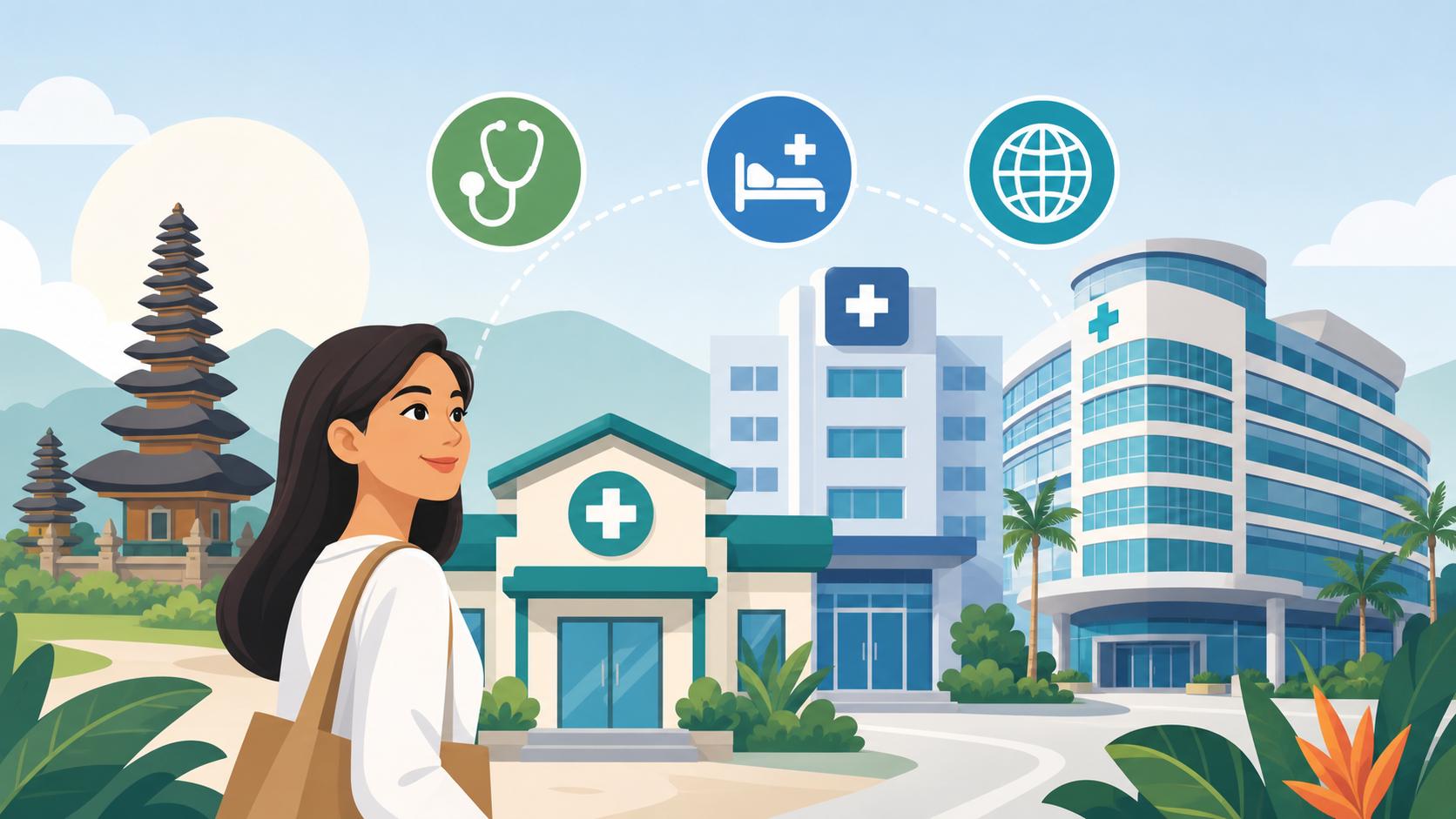
Bali’s healthcare landscape has improved dramatically over the last decade. No longer do you have to fly to Singapore for every minor fracture. BIMC (Bali International Medical Centre) has locations in Kuta and Nusa Dua and is JCI accredited, meaning it meets rigorous international standards. They are particularly well-regarded for emergency care and cosmetic procedures.
Siloam Denpasar is another heavy hitter, offering a 24-hour emergency department that is very used to dealing with tourist and expat accidents. If you are living in the northern or western parts of the island, care can be more localized, so many residents keep a "medical go-bag" ready for a trip down south if something serious happens. For a localized list of contacts, refer to the Bali Healthcare Guide: Hospitals, Clinics, and Emergency Contacts for Residents.
Comparing Hospital Types for Expats
| Feature | Puskesmas (Public) | Private Clinic (International) | Private Hospital (Tier 1) |
|---|---|---|---|
| Language | Primarily Bahasa Indonesia | High English Proficiency | Moderate to High English |
| Cost | Very Low (IDR 10k – 50k) | High (IDR 500k – 2M+) | High (Varies by Class) |
| Wait Times | Long (1-4 hours) | Short (Scheduled) | Moderate (ER is fast) |
| Equipment | Basic | Diagnostic / Lab | Advanced / Surgery / ICU |
| Insurance | BPJS Primarily | Private / International | BPJS & Private |
| Best For | Basic Vax / Remote areas | Routine Illness / Checkups | Surgery / Major Trauma |
Navigating Specialists and the Referral System
Finding a specialist in Indonesia can sometimes feel like a word-of-mouth game. While you can search online, most expats find their doctors through community groups or recommendations from their General Practitioner. The system for seeing a specialist depends heavily on whether you are paying out-of-pocket or using insurance.
The Referral (Rujukan) Process
If you are using the national insurance system, you cannot simply walk into a specialist's office. You must first visit your primary clinic (Faskes 1) and receive a "Rujukan" or referral letter. Without this, the cost of the specialist will not be covered. This can be a point of frustration for many foreigners who are used to direct access. To understand the complexities of this mandate, read Mandatory BPJS Enrollment: Who Must Register and Employer Obligations.
For those using private insurance like Cigna Global, the process is much simpler. You can usually book directly with a specialist at a private hospital. However, I always recommend calling the hospital first to confirm which days your specific doctor is "praktek" (practicing). Indonesian doctors often split their time between multiple hospitals, so "Dr. Santoso" might only be at Siloam on Tuesdays and Thursdays.
Finding English-Speaking Specialists
Finding a doctor who speaks fluent English is usually easy in major cities, but "fluent" can be subjective. Many doctors have studied in Australia, the US, or the UK and will have their degrees displayed on the wall. If you are seeking care for something sensitive, like Mental Health in Indonesia: Counseling, Psychiatry, and Support for Expats, finding a cultural and linguistic match is even more critical.
When you call to make an appointment, don't be afraid to ask the receptionist directly, "Does the doctor speak English well?" Most staff are honest about this. In my experience, even if a doctor's English is limited, they are often very skilled and will use translation apps to ensure they understand your symptoms perfectly. It is a common practice that shows the "can-do" attitude of Indonesian medical professionals.
Emergency Services: What to Do When Seconds Count
The emergency system in Indonesia is not centralized in the way many foreigners expect. While there is a national emergency number (118 or 119), the response time can be hampered by the infamous "macet" (traffic) of cities like Jakarta or the narrow roads of Bali.
Calling an Ambulance
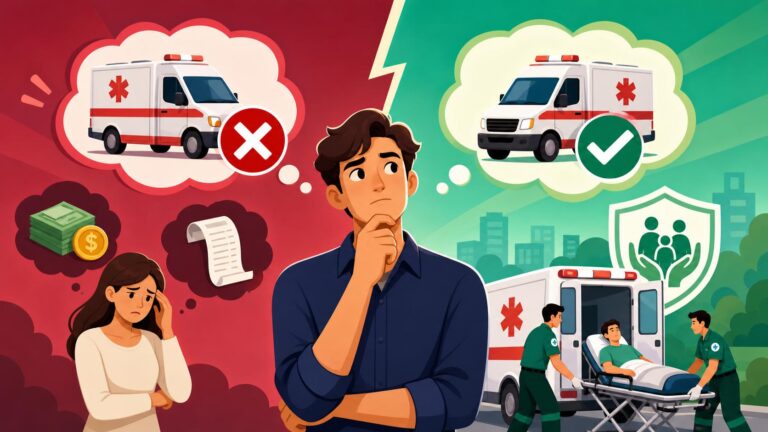
In a true emergency, calling 118 might not be your fastest option. Many private hospitals run their own ambulance fleets which are often better equipped and faster. I highly recommend saving the direct emergency number of the nearest "Siloam" or "BIMC" hospital to your phone contacts the day you move in.
If you are in a situation where an ambulance is delayed, it is very common in Indonesia to take a taxi or a Grab to the hospital. While this sounds scary, "Gojek" and "Grab" drivers are often incredibly helpful in emergency situations. For a step-by-step on what to expect during a crisis, see Emergency Medical Care in Indonesia: Ambulances, ERs, and Evacuation Protocols.
Emergency Room (UGD) Protocols
The Emergency Room in Indonesia is typically called the "UGD" (Unit Gawat Darurat) or "IGD" (Instalasi Gawat Darurat). When you arrive, you will be triaged. One thing that catches many expats off guard is the "payment upfront" culture. Even in an emergency, many hospitals will ask for a deposit or proof of insurance before admitting you to a ward.
This is where having a robust international policy like Cigna Global is a lifesaver. Their "Guarantee of Payment" (GOP) letters are recognized by most major Indonesian hospitals, which can prevent the stress of having to swipe a credit card for thousands of dollars while you are in pain. For more on the documentation you should always keep on hand, read What to Bring to an Indonesian ER: BPJS Card, Passport, and Payment Proof.
Pharmacies and Medication: Beyond the Prescription Pad
The pharmacy, or "Apotek," is a central part of life in Indonesia. You will see them on every corner, usually identifiable by a green cross or the red signs of the Kimia Farma chain. They are often much more than just a place to pick up pills; pharmacists in Indonesia often provide basic medical advice for common ailments.
Buying Medication and OTC Availability
Many medications that require a prescription in your home country might be available over-the-counter (OTC) in Indonesia. However, this is changing as regulations tighten. Always bring your previous prescriptions with you to show the pharmacist. If you are looking for specific Western brands of supplements or specialized health products that aren't available locally, many expats rely on iHerb for international shipping to Indonesia, though you must be careful with customs limits.
It's also worth noting that "Jamu," traditional Indonesian herbal medicine, is often sold alongside modern pharmaceuticals. While many expats swear by "Tolak Angin" for a cold, always consult your doctor before mixing traditional and modern treatments. For a complete guide on navigating these stores, see our Apotek Guide: Prescription Workflow, Refills, and Communicating with Pharmacists.
Managing Chronic Conditions
If you have a chronic condition like diabetes or hypertension, you need to ensure a steady supply of medication. While most common drugs are available, some specialized medications (like specific ADHD meds) are strictly controlled or even banned. I recommend checking our list of Controlled Substances: ADHD and Anxiety Meds Banned in Indonesia before you pack your bags.
For regular vitamins and minerals that keep your immune system strong in a tropical climate, you can find a decent selection at chains like Guardian or Century. Again, for very specific high-potency supplements, iHerb remains a popular choice for the expat community to fill the gaps in local inventory. Just remember to keep your orders under the $500 threshold to avoid heavy import duties.
The Financial Side: Insurance, Out-of-Pocket, and Billing
Healthcare in Indonesia can be a tale of two price tags. On one hand, a visit to a local GP might cost you less than a sandwich back home. On the other, a week in a private ICU can easily run into the tens of thousands of dollars.
Private vs. Public Coverage
As a resident (KITAS/KITAP holder), you are legally required to join BPJS Kesehatan, the national health insurance. It is an amazing system for the price, but it has limitations in terms of wait times and room classes. Most expats choose to "layer" their coverage, using BPJS for the legal requirement and a private policy for actual care. You can read about how they compare in Public vs Private Healthcare in Indonesia: BPJS Kesehatan and Expat Insurance.
Having a policy from Cigna Global is highly recommended because it offers "portability." If you need a procedure that the local hospitals aren't comfortable performing, a good international policy often covers medical evacuation to Singapore or your home country. This peace of mind is invaluable when you're living in a developing nation.
Understanding Hospital Billing
Indonesian hospital bills are incredibly detailed. You will see a charge for every single cotton ball, glove, and pill used. Before you check out, always ask for an "Itemized Bill" (Billing Perincian). Mistakes can happen, and it’s easier to correct them while you are still at the administration desk.
If you are paying out-of-pocket, don't be afraid to ask for the "Estimation of Costs" before a procedure. Most private hospitals are very transparent about this and will provide a written estimate. For more tips on managing your medical finances, check out Healthcare Budgeting: BPJS Caps, Out-of-Pocket Costs, and Private Copays.
Digital Health: Apps and Telemedicine for Expats
Indonesia has one of the most advanced telemedicine ecosystems in the world. When you are feeling too sick to brave the traffic, your smartphone can be your best friend.
Halodoc and Alodokter
Apps like Halodoc and Alodokter have revolutionized how we get medical care. You can chat with a licensed doctor via video or text for a very small fee (often around $2-$5). If they prescribe medication, a Gojek driver will usually deliver it from a local pharmacy to your door within an hour.
I use these apps for skin rashes, minor infections, or just to ask a quick question about a symptom. It saves hours of travel and waiting room time. For a tutorial on setting these up, see How to Book a Doctor Appointment via Halodoc or Alodokter Apps.
Mobile JKN for BPJS Users
If you are using the public system, the Mobile JKN app is essential. It allows you to check your membership status, change your primary clinic, and even queue up digitally for appointments. It is mostly in Bahasa Indonesia, so you might need a local friend to help you navigate it the first time.
Practical Tips for Your First Doctor’s Visit
When you walk into an Indonesian clinic or hospital for the first time, things might feel a bit different. Here are a few "pro-tips" from someone who has been through it dozens of times:
- Bring your Passport/KITAS: Hospitals need this for your registration. A digital copy on your phone is usually enough for the first visit, but have the physical card for admissions.
- The "Antrian" (Queue) System: Even with an appointment, you might have to wait. Bring a book or make sure your phone is charged.
- Dress Code: While Bali is casual, hospitals in Jakarta are more formal. Dressing "sopan" (modestly/neatly) often results in more respectful service.
- Communication: If your doctor's English is struggling, stay patient. Use simple words and avoid slang.
- The Medical Certificate: If you need time off work, you must ask for a "Surat Keterangan Dokter" before you leave. They won't usually offer it automatically.
Finding medical care in Indonesia doesn't have to be a nightmare. By choosing the right facility for your needs and having the right insurance coverage, you can enjoy your life in the tropics knowing you are well-protected.
Disclaimer
This guide is intended for informational purposes only and does not constitute professional medical or legal advice. Healthcare regulations and facility standards in Indonesia can change rapidly. Always consult with a qualified medical professional or your insurance provider regarding your specific health needs and coverage. The author and publisher are not responsible for any actions taken based on the information provided in this article.