How to Request a Medical Interpreter at Local Public Hospitals (RSUD)
Walking into a crowded Indonesian public hospital (RSUD) while in pain is overwhelming enough, but realizing the triage nurse doesn't speak a word of English can trigger instant panic. I remember standing in a humid hallway in South Jakarta, clutching a feverish toddler, and feeling completely helpless because I couldn't explain the symptoms. This guide solves the complex process of requesting and securing a medical interpreter in the public system.
Understanding the Landscape of RSUD Facilities
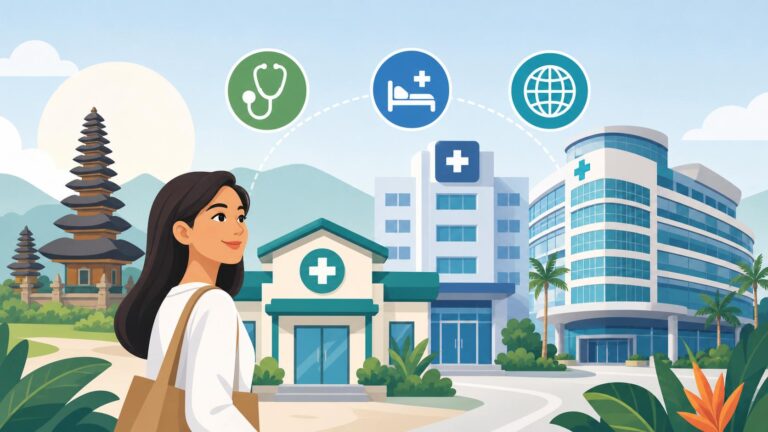
A Rumah Sakit Umum Daerah (RSUD) is a regional public hospital funded by the Indonesian government. Unlike the polished, multi-lingual lobbies of private international chains, an RSUD is where the heart of Indonesian healthcare beats. It is often crowded, loud, and primarily functions in Bahasa Indonesia. While many Indonesian doctors are highly educated and often read medical journals in English, the administrative staff, nurses, and technicians at an RSUD may have limited English proficiency.
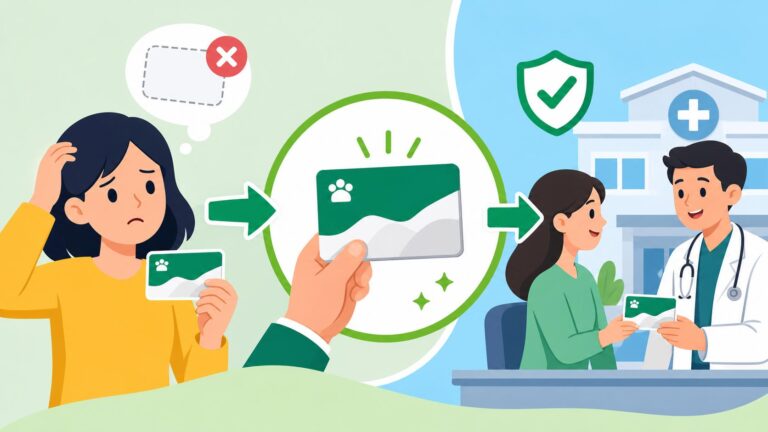
If you are a resident using the national health system, you likely know that Using Your BPJS Card (Kartu JKN): How to Register and Book at Local Faskes is your first step toward getting a referral to an RSUD. However, once you transition from your local clinic to the larger hospital environment, the communication gap widens. Private insurance providers like Cigna Global often recommend private facilities for this very reason, but sometimes an RSUD is your only option due to geographical location or specialized equipment only available in the public sector.
The reality is that most RSUDs do not have a dedicated "Department of Translation." You won't find a desk with a sign that says "English Interpreters Here." Instead, the burden of initiating the request falls on you. You are navigating a system designed for locals, and while the staff is generally incredibly kind and patient, they are also working under high-pressure conditions. Understanding this context is the first step in managing your expectations and successfully getting the help you need.
How to Formally Request Interpretation Assistance
The first point of contact in any RSUD is the "Informasi" (Information) desk or the "Pendaftaran" (Registration) counter. Do not wait until you are inside the doctor’s consultation room to ask for an interpreter. By then, the doctor is often rushing to see the next fifty patients in the queue. You need to flag your language needs the moment you enter the building.
When you reach the information desk, state clearly that you need a "Penerjemah" (translator) or ask, "Apakah ada staf yang bisa berbahasa Inggris?" (Is there any staff who can speak English?). In larger cities like Jakarta or Surabaya, some RSUDs have a public relations (Humas) department. These staff members are often more proficient in English and can be summoned to assist with the administrative part of your visit. It is a good idea to check our Jakarta Healthcare Guide for Expats: International Clinics and After-Hours Options to see how the public system compares to the more English-friendly private alternatives.
If the hospital cannot provide a dedicated staff member, they may look for a nurse or a young resident doctor who is comfortable speaking English. This is an informal arrangement but very common in the Indonesian public system. You must be prepared to wait. In Indonesia, things operate on "jam karet" (rubber time), and finding the one person on shift who can speak your language might take thirty minutes to an hour. Being polite and patient with the "Informasi" staff will get you much further than showing frustration.
Utilizing Technology and Digital Intermediaries
If the RSUD staff is unable to find a human interpreter on-site, you have to get creative. We are lucky to live in an era where technology can bridge many of these gaps. Before you even head to the hospital, ensure you have a local SIM card with plenty of data. I have seen many expats struggle because they relied on hospital Wi-Fi, which is notoriously spotty in public buildings.
Telemedicine apps have revolutionized how foreigners navigate the local system. You can use apps like Halodoc to chat with a doctor in English while you are sitting in the RSUD waiting room. This allows you to verify what the local doctor is telling you or to help translate specific medical terms. For more on this, see How to Book a Doctor Appointment via Halodoc or Alodokter Apps. I’ve personally used these apps to double-check prescription dosages when the handwriting on the "resep" (prescription) was illegible and the pharmacist spoke no English.
Another "pro-tip" is to use a voice-to-text translation app. However, avoid using complex sentences. Instead of saying, "I have been experiencing a dull ache in my lower abdomen for three days which intensifies after I eat," try "Perut sakit. Tiga hari. Sakit setelah makan." (Stomach hurts. Three days. Hurts after eating). Simple, direct language is easier for translation algorithms and non-native speakers to process. While you wait for your appointment, you might want to order some basic wellness supplies from iHerb to keep your immune system up, as public hospitals are prime spots for catching secondary bugs.
Bringing Your Own Support System
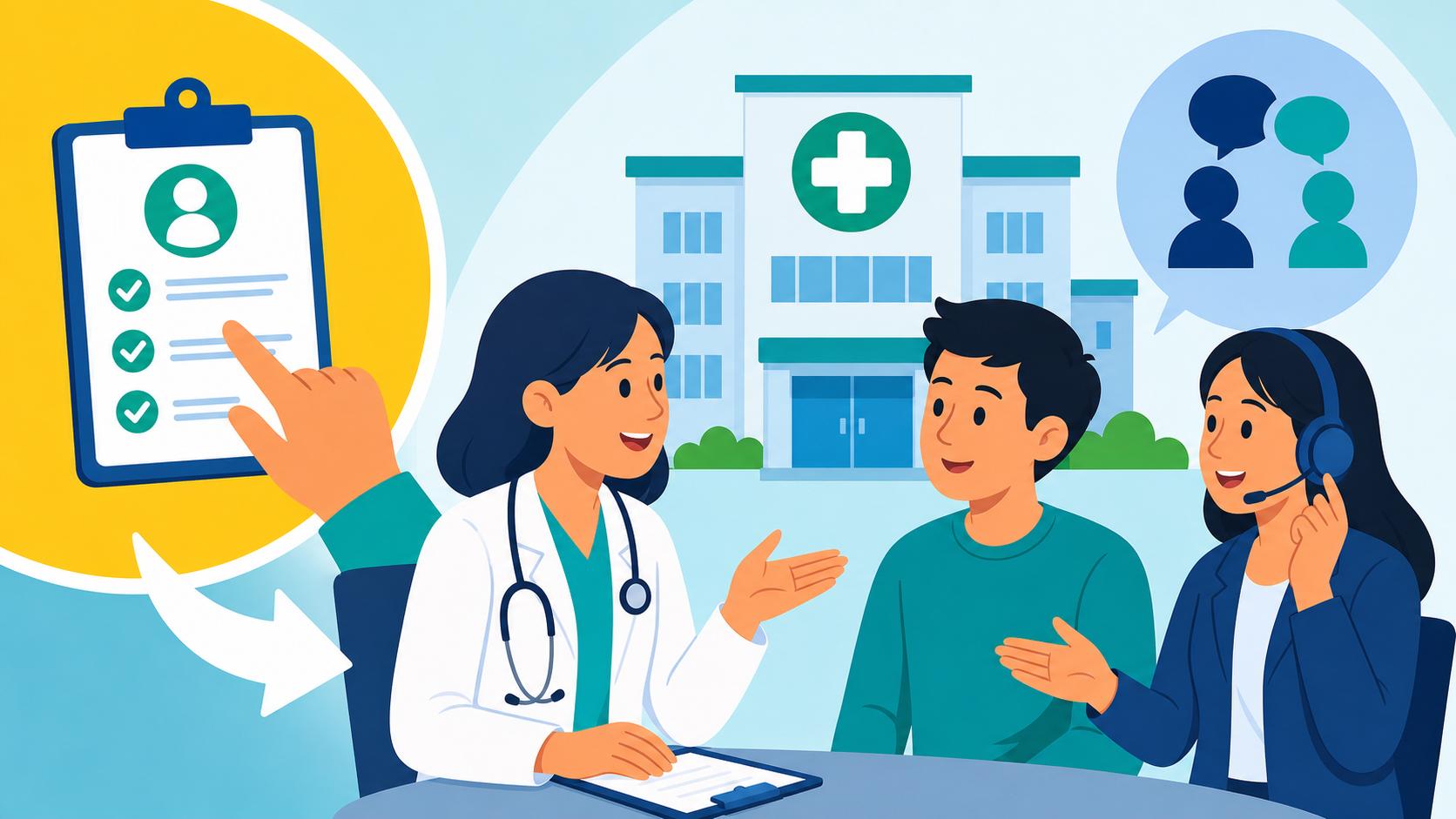
One of the most effective ways to navigate an RSUD is to never go alone. In Indonesian culture, a hospital visit is a family affair. You will see entire families sitting in the corridors supporting a single patient. As an expat, you should try to mimic this "support system" by bringing a local friend, a trusted colleague, or even a professional agent.
If your case is complex—perhaps a surgery or a long-term chronic condition—you should look into Medical Translation in Indonesia: When to Use It and Where to Find Interpreters. Professional medical interpreters understand the terminology that a casual friend might miss. For example, the difference between "numbness" and "tingling" can be hard to explain in Bahasa Indonesia if you aren't familiar with specific medical vocabulary.
If you don't have a professional translator, even having a local "pembantu" (household helper) or a driver come with you can be life-saving. They can handle the "tanya-tanya" (asking around) that is required to find the right room, the right pharmacy window, or the right cashier. They know the cultural nuances of how to ask for a favor from a busy nurse without causing "loss of face." This cultural lubrication is often more valuable than perfect linguistic translation.
Comparison of Interpretation Options at RSUDs
| Option | Availability | Cost | Reliability | Best For |
|---|---|---|---|---|
| Hospital Staff (Humas) | Low to Medium | Free | Moderate | Administrative issues, registration |
| Telemedicine Apps | High | Low (App fee) | High | Verifying diagnosis, medication names |
| Bilingual Friend | Depends on your network | Free/Lunch | Moderate | General support, navigating the building |
| Professional Interpreter | Requires booking | High | Very High | Surgeries, complex diagnoses, legal issues |
| Translation Apps | Immediate | Free | Low to Moderate | Basic symptoms, "Where is the toilet?" |
Navigating Specific Terminology and Cultural Nuances
Indonesian communication is often indirect. When a doctor says "Mungkin" (maybe) or "Kita lihat saja" (we’ll see), it can be frustrating for Westerners who want a definitive diagnosis and a timeline. A medical interpreter isn't just translating words; they are translating these cultural cues. At an RSUD, the doctor is the ultimate authority, and questioning them too aggressively can be perceived as disrespectful.
When you are Finding Medical Care in Indonesia: Clinics, Hospitals, and International Facilities, you'll find that RSUDs are excellent for trauma and tropical diseases because they see thousands of cases a year. They know exactly how to treat Dengue or Typhoid. However, explaining "mental health" or "chronic fatigue" can be much harder. If you are struggling with something less "visible," you might find better support by reading our Mental Health in Indonesia: Counseling, Psychiatry, and Support for Expats guide, as public hospitals often focus on acute physical ailments first.
Make sure to ask for all your results in writing. Even if you don't understand the "Laboratorium" printout, you can take a photo of it and send it to a doctor abroad or use a translation app later. Always ask for the "Salinan Resep" (copy of the prescription). Public hospitals often have their own internal "Apotek," but the queues are legendary. Sometimes it is faster to take the prescription to a private pharmacy. You can check our Apotek Guide: Prescription Workflow, Refills, and Communicating with Pharmacists for more on that.
Emergency Scenarios and Language Barriers
In a true emergency, the rules change. If you are arriving by ambulance, the ER (UGD – Unit Gawat Darurat) staff will prioritize stabilization over communication. This is a high-stress environment where every second counts. If you have an international insurance policy like Cigna Global, you should have their emergency hotline saved in your phone. They can sometimes provide over-the-phone interpretation or coordinate a transfer to a private facility once you are stable.
For those living in major hubs, knowing which public hospital has the best reputation for expat care is vital. For instance, RSUD Bali Mandara in Sanur is quite used to foreigners. In Jakarta, hospitals like RSCM (the national referral hospital) have "Kencana" wings which are more like private hospitals but located within the public complex. These wings almost always have English-speaking staff. For more specific location advice, refer to our Bali Healthcare Guide: Hospitals, Clinics, and Emergency Contacts for Residents.
If you find yourself in an emergency and alone, try to have a "medical card" in your wallet written in Bahasa Indonesia that lists your blood type, allergies, and emergency contact. This "passive interpretation" can save your life when you are unable to speak for yourself. You should also be aware of Emergency Medical Care in Indonesia: Ambulances, ERs, and Evacuation Protocols to understand how the triage system works in these government facilities.
Financial Considerations and Documentation
Requesting an interpreter or extra help doesn't usually cost extra at an RSUD, but it might lead to you being nudged toward the "VIP" or "Executive" wing of the hospital. Most RSUDs have different "classes" of service. If you ask for a high level of English support, they may assume you want Class A or VIP service, which comes with higher out-of-pocket costs.
It is essential to understand Hospital Billing in Indonesia: Avoiding Overcharges and Understanding Inpatient Fees before you agree to any upgrades. While the medical care is often the same, the "service" levels (including the likelihood of English-speaking staff) vary wildly between a standard BPJS ward and a VIP room. If you are paying out-of-pocket, always ask for an "Estimasi Biaya" (cost estimate) before procedures.
Keep every piece of paper. From the "nomor antrean" (queue number) to the final bill. If you plan to claim these costs back from a private provider, the documentation must be impeccable. Often, these documents are only in Bahasa Indonesia. If your insurance company requires English versions, you will need to take these to a certified translator after your hospital visit. It is rarely something the RSUD can provide for you on the spot.
Practical Tips for Your RSUD Visit
- Go Early: Public hospitals start early. Being there at 7:00 AM gives you the best chance of finding "Humas" staff before they are bogged down with the midday rush.
- Dress Respectfully: Wearing "Sopan" (modest) clothing—covering shoulders and knees—shows respect for the local institution and often results in more helpful treatment from staff.
- Bring a Power Bank: You will be using your phone for translation apps and possibly calling friends for help. Don't let your battery die in the middle of a consultation.
- Prepare a Cheat Sheet: Write down your symptoms in Bahasa Indonesia using a tool like Google Translate before you leave the house. Handing a piece of paper to the doctor is much more efficient than trying to pronounce words you aren't sure of.
- Stock Up on Essentials: Public hospitals might not provide the small comforts. Use iHerb to have your own supply of hand sanitizers, masks, and electrolyte packets ready in your "hospital bag."
Navigating the public healthcare system in Indonesia is a rite of passage for many expats. It is rarely easy, but it is a fascinating look into the local culture. By being proactive, using technology, and building a local support network, you can ensure that your medical needs are understood, even in the busiest of government hospitals. Whether you are there for a routine check-up or an emergency, remember that clear communication is a two-way street that requires patience and a bit of "gotong royong" (mutual cooperation).
Disclaimer Regarding Medical Advice
The information provided in this guide is for educational and informational purposes only and does not constitute professional medical advice, diagnosis, or treatment. Always seek the advice of your physician or other qualified health provider with any questions you may have regarding a medical condition. Never disregard professional medical advice or delay in seeking it because of something you have read in this guide. Healthcare regulations and hospital protocols in Indonesia are subject to frequent change; always verify current procedures with the specific facility you are visiting.