Banned from Indonesia: How Long Does a Deportation Blacklist Last?
Nothing strikes fear into the heart of an expat quite like the word "Cekal"—the Indonesian portmanteau for "Cegah" (prevent) and "Tangkal" (deter). I once sat in a coffee shop in Canggu watching a friend receive the phone call that their visa renewal was denied and they had 48 hours to leave, or face a permanent ban. This guide breaks down exactly how the deportation blacklist works and how long you can expect to be barred from the country.
Understanding the Indonesian Blacklist System
The Indonesian immigration system is governed by Law No. 6 of 2011 on Immigration, but the way it is applied on the ground often feels like a moving target. The "Blacklist," officially known as the Daftar Penangkalan, is a centralized database managed by the Directorate General of Immigration in Jakarta. When you are deported, your name is automatically entered into this system. This is not just a note in a file; it is a digital barrier that prevents any airline from issuing you a boarding pass to Indonesia and stops any visa application from being processed by the Molina system.
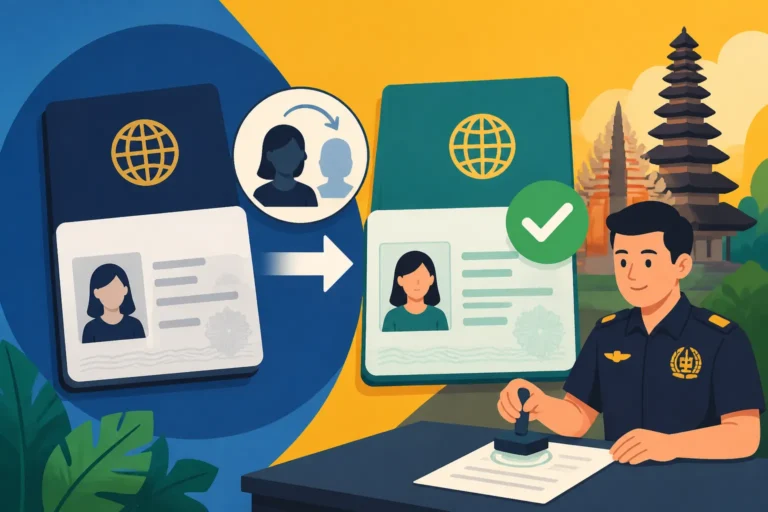
Most foreigners assume that deportation is a single event, but it is actually a two-stage administrative process. First, there is the deportation itself—the physical removal from the country. Second, there is the inclusion in the deterrence list. I’ve met many people who thought that once they paid their fines and left, the "slate was clean." That is rarely the case. If you have been forced out, you are almost certainly on that list, and your ability to return depends on the specific nature of your violation.
It is vital to maintain Immigration Compliance: Address Changes, EPOs, Overstays, and Reporting to avoid ever reaching this stage. The blacklist is effectively a "timeout" for adults, but the consequences are much more severe than just missing out on beach sunsets. It can affect your ability to get visas for other countries, like the US or Australia, as they often ask if you have ever been deported from any nation.
Standard Duration of a Deportation Ban
The most common question I get is: "How long is the ban?" Under current Indonesian regulations, the standard duration for an entry ban following deportation is six months. However, there is a massive catch that many expats overlook. This six-month period is not necessarily a "one and done" deal. The Directorate General of Immigration has the legal authority to extend this ban for another six months at a time, indefinitely.
In practice, for minor administrative errors or moderate overstays, the ban usually expires after the initial six months. But "expired" doesn't mean "deleted." Your name remains in the historical database. If you try to use iVisa to check for a new tourist entry immediately after your six months are up, you might still find your application flagged for manual review because the system remembers your history.
For more serious offenses, such as working without a permit or violating the terms of your stay, a one-year ban is more realistic. In these cases, you’ll want to ensure you have comprehensive health coverage like Cigna Global while you are waiting outside the country, as you won't be able to access any local Indonesian benefits or your BPJS during this period.
Reasons for Being Blacklisted
Not all deportations are created equal. The length of your ban and the likelihood of it being extended depend heavily on why you were kicked out in the first place. Throughout my years in Jakarta and Bali, I’ve seen three main categories of "Blacklist" triggers.
Overstaying Beyond the Limit
If you overstay by a few days, you usually just pay the daily fine at the airport. However, if you overstay by more than 60 days, you are officially in "deportation territory." This is why Overstaying Your Visa in Indonesia: IDR 1,000,000 Daily Fines and Deportation Risk is such a critical topic to understand. Once you hit that 60-day mark, you aren't just paying a fine; you are being processed for an administrative hit that almost always results in a minimum six-month ban.
Working Illegally
This is the big one in Bali right now. I’ve seen digital nomads and yoga instructors deported for "conducting business" on a Visa on Arrival (VoA) and B211A Tourist Visas: What You Can and Cannot Do. If immigration catches you earning money locally or even promoting a local business on Instagram, they view it as a violation of the "sanctity" of the visa. These bans are often stricter and are frequently extended beyond the initial six-month period.
Public Order and Cultural Disrespect
Indonesia has become increasingly sensitive to "disrespectful" behavior. This includes everything from posing inappropriately at sacred temples to getting into fights or violating local Banjar rules in Bali. When the local community reports a foreigner for "disturbing public order," the deportation process is swift. These bans are often high-profile, and immigration uses them to set an example, meaning you are less likely to get a "quiet" six-month expiry.
The Deportation Process and Administrative Reality
When the decision is made to deport you, you don't just walk to the gate. You are typically held in an immigration detention center (Ruang Detensi Imigrasi) until your flight is ready. During this time, you must provide your own ticket, and you must be escorted to the plane by immigration officers. They will hold your passport until you are physically on the aircraft.
Before you leave, you will receive several documents written in Bahasa Indonesia. This is where a service like RushTranslate becomes indispensable. You need to know exactly what the deportation order says. Does it mention a specific timeframe? Is it a "Deportasi" or a "Voluntary Departure"? Having these documents accurately translated is the only way your legal counsel can help you fight the ban later.
You should also be aware that your passport will likely be stamped with a "Red Stamp" or a specific code indicating deportation. This stamp is a scarlet letter in the world of travel. If you are planning to move elsewhere, you’ll need to figure out how to explain this to other immigration authorities. While you’re in this limbo, keeping your international health insurance through Cigna Global active is a smart move, as a deportation stamp can sometimes complicate new applications for local insurance in other countries.
| Offense Category | Typical Ban Duration | Likelihood of Extension |
|---|---|---|
| Overstay (60+ Days) | 6 Months | Low |
| Illegal Work (Digital Nomad) | 6 Months to 1 Year | Moderate |
| Serious Visa Fraud | 1 Year to Permanent | High |
| Criminal Offense (Drugs/Violence) | Permanent | Guaranteed |
| Cultural Disrespect / Public Order | 6 Months to 1 Year | Moderate |
How to Check if You Are Still on the Blacklist
One of the most frustrating parts of the Indonesian "Cekal" system is that they don't send you an email when your ban expires. You are simply expected to know. If you try to book a flight through a site like iVisa and your visa is rejected with a cryptic message about "administrative requirements," there’s a high chance you are still on the list.
To get a definitive answer, you usually have to hire a local agent or have a representative go to the Directorate General of Immigration in Kuningan, Jakarta. They can check the Daftar Penangkalan using your passport number. You cannot usually do this over the phone or via the standard website. I always recommend Dealing with Immigration Agents: How to Vet Biro Jasa and Avoid Scams because there are many "middlemen" who claim they can "erase" your name for a fee. Realistically, only time or a formal rehabilitation request can clear your name.
If you are outside the country, you can try to contact the Indonesian Embassy in your home country, but they often have delayed access to the most recent blacklist updates. They might tell you you’re "clear" based on old data, only for you to be stopped at Arriving on an E-Visa: What to Show the Immigration Officer because the airport system is more up-to-date.
The Request for Rehabilitation: Lifting the Ban
If your six-month ban has passed but you are still being denied entry, you may need to file a formal "Request for Rehabilitation" (Permohonan Rehabilitasi). This is a legal petition to the Director General of Immigration asking for your name to be removed from the Daftar Penangkalan.
This is not a simple letter. It requires:
- A formal letter of apology and an explanation of the circumstances of your deportation.
- Proof that you have paid all previous fines.
- A copy of your deportation order (again, use RushTranslate to ensure your English version is perfect before you send it to your home lawyer for advice).
- A local sponsor (often an Indonesian citizen or a PT PMA) who is willing to "vouch" for your future behavior.
The process of "Pemutihan" (whitening or clearing your name) can take months. It is handled on a case-by-case basis. If you were deported for something like The Blacklist (Cekal): Reasons for Being Banned from Entering Indonesia, you will need a very strong case to be let back in. Even if the ban is lifted, expect extra questioning every time you pass through Ngurah Rai or Soekarno-Hatta for the next few years.
Life After the Blacklist: Can You Ever Really Return
Once you are finally off the list and you successfully use iVisa to get a new entry permit, don't expect a "normal" entry. Your "fingerprint hits" will likely flag you for "Secondary Inspection." I’ve had friends who, after a year-long ban, were pulled into the little back office at the airport every single time they visited for the following three years.
The key is to have all your ducks in a row. Have a valid return ticket, proof of sufficient funds, and a very humble attitude. Never argue with the officer about the past. They have the records in front of them; they know why you were banned.
Before you even think about returning, make sure you have properly closed your previous life in Indonesia. If you left in a hurry, did you get an Exit Permit Only (EPO) vs ERP: Closing Your Visa Before Leaving Indonesia? If not, that "open" visa might still be causing errors in the system. Getting your documents translated by RushTranslate into Bahasa Indonesia to show you’ve settled all debts or legal issues can also help smooth over a skeptical immigration officer's concerns.
Moving Forward Responsibly
If you find yourself on the outside looking in, use that time to reset. Most six-month bans pass quickly if you aren't obsessing over them. The worst thing you can do is try to "sneak" back in through a different passport or by changing your name slightly. Indonesian immigration now uses advanced biometrics—your fingerprints and facial recognition will catch you, and that six-month ban will instantly become a lifetime one.
Stay patient, follow the rules of the country you are currently in, and ensure you have your Cigna Global insurance ready for when you finally make your legitimate return. Indonesia is a country of many chances, but only if you respect the administrative process that governs its borders.
Important Disclaimer
The information provided in this guide is for general informational purposes only and does not constitute legal advice. Immigration laws and enforcement practices in Indonesia change frequently and are subject to the discretion of the Directorate General of Immigration. While I strive to provide accurate and up-to-date information, I cannot guarantee that the rules will not change between the time of writing and your specific situation. Always consult with a qualified Indonesian immigration lawyer or a certified "Biro Jasa" before making any decisions regarding your visa or legal status. I am an expat sharing personal experiences and research, not a legal professional. Using the services mentioned in this article is at your own discretion.