Financial Checklist for Your First 30 Days in Indonesia
Arriving in Indonesia often feels like being dropped into a beautiful but chaotic puzzle where the pieces are labeled in a language you don't yet speak. I remember my first week in Jakarta, staring at a stack of 100,000 Rupiah bills and feeling like a millionaire while simultaneously panicking because no local "warung" could provide change for a "large" ten-dollar note. This guide provides a strategic financial roadmap to ensure your first 30 days are spent building a solid foundation rather than firefighting avoidable administrative disasters.
Establishing Your Local Banking and Payment Infrastructure
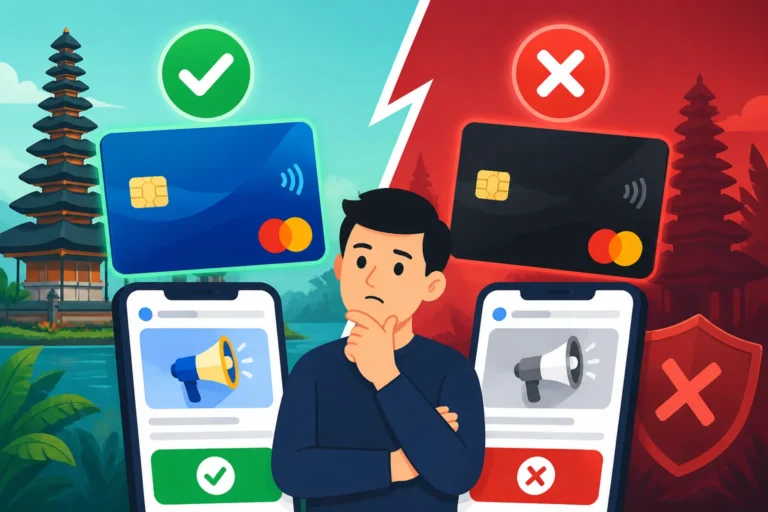
The first 30 days are a race against the limitations of your foreign credit cards. While many expats think they can survive on a travel card indefinitely, the reality of living in Indonesia involves paying for everything from electricity tokens to Gojek rides through local systems. If you rely solely on your home country’s bank, you will quickly find yourself buried under transaction fees and unfavorable exchange rates.
The first step is securing a local bank account. For most of us, BCA (Bank Central Asia) or Bank Mandiri are the go-to choices because their ATM networks are ubiquitous. I personally spent months struggling with a smaller bank before realizing that in Indonesia, ATM availability is king. To open an account, you will typically need your passport and your KITAS (stay permit). Some branches are more "expat-friendly" than others, particularly in areas like Kemang in Jakarta or Sanur in Bali. You should check out the Opening a Bank Account in Indonesia: Document Checklists (KITAS, NPWP, Passport) to ensure you don't get turned away at the door for a missing photocopy.
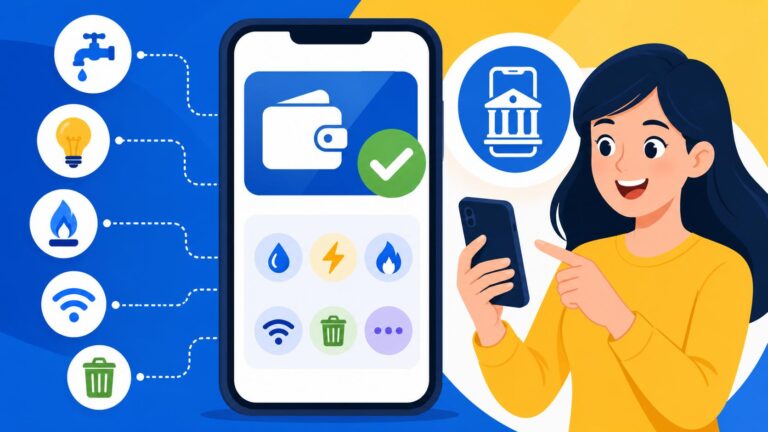
Once your bank account is active, your next priority is the "digital wallet." Indonesia is arguably more cashless than many Western countries, but it doesn't use Apple Pay or Google Pay in the way you might expect. Instead, the country runs on QRIS (Quick Response Code Indonesian Standard). Whether you are at a high-end mall or a roadside satay stall, you will see the QRIS logo. To use it, you need a local e-wallet like GoPay, OVO, or Dana. I highly recommend Digital Banking and E-Wallets: How to Register for GoPay, OVO, and Dana to understand how to link these to your local phone number. Without these, you will find yourself constantly hunting for small change that simply doesn't exist in the local economy.
While setting up these digital tools, security is paramount. Since you will likely be using public Wi-Fi in cafes or co-working spaces during your first month, using a tool like NordVPN is a non-negotiable for protecting your banking credentials from local spoofing attacks. Indonesian cybersecurity is improving, but as a newcomer, you are a prime target for digital pickpockets.
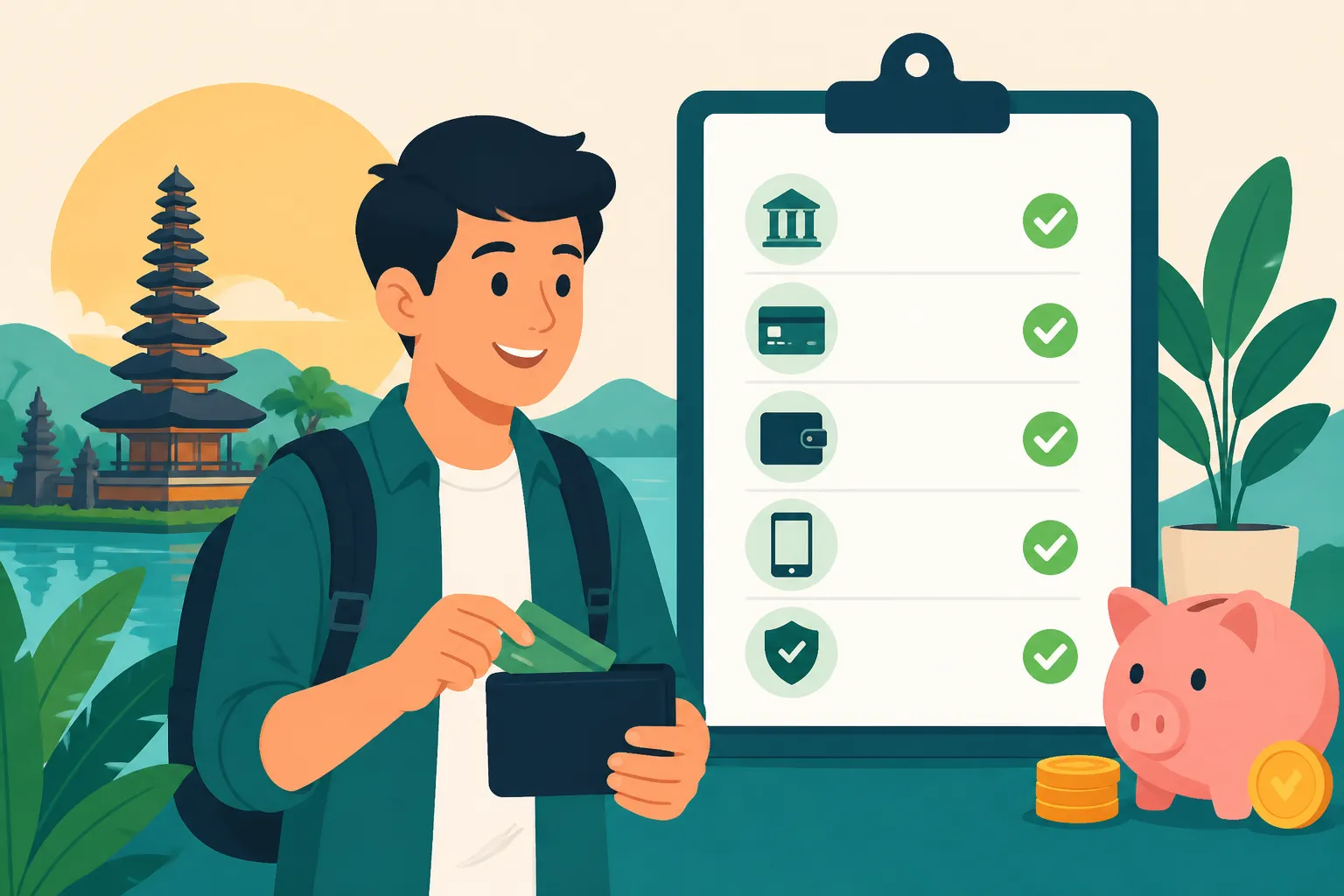
| Financial Milestone | Priority Level | Required Documents | Estimated Time |
|---|---|---|---|
| Local SIM Card Registration | Critical | Passport / IMEI Registration | 1 Hour |
| Local Bank Account (BCA/Mandiri) | High | Passport, KITAS, NPWP (if available) | 2-4 Hours |
| E-Wallet Setup (GoPay/OVO) | High | Local Phone Number, KTP/Passport | 15 Minutes |
| NPWP (Tax ID) Registration | Medium | KITAS, Passport, Work Permit | 3-5 Days |
| BPJS Kesehatan Enrollment | Medium | KITAS, Family Card (KK), Passport | 1-2 Weeks |
Navigating the Tax and Identity Maze
By the second or third week, the "honeymoon phase" of eating Nasi Goreng every night usually fades, and the reality of Indonesian bureaucracy sets in. The most critical piece of paper you will need, which many expats overlook until it’s too late, is the NPWP (Nomor Pokok Wajib Pajak), or your Tax Identification Number. If you are working for a local company, they will ask for this almost immediately to process your payroll.
Why is this urgent? Because without an NPWP, you are legally subjected to a 20% higher income tax rate on your PPh 21 (individual income tax). I’ve seen colleagues lose millions of Rupiah in their first few months simply because they were too "busy" to visit the tax office. You can find a detailed breakdown of how this works in Taxes in Indonesia for Expats: NPWP, PPh 21, and the 183-Day Rule. Additionally, with recent changes in 2025 and 2026, the government is integrating the NPWP with your NIK (National Identity Number), making it even more important to get your records straight from day one. For a step-by-step on the new system, refer to Registering for an NPWP (Tax ID): How Expats Link NIK to Tax Records in 2027.
Another administrative hurdle is the SKTT (Surat Keterangan Tempat Tinggal), which is essentially your green card as a temporary resident. This is issued by the Civil Registry (Catatan Sipil) and is often required by banks to upgrade your account limits or by the tax office to verify your domicile. While your HR department might handle the bulk of your visa work, the financial side of residency often falls on your shoulders. Do not assume your employer is handling your tax registration unless you have seen the physical (or digital) card.
Mastering Money Transfers and Long-Term Wealth Management
Once you have your local accounts and tax IDs in place, the challenge shifts to moving money efficiently. You will likely need to bring in a significant amount of capital for your first year’s rent—as the "1-year upfront" rule is still very much the standard in Indonesian real estate. Sending a wire transfer from a traditional bank in London or New York to a bank in Jakarta is a recipe for losing 3% to 5% in hidden margins.
I have found that using Wise is the most effective way to bridge this gap. It allows you to hold a balance in multiple currencies and convert to Rupiah at the mid-market rate, which is essential when you are trying to timing the volatile IDR/USD or IDR/EUR exchange rates. For those who are moving larger sums or managing a global portfolio, understanding International Money Transfers: Using Wise, SWIFT, and Local Bank Remittances is vital. You should also be aware of the pitfalls described in Best Ways to Send IDR to USD/EUR: Avoiding Hidden Conversion Fees to ensure you aren't being fleeced by local "money changers" who offer "zero commission" but terrible rates.
For the more investment-minded expat, the first 30 days are also the time to decide where your savings will live. Many of us don't want to keep our entire net worth in a Rupiah-denominated account due to currency fluctuations. This is where platforms like Interactive Brokers become essential for expats in Indonesia. They allow you to maintain your global investment strategy while living in Southeast Asia, providing access to US and European markets that local Indonesian brokers cannot easily reach.
If you are into the digital asset space, Binance remains a popular choice for many in the community, especially for P2P transfers which can sometimes be faster than traditional banking rails when you need liquidity quickly. However, always ensure your crypto activities are compliant with local Bappebti regulations to avoid any issues with your bank.
Integrating into the Social Security and Health System
As you approach the end of your first month, you need to look at your "safety net." Indonesia has a mandatory social security system known as BPJS. Even if you have a premium international health insurance policy, you are legally required to enroll in BPJS if you are working in Indonesia for more than six months.
Many expats view BPJS as just another "tax," but it is actually a robust system if you know how to navigate it. It covers everything from basic clinic visits to major surgeries at government-standard rates. However, the system is tiered, and the recent shift to the KRIS (Standard Inpatient Class) system has changed how "standard" wards work. You can get a full picture of this in Healthcare in Indonesia for Foreign Residents: Complete System Overview (2027).
Beyond health, there is BPJS Ketenagakerjaan, which covers work-related accidents and, more importantly, includes an "Old-Age Savings" (JHT) component. Think of this as a forced savings account. A percentage of your salary goes in, and when you eventually leave Indonesia (via the EPO process), you can actually withdraw this balance in cash. It’s a nice "parting gift" from the Indonesian government that many people forget to claim. To understand how these deductions will affect your take-home pay, read Understanding BPJS Social Security Deductions: Health, Life, and Old-Age Savings.
Finally, don't forget the small but frequent costs. Within your first 30 days, you will likely need to buy a "Token Listrik" (electricity token) for your apartment or pay your "Iuran" (neighborhood fee) to the local RT/RW (community head). These small cash-heavy or e-wallet-heavy transactions are the "glue" of Indonesian life. Having a clear budget for these—and a local bank app to pay them at 2 AM when your AC suddenly shuts off because you ran out of credit—is the mark of a veteran expat who has successfully survived their first month.
Important Disclaimer
The information provided in this article is for informational purposes only and does not constitute professional financial, legal, or tax advice. Regulations in Indonesia, particularly concerning visas, taxation, and banking for foreign residents, are subject to frequent change. Always consult with a certified tax professional, legal counsel, or the relevant government authorities (such as the Directorate General of Taxes or Immigration) before making significant financial decisions. The author and publisher are not responsible for any financial losses or legal issues arising from the use of this guide.