Quick Checklist: Do I Need a Visa to Enter Bali in 2027?
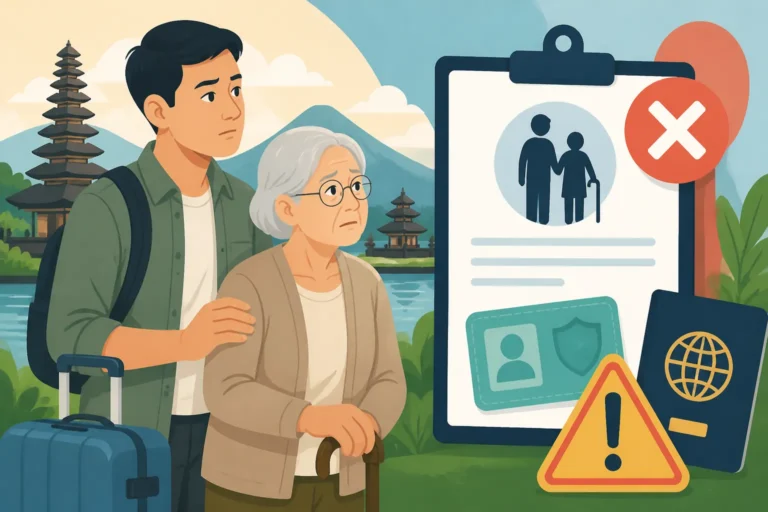
Standing at the Ngurah Rai immigration counter only to realize your passport validity is six days short or your QR code won't load is a rite of passage no one wants to endure. I remember sweating through my linen shirt in the Denpasar heat because I hadn't pre-filled my electronic customs declaration, watching the queue grow longer behind me. This guide breaks down exactly what you need to enter Bali so you can bypass the stress and head straight to the beach.
Understanding the 2026 Visa Landscape for Bali
The landscape of Indonesian immigration has shifted significantly over the last few years. While the days of total pandemic-era closures are long gone, the 2026 system is more digital, more regulated, and unfortunately, more prone to minor technical glitches that can ruin a holiday if you aren't prepared. The first thing you need to realize is that "do I need a visa" isn't a simple yes or no question; it depends entirely on your passport and how long you plan to stay.
For most travelers visiting for tourism, the Visa on Arrival (VoA) remains the standard. However, the Indonesian government has been pushing heavily toward the e-VOA system. This is managed through the official Molina portal. While you can technically still pay for a sticker at the airport, the efficiency of the e-visa and Molina system: how to apply online without visiting an embassy cannot be overstated. I’ve seen travelers spend an extra hour in line just to pay the fee at a booth, while those with pre-approved e-VOAs breeze through the e-gates.
If you are a citizen of an ASEAN country, you generally still enjoy visa-free entry for 30 days. For everyone else, you are looking at a paid visa. If you're feeling overwhelmed by the technicalities of the government portal, using a service like iVisa can help simplify the process by providing a more user-friendly interface for your application. This is particularly helpful when the official site experiences high traffic or payment processing errors, which—let's be honest—happen more often than they should.
The Visa on Arrival (VoA) and e-VOA Checklist
The VoA is valid for 30 days and can be extended once for another 30 days. This gives you a total of 60 days in the country. In 2026, the cost remains around IDR 500,000 (roughly USD 35). If you choose the e-VOA route, you must apply at least 48 hours before your flight to ensure the system processes your payment and generates the QR code.
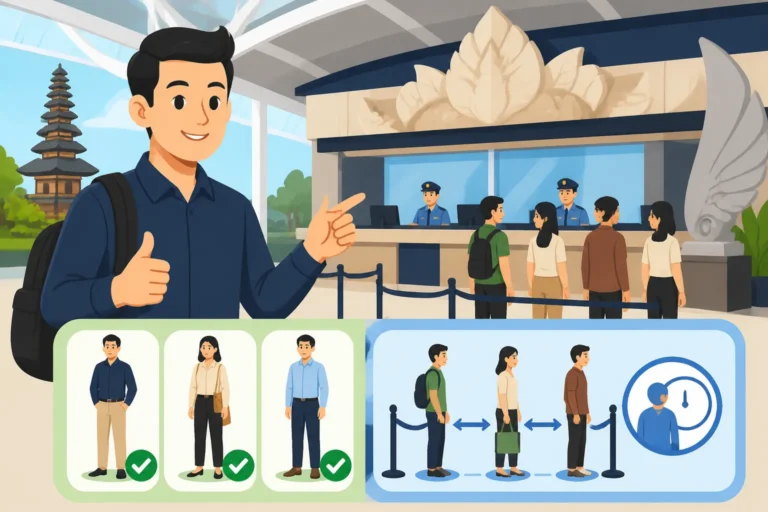
When you apply for an e-VOA, you will need to upload a photo of your passport and a recent passport-sized photo. One mistake I made early on was uploading a photo that was too low-resolution. The system rejected it, but it didn't tell me why for several hours. Ensure your files are clear, under 200kb, and in JPG format. Once you arrive at Ngurah Rai International Airport, look for the "E-Visa" or "E-Gate" lanes. If you have the digital version, you simply scan your passport and look into a camera—no human interaction required.
However, if you plan on staying longer or want to understand the limits of this specific visa, you should read up on visa on arrival (VoA) and B211A tourist visas: what you can and cannot do. A common trap is thinking you can "just work a little bit" on a VoA. Indonesian immigration is stricter than ever regarding the definition of tourism. If you are found conducting business meetings or selling products, you risk immediate deportation.
Passport and Document Requirements
This is where the "I've-been-there" frustration really kicks in. Indonesia is notoriously strict about passport condition. I have known people who were denied boarding in Sydney or Singapore because their passport had a small ink stain on the cover or a tiny tear on the photo page. This has not changed. Your passport must be valid for at least six months from the date of arrival. If it’s 5 months and 29 days, do not risk it. You will be sent back on the next available flight at your own expense.
Furthermore, you must have at least one completely blank page for the entry stamp (even if you have an e-visa). Beyond the passport, you need proof of onward travel. This is a non-negotiable requirement. The immigration officer or the airline check-in staff will ask to see a confirmed flight ticket out of Indonesia within the duration of your visa.
If you are moving to Indonesia for a longer period and have complex documents like marriage certificates or bank statements from your home country, you might need to have them officially translated. Utilizing certified translators (penerjemah tersumpah) for immigration documents is essential because "regular" translations are often rejected by the local offices. For quick, high-quality English translations that meet international standards, RushTranslate is a reliable resource used by many in the expat community to ensure their paperwork is bulletproof.
Beyond Tourism: Long-Term Entry Options
Sometimes a 60-day stay isn't enough. If you’re a digital nomad or someone looking to scout the island for a few months, you might be looking at the B211A or the newer Remote Worker Visa. In 2026, the remote worker visa (E33G): digital nomad requirements and limitations have become much clearer. This visa allows you to live in Indonesia while working for a company based outside the country, provided you meet certain income thresholds.
The B211A, on the other hand, is often used by those who want to stay for up to 180 days. It requires a sponsor (usually a visa agency) and cannot be applied for at the airport. You must do this onshore or offshore via the immigration website. This is a "single entry" visa, meaning if you leave the country to visit Singapore for a weekend, your visa is cancelled, and you have to start the process over.
| Visa Type | Duration | Purpose | Extension Potential |
|---|---|---|---|
| ASEAN Visa-Free | 30 Days | Tourism | None (Must leave) |
| VoA / e-VOA | 30 Days | Tourism / Brief Business | 1x 30 Days |
| B211A | 60 Days | Business / Tourism / Scouting | 2x 60 Days |
| E33G (Remote Work) | 1 Year | Remote Work for Foreign Co | Renewable |
| KITAS | 1-2 Years | Employment / Investment | Multiple Renewals |
If you are planning a long-term stay, your health should be as much of a priority as your paperwork. Indonesia's public healthcare is improving, but most expats and long-term residents rely on private international insurance. Cigna Global is frequently cited in expat circles as a gold standard because they provide comprehensive coverage that covers you in Bali and during those weekend trips back home or to neighboring countries. Having a health checklist for your first 30 days in Jakarta or Bali can save you from a lot of unnecessary stress during your transition.
Pre-Departure Digital Hurdles: Customs and Levies
The Indonesian government has moved almost all pre-arrival forms to the cloud. You no longer get those little blue paper slips on the plane. Instead, you must fill out the Electronic Customs Declaration (E-CD) online. You can do this up to three days before you land. Once finished, you’ll get a QR code. Screenshot it. The airport Wi-Fi at Ngurah Rai can be spotty, and there is nothing worse than being unable to pull up your code while an officer stares you down.
Additionally, don't forget the Bali Tourist Levy. Introduced a few years back, this is a mandatory IDR 150,000 fee for all foreign tourists entering Bali. While there are kiosks at the airport, it is much faster to pay online via the "Love Bali" app or website before you depart. You’ll receive a digital voucher that you need to keep on your phone.
Another tech hurdle that catches people off guard is the IMEI registration. If you are staying for more than 90 days and plan to use a local SIM card, you must register your phone's IMEI. If you don't, your phone will simply stop receiving a signal from local providers after three months. You can find the details on the mandatory IMEI registration: the 90-day rule and airport customs process to avoid being stuck without data when you need to order a Gojek.
Navigating the Airport and Initial Health Concerns
When you finally land, the airport immigration: e-gates, fast tracks, and handling customs questioning process can be intimidating. If you have small children or are over 60, look for the priority lanes. Indonesian culture deeply respects the elderly and families, and you will often be ushered to the front of the queue if you ask politely.
Once you are out of the airport, the "real" Bali begins. For many newcomers, the first few days are often marked by a minor bout of illness. Learning about Bali belly and food safety: avoiding and treating stomach bugs is essential. I always recommend carrying a small kit of electrolytes and activated charcoal. If things get serious, you need to know how to access help. In major tourist areas, the medical facilities are excellent, but knowing the emergency numbers in Indonesia: 118/119 for ambulance and what to expect can be life-saving.
For those with chronic conditions or families with young children, it is wise to research medical evacuation (medevac) services in Indonesia: costs and insurance coverage. While Bali has great hospitals like BIMC and Siloam, complex surgeries or certain emergencies may require a flight to Singapore. This is where that Cigna Global policy pays for itself—knowing that a medevac is covered provides a level of peace of mind that no amount of beach yoga can replicate.
Final Checklist for Your 2026 Bali Entry
Before you head to the airport, run through this final list. Administrative errors in Indonesia are rarely solved with a "sorry" and a smile; they are solved with fines, delays, and red tape.
- Check Passport: 6 months+ validity and no physical damage.
- Visa: Apply for e-VOA via Molina or check iVisa for eligibility.
- Customs: Fill out the E-CD and save the QR code.
- Bali Levy: Pay the IDR 150k fee via the Love Bali portal.
- Health: Ensure your insurance covers international stays and medevac.
- Proof: Have a printed or digital copy of your return flight.
- Phone: If staying long-term, prepare for IMEI registration at the customs desk before you exit the terminal.
Living and traveling in Bali is a dream for many, and despite the bureaucratic hurdles, it remains one of the most welcoming places on earth. The key is to respect the rules as they are written. Indonesia is moving toward a more structured, digital future, and by following this checklist, you are ensuring that your trip starts with a sunset and a Bintang rather than a headache at a government desk.
Disclaimer
The information provided in this guide is for general informational purposes only and does not constitute legal or professional immigration advice. Visa regulations in Indonesia are subject to frequent changes by the Directorate General of Immigration. While we strive to keep this information updated for 2026, always verify requirements with the official Indonesian embassy or the Molina portal before making travel arrangements. Decisions regarding entry are at the sole discretion of the immigration officer at the port of entry.