Navigating Financial Scams Targeting Expats: Real Estate and Investment Fraud
Moving to Indonesia often feels like finding a slice of paradise until a too-good-to-be-true investment turns into a financial nightmare. I remember my first year in Bali, nearly handing over twenty thousand dollars for a leasehold on land that didn't even belong to the seller. This guide breaks down the most sophisticated financial scams currently targeting expats.
The Real Estate Minefield: Leasehold Scams and Nominee Traps
The dream of owning a villa in Canggu or a penthouse in South Jakarta is the primary bait for the most expensive scams in Indonesia. Because the land laws are fundamentally different from Western systems, many foreigners fall into traps that are perfectly legal on paper but leave them with zero recourse. The most common issue arises from the "Nominee Agreement." Despite years of warnings from the government, some agents still push the idea that you can "own" freehold land by putting it in the name of a local friend or spouse while signing a side contract. In 2026, the Indonesian courts have become even stricter; these nominee agreements are considered a "legal smuggling" of rights and are often declared null and void, meaning you lose the land and the money.
Another rising trend is the "Phantom Villa" development. You will see beautiful 3D renders on social media promising a luxury unit with a high ROI. Developers often ask for a 50% down payment before the first stone is even turned. I have seen countless expats wait three years for a project that never moves past the foundation stage because the developer used the funds from Project A to pay off debts from Project B. Before you even think about signing, you must verify the HGB (Hak Guna Bangunan) or Hak Pakai status of the land.
When you are ready to make a large deposit, use a transparent service like Wise so you have a clear, traceable record of the transaction in both currencies. Never hand over large sums of cash in a cafe or hotel lobby. A legitimate transaction must involve a Notaris (Notary) who checks the original land certificate at the local BPN (National Land Office) for any hidden mortgages or disputes. If an agent tries to rush you or says the "Notaris is a cousin so it's faster," walk away immediately. It is also worth reading up on Buying Property as a Foreigner: Hak Pakai, Hak Milik Nominees, and Risks to understand the legalities of the market before browsing listings.
High-Yield Investment Fraud and Crypto Boiler Rooms
Indonesia’s expat social circles are often targets for "wealth managers" who aren't actually licensed to operate in the country. These individuals often frequent high-end bars in Mega Kuningan or beach clubs in Uluwatu, pitching private equity funds or "exclusive" property development schemes that promise 15% to 25% annual returns. In the current economic climate, those numbers are a massive red flag. These are frequently Ponzi schemes where the "returns" paid to early investors are just the capital from new arrivals.
Crypto-related fraud has also spiked. You might be invited to a "private trading group" on Telegram or WhatsApp that claims to have insider info on Indonesian-based tokens or mining operations. They often use high-pressure tactics, telling you the opportunity will close in 24 hours. If a local wealth manager promises these astronomical returns on a mysterious fund, you are better off sticking with established platforms like Interactive Brokers to manage your own global portfolio securely. It is far safer to have your assets in a brokerage that is regulated by top-tier global authorities than a "black box" fund in a tax haven.
If you are interested in local opportunities, always check if the company is registered with the OJK (Otoritas Jasa Keuangan). The OJK maintains an online "Investment Alert" list of companies that are operating illegally. For those exploring the local digital asset scene, it is safer to use regulated global exchanges like Binance rather than unverified local groups promising inside tips. Diversifying your local holdings is fine, but you should also understand Cryptocurrencies in Indonesia: Tax Regulations and Trading Accounts to ensure you aren't creating a massive tax liability with these "under-the-table" investments.
Digital Vulnerabilities: WhatsApp Phishing and E-Wallet Scams
The most common scams you will face daily aren't for millions of dollars, but for a few million Rupiah at a time. In Indonesia, WhatsApp is the primary tool for communication, and scammers have mastered social engineering. You might receive a message from what looks like a delivery service or a utility provider (PLN) asking you to click a link or download an ".apk" file to "track your package" or "view your bill." Once you download that file, it installs a keylogger that grants the scammer access to your mobile banking apps and e-wallets.
There is also the "Indomaret/Alfamart" scam. A stranger calls you, sounding distressed, claiming they accidentally sent a top-up code or a "Voucher" to your phone number and asking you to read back the six-digit code you just received via SMS. That code is actually your Two-Factor Authentication (2FA) for your GoPay or OVO account. Once you give them that code, your e-wallet is drained in seconds.
Cybersecurity in Jakarta's cafes and Bali's co-working spaces is notoriously lax; always use a reliable connection like NordVPN before accessing your bank accounts or e-wallets on public Wi-Fi. It creates an encrypted tunnel that prevents local hackers from sniffing your login credentials.
| Scam Type | Common Red Flag | Recommended Action |
|---|---|---|
| Real Estate | "Nominee" agreements or "Hacker" pricing | Consult an independent lawyer and check BPN |
| Investment | Guaranteed returns above 12% per year | Check OJK registration and use global brokers |
| Digital/Phishing | .apk files sent via WhatsApp | Never install files from unknown WhatsApp senders |
| E-Wallet | Strangers asking for an SMS OTP code | Never share a 6-digit code with anyone |
| Banking | Calls claiming your "ATM is blocked" | Hang up and call the official bank hotline |
Due Diligence Checklist: Protecting Your Capital
To survive the financial landscape in Indonesia, you need to be more cynical than you would be back home. The legal system is slow, and reclaiming stolen funds is almost impossible once they have been moved through various local accounts. Your first line of defense is a "paper trail." Never agree to payments that are not documented by a formal invoice and a signed contract. If you are starting a business, ensure you understand the Entrepreneurship in Indonesia: Setting Up a PT PMA and Director Regulations process so you are the legal owner of your investment from day one.
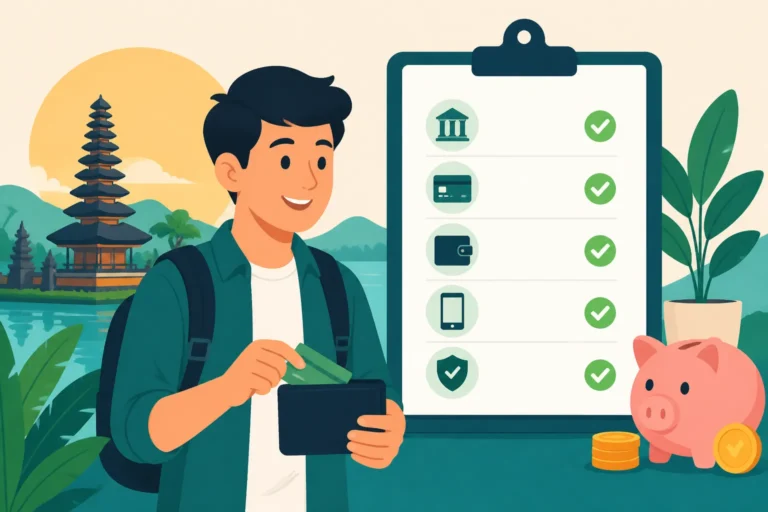
Before committing to any long-term financial commitment, consider these steps:
- The Google Test: Search for the company name followed by the word "penipuan" (scam) or "kasus" (case). Many local victims post their experiences on Indonesian forums like Kaskus or specialized Instagram watchdog accounts.
- The Office Visit: If a developer or investment firm claims to be "huge," visit their physical office. Often, these "multi-million dollar" companies are just a rented desk in a virtual office.
- The Professional Consultation: It is worth Hiring a Local Tax Consultant (Konsultan Pajak): Fees and Finding English Speakers to vet the financial structure of a deal. They can often spot if a company is using illegal tax structures which could eventually lead to the government freezing the company's assets—and your money with it.
- The Bank Verification: When transferring money to a local PT (Company) account, ensure the name on the bank account exactly matches the company name on the NIB (Business Identification Number). Scammers often use "proxy" personal accounts to avoid corporate oversight.
Understanding the local environment is key. Always verify the identity of anyone you are dealing with; ask to see their KTP (ID card) and take a photo of it. In Indonesia, a legitimate professional will not be offended by this request if a large sum of money is involved.
Furthermore, if you are here on a specific visa, like the Second Home Visa: Navigating the IDR 2 Billion Deposit Requirement, you are often perceived as a high-net-worth target. Scammers assume you have the mandatory deposit funds sitting in a local bank and will tailor their pitches to "help" you grow that specific capital. Stay disciplined. If you need to move money for these requirements, stick to Wise to ensure the funds arrive safely and are documented for immigration purposes.
Lastly, be wary of "fast track" services for anything financial. Whether it is getting an NPWP or opening a bank account, there are always people promising to do it faster for a fee. While some "Biro Jasa" (service bureaus) are legitimate, many will just take your money and disappear, or worse, use your data for identity theft. For a safe start, follow the official guidelines on Money in Indonesia for Foreign Residents: Banking, Tax, and Financial Setup (2027) and do the process yourself or through your employer’s HR department.
Emergency Steps if You Have Been Scammed
If you realize you have been defrauded, the first 24 hours are critical. You must immediately contact your bank to freeze your accounts. In Indonesia, if you have been a victim of a digital scam, you need to file a report with the police (Laporan Polisi) at the nearest "POLRES" or "POLDA" office. You will need this document to get any cooperation from banks or e-wallet providers.
While the police will take your statement, do not expect an immediate investigation unless the amount is very high or there are multiple victims. This is where the expat community is vital. There are several "Expat Crime" groups on Facebook where you can report the scammer's details to warn others. Sometimes, the threat of public exposure on social media (which is taken very seriously in Indonesia due to the ITE Law) can actually pressure a low-level scammer into returning the funds.
However, prevention is the only 100% effective cure. Indonesia is a wonderful place to live and invest, but it requires a level of "due diligence" that most expats aren't used to. By keeping your primary investments in platforms like Interactive Brokers and ensuring your local transactions are notarized and transparent, you can enjoy your life in the tropics without the constant fear of a financial disaster.
Disclaimer
The information provided in this article is for informational purposes only and does not constitute legal, financial, or investment advice. Laws and regulations in Indonesia, particularly regarding real estate and taxation, are subject to frequent change. Always consult with a qualified legal professional or a licensed financial advisor before making significant financial decisions in Indonesia. The author and publisher are not responsible for any financial losses or legal issues arising from the use of this guide.