Vaccines for Adults: Typhoid and Hepatitis Shots Before Moving to Indonesia
Most expats spend months obsessing over their KITAS paperwork but completely overlook the biological hurdles of moving to a tropical archipelago. When I first arrived in Jakarta, I spent my third night shivering in a feverish haze because I had neglected my typhoid booster, thinking my "strong stomach" would protect me from the local street food. This guide solves your pre-departure health anxiety by breaking down the essential adult vaccinations you need before calling Indonesia home.
Why Pre-Departure Vaccinations Are Non-Negotiable for Indonesia
The transition to life in Southeast Asia involves more than just adjusting to the humidity and the chaotic traffic of the SCBD. Your immune system is about to encounter a brand-new ecosystem of bacteria and viruses that are prevalent in tropical climates. While Indonesia has made massive strides in public health, the reality of living in a developing nation means that food and water safety standards are not always consistent with what you might be used to in Western Europe or North America.
The Reality of Food and Water-Borne Illnesses
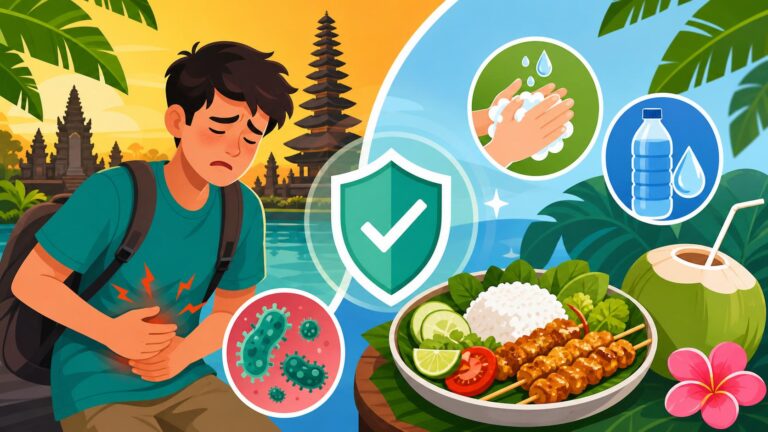
In Indonesia, the concept of "clean" can be subjective. You might be dining at a high-end mall in South Jakarta or a rustic beach shack in Uluwatu, but the underlying infrastructure—specifically water pipes and sewage systems—often overlaps. Contaminated water is the primary vehicle for diseases like Typhoid and Hepatitis A. Even if you are diligent about drinking bottled water, cross-contamination often occurs through washed vegetables, ice cubes made from tap water, or a cook who didn't have access to proper hand-washing facilities.
I learned the hard way that Bali Belly and Food Safety: Avoiding and Treating Stomach Bugs is a rite of passage for many, but it is a manageable risk if you are vaccinated. Getting your shots isn't about being paranoid; it's about ensuring that a single bad meal doesn't turn into a multi-week hospital stay at a facility like Siloam or SOS Medika. It is part of the broader Long-Term and Preventive Care: Checkups, Vaccines, and Tropical Disease Prevention strategy that every responsible resident should adopt.
Tropical Disease Landscape
As we move forward, the prevalence of certain diseases fluctuates with urban density and climate change. While cities like Jakarta and Surabaya have excellent medical facilities, the risk of transmission remains high due to the sheer volume of people and the tropical weather that allows bacteria to thrive year-round. Beyond the basics, you should also be aware of Dengue Fever and Malaria Prevention: Vaccines, Treatments, and Local Realities, as these require different preventative measures than standard vaccinations.
Many newcomers assume they can just "get their shots when they arrive." While Indonesia has a robust network of clinics, some specific adult formulations or high-quality imported vaccines can occasionally be out of stock or significantly more expensive than back home. It is always better to start your primary series in your home country where your medical records are easily accessible.
Deep Dive into Typhoid Fever Prevention
Typhoid fever is a serious, sometimes life-threatening infection caused by the bacterium Salmonella Typhi. In Indonesia, it is endemic, meaning it is constantly present in the population. It is usually spread through the "fecal-oral" route, which sounds unpleasant because it is. If someone handling your food is a carrier and doesn't wash their hands properly, you are at risk.
Understanding the Risks and Symptoms
The symptoms of typhoid aren't just a simple upset stomach. We are talking about sustained high fevers, malaise, headache, and abdominal pain. In severe cases, it can lead to intestinal perforation. When you are navigating Healthcare in Indonesia for Foreign Residents: Complete System Overview (2027), you’ll find that typhoid is one of the most common reasons for expat hospitalizations.
The vaccine is highly effective, but it is not 100%. Think of it as a shield that buys your body time to fight off the infection before it becomes critical. Because the bacteria can hide in the gallbladder of carriers, you can never truly know who is "safe" to cook for you, making the vaccine your primary line of defense.
Oral vs. Injectable Vaccines
There are generally two types of typhoid vaccines available for adults: the Vi capsular polysaccharide vaccine (injectable) and the Ty21a vaccine (oral).
- The Injectable Vaccine: This is a single shot. It is convenient for those moving on short notice as it only needs to be administered about two weeks before travel. It usually lasts for about two years.
- The Oral Vaccine: This consists of four capsules taken every other day. It requires refrigeration and must be completed at least one week before you fly. The advantage is that it often provides longer-lasting immunity—up to five years in some cases—and may offer better "gut-level" protection.
Regardless of which one you choose, I always recommend supplementing your gut health before the move. I personally use probiotics sourced from iHerb to strengthen my microbiome before heading into "high-risk" food zones. A healthy gut environment can sometimes be the difference between a mild case of the runs and a full-blown infection.
Hepatitis A and B: Protecting Your Liver in the Archipelago
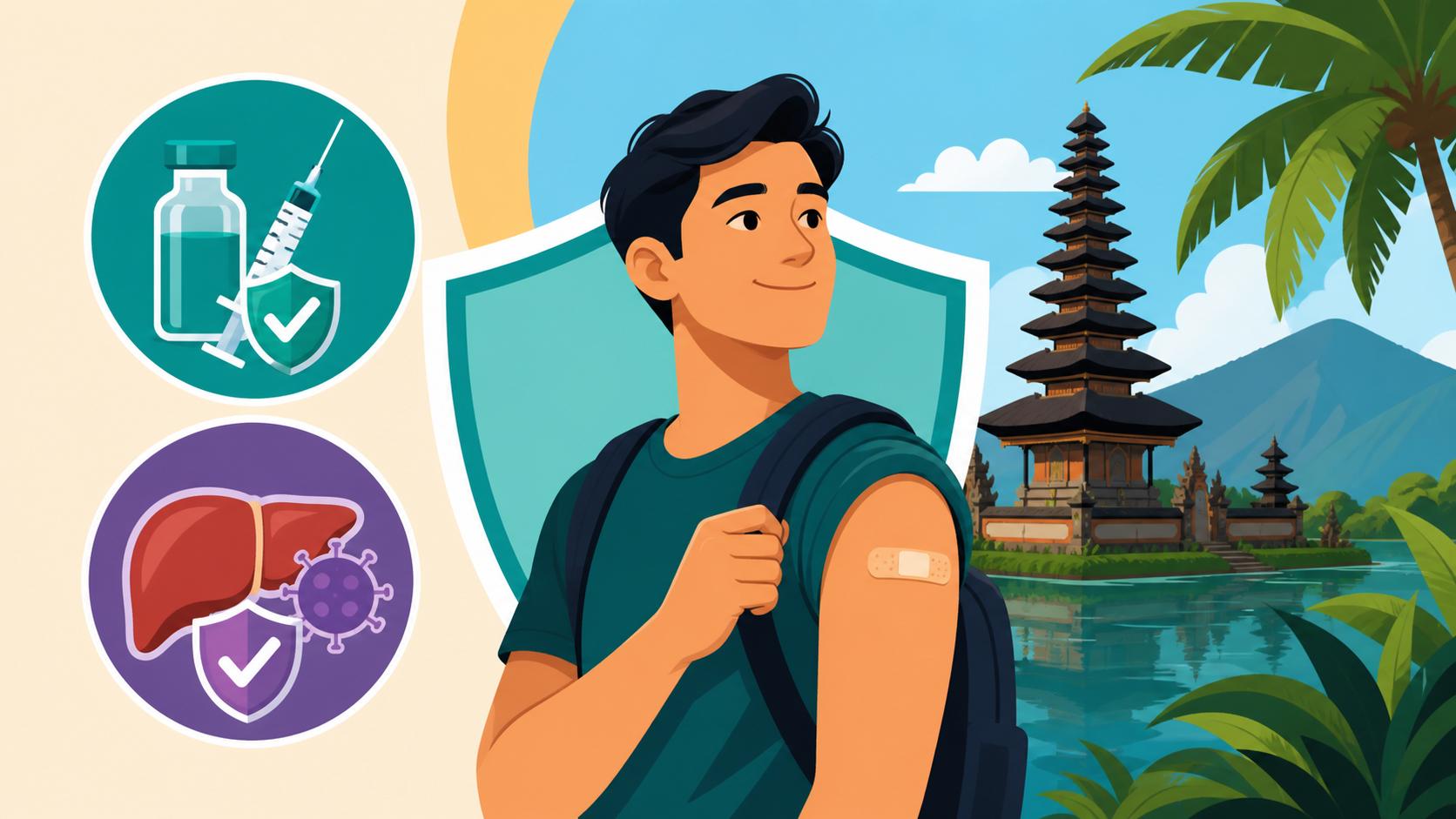
Hepatitis is perhaps the most critical set of vaccinations for anyone moving to Indonesia. While Hepatitis A is primarily food-borne, Hepatitis B is blood-borne, and both can cause significant, long-term damage to your liver.
Hepatitis A: The Food Safety Concern
Hepatitis A is highly contagious and, like typhoid, is spread through contaminated food and water. In Indonesia, where "Es Teh" (iced tea) is a staple, the ice is often the culprit. Even if the water used to make the tea was boiled, the ice might have been delivered in large blocks on the back of a motorbike, exposed to the elements, and handled with bare hands.
The Hepatitis A vaccine is a two-dose series. You get the first shot before you leave, which provides significant protection, and a booster six to twelve months later. Once you’ve had both, you are generally protected for twenty years or more. If you are already in the country and realize you missed your booster, you can find high-quality care using a Jakarta Healthcare Guide for Expats: International Clinics and After-Hours Options to locate a clinic that stocks the pediatric or adult versions.
Hepatitis B: Risks and Medical Realities
Hepatitis B is a different beast. It is transmitted through blood, semen, or other body fluids. You might think, "I'm not engaging in high-risk behavior," but consider the medical realities of living abroad. If you are in a car accident and require an emergency blood transfusion or a dental procedure, you want to know you are protected.
The safety of blood supplies in major Indonesian hospitals is generally good, but in remote areas, the risks increase. Furthermore, things like getting a tattoo in a trendy Canggu studio or even a professional shave at a local barbershop carry a non-zero risk of Hep B transmission if equipment isn't sterilized to international standards. The vaccine is usually a three-dose series over six months.
The Combined Vaccine Option (Twinrix)
If you haven't been vaccinated for either, many doctors suggest the "Twinrix" vaccine, which covers both Hepatitis A and B. It requires three doses (0, 1, and 6 months). If you are in a rush, there is an accelerated schedule, but you must consult a travel medicine specialist. Having this coverage is a prerequisite for many international schools and corporate roles in Indonesia. If you are moving for work, check Private Health Insurance in Indonesia: Bridging the Gap When BPJS Isn't Enough to see if your plan, like those offered by Cigna Global, covers these preventive costs.
| Vaccine | Type | Doses | Immunity Duration | Recommended Timing |
|---|---|---|---|---|
| Typhoid (Injectable) | Inactivated | 1 Shot | 2 Years | 2 weeks before travel |
| Typhoid (Oral) | Live Attenuated | 4 Capsules | 5 Years | 1 week before travel |
| Hepatitis A | Inactivated | 2 Shots | 20+ Years | Start 4 weeks before |
| Hepatitis B | Recombinant | 3 Shots | Lifetime (usually) | Start 6 months before |
| Twinrix (A + B) | Combined | 3 Shots | Long-term | Start 6 months before |
Practical Steps for Your Vaccine Timeline
Timing is everything. You cannot show up at a clinic 48 hours before your flight to Ngurah Rai and expect to be fully immunized. Most vaccines take at least two weeks for your immune system to develop a robust response.
The Six-Month Rule
Ideally, you should visit a travel clinic six months before your move. This allows you to complete the full Hepatitis B series and any other boosters (like Tetanus, Diphtheria, and Pertussis) that may have lapsed. If you are moving with family, this timeline is even more critical for children who may need adjusted schedules.
During this period, I also suggest stocking up on high-quality vitamins and supplements. I often order my zinc and Vitamin D from iHerb because, despite the sun, many expats in Indonesia find themselves deficient due to spending most of their time in air-conditioned offices or malls. Keeping your baseline immunity high is just as important as the vaccines themselves.
Keeping Records for Indonesian Immigration and Work
While Indonesia doesn't always require proof of these specific vaccines for a standard KITAS (Temporary Stay Permit), certain professions—especially in healthcare, mining, or education—may require a medical check-up (MCU). Having a "Yellow Book" (International Certificate of Vaccination or Prophylaxis) is a lifesaver. It keeps all your records in one place and is recognized by Indonesian authorities.
If you lose your records, you may have to undergo titer testing to prove immunity, which is an unnecessary expense and hassle. If you are moving to the capital, a Bali Healthcare Guide: Hospitals, Clinics, and Emergency Contacts for Residents can help you find labs like Prodia or Pramita if you ever need to verify your antibody levels post-arrival.
Navigating Post-Arrival Healthcare and Insurance
Once you land, the health journey doesn't end. You need to know where to go for your follow-up doses and how to pay for them. Most expats find that the local public system, BPJS, is great for emergencies but can be slow for preventive care.
Accessing Follow-up Doses Locally
If you started your Hepatitis B series in London or New York and need the final shot in Indonesia, don't worry. International-standard hospitals like Medikaloka in Jakarta or BIMC in Bali stock the common brands. Just ensure you bring your record so the doctor knows exactly which brand and dosage you previously received.
Be prepared for out-of-pocket costs if you don't have a comprehensive plan. This is where having premium coverage like Cigna Global becomes invaluable. They often cover preventive care and vaccinations, allowing you to visit the best private clinics without worrying about the bill. Navigating Finding Medical Care in Indonesia: Clinics, Hospitals, and International Facilities is much easier when you know your insurance has your back.
The Importance of a Health First-Aid Kit
Beyond vaccines, your first few months will involve "acclimatizing." I always carry a small kit with rehydration salts, charcoal tabs, and basic antibiotics (prescribed by my doctor back home for "emergency use only"). You can find most of these at local "Apoteks" (pharmacies) like Kimia Farma or Guardian, but having a trusted supply from home gives you peace of mind during those first few middle-of-the-night stomach cramps.
In the end, moving to Indonesia is an incredible adventure. Don't let a preventable illness ruin your first few months of exploring the volcanoes of Java or the beaches of Lombok. Get your shots, prep your gut, and secure a solid insurance policy. It’s the best investment you’ll make for your new life in the sun.
Disclaimer
The information provided in this article is for educational and informational purposes only and does not constitute professional medical advice, diagnosis, or treatment. Always seek the advice of your physician or other qualified health provider with any questions you may have regarding a medical condition or vaccination schedule. Laws and health regulations in Indonesia can change rapidly; always verify current entry requirements with your local embassy or consulate before traveling.