Dealing with Overcharges: Consumer Dispute Resolution (BPSK) Basics
Nothing sours a Bali sunset quite like the sudden realization that your villa landlord has doubled your electricity bill without a single receipt, or a Jakarta repair shop is holding your laptop hostage for "administrative fees" that weren't in the quote. I spent my first two years in South Jakarta quietly paying what I called the "clueless expat tax" until a local friend introduced me to BPSK. This guide explains how to navigate the Badan Penyelesaian Sengketa Konsumen (Consumer Dispute Resolution Board) to reclaim your money and your dignity.
Understanding the Role of BPSK in the Indonesian Legal Landscape
When you feel cheated in Indonesia, your first instinct might be to call a lawyer or threaten a lawsuit. However, the formal court system is notoriously slow and expensive, often costing more than the overcharge you are trying to recover. This is where BPSK comes in. Established under Consumer Protection Law No. 8 of 1999, these boards exist at the city and district levels to provide a fast, free, and out-of-court solution for consumers who have been wronged by businesses.
BPSK is specifically designed to handle "small" disputes—though "small" can mean anything from a faulty 1-million IDR smartphone to a 50-million IDR dispute over a security deposit. For many of us living here, the board acts as a crucial equalizer. Whether you are dealing with a local laundry service or a major telecommunications provider, the law technically treats you as a consumer first and a foreigner second. Understanding this is the first step toward moving past the frustration of Money in Indonesia for Foreign Residents: Banking, Tax, and Financial Setup (2027) and into active resolution.
The board is composed of representatives from the government, consumer advocates, and even the business community. Their goal isn't just to punish the business but to reach a resolution that satisfies both parties. For an expat, having a government-sanctioned body sit across the table from a business owner often changes the dynamic instantly. The "I don't understand your English" excuse tends to disappear when a BPSK official is holding a copy of the Indonesian Consumer Protection Law.
Common Scenarios Where Expats Face Overcharges
Overcharging often happens in the "gray areas" of Indonesian life where prices aren't always displayed on a digital screen. One of the most frequent battlegrounds is housing. Many landlords demand one or two years of rent upfront, which creates a massive power imbalance. When it comes time to move out, you might find your security deposit being whittled away by phantom repair costs. If you find yourself in this position, referring to Renting in Indonesia: The 1-Year Upfront Rule, Contracts, and Avoiding Scams can help you understand what a standard contract should look like before you even head to BPSK.
Medical billing is another high-stress area. While many private hospitals are world-class, the billing departments can sometimes be "creative" with foreigner surcharges or unbundled services. If you have been hit with a bill that looks nothing like the initial estimate, you are likely looking at a BPSK-eligible dispute. This is particularly common for those who do not have Hospital Cash Plans (Asuransi Rawat Inap): Do Expats Need Them? and are paying out of pocket. I once saw a friend successfully dispute a 15-million IDR surcharge at a South Jakarta clinic simply by proving the price list provided at check-in didn't mention it.
Finally, automotive repairs and electronic services are notorious for "parts inflation." You drop your scooter off for a simple oil change and walk back to a bill for a new transmission you never authorized. This is why Buying and Registering a Car or Scooter in Indonesia on a KITAS is only half the battle; the other half is ensuring you aren't being bled dry by the service industry. BPSK handles these cases regularly, and usually, the mere mention of filing a complaint with the board is enough to get a "mistaken" bill corrected.
The Critical Pre-BPSK Step: Direct Negotiation and Documentation
Before you step foot in a BPSK office, you must attempt to resolve the issue directly with the business. In Indonesia, jumping straight to a formal complaint is often seen as aggressive and can cause the business owner to "close ranks" to save face. You want to approach the negotiation with a "help me understand" attitude rather than an "I'm calling the police" one. This aligns with Everyday Etiquette: Religion, Culture, Garbage, and Community Norms, where maintaining social harmony (musyawarah) is highly valued.
During this negotiation, your documentation is your shield. You need every WhatsApp message, every handwritten receipt (nota), and every photo of the service or product. If you are paying for services online, ensure you are using secure connections like NordVPN to keep your digital receipts and communication logs safe from tampering. Print out everything. In my experience, showing a business owner an organized folder of evidence often signals that you are not an easy target and are prepared to take the next step.
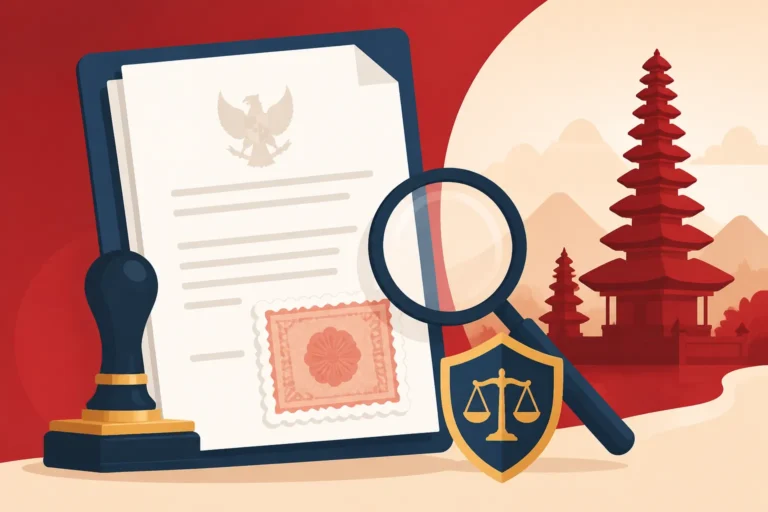
If the business refuses to budge, your final piece of documentation is a "Surat Keberatan" or a formal letter of objection. This doesn't need to be written by a lawyer, but it should clearly state what you expected, what you were charged, and that you are giving them 48 hours to resolve it before you take the matter to the BPSK. This paper trail is vital because the board will ask you, "Did you try to talk to them first?" Having a copy of this letter with a "received" stamp or a screenshot showing it was delivered is your ticket into the BPSK system.
Navigating the BPSK Process: Filing and the Three Methods of Resolution
Once you have exhausted direct negotiation, you head to the local BPSK office. For those in the capital, the BPSK Jakarta office is usually the central hub, while Bali residents will look for the office in Denpasar. You will fill out a form (Permohonan Penyelesaian Sengketa) which requires your Kitas or passport details and the business's information. It is highly recommended to bring a local friend or a translator if your Bahasa Indonesia is still at the "ordering nasi goreng" level.
After filing, the BPSK will invite both parties to a hearing. You will be asked to choose from three resolution methods:
- Conciliation (Konsiliasi): The board acts as a passive mediator. They bring you together in a room and let you talk it out, only stepping in if things get heated. This is best for minor misunderstandings.
- Mediation (Mediasi): The board takes an active role, suggesting solutions and helping both sides find middle ground. This is the most common path for expats.
- Arbitration (Arbitrase): You and the business agree to let the BPSK board make the final decision. Once you choose this, you are legally bound by their ruling, and the board acts like a judge.
The beauty of the BPSK process is the timeline. By law, the board must reach a decision within 21 working days of the first hearing. This is lightning fast compared to the years a civil suit could take. If you are managing your finances through transparent platforms like Wise for international transfers or Interactive Brokers for your long-term investments, you already value speed and clarity; BPSK is the local equivalent for consumer protection.
Comparison of Dispute Resolution Methods in Indonesia
| Feature | BPSK (Consumer Board) | Small Claims Court (Gugatan Sederhana) | Civil Court (Pengadilan Negeri) |
|---|---|---|---|
| Cost | Free (Administrative only) | Low court fees | High (Lawyers + Fees) |
| Duration | 21 Working Days | Up to 25 Days | 6 Months to 2 Years |
| Legal Representation | Not required (Recommended) | Not required | Required (Practically) |
| Verdict Enforcement | Legally binding if registered | Legally binding | Legally binding |
| Ideal For | Overcharges, faulty goods | Contract breaches < 500M IDR | Complex corporate disputes |
Challenges and Cultural Nuances for Foreigners at BPSK
While the law is on your side, the reality of the BPSK can be intimidating. The most significant hurdle is the language barrier. Most BPSK officials are helpful, but the proceedings are conducted entirely in Bahasa Indonesia. If you don't speak the language, your evidence might be misinterpreted. This is not the time to be "brave"; it is the time to hire a professional translator or a consultant familiar with How to Obtain Legal Assistance for Employment Contract Disputes who can also pivot to consumer law.
Another nuance is the concept of "Save Face." In a BPSK hearing, if you berate the business owner or call them a thief in front of the board, they will likely become defensive and refuse to settle. Success at BPSK often involves giving the business owner a "way out." For example, allowing them to say the overcharge was a "clerical error" or a "staff mistake" rather than an intentional scam. This allows them to return your money without losing their dignity, which is often the fastest path to a refund.
Be prepared for the business to not show up for the first hearing. This is a common stalling tactic. However, if the business fails to show up after two invitations, the BPSK can actually issue a decision in your absence (verstek). The key is persistence. Many businesses hope that as a foreigner, you will get bored, busy, or fly home. Showing up to every appointment sends a clear message: you aren't going anywhere until the 5-million IDR overcharge is back in your bank account.
Final Steps: Enforcing the Decision and Staying Safe
If you win your case at BPSK, the board will issue a written decision (Putusan). In a perfect world, the business owner hands you the cash then and there. In the real world, you might need to take that decision to the local District Court (Pengadilan Negeri) to have it "registered" for enforcement. Once registered, the BPSK decision has the same legal weight as a court judgment. If the business still refuses to pay, court-ordered bailiffs can technically seize assets, though this is a rare and extreme final step.
During the entire process, stay vigilant about your personal data. Businesses that feel backed into a corner might try to find leverage. Ensure your financial accounts are secure. If you are dealing with digital assets or high-frequency trading, using Binance with two-factor authentication and a secure network is essential. Never share your bank login details with anyone claiming to be from "BPSK enforcement." All official payments and refunds should be documented through official bank transfers or receipts issued at the BPSK office.
Finally, remember that BPSK is a tool for justice, not a weapon for revenge. Use it when you are genuinely wronged, and it will serve you well. Living in Indonesia is an incredible adventure, but it requires a mix of "Sabar" (patience) and "Tegas" (firmness). By knowing how to handle overcharges through official channels, you transition from being a guest who can be taken advantage of to a resident who knows the rules of the game.
Disclaimer
The information provided in this article is for informational purposes only and does not constitute legal or financial advice. Laws and regulations in Indonesia regarding consumer protection and BPSK procedures are subject to change. Always consult with a qualified legal professional or an official BPSK representative before taking legal action. The author and publisher are not responsible for any outcomes resulting from the use of this information.