Splitting the Bill (Patungan): Social Money Etiquette in Indonesian Dining
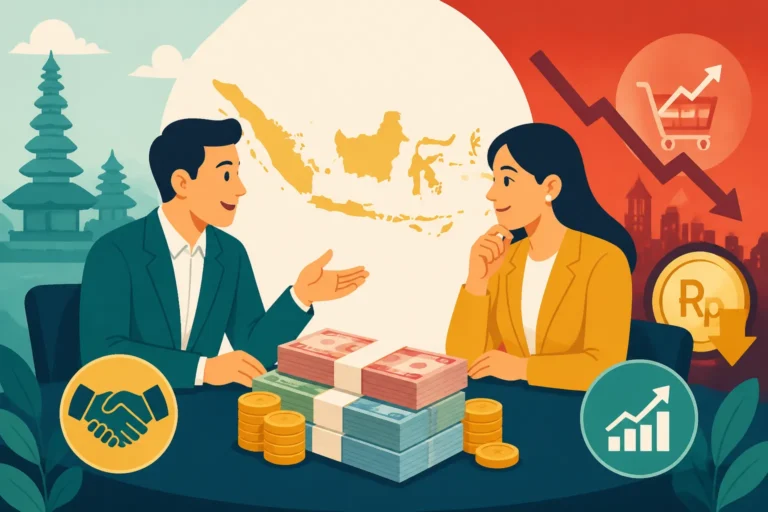
The awkward silence when the bill arrives at a group dinner in Jakarta is a rite of passage for every newcomer. I remember my first month in the city, reaching for my wallet to pay for exactly what I ordered, only to be met with confused stares from my local colleagues. This guide explains the nuances of "Patungan" to ensure you navigate Indonesian social dining with grace.
The Cultural Roots of Patungan and Generosity
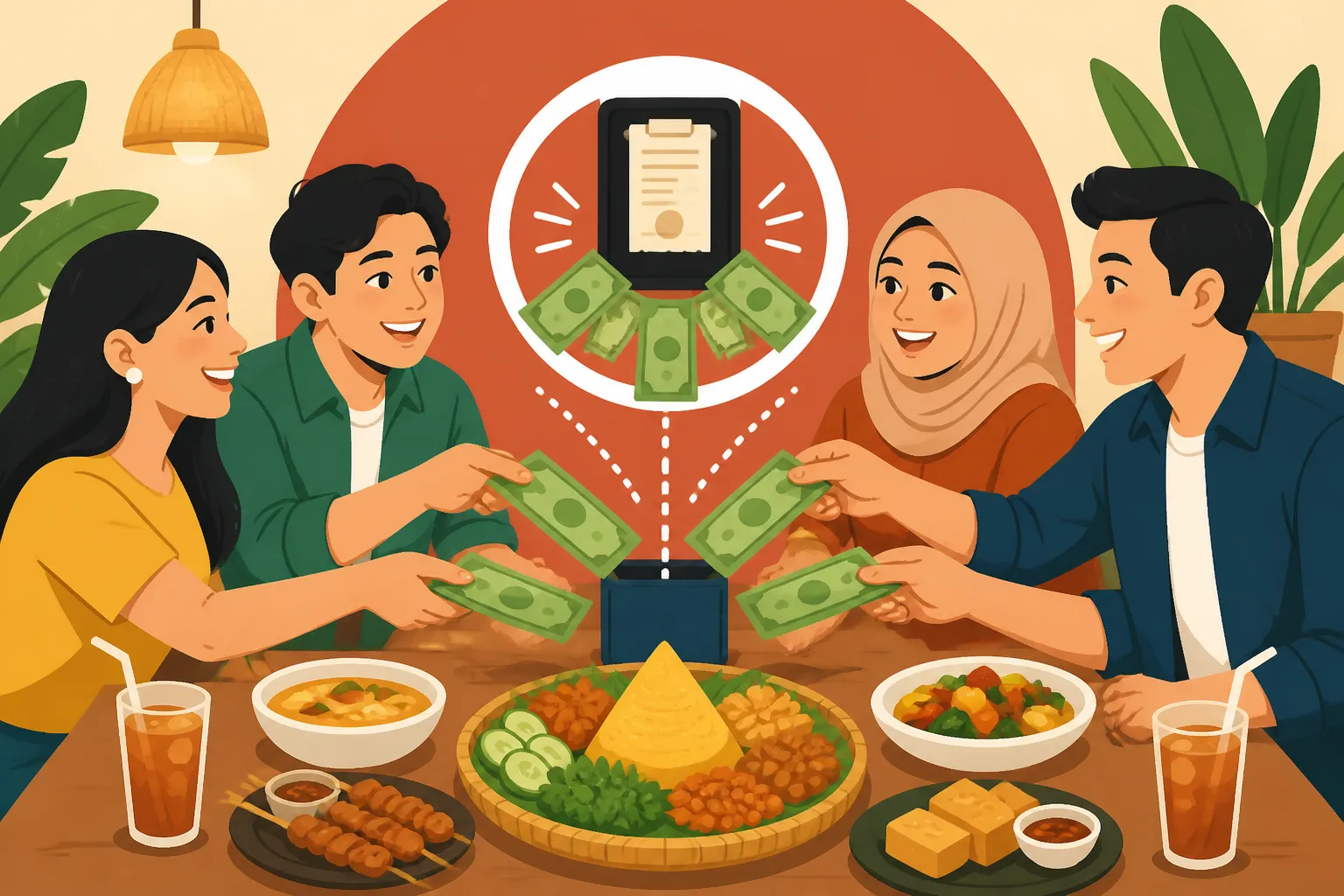
In Indonesia, dining is rarely just about the food; it is an exercise in communal harmony. The term "patungan" translates roughly to "chipping in," but the mechanics are deeply influenced by the concept of gotong royong (mutual cooperation). Unlike the Western "Dutch treat" where everyone meticulously calculates their own share down to the last satay stick, patungan often involves a more relaxed, collective approach to the bill.
The most important thing to understand is that there is a hierarchy to who pays. In traditional Indonesian circles, the most senior person at the table—whether by age, job title, or social status—is often expected to "traktir" (treat) the group. If you are invited to dinner by a senior manager or an older family friend, they might get offended if you insist on paying. My advice is to offer once, and if they insist, accept with a polite "terima kasih" (thank you). Trying to force a split in this scenario can lead to a loss of "face" for the host.
However, among friends, peers, and younger generations, patungan is the standard. Even then, it is rarely a "split by item" situation. Most Indonesians prefer to sum up the total and divide it equally among the number of people present. This avoids the tedious process of figuring out who had the extra iced tea. If you are budgeting for your life here, understanding these social costs is just as vital as Everyday Budgeting in Indonesia: Cost of Living in Jakarta vs Bali vs Regional. You shouldn't be surprised if your "cheap" dinner becomes slightly more expensive because you’re subsidizing a communal appetizer.
Navigating the Bill as a Foreigner
As an expat, you occupy a unique position in the social hierarchy. There is often an unspoken assumption that foreigners have more disposable income. In my early years, I felt a lot of pressure to over-contribute to avoid looking stingy. It is a delicate balance; you want to be generous without being taken advantage of. If you have already sorted out your Registering for an NPWP (Tax ID): How Expats Link NIK to Tax Records in 2027, you are likely earning a local salary and should feel comfortable adhering to local splitting norms rather than acting like a bottomless ATM for the group.
One major frustration you will face is that most Indonesian restaurants, especially the mid-range ones, will not split the bill for you. They will bring one long receipt to the table, and it is up to the group to figure it out. Usually, one person volunteers to pay the whole thing on their card, and everyone else "transfers" their share. This is where having your local financial tools ready is essential. You’ll want to make sure you have read up on Opening a Bank Account in Indonesia: Document Checklists (KITAS, NPWP, Passport) so you can participate in these digital transfers easily.
When you are the one paying the bill to be reimbursed later, keep in mind the tax and service charges. In Indonesia, the price on the menu is rarely the final price. You will see "++" next to prices, signifying the 10% government tax (PB1) and a service charge that usually ranges from 5% to 10%. When you tell your friends how much they owe, don't forget to include these extras. It sounds trivial, but over a large group, those "pluses" can add up to several hundred thousand Rupiah. If you're conscious of your finances, you’re likely already tracking Taxes in Indonesia for Expats: NPWP, PPh 21, and the 183-Day Rule and know how quickly small percentages can impact your monthly bottom line.
| Scenario | Typical Outcome | Etiquette Tip |
|---|---|---|
| Dinner with Boss/Senior | Senior pays (Traktir) | Offer once, then accept gracefully. |
| Casual Friend Group | Equal split (Patungan) | Don't count pennies; split the total evenly. |
| Birthday Celebration | The "Birthday Person" pays | If it's your birthday, you are the host! |
| First Date | The "Inviter" pays | Traditional roles still often apply in many circles. |
Tech and Logistics: Making Patungan Painless
Cash is no longer king at the Indonesian dinner table. The rise of e-wallets has made patungan incredibly efficient. Almost everyone uses GoPay, OVO, or Dana. When the bill comes, someone will usually say, "I'll pay, just GoPay me later." If you haven't yet set this up, you are going to be "that person" who always promises to pay but never does because you don't have the app. I highly recommend Upgrading E-Wallets to Premium (GoPay Plus) Using a Foreign Passport so you can transfer larger amounts and even withdraw cash if needed.
For those of us who travel between Bali and Jakarta, or who have visiting friends, managing the "share" can get complicated with different currencies. I’ve found that using Wise is a lifesaver for this. If a friend from home is visiting and wants to pay you back for a big dinner at a fancy Seminyak beach club, having them send money via Wise ensures you aren't losing 5% of the meal's value to terrible bank exchange rates. It’s much more efficient than traditional wire transfers. You can see more about this in our guide on Best Ways to Send IDR to USD/EUR: Avoiding Hidden Conversion Fees.
Security is another factor often overlooked during these social transactions. When I'm sitting in a busy cafe in the SCBD using my mobile banking app to settle a group bill, I always make sure I’m on a secure connection. Using NordVPN on your phone is a small but vital step to ensure your banking credentials aren't being sniffed on public Wi-Fi. It’s part of a broader strategy for financial health, much like how you might use Interactive Brokers to manage your long-term investments while living abroad. For those living the digital nomad lifestyle in Bali, you might even find yourself settling bills in a group of crypto-enthusiasts. While not yet a standard at most "warungs," I have seen groups use Binance to settle up between themselves after a day of co-working and dining, especially within the international community.
Practical Scenarios and "The Traktir"
The concept of "Traktir" is the flip side of patungan. It is a specific gesture where one person pays for everyone. This usually happens on birthdays, promotions, or when someone gets a new job. In the West, your friends take you out for your birthday; in Indonesia, you take your friends out. It caught me off guard the first time my birthday rolled around and my friends were waiting for me to pick the restaurant—and the tab. It’s a beautiful tradition that reinforces social bonds, but it can be a shock to the system if you aren't prepared for the Cost of Living in Jakarta 2026: Rent, Schooling, and Lifestyle Benchmarks.
In a business context, the rules change again. If you are meeting a vendor or a potential partner, the person who requested the meeting generally pays. However, if you are an expat working for a large firm, your Indonesian counterparts might expect the company to foot the bill. Always clarify if a meal is "on the company" before you order the most expensive steak on the menu. If you're paying out of pocket, it’s also helpful to know the local Tipping Culture in Indonesia: Gojek Drivers, Waitstaff, and Spa Therapists so you don't over-tip on an already inclusive service charge.
Finally, let’s talk about the digital logistics of the "Request Money" feature. Apps like GoPay and local banking apps like Livin' by Mandiri allow you to send a direct request for a specific amount to everyone in your contact list. This is the most polite way to remind people to pay their share without having to send a "hey, remember that dinner?" text. Most people use Using QRIS: The Cashless Payment System Revolutionizing Indonesian Commerce to pay the restaurant directly, but the person-to-person transfer remains the backbone of social debt settlement in Indonesia.
Managing Group Finances for Trips
When you move beyond a simple dinner and start planning weekend trips to Yogyakarta or Labuan Bajo with a group of friends, patungan takes on a whole new level of complexity. Someone inevitably ends up paying for the villa, someone else for the boat, and another person for all the "Bintang" rounds. My "pro-tip" after years of these trips: use a dedicated "Kitty" or a shared account.
Many expats use apps like Splitwise to track these expenses, but you still need a way to settle the final balance in Rupiah. This is where Wise is again invaluable, as it allows you to hold a balance in IDR and pay out to local bank accounts without the friction of international fees. For the more "permanent" residents, having a local digital bank account that allows for sub-accounts can also work well.
Be very clear about what is shared and what is individual. In Indonesian culture, things like shared snacks and water are almost always patungan. However, if you're the only one ordering expensive cocktails while everyone else is drinking water, the "even split" rule of patungan might start to feel unfair to your local friends. In these cases, it is polite (and expected) to offer to pay a larger share. "I had the wine, let me cover the service charge and tax for everyone" is a phrase that will earn you a lot of respect and keep the social harmony intact.
Disclaimer
This guide is intended for informational purposes only and represents the personal experiences and observations of the author. Social norms and financial regulations in Indonesia can change rapidly. Always verify current banking fees, exchange rates, and tax laws with official sources or qualified professionals before making significant financial decisions.