Installment Plans (Cicilan 0%): How E-Commerce Financing Works for Residents
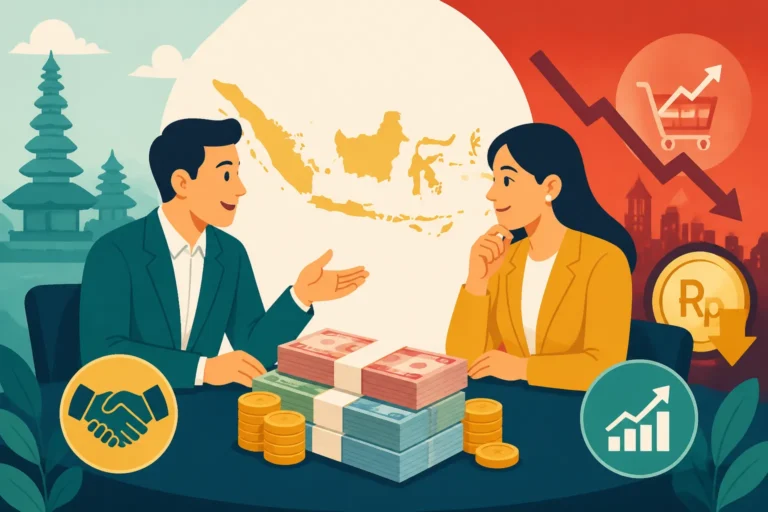
Walking into an electronics store in a Jakarta mall and seeing a price tag of 20 million Rupiah for a new laptop can be a soul-crushing moment for anyone trying to manage their local budget. I remember the first time I tried to buy a high-end camera in Kuningan; I saw the "Cicilan 0%" sign and thought I could just swipe my home-country credit card to spread the cost. I quickly learned that the world of Indonesian installment plans is a closed loop designed specifically for residents with local financial footprints. This guide breaks down exactly how "Cicilan 0%" works, the hurdles you will face as a foreigner, and the clever ways to navigate the system to keep your cash flow healthy while living in the archipelago.
The Allure of Cicilan 0%: Why Installments Rule the Indonesian Market
If you have spent more than a week in Indonesia, you have likely seen the word "Cicilan" plastered across every e-commerce banner and retail storefront. In English, it simply means "installment." The Indonesian consumer market is heavily driven by credit, and the "0% interest" hook is the primary tool used by banks and fintech companies to encourage spending on big-ticket items like smartphones, refrigerators, and even designer furniture.
For an expat, the appeal is obvious. When you are already dealing with the high costs of Renting in Indonesia: The 1-Year Upfront Rule, Contracts, and Avoiding Scams, your liquid cash is often tied up in massive lease payments. Being able to pay off a new iPhone over 12 months without interest feels like a financial lifesaver. However, the "zero interest" claim often comes with caveats that aren't immediately apparent. Most of these plans are facilitated through partnerships between major e-commerce players like Tokopedia, Shopee, and Blibli and local banking giants like BCA, Mandiri, or BNI.
The system is designed to reward loyalty to the local banking ecosystem. If you are still relying entirely on a foreign bank account, you are effectively locked out of these 0% deals. This is one of the many reasons why Opening a Bank Account in Indonesia: Document Checklists (KITAS, NPWP, Passport) should be one of your first administrative priorities after arrival. Without a local account and, more importantly, a local credit card or a verified e-wallet, "Cicilan 0%" remains an elusive dream.
Credit Card Installments: The Traditional Gold Standard
The most common way to access 0% installments is through a local credit card. When you check out on an e-commerce platform, you will see a list of participating banks. If your bank is on that list, you can select a tenure—usually 3, 6, 12, or even 24 months—and the interest rate will drop to zero.
The Challenge of Getting the Card
As a veteran of the Indonesian banking system, I can tell you that getting a credit card as a foreigner is notoriously difficult. Most banks require a KITAS with at least six months of remaining validity and a steady income. Even then, many expats find themselves stuck in a loop of rejections. A common workaround I always recommend is the "secured credit card" route, which we detail in our guide on Applying for an Indonesian Credit Card: Security Deposits and KITAS Hurdles. Essentially, you lock away a certain amount of cash in a time deposit, and the bank gives you a credit limit equal to about 80-90% of that deposit. It’s not ideal, but it’s often the only way to get that piece of plastic that unlocks the 0% installment world.
How the Transaction Works
When you use a 0% plan on a credit card, the full amount of the purchase is immediately "blocked" from your total credit limit. For example, if you have a 50 million IDR limit and you buy a 12 million IDR television on a 12-month installment plan, your available credit drops to 38 million IDR immediately. Each month, as you pay your 1 million IDR installment, that portion of your credit limit is released. It is a great way to manage your monthly outgoings, but you must ensure you have the limit to cover the initial purchase. This requires careful Everyday Budgeting in Indonesia: Cost of Living in Jakarta vs Bali vs Regional to ensure you don't max out your card on day one.
The Digital Revolution: Buy Now, Pay Later (BNPL)
In recent years, the rise of "PayLater" services has completely transformed how residents—including many lucky expats—finance their daily lives. Services like ShopeePayLater, GoPay Later, and Kredivo have become ubiquitous. These are essentially digital credit lines that don't require a traditional plastic card.
Can Expats Use PayLater?
This is a bit of a gray area and often depends on the specific app's current internal policy and your "social credit" within that ecosystem. For instance, if you have spent millions on Gojek rides and food over the last year, you are more likely to be offered a GoPay Later limit. However, these apps almost always require a NIK (National Identity Number). As an expat, your NIK is found on your KTP-el WNA or your SKTT. If you haven't processed these yet, you'll need to look at The Civil Registry (Catatan Sipil): SKTT and KTP WNA Explained to understand how to get the documentation required for verification.
The "0% Interest" Catch in BNPL
While many BNPL services advertise 0% interest, they are much more aggressive with "Admin Fees" than traditional banks. You might see a "0% interest" plan that has a 3% monthly service fee. In reality, that's not 0% at all; it's just interest rebranded under a different name. Always read the fine print before clicking "confirm" on a Shopee checkout. These apps are incredibly convenient, especially when used in tandem with Digital Banking and E-Wallets: How to Register for GoPay, OVO, and Dana, but they can lead to a debt spiral if you aren't disciplined.
The Hidden Costs: Is "0%" Truly Zero?
In the world of Indonesian finance, nothing is ever truly free. Even the most legitimate 0% credit card plan will usually involve some form of extra cost. Understanding these is vital for your long-term financial health, especially if you are also managing international investments via platforms like Interactive Brokers or keeping an eye on your crypto portfolio on Binance.
- Admin Fees (Biaya Layanan): Many e-commerce platforms charge a one-time "service fee" for processing an installment plan. This is usually a flat fee (e.g., 15,000 IDR) or a small percentage of the total (e.g., 1%). While small, it technically means your interest isn't zero.
- Payment Processing Fees: If you pay your credit card bill or your PayLater bill via a convenience store like Indomaret or an e-wallet, there is often a small convenience fee.
- Late Payment Penalties: This is where they get you. The "0% interest" only applies if you pay on time. If you miss a payment by even one day, the interest rate often reverts to the standard (and very high) credit card rate, which can be upwards of 2% per month, compounded.
- Currency Conversion: If you are an expat who gets paid in USD or EUR and you use Wise to move money into your Indonesian account to pay these installments, you need to factor in the exchange rate. A "stable" 1 million IDR monthly payment might actually cost you more in your home currency if the Rupiah strengthens. To stay ahead of this, read our tips on Managing IDR Volatility: Strategies for Expats Paid in Local Currency.
Practical Strategies for Managing Installments
Using installments can be a smart move, but only if you have a strategy. I’ve seen many friends leave Indonesia in a hurry, only to realize they have 18 months of payments left on a furniture set they can't take with them.
Match Tenure to Your KITAS
Never take an installment plan that outlasts your current visa. If your KITAS expires in 10 months, don't take a 12-month installment plan. Banks and fintech apps are notoriously difficult to deal with once you have left the country. In fact, most will require you to settle all outstanding debts before they will process your Exit Permit Only (EPO) vs ERP: Closing Your Visa Before Leaving Indonesia. If you fail to do this, it could affect your ability to get a visa in the future.
Use Security for Online Transactions
When managing your local bank accounts and PayLater apps, especially on public Wi-Fi in Bali cafes or Jakarta malls, security is paramount. I always use NordVPN to ensure my banking credentials aren't being intercepted. Indonesian financial apps are getting better, but they are still prime targets for local phishing scams. Protecting your digital footprint is just as important as protecting your physical wallet.
Comparison of Popular Installment Methods in Indonesia
| Method | Typical Tenure | Accessibility for Expats | Interest Rate | Key Pro/Con |
|---|---|---|---|---|
| BCA Credit Card | 3 – 12 Months | Hard (Requires Security Deposit) | True 0% | Pro: Very reliable; Con: Hard to get approved |
| ShopeePayLater | 1 – 12 Months | Medium (Requires NIK/KTP-el WNA) | 0% (but high admin fees) | Pro: Instant approval; Con: High late fees |
| GoPay Later | Monthly / 3 Months | Easy (If active user) | Often 0% for 1 month | Pro: Integrated into Gojek; Con: Low limits |
| Traveloka PayLater | 1 – 12 Months | Medium | Varies | Pro: Great for flights; Con: Interest can be high |
Dealing with Debt and Currency Fluctuations
The biggest mistake I see new residents make is forgetting that their Indonesian debt is in a volatile currency. If you are funding your local life through remittances, you are at the mercy of the mid-market rate. I personally use Wise to schedule my transfers so that the money arrives a few days before my installment due dates. This avoids the stress of a transfer being delayed and triggering a late fee on my "0% plan."
If you find yourself with extra cash, perhaps from a well-timed trade on Binance or a dividend from Interactive Brokers, you might be tempted to pay off the installment early. Be careful here: some Indonesian banks actually charge an "early termination fee" for 0% plans because they lose out on the potential for you to mess up and pay interest later. Always check the terms before trying to be "fiscally responsible" by paying off your fridge early.
Finally, keep a close eye on your Indonesian Payslip (Slip Gaji): PPh 21 and BPJS Breakdown. If your company is deducting significant amounts for tax and social security, your take-home pay might be lower than you expected, making those "small" monthly installments feel much heavier. Always calculate your "disposable income" after all mandatory deductions and your BPJS Ketenagakerjaan Deductions: How the 2% Employee JHT Share Works before committing to a new monthly payment.
Leaving the Country: The Final Settlement
One day, your time in the "Emerald of the Equator" will come to an end. Whether you are moving on to a new expat assignment or heading home, your installments must be handled. You cannot simply "delete the app" and fly away. Indonesian banks share data, and an unpaid debt can lead to you being blacklisted from future entry.
Ensure you follow the steps for Leaving Indonesia Financially Prepared: Closing Accounts, EPO, and Tax Clearance. This involves calling your bank and requesting to "convert" your installments back into a single lump-sum payment. Once paid, ensure you get a written statement that the account is closed and the debt is settled. It’s a bit of a bureaucratic headache—standard for Indonesia—but it’s the only way to ensure a clean break.
Disclaimer
The information provided in this guide is for informational purposes only and does not constitute professional financial, legal, or tax advice. Financial regulations in Indonesia, including those related to credit, e-commerce financing, and expat eligibility, are subject to frequent change. While we strive to provide the most up-to-date information, you should always verify the terms and conditions with your bank or financial service provider. The author and publisher are not responsible for any financial losses or legal issues arising from the use of this information. Always consult with a qualified professional regarding your specific situation.