US Citizens in Indonesia: FATCA Reporting and Banking Frustrations
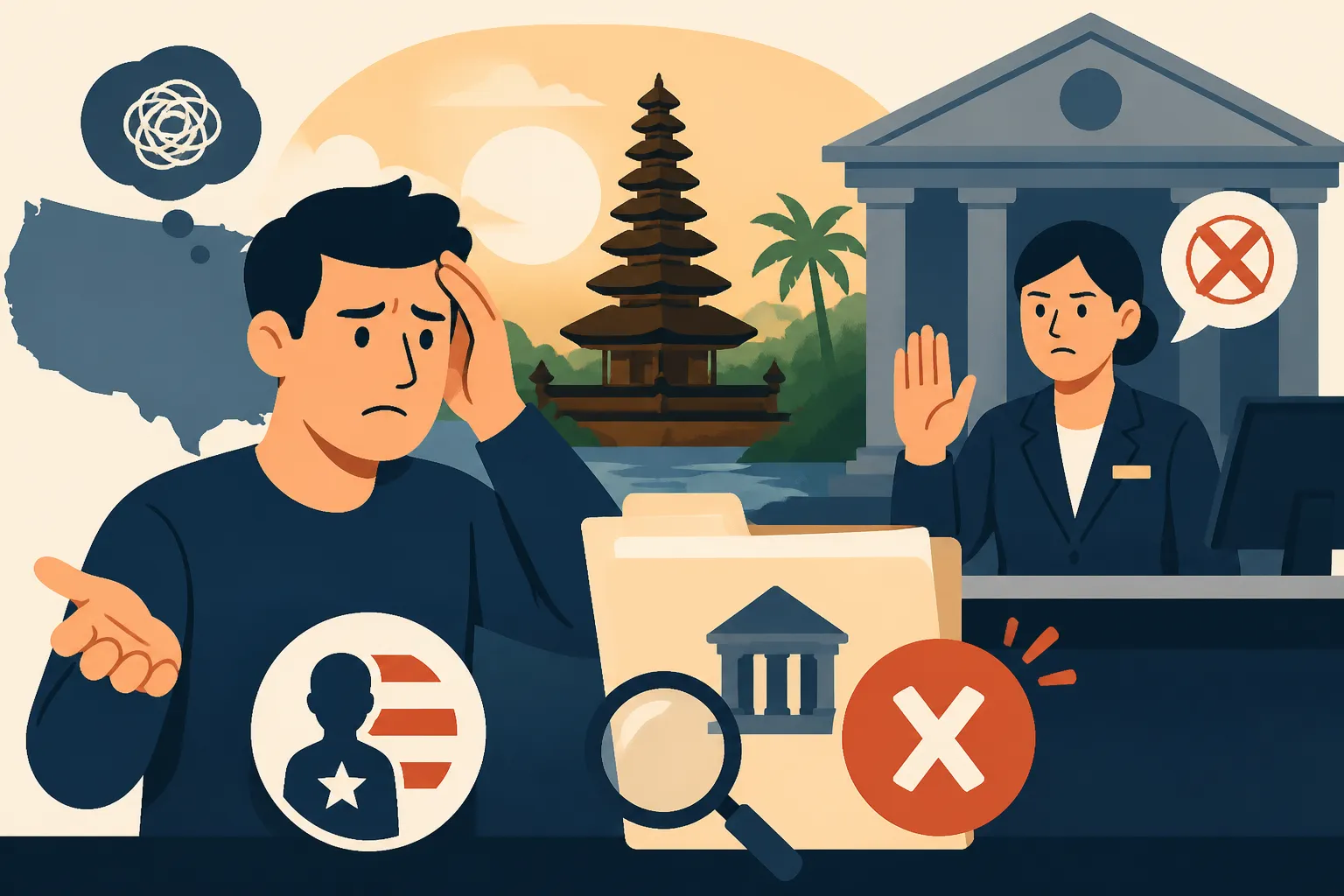
Trying to open a bank account in Jakarta or Bali as an American often feels like you are being interrogated for a crime you didn't commit. I still remember the sinking feeling when my first local bank application was rejected simply because I ticked "Yes" on the US citizenship box. This guide solves the complex puzzle of FATCA reporting and banking frustrations for US citizens in Indonesia.
The FATCA Reality Check: Why Indonesian Banks Are Wary of Americans
If you have spent any time in the expat forums, you have likely heard the term FATCA whispered like a ghost story. The Foreign Account Tax Compliance Act is a US federal law that requires foreign financial institutions to report the assets and identities of US persons to the IRS. While it was designed to catch tax evaders, the collateral damage is the average expat who just wants to pay their rent and electricity. For many local Indonesian bank branches, the administrative burden of complying with US Treasury reporting is simply not worth the small deposit a foreign resident might bring in.
In my early years here, I walked into several branches of major banks only to be told politely that they were not accepting new American clients. It is not personal; it is a business decision based on the fear of heavy penalties from the US government if they make a clerical error in their reporting. This is the primary reason why many US citizens face "banking frustrations" that other nationalities rarely encounter. You are essentially viewed as a high-maintenance compliance risk from the moment you present your blue passport.
Despite these hurdles, it is not impossible to live a financially stable life here. You just need to know which doors to knock on and which forms you will be expected to sign. Most of the time, the bank will ask you to fill out a W-9 form. If a branch manager looks confused when you mention you are from the US, it is often a sign that they haven't been trained on FATCA protocols, and you might have better luck at a larger "International" or "Expat-friendly" branch in areas like Kemang or Sanur. For a broader look at the landscape, I highly recommend checking out Money in Indonesia for Foreign Residents: Banking, Tax, and Financial Setup (2027) to get your bearings on the general system.
Navigating the Indonesian Banking Maze as a US Citizen
When you finally find a bank that is willing to take you on, the paperwork mountain begins. You cannot simply walk in with a passport and expect an ATM card an hour later. You will need a stack of documents that prove your legal residency and your tax status in both countries. Most banks will require your original passport, your KITAS (stay permit), and your NPWP (tax ID). If you are new to the country and haven't sorted your tax ID yet, you might find the process stalled indefinitely.
One of the most important things to understand is Opening a Bank Account in Indonesia: Document Checklists (KITAS, NPWP, Passport) because being organized is your only defense against the bureaucracy. I have found that BCA and Bank Mandiri are generally the most capable of handling US citizens, though it often depends on the specific branch. Digital banks like Jenius have become popular, but even they have tightened their onboarding for Americans due to these same reporting requirements. When you are comparing your options, look at Top Banks for Expats: Comparing BCA, Mandiri, BNI, and Digital Banks (Jenius) to see which one aligns with your lifestyle.
Once you have an account, do not be surprised if you receive occasional phone calls or letters asking you to "update your data." This is often the bank’s compliance department double-checking your US status. Always respond to these promptly. If you ignore them, you risk having your account frozen, which is a nightmare to rectify when you have bills to pay. For those who prefer to keep their digital footprint secure while accessing their home banking apps from an Indonesian IP address, using a service like NordVPN can help maintain a stable connection to US-based servers, which often flag logins from high-risk regions.
Essential Documentation for US Citizens
| Document Type | Purpose in Indonesia | US Reporting Relevance |
|---|---|---|
| Passport (US) | Primary Identification | Establishes US Personhood for FATCA |
| KITAS / KITAP | Proof of Legal Residency | Required for all local bank accounts |
| NPWP (Indonesian Tax ID) | Local Tax Compliance | Linked to NIK for NPWP Integration with NIK: What the 2025/2026 Changes Mean |
| W-9 Form | IRS Information Request | Certifies your Taxpayer Identification Number |
| Surat Domisili | Proof of Address | Verifies your local residence for the bank |
Essential Reporting: FBAR and Beyond
The biggest mistake I see American newcomers make is assuming that because they are paying taxes in Indonesia, the IRS no longer cares about them. Unfortunately, the US is one of the few countries that taxes based on citizenship, not just residency. If you have bank accounts in Indonesia that, in aggregate, exceeded $10,000 at any point during the calendar year, you must file a FinCEN Form 114, better known as the FBAR.
The FBAR is not a tax return; it is an informational filing. However, the penalties for failing to file it—even accidentally—can be astronomical. I make it a habit to log into my local banking apps every December to grab my highest balances for the year. This ensures that when tax season rolls around, I am not scrambling to reconstruct my finances from memory. You should also be aware of Filing the Annual Tax Return (Formulir 1770): Deadlines and Required Documents for your local Indonesian obligations, as the two systems do not talk to each other automatically.
Beyond the FBAR, you may also need to file Form 8938 if your foreign assets exceed certain thresholds. This is part of your annual 1040 filing. Dealing with Reporting Global Income: How Indonesia Enforces Taxation on Worldwide Assets is a two-way street; you have to keep both the Indonesian Directorate General of Taxes and the IRS happy. It is a exhausting balancing act, but staying compliant is the only way to avoid the "blacklist" or losing your passport privileges.
The PFIC Trap: Why You Should Avoid Local Mutual Funds
A major "gotcha" for US citizens in Indonesia is the Passive Foreign Investment Company (PFIC) rules. Most Indonesian mutual funds or "Reksadana" are considered PFICs by the IRS. The tax treatment on these is incredibly punitive, often wiping out any gains you might have made. Even if your local banker is enthusiastically pitching a high-growth fund, you should be very cautious. I learned this the hard way after a small investment led to a tax preparation bill that was three times the value of the investment itself. For more details on why this is a headache, read Investing in Indonesian Mutual Funds (Reksadana) as a Foreign Resident.
Financial Solutions for the US Expat Lifestyle
Since traditional local investing is a minefield for us, many Americans living in Indonesia keep their "serious" money in US-based brokerage accounts. I personally use Interactive Brokers because they are one of the few major platforms that are comfortable with expats living in "exotic" locations like Southeast Asia. It allows you to invest in US ETFs and stocks while living in the tropics, avoiding the PFIC mess entirely.
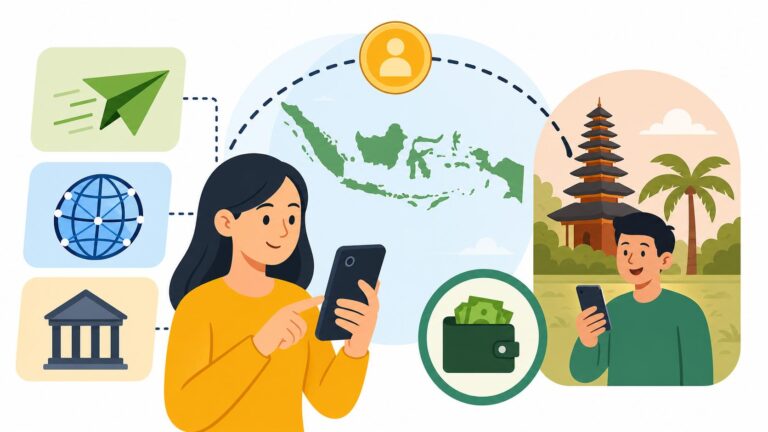
When it comes to daily spending, you will likely be using QRIS: The Cashless Payment System Revolutionizing Indonesian Commerce for everything from coffee to Gojek rides. To fund these local payments without getting killed by bank wire fees, Wise is an absolute lifesaver. You can send USD from your home bank to your Indonesian account with minimal fees and a fair exchange rate. It is often much cheaper and faster than a traditional SWIFT transfer. You can learn more about this in our guide on International Money Transfers: Using Wise, SWIFT, and Local Bank Remittances.
For those interested in the digital asset space, Binance is a common choice for managing crypto, though you must be extremely careful about how you report these holdings to the IRS. Cryptocurrency is legal to trade in Indonesia as a commodity, but it is heavily regulated. Balancing your US tax obligations with local rules is key. Regardless of which platform you use, keeping your accounts in order and understanding Taxes in Indonesia for Expats: NPWP, PPh 21, and the 183-Day Rule will save you from a world of hurt when you eventually decide to move back home or move to a new country.
Disclaimer
This article is for informational purposes only and does not constitute professional tax, legal, or financial advice. US tax laws and Indonesian banking regulations are subject to frequent changes. You should consult with a qualified tax professional who specializes in US expat taxation and an Indonesian legal expert before making any significant financial decisions.