Emergency Rooms (UGD) in Indonesia: Triage, Payment Upfront, and Documentation
Staring at a flashing red "UGD" sign in the middle of a humid Jakarta night while your child has a high fever is a terrifying rite of passage for many of us. I remember the paralyzing panic during my first year in Bali when a simple scooter scrape turned into a localized infection, and I realized I had no idea how the emergency system actually functioned. This guide eliminates that uncertainty by walking you through the triage protocols, payment expectations, and documentation hurdles of Indonesian Emergency Rooms.
Understanding the UGD: What to Expect When You Arrive
The first thing you will notice is the acronym: UGD. This stands for Unit Gawat Darurat, and it is the standard term for an emergency room across the archipelago. Whether you are at a high-end private facility or a local public hospital, this is where you go for immediate, unscheduled care. However, the experience can vary wildly depending on whether you are at a premier international facility or a regional public hospital. In the more prestigious private hospitals, the environment feels much like a Western ER, with air-conditioning, English-speaking staff, and modern equipment.
In contrast, a UGD at a public hospital (Rumah Sakit Umum Daerah or RSUD) can be a sensory overload. They are often crowded, loud, and family members are expected to take an active role in patient care. Regardless of where you go, the initial intake process is usually quite fast for the actual medical assessment, but it can grind to a halt at the administration desk. Knowing the difference between these facilities is crucial for your peace of mind. For instance, Siloam Hospitals Overview: What Expats Should Know About the Network provides a good baseline for the type of private care often preferred by the expat community.
Initial Triage and the Color-Coded System
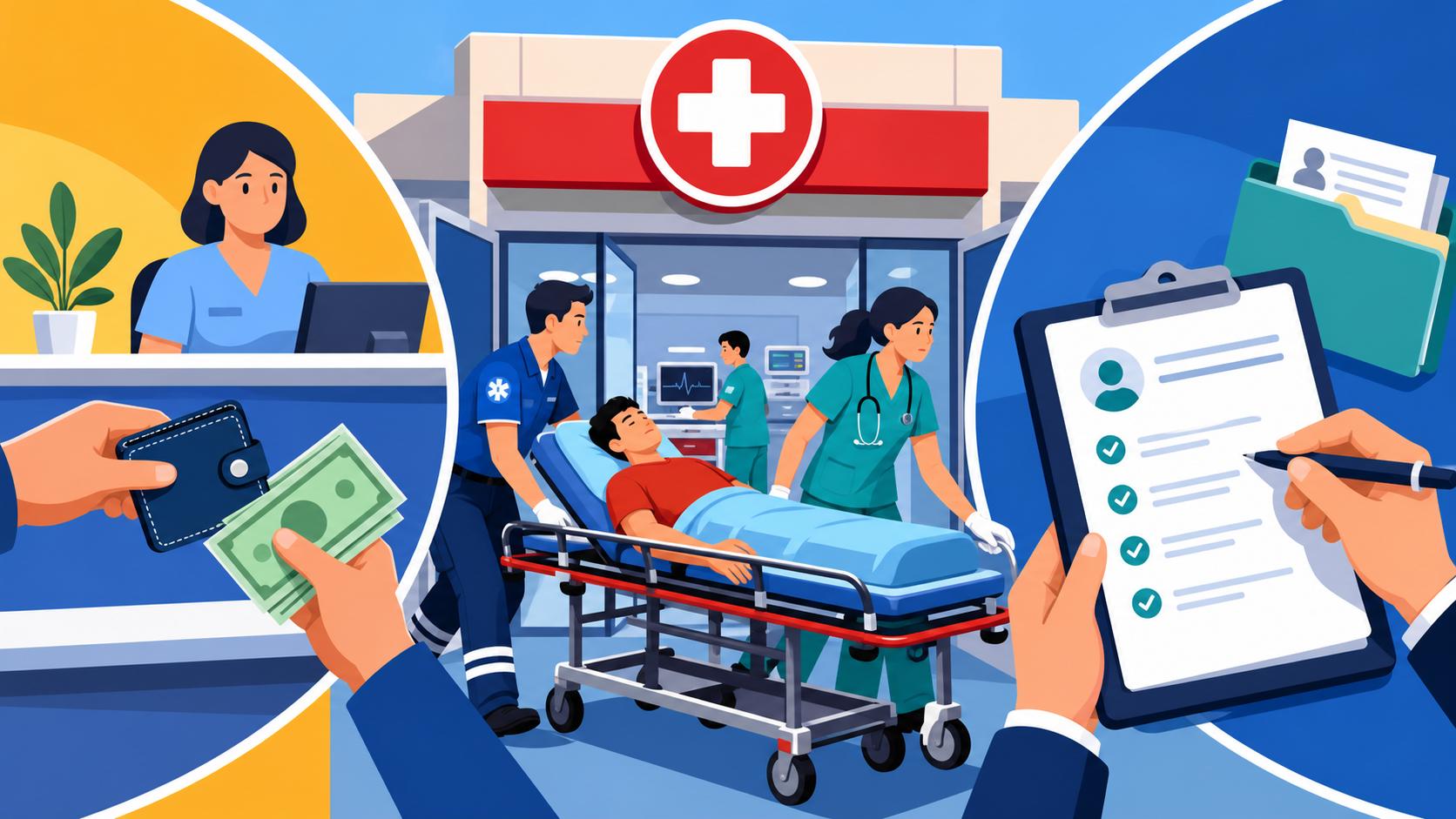
Indonesian hospitals generally follow a standard triage protocol to prioritize patients based on the severity of their condition. When you walk or are carried into the UGD, a triage nurse will perform a quick assessment. You might see color-coded zones or stickers—typically Red (Resuscitation/Immediate), Yellow (Urgent), Green (Non-Urgent), and Black (Deceased). If you arrive with a "Green" condition, such as a minor cut or a persistent but non-life-threatening cough, be prepared to wait. The UGD is not a first-come, first-served environment; it is a "most-critical-first" system.
I have sat in "Yellow" zones for hours while "Red" cases—often traffic accidents—were rushed past. It is important to remain calm and not interpret the wait as a lack of care. If your condition worsens while waiting, you must communicate this clearly to the nurse. This is where Finding English-Speaking Doctors in Indonesia: Reliable Directories and Vetting becomes incredibly helpful, as having a doctor’s name or a specific clinic to reference can sometimes speed up the internal communication between departments.
Language Barriers in the Emergency Ward
While doctors in major cities like Jakarta, Surabaya, and Denpasar often speak excellent English, the nursing and administrative staff may not. In a high-stress emergency, your ability to explain symptoms in basic Bahasa Indonesia or having a translation app ready is a lifesaver. I always recommend keeping a list of your allergies and current medications translated into Indonesian on your phone. If you are in a regional area, the language barrier can be a significant hurdle to receiving accurate care.
For those living in the capital, Jakarta Healthcare Guide for Expats: International Clinics and After-Hours Options lists facilities where English proficiency is a hiring requirement. In more remote locations, you might need to rely on a local friend or a professional service. If the situation isn't an absolute life-or-death emergency, some expats prefer Calling an Ambulance in Jakarta vs Bali: Dispatch Differences and Private Options to ensure they are taken to a facility where they can be understood.
The Financial Reality: Deposits and Upfront Payments
Perhaps the most shocking aspect of the Indonesian healthcare system for newcomers is the "Payment First" culture. Unlike many Western countries where treatment is mandated regardless of ability to pay, Indonesian private hospitals often require a substantial deposit (DP or Down Payment) before admitting a patient or performing major procedures. Even in the UGD, you will likely be asked for a credit card or a cash deposit almost immediately after the initial triage.
This is not the staff being heartless; it is a rigid administrative requirement. If you have international insurance like Cigna Global, the hospital will still usually ask for a deposit until they can verify a Guarantee of Payment (GOP) from your provider. This verification process can take hours, especially if your insurance company is in a different time zone. Always carry a credit card with a high limit specifically for medical emergencies to avoid delays in treatment.
The Mandatory Down Payment System
The deposit amount depends on the hospital and the suspected severity of your case. For a simple UGD consultation and some IV fluids, the deposit might be 2 to 5 million IDR. However, if there is a chance you will be admitted for surgery or intensive care, they may ask for 20 million IDR or more upfront. If you are using BPJS Kesehatan for Expats: Registration, Costs, and the New KRIS System, the process is different, but for private care, the "DP" is the standard.
I once spent three hours in a waiting room with a friend who had a broken leg because her credit card kept declining and the hospital wouldn't move her to a ward without the deposit. It was a brutal lesson. To avoid this, ensure your bank knows you are in Indonesia so they don't block large transactions. For long-term health management, many expats also use services like iHerb to maintain their health and reduce the frequency of these expensive UGD visits through better supplementation and preventative care.
Insurance Coordination and Guarantee Letters
Once the initial emergency is stabilized, the hospital's "International Patient" or "Insurance" department will take over. They will work with providers like Cigna Global to secure a Guarantee of Payment. You will need to provide your digital or physical insurance card and often sign several forms authorizing the hospital to share your medical records with the insurer. If your insurance doesn't have a direct-billing agreement with that specific hospital, you will have to pay the entire bill out-of-pocket and claim a reimbursement later.
This is why Private Health Insurance in Indonesia: Bridging the Gap When BPJS Isn't Enough is such a common topic of discussion. Having an insurance provider that is well-recognized by the major hospital groups (like Siloam, Medistra, or Pondok Indah) makes this process significantly smoother. Be proactive—call your insurance company yourself the moment you are stable to get the claim process started.
| Service Type | Estimated Private UGD Deposit (IDR) | BPJS Coverage | Documentation Needed |
|---|---|---|---|
| Basic Consultation | 1,000,000 – 3,000,000 | Full (at Faskes 1) | Passport/KITAS |
| Trauma / Accident | 5,000,000 – 15,000,000 | Full (Emergency) | KITAS & Police Report |
| Cardiac Emergency | 20,000,000+ | Full (Emergency) | KITAS & Insurance Card |
| Minor Sutures | 2,000,000 – 4,000,000 | Full (at Faskes 1) | Passport/KITAS |
Essential Documentation and Identification
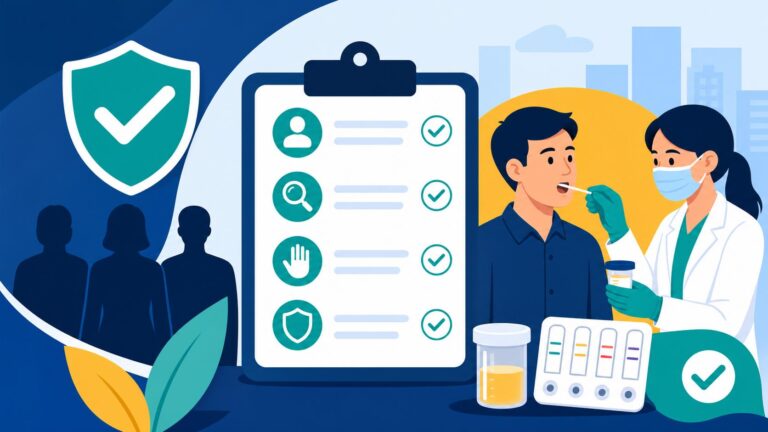
You cannot navigate an Indonesian hospital without your "surat-surat" (documents). In the chaos of an emergency, it is easy to forget your wallet, but in Indonesia, your identification is your key to care. The hospital needs to register you in their system, and for foreigners, this requires specific data that isn't always on a standard driver's license from back home. If you are a resident, your NIK (National Identity Number) from your KITAS is the primary identifier.
If you are a tourist, your passport is essential. Hospitals are required by law to report foreign patients to immigration in certain circumstances, and they also use this data to ensure the billing name matches your insurance policy exactly. I keep a high-resolution photo of my passport and KITAS on a secure cloud drive, but many hospitals still insist on seeing the physical card or a high-quality photocopy. For more on the residency side, KTP WNA (Foreigner ID Card): Why Banks Will Ask You For It explains the importance of this local ID.
Why Your KITAS or Passport is Non-Negotiable
Without a passport or KITAS, the hospital may struggle to register you, which can delay the issuance of prescriptions or the processing of insurance. If you are unconscious or unable to provide ID, the hospital will usually provide emergency stabilization care, but they will be very aggressive about seeking ID from your companions as soon as possible. If you lose your documents in the middle of a medical crisis, you should refer to Lost Your Insurance Proof? Using Your NIK/KTP for Medical Access for alternative ways to verify your identity.
It is also worth noting that if you are a KITAS holder and enrolled in the national system, your Using Your BPJS Card (Kartu JKN): How to Register and Book at Local Faskes protocol is slightly different. You will need to show your JKN app or physical card to ensure you aren't charged private rates for emergency stabilization.
The Role of the Penjamin (Guarantor)
In Indonesia, the concept of a Penjamin or guarantor is deeply embedded in the legal and medical systems. If you are admitted to the hospital, they will often ask for a family member or a friend to sign as a guarantor. This person is legally acknowledging that they will ensure the bills are paid and will be the point of contact for the hospital's administration. For solo expats, this can be a challenge.
I always suggest having a "medical buddy"—a fellow expat or a trusted local colleague—who has a copy of your insurance details and can act as your guarantor in an emergency. This is particularly vital in Bali, where the community is tight-knit. You can find more area-specific advice in the Bali Healthcare Guide: Hospitals, Clinics, and Emergency Contacts for Residents. If you have a local employer, their HR department usually steps in to fill this role.
Public vs. Private Facilities: Choosing the Right Care
When an emergency strikes, your first instinct will likely be to go to the nearest hospital. However, if you have the luxury of a few minutes to decide, choosing between an international-standard private hospital and a public RSUD is a major decision. Private hospitals like BIMC in Bali or Siloam in Jakarta are designed to cater to the expat and medical tourism market. They offer faster service, better English, and a much higher level of comfort.
Public hospitals, on the other hand, are the backbone of the Indonesian healthcare system. They handle the highest volume of trauma cases and often have the most experienced surgeons because they see so many patients. However, the bureaucracy can be stifling, and the facilities may be aged. If you are facing a massive trauma or a complex surgery, sometimes the public hospital actually has the better specialized equipment, even if the rooms are not "VIP."
International Hospitals vs. RSUD (Public Hospitals)
For most expat emergencies—like "Bali Belly," high fevers, or minor fractures—a private hospital is the way to go. They are used to dealing with international insurers like Cigna Global and can facilitate a much smoother administrative experience. Facilities like BIMC Hospital Bali: Services, Costs, and Insurance Direct Billing Options are specifically geared towards this demographic. You will pay more, but the reduction in stress is usually worth the premium.
If you find yourself in a situation where cost is a major factor or if you are in a remote area without private options, the RSUD is your only choice. In these cases, Should You Go to a Puskesmas or a Private Clinic First? A Guide for Newcomers provides some context on the hierarchy of local care. Be prepared for a lack of privacy and a need for a "family caregiver" to be present 24/7 to help with basic needs like food and hygiene.
When to Seek Medical Evacuation
There are times when the facilities in Indonesia, despite the best efforts of the doctors, are not sufficient for a highly specialized or life-threatening condition. This is particularly true for complex cardiac issues or advanced oncology needs. In these cases, medical evacuation (Medevac) to Singapore or Australia becomes a reality. This is an incredibly expensive undertaking, often costing upwards of $50,000 USD.
Ensuring your insurance policy covers evacuation is non-negotiable. For a detailed breakdown of how this works, see Medical Evacuation (Medevac) Services in Indonesia: Costs and Insurance Coverage. Most reputable private hospitals have an evacuation coordinator who works with international assistance companies to arrange the flight and the bed-to-bed transfer.
Post-ER Procedures: Discharge and Follow-up
Getting into the UGD is only half the battle; getting out with the correct documentation is the other half. Before you leave, you must ensure you have a "Resume Medis" (Medical Resume) or a discharge summary. This document is essential for two reasons: it allows a follow-up doctor to understand what was done to you, and it is the primary document your insurance company will require to process your claim.
I have seen expats leave the hospital in a daze, only to find out weeks later that they can't get reimbursed because they didn't get a signed and stamped medical report. Never leave the hospital without a physical, stamped copy of every lab result, X-ray, and the doctor's summary. If you need to follow up with a specialist later, having these records will save you from having to repeat expensive tests.
Obtaining the Medical Report and Billing
The billing process in an Indonesian hospital can be slow. After the doctor clears you for discharge, the file must go to the pharmacy, then to the billing department, and finally back to the insurance coordinator. This can take two to three hours. Use this time to double-check the itemized bill. Errors are not uncommon, especially regarding the number of "disposables" (like gloves and syringes) used.
If you are confused by the terms on your bill, Hospital Billing in Indonesia: Avoiding Overcharges and Understanding Inpatient Fees can help you decode the jargon. Once the bill is settled, you will receive a "yellow slip" or a "settlement proof" that you must show to the security guard or the nurse station before you are allowed to physically leave the building. It feels a bit like checking out of a hotel, but with more paperwork.
Pharmacy Workflows and Outside Prescriptions
The UGD will often give you the first dose of medication and then provide a prescription (resep) for you to fill. Most hospitals have an in-house Apotek (pharmacy). While convenient, they are often more expensive than outside pharmacies like Kimia Farma or Guardian. However, for specialized medications, the hospital pharmacy is your safest bet. If you are looking for long-term health maintenance items or specialized vitamins to aid your recovery, I often find that checking iHerb is a more cost-effective way to stock up on international brands that might be overpriced in local hospitals.
For a deeper look at how to handle your medications, Apotek Guide: Prescription Workflow, Refills, and Communicating with Pharmacists is an essential read. Always ask the pharmacist to explain the dosage clearly, as instructions are often written in shorthand in Bahasa Indonesia (e.g., "3 x 1" means three times a day, one tablet at a time).
Mandatory Disclaimer
The information provided in this guide is for informational purposes only and is based on personal expat experiences and general healthcare practices in Indonesia. It does not constitute professional medical or legal advice. Medical regulations and hospital policies in Indonesia can change frequently and without notice. Always consult with a qualified medical professional or your insurance provider for specific advice regarding your health or emergency situation. In the event of a life-threatening emergency, please dial 118 or 119 immediately for local emergency services.