Postpartum Care and Confinement Traditions: Support Services for Expat Mothers
Bringing a newborn home in a city like Jakarta or Bali can feel incredibly isolating when your entire support network is a twelve-hour flight away. I remember sitting in my living room, exhausted and overwhelmed by the humidity, wondering how I’d manage without my mother or best friends nearby. This guide solves that isolation by breaking down the unique postpartum support systems, cultural traditions, and medical logistics available to expat mothers in Indonesia.
Understanding the Indonesian Postpartum Philosophy
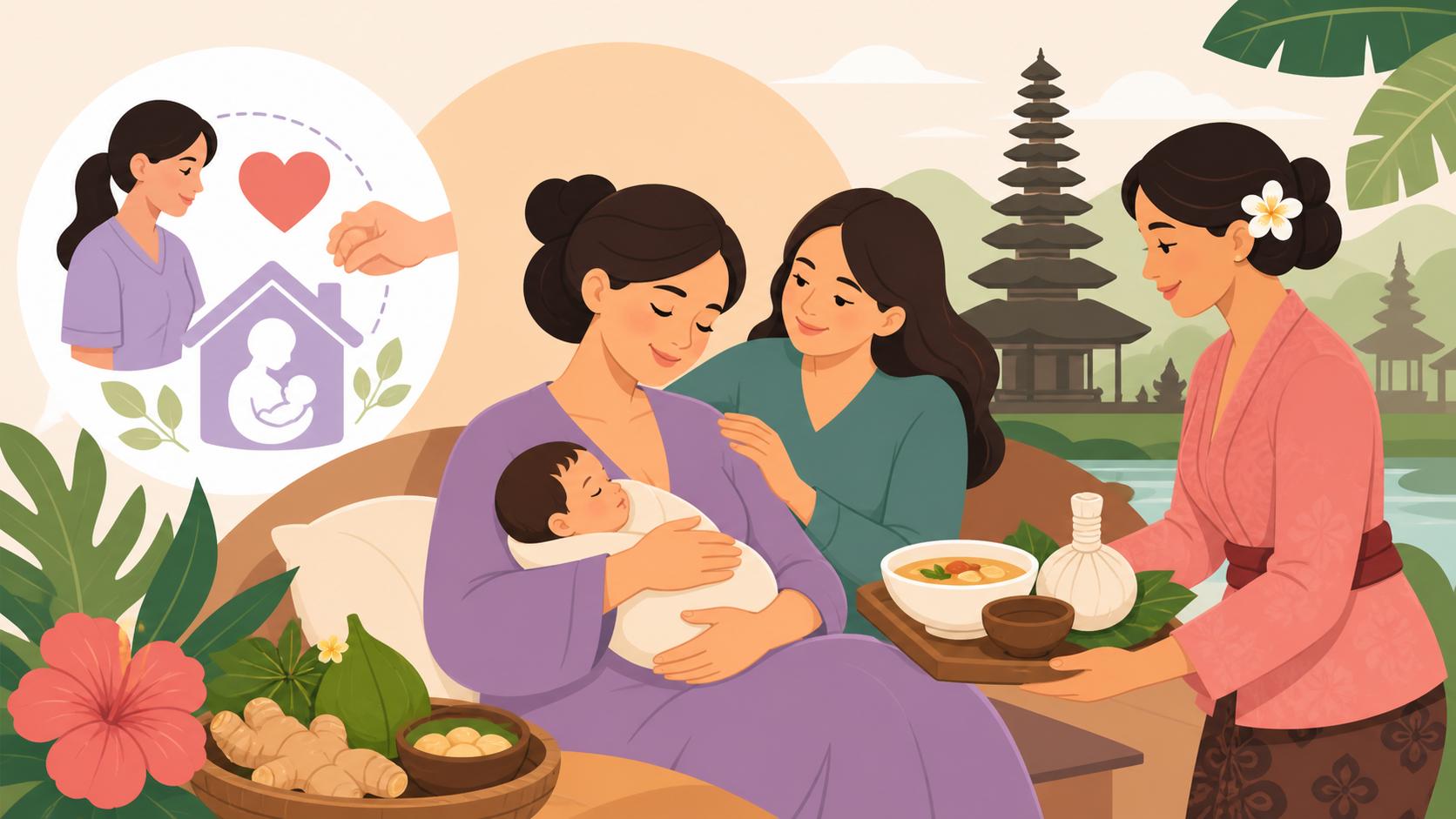
In Indonesia, the period following childbirth is not just a medical recovery phase; it is a sacred cultural transition known as Masa Nifas. Traditionally lasting 40 days, this period is centered around the idea that a new mother is "open" and vulnerable to "masuk angin" (trapped wind) and physical exhaustion. For many of us coming from Western cultures where we are expected to be back at the grocery store within a week, the Indonesian approach can be a bit of a culture shock—but a welcome one if you lean into it.
The Tradition of Masa Nifas
Masa Nifas is the local version of "confinement." During these 40 days, the mother is traditionally expected to stay indoors, keep warm, and focus entirely on bonding and healing. While you might find some of the older generation’s advice—like not washing your hair or wearing socks in 30-degree heat—a bit much, the core intent is beautiful. It is about "ibu" (the mother) being cared for so she can care for the baby.
In my experience, local friends will often be surprised if they see you out and about too early. Embracing even a modified version of this confinement can help you set boundaries with visitors and prioritize your rest. If you are struggling with the transition, looking into healthcare for foreign residents can provide a broader perspective on how the local system supports residents during these sensitive times.
The Role of Jamu and Herbal Healing
You cannot talk about postpartum care in Indonesia without mentioning Jamu. These traditional herbal tonics are often prescribed by local elders or specialized healers to help the uterus contract and to boost breast milk production. Common ingredients include turmeric, ginger, and tamarind. While some expats swear by the "Jamu Bersalin" kits found at local pharmacies, others prefer to stick to imported supplements.
If you prefer a mix of traditional and modern, many mothers supplement their local diet with high-quality vitamins ordered through iHerb to ensure they are meeting their nutritional needs while recovering. It is always a balancing act between respecting the local "Ibu" wisdom and following the Western medical advice we grew up with.
Hiring Specialized Support: The Suster Nifas
One of the greatest luxuries of living in Indonesia as an expat is the accessibility of affordable, specialized help. In many of our home countries, a "night nurse" is a celebrity-level luxury. Here, hiring a Suster Nifas (postpartum nanny) is a standard practice for many middle-class locals and the majority of the expat community.
What to Expect from a Suster Nifas
A Suster Nifas is different from a general nanny or "pembantu." They are specifically trained in newborn care and postpartum recovery. They usually live in for the first month or two, handles the baby's laundry, sterilization of bottles, and—most importantly—the night feedings or bringing the baby to you for nursing.
This allows you to actually get a stretch of sleep, which is the number one factor in preventing postpartum depletion. When interviewing, it is vital to be clear about your parenting style. Some suster may have old-school ideas about "bedong" (swaddling) very tightly or giving water to newborns, so clear communication is key. For more on managing household dynamics, check out our guide on hiring and managing household staff.
Costs and Sourcing Reliable Help
The cost of a specialized postpartum nanny varies significantly between Jakarta, Bali, and smaller cities. In Jakarta, you might pay a premium for someone who has worked with expat families and speaks some English. Most of us find these angels through "word of mouth" in expat Facebook groups or through specialized agencies.
It is common to pay a daily rate or a monthly salary that includes a "uang makan" (food allowance). Remember that if your suster is with you during a major holiday, you may need to navigate the THR (Tunjangan Hari Raya) requirements, even for short-term specialized staff.
Traditional Physical Recovery: Massage and Bengkung
Indonesian postpartum massage is, in my opinion, one of the best-kept secrets of the expat life. It isn't just a relaxing spa treatment; it is a rigorous, functional massage designed to help your body return to its pre-pregnancy state.
The Art of Pijat Setelah Melahirkan
Traditional postpartum massage (Pijat Setelah Melahirkan) usually starts about a week after a natural birth or several weeks after a C-section (with doctor approval). A "dukun bayi" or a specialized massage therapist will come to your home. They focus on the abdominal area, using specific techniques to encourage the uterus to shrink and to relieve the back pain that comes from breastfeeding.
Many expat mothers find this helps immensely with the "baby blues" as it provides a dedicated hour of physical care and human touch. If you are in the capital, you can find many specialized centers, often listed in a Jakarta healthcare guide for those seeking high-end care.
Bengkung: The Traditional Belly Wrap
Along with the massage, you will likely be introduced to "Bengkung." This is a long strip of cloth, sometimes up to 10 meters long, that is wrapped tightly around the abdomen. It is often applied over a paste of warming herbs. The sensation is very supportive, almost like a medical-grade binder but more customizable.
While Western doctors have mixed reviews on whether it actually "shrinks" the waist, many expat moms find the postural support invaluable during those weeks when your core feels like jelly. You can buy these wraps locally, but for other postpartum essentials like high-quality nursing pads or organic nipple creams, many of us rely on iHerb for brands we trust from back home.
Navigating the Healthcare System for You and Your Baby
The administrative side of having a baby in Indonesia can be a headache, especially when you are sleep-deprived. Between the 24-hour pediatrician visits and the paperwork for the embassy, it feels like a full-time job.
Finding a Pediatrician You Trust
In Indonesia, pediatricians (Dokter Anak) are often very accessible via WhatsApp, which is a lifesaver. However, the style of care can be different; some doctors are quick to prescribe antibiotics or supplements. It is important to find someone who aligns with your philosophy.
Many expats choose to use private hospitals like Siloam or Pondok Indah for their specialized facilities. When searching, it helps to look for English-speaking doctors to ensure you can communicate your concerns clearly. Many of these doctors have studied abroad and understand the specific concerns of the international community.
Mandatory Vaccines and Checkups
Indonesia has a strict schedule for childhood immunizations. If you are planning on staying long-term, you will want to keep a "Buku Pink" (the pink health book) updated. This book is the gold standard for tracking growth and vaccinations in the country.
For many expat families, private insurance like Cigna Global is essential because it covers the high costs of international-standard clinics and ensures you aren't waiting in long lines for routine care. To understand the full scope of what is required, read our detailed breakdown of private health insurance in Indonesia.
| Service Type | Provider | Typical Duration | Focus Area |
|---|---|---|---|
| Suster Nifas | Specialized Agency / Referral | 1 – 3 Months | Newborn care & Mother's sleep |
| Pijat Melahirkan | Home-visit Therapist | 7 – 40 Days | Uterine recovery & Lymphatic drainage |
| Bengkung | Traditional Healer / Self | 40 Days | Postural support & Abdominal binding |
| Pediatric Care | Private Hospital / Clinic | Ongoing | Vaccinations & Growth tracking |
Mental Health and the Expat "Village"
The "village" we are told we need to raise a child doesn't exist by default when you're an expat. You have to build it, and you have to do it while you're exhausted. This is where many of us hit a wall.
Overcoming Isolation and Postpartum Depression
Postpartum depression (PPD) doesn't care if you have a beautiful villa in Bali or a high-rise in Kuningan. In fact, the "perfect" expat life can sometimes make you feel more guilty for struggling. It is vital to recognize the signs early. Because mental health is still a developing field in Indonesia, you may find that local doctors are more focused on the physical side of recovery.
For expat-specific support, seeking out counseling in English is a crucial step. Many therapists now offer Zoom sessions, but having someone on the ground who understands the specific stress of living in "macet" (traffic) and away from home is invaluable.
Finding Support Groups
In Jakarta, groups like the Jakarta Moms Group or various national associations (ANZA, BWA, AWA) offer a lifeline. In Bali, the community is even more concentrated in areas like Canggu or Ubud. These groups aren't just for playdates; they are for asking "where can I find a good lactation consultant?" or "has anyone else had a suster who does X?"
Don't be afraid to reach out. We have all been the new mom standing awkwardly at a coffee morning. For more structured help, especially regarding children with different needs, you might look into therapy and school support within the city.
Essential Logistics for the New Addition
Before you get too comfortable in your postpartum bubble, there are a few "un-fun" things that need to be handled to ensure your baby is legally allowed to stay in the country.
Birth Certificates and Visas
You need to register the birth with both the Indonesian authorities and your home embassy. This process involves getting a local birth certificate (Akta Kelahiran), which can be a bit of a bureaucratic maze. If you are a KITAS holder, your baby will also need their own visa.
Waiting too long can result in fines or complications if you need to travel suddenly. For a step-by-step guide on this, see our guide to registering a newborn baby born in Indonesia. It is one of those things you should definitely delegate to your HR department or a reliable visa agent if you have the chance.
Insurance and Budgeting for the Future
Adding a family member changes your financial landscape significantly. While the BPJS Kesehatan provides basic coverage, most expats find it insufficient for the level of care they want for their children.
This is where a robust policy from Cigna Global becomes the "Hero" of your healthcare strategy. It allows you to choose your doctors, access the best private rooms, and—most importantly—covers medical evacuation if a serious issue arises that cannot be handled locally. Managing these costs is a big part of healthcare budgeting for new parents.
Practical Preparation: Gear and Supplies
Finally, let's talk about the stuff. While Indonesia has plenty of malls (especially in Jakarta), finding specific international brands can be hit or miss, or significantly more expensive due to import taxes.
What to Buy Locally vs. Import
High-end strollers and car seats are available at stores like Mothercare or various boutiques in Grand Indonesia and Senayan City. However, for specific organic baby washes, high-dose Vitamin D drops, or certain nursing supplements, many of us keep a rolling cart on iHerb.
The shipping to Indonesia is surprisingly fast, and as long as you stay under the tax threshold (or are prepared to pay the 11% PPN), it is often cheaper than buying imported goods at a local "Expat Supermarket."
Setting Up Your Home for a Tropical Baby
Air conditioning is your best friend, but it can also dry out a newborn's skin. Many expat moms find they need a good humidifier and high-quality, breathable cotton clothing. The "mosquito struggle" is also real. Finding a safe, DEET-free repellent that actually works in the tropics is a constant topic of conversation in the "village."
Ensuring your home is a sanctuary is part of the recovery. If you're still in the process of setting up your life here, our complete starter guide covers everything from air filters to water purifiers, which are essential when you're preparing bottles and bathing a tiny human.
Postpartum Care and Confinement Traditions Disclaimer
This guide is intended for informational purposes and reflects the personal experiences of the expat community in Indonesia. It is not a substitute for professional medical advice, diagnosis, or treatment. Always seek the advice of your physician or a qualified health provider with any questions you may have regarding a medical condition or the health of your newborn. Traditional practices like Jamu or physical binding should be discussed with your healthcare provider, especially following a surgical birth. Additionally, visa and legal regulations in Indonesia change frequently; always verify current requirements with an official immigration representative or a certified legal consultant.