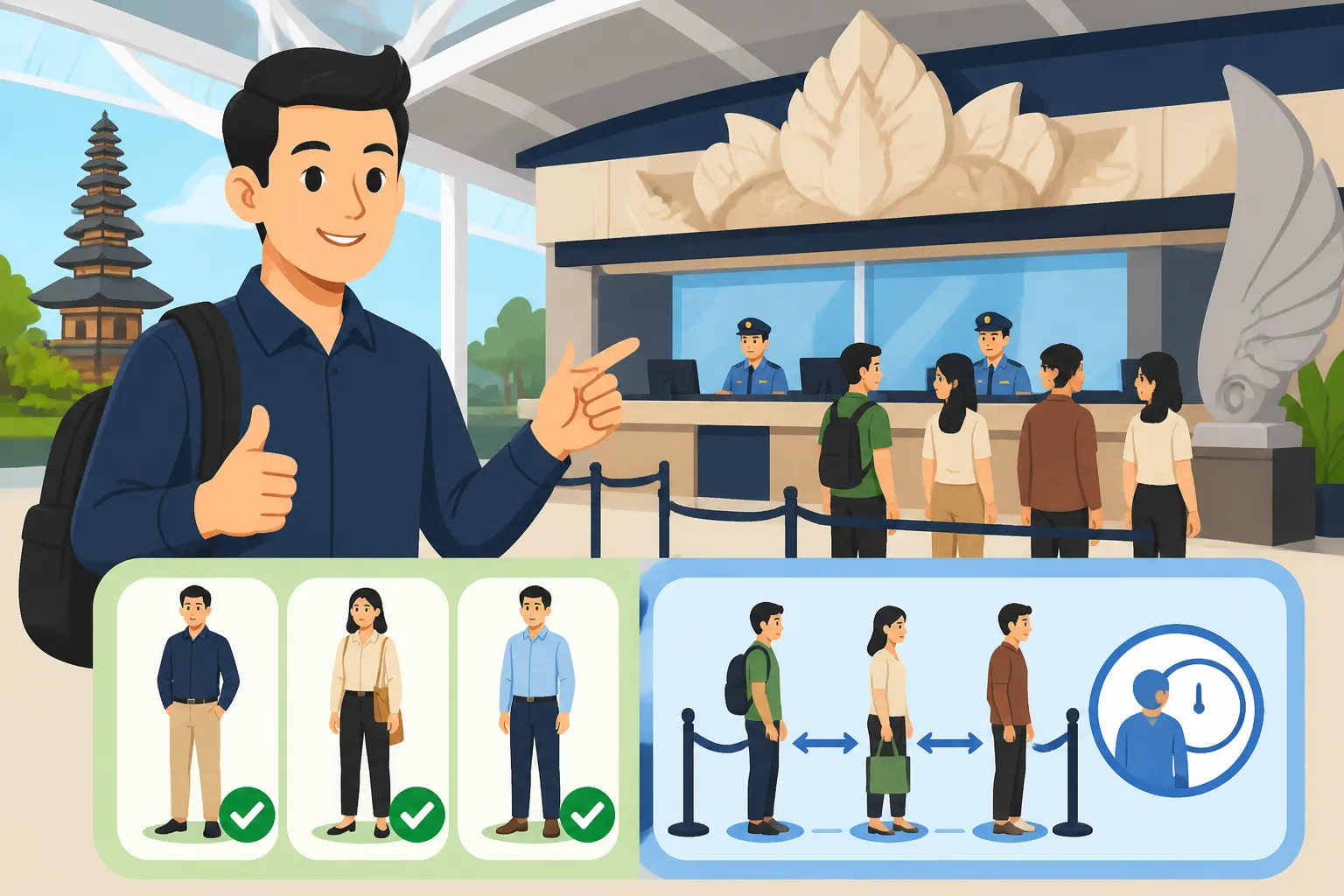
Ngurah Rai Immigration Office Guide: Dress Codes and Queue Tips
Arriving at the Ngurah Rai Immigration Office only to be turned away because your knees are showing or you forgot a specific photocopy is an exhausting rite of passage. I still remember the sinking feeling of being denied entry in the sweltering Bali heat simply because I wore flip-flops for a "quick" photo session. This guide ensures you navigate the dress code and queue systems at the Jimbaran-based office without the typical expat headaches.
Navigating the Ngurah Rai Immigration Environment in Jimbaran
The Kantor Imigrasi Kelas I Khusus TPI Ngurah Rai is not actually located at the airport, which is a common misconception for newcomers. Instead, it sits prominently in the Mumbul area of Jimbaran. This office is the administrative heartbeat for foreigners living in South Bali, covering everything from Bali Neighborhoods: Seminyak, Canggu, Sanur, Ubud, and the Bukit down to the southernmost cliffs of Uluwatu. Because it handles such a high volume of tourists and long-term residents, the atmosphere can be high-pressure and deeply bureaucratic.
When you first pull into the parking lot, you will notice a mix of stressed-out tourists, seasoned visa agents (Biro Jasa), and immigration officers. The facility is modern compared to many regional offices, but the sheer volume of people means that "island time" does not apply to the queues—only to the waiting. You are there for a specific purpose, whether it is for Getting Your Physical KITAS Card: Visiting the KanIm Office for Photos or finalizing a transition from a tourist stay to a more permanent residency.
Understanding the layout is your first step. There are separate entrances and wings for Indonesian citizens (Passport services) and foreigners (WNA services). Always follow the signs for "Layanan WNA" (Foreigner Services). If you are using a service like iVisa for your initial entry permits, you might avoid some of the early-stage hurdles, but for KITAS and KITAP holders, a physical visit to the Mumbul office is an inevitable reality of Immigration Compliance: Address Changes, EPOs, Overstays, and Reporting.
The Non-Negotiable Dress Code: What Sopan Really Means
The concept of "Sopan" or politeness/modesty is the foundational rule for entering any government building in Indonesia. While Bali feels like a never-ending beach party, the Ngurah Rai Immigration office is a formal state institution. The officers at the front gate act as gatekeepers, and they take the dress code very seriously. If you fail to meet these standards, you will be refused entry, regardless of how long you waited in traffic or how urgent your visa deadline is.
For men, this means no sleeveless shirts, no tank tops, and definitely no board shorts. You should aim for a collared shirt (a polo is usually the safest bet) and long trousers. While some people occasionally slip through in dark jeans, chinos are much more respected. Crucially, your footwear must be closed. Do not show up in Birkenstocks or flip-flops; wearing sneakers or loafers shows that you respect the local regulations. I have personally seen expats forced to buy overpriced, ill-fitting trousers from nearby vendors just to make their appointments.
For women, the rules are equally strict but slightly more varied. Shoulders must be covered—avoid spaghetti straps or halter tops. A light shawl or cardigan over a dress is a good backup plan. Your skirt or dress must fall below the knees. If you are wearing leggings, ensure your top is long enough to cover your hips, as tight-fitting athletic wear is often frowned upon. Like the men, women should avoid open-toed sandals if possible, though elegant sandals are sometimes tolerated more than beach-style thongs. If you are coming from a session of Health and Wellness in Bali: Yoga, Holistic Clinics, Diet, and Retreats, make sure to change into formal attire before arriving at the office.
Mastering the Queue: Timing and Strategy
The queue system at Ngurah Rai is a two-tier process: the digital appointment and the physical ticket. Most "onshore" processes now require you to have an appointment via the M-Paspor app or a web-based portal. However, for many foreigners, the appointment is managed by their sponsor or agent. Even with a scheduled time, you are still subject to the daily flow of the office.
The "Early Bird" strategy is the only one that truly works here. The office typically opens for foreigner services at 8:00 AM, but the queue for the reception desk often starts forming by 7:15 AM. If you arrive at 10:00 AM, you are likely to face a 3-to-4-hour wait. The reception desk will verify your documents and give you a paper ticket with a letter and a number (e.g., A-045). This ticket determines your fate for the rest of the day.
Inside the waiting hall, there are digital screens announcing the numbers. It is vital to stay within earshot of the speakers. If your number is called and you are outside taking a phone call or grabbing a coffee, they will skip you immediately, and you may have to restart the entire daily process. If you have children, the wait can be particularly grueling. While there are some basic facilities, it is wise to bring water and snacks, though eating discreetly is preferred. For those managing long-term health needs, ensure you have your essentials with you, perhaps even checking your Bali Healthcare Guide: Hospitals, Clinics, and Emergency Contacts for Residents for nearby pharmacies if the heat starts to get to you.
| Visit Type | Best Arrival Time | Estimated Wait | Required "Vibe" |
|---|---|---|---|
| Photo & Fingerprints | 7:30 AM | 2-4 Hours | Patient & Formally Dressed |
| Document Drop-off | 8:00 AM | 1-2 Hours | Organized & Efficient |
| Passport Collection | 1:30 PM | 45-90 Mins | Quick & Alert |
| Emergency Consultation | 8:00 AM | Variable | Calm & Respectful |
Document Preparation and the Photo Session Walkthrough
The most common reason for a physical visit to the Ngurah Rai office is the "Foto & Sidik Jari" (Photo and Fingerprints) session. This happens after your KITAS Explained: Working, Dependent, and Investor Temporary Stay Permits has been processed at the central level and the local office needs to verify your identity. When your number is finally called, you will enter a smaller room filled with booths.
Before you sit down, the officer will check your folder. You must have your original passport and a complete set of photocopies. Do not assume the immigration office will make copies for you; while there is a small photocopy stall in the parking lot area, it is often crowded and the machines frequently break. If your documents are in a language other than English or Indonesian, you will need to have used Certified Translators (Penerjemah Tersumpah) for Immigration Documents to ensure they are legally recognized. Services like RushTranslate can be invaluable here to avoid being sent home for "unverifiable" paperwork.
During the photo session, you must sit straight and look directly at the camera. If you are wearing glasses with heavy frames, you might be asked to remove them. The fingerprinting process uses a digital scanner; if your hands are particularly dry or sweaty, the machine may struggle to read them. I’ve found that using a little hand sanitizer right before—and drying them thoroughly—helps the sensors pick up the prints faster. Once the officer confirms the data is captured, they will give you a "Bukti Pengantar" (receipt). Keep this document safe; it is the only proof you have that your passport is in their possession and it tells you exactly when to return for collection.
Logistics: Parking, Power, and Pro-Tips
The logistics of the Ngurah Rai office can be as challenging as the paperwork. The parking lot for motorbikes is usually packed, and cars can find it nearly impossible to find a spot after 9:00 AM. If you are driving a car, I highly recommend using a ride-sharing app or hiring a driver for the day. This saves you the stress of circling the block and allows you to be dropped off right at the entrance, keeping your formal clothes crisp and sweat-free.
Inside the office, the air conditioning is generally strong, but with 200 people in the waiting room, it can still feel stuffy. There are charging stations for phones, but they are almost always occupied. If you are working remotely while waiting, bring a fully charged power bank. Having a digital backup of all your documents on your phone—stored securely, perhaps using a VPN if you're on their public Wi-Fi—is a smart move for Immigration Compliance: Address Changes, EPOs, Overstays, and Reporting.
Another insider tip involves the collection process. Collections usually happen in the afternoon, often between 1:00 PM and 3:00 PM. Do not show up at 8:00 AM to collect your passport unless specifically instructed; the "collection box" usually isn't even opened until after the officers return from their lunch break. If you are feeling unwell or have an emergency during your wait, knowing the Emergency Numbers in Indonesia: 118/119 for Ambulance and What to Expect is helpful, though the office staff are generally trained to handle basic medical distress. If you find the process overwhelming, remember that companies like Cigna Global often provide support or advice for expats navigating these local administrative hurdles.
Final Checklist for a Successful Visit
To ensure you only have to visit the Jimbaran office once per process, go through this checklist the night before:
- Clothing: Collared shirt, long pants, closed shoes (laid out and ready).
- Folder: Original passport, printed e-visa, sponsor's KTP copy, and Surat Domisili (Domicile Letter): How to Get it from the Village Head.
- Copies: At least two copies of every single page in your folder.
- Digital: A screenshot of your appointment QR code (don't rely on live internet).
- Power: A portable charger and a bottle of water.
The Ngurah Rai Immigration office is a place of business, not a place of leisure. If you approach the officers with a smile, speak a few words of Bahasa Indonesia, and strictly adhere to their rules, you will find that the process—while long—is surprisingly predictable. Most "horror stories" from the immigration office stem from simple misunderstandings of the dress code or missing photocopies. By being the most prepared person in the room, you turn a stressful day into just another successful step in your Bali expat journey.
Disclaimer
The information provided in this guide is for general informational purposes only and does not constitute legal or professional advice. Immigration regulations in Indonesia, including dress codes and queue systems, are subject to frequent changes without notice. While we strive to keep this information up to date, always verify current requirements with the official Ngurah Rai Immigration website or a licensed visa agent before your visit. We are not responsible for any delays, fines, or visa denials resulting from the use of this guide.