Re-entering Indonesia on a Tourist Visa Immediately After an EPO
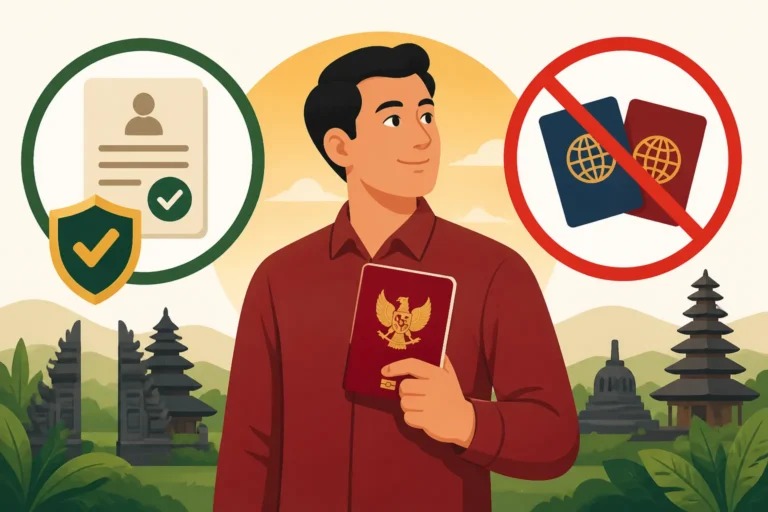
The stress of seeing that red "Exit Permit Only" stamp in your passport is a rite of passage for every long-term expat in Indonesia. I remember my first time standing in the heat of the South Jakarta immigration office, clutching my passport and realizing I only had seven days to pack my entire life. This guide solves the confusion of how to legally bounce back into the country as a tourist without triggering red flags or facing rejection at the border.
Understanding the EPO Process and the Seven Day Deadline
The Exit Permit Only, or EPO, is the formal administrative process of "closing" your residency permit. Whether you were here on a work KITAS, a spouse-sponsored permit, or an investor visa, the EPO signals to the Directorate General of Immigration that your stay under that specific category has ended. Once the immigration officer at your local Kanim (Kantor Imigrasi) processes the request from your sponsor, they will affix a stamp or generate an electronic notification. From that exact moment, the clock begins ticking. You generally have exactly seven days to physically cross the Indonesian border and exit the country.
Many expats mistakenly believe the seven-day window is a suggestion or that they can negotiate an extension at the airport. In my experience, the Indonesian immigration system is incredibly strict regarding this timeline. If you miss your window, you move from being a compliant resident to someone who is technically overstaying their permit. Failing to leave within that week can lead to complications like Overstaying Your Visa in Indonesia: IDR 1,000,000 Daily Fines and Deportation Risk. It is vital to coordinate with your HR department or your visa agent to ensure the EPO isn't filed until you are truly ready to board a flight.
The psychological weight of the EPO is significant because it marks the end of your "resident" status. Suddenly, your KTP-el (foreigner ID) and your NPWP (tax ID) are linked to a permit that is no longer active. During these final seven days, you are essentially in a state of administrative limbo. You are no longer a resident with full rights, but you aren't yet a tourist. This is why What to Do When Your EPO is Issued: You Have 7 Days to Leave is such a critical period for organizing your belongings, closing out local utility bills, and ensuring your bank account remains accessible for your eventual return.
The Logistics of the Visa Run to Singapore or Kuala Lumpur
To re-enter as a tourist, you must first technically "leave." This is the classic visa run. Most expats choose Singapore or Kuala Lumpur because the flights are frequent and relatively inexpensive. However, the "immediate" part of re-entry is where people get nervous. Can you fly out at 10:00 AM and fly back at 6:00 PM the same day? While it is physically possible, it is often better to stay at least one night in a neighboring country. This creates a clear digital trail in the regional immigration databases, showing that you have fully complied with the exit requirement of your previous visa.
Before you fly, you should decide which tourist entry method you will use. Most people opt for the Visa on Arrival (VoA) or the increasingly popular e-VoA. Using services like iVisa can help you navigate the digital application process for these entries before you even land back at Soekarno-Hatta or Ngurah Rai. If you plan to stay longer than 60 days, you might consider the B211A tourist visa, which offers more flexibility. Understanding the nuances between these options is essential, so I recommend reading up on Visa on Arrival (VoA) and B211A Tourist Visas: What You Can and Cannot Do before you finalize your flight bookings.
A common hurdle during the visa run is the documentation required for re-entry. Even though you were just a resident, the immigration officer at the arrival hall will now treat you as a first-time visitor. You will need proof of a return flight or an onward ticket out of Indonesia. I have seen many people get pulled aside because they assumed their "old" status would grant them leniency. It doesn't. You must appear like a genuine tourist. If your documents from your previous residency are in a foreign language and you need them for any local administrative checks during your transition, using a service like RushTranslate can ensure your paperwork is legally recognized and ready for any scrutiny.
| Entry Method | Duration | Extension Potential | Best For |
|---|---|---|---|
| e-VoA (Electronic Visa on Arrival) | 30 Days | 1-time extension (30 days) | Short-term stays and packing up |
| B211A Visit Visa | 60 Days | Up to 2 extensions (60 days each) | Waiting for a new KITAS or long-term travel |
| Visa Exemption (ASEAN only) | 30 Days | Non-extendable | Quick trips for ASEAN passport holders |
Navigating the Arrival Hall After an EPO
When you land back in Indonesia, the most important thing is your mindset. You are now a guest. When the immigration officer asks about the purpose of your visit, the correct answer is "tourism" or "visiting friends." If you tell them you are coming back to finish your job or continue working, you are admitting to a violation of your visa status. Even if you are just coming back to pack your boxes and ship your furniture, in the eyes of the law, you are a tourist. Be polite, be brief, and have your e-Visa and Molina System: How to Apply Online Without Visiting an Embassy confirmation printed out and ready to show.
Sometimes, an officer might notice your recent EPO stamp and ask why you returned so quickly. This is where "I've-been-there" realism is key: do not panic. Simply explain that you enjoyed your time living here and want to spend a few weeks traveling as a tourist before you move on to your next destination or return to your home country. This is a perfectly legal and common scenario. As long as you have your onward ticket and proof of funds, they generally have no reason to deny entry. However, if you are planning to stay in high-cost areas, make sure you have checked the Cost of Living in Bali 2026: Budgeting for Digital Nomads and Retirees to ensure your bank statement matches your intended length of stay.
One technical detail that often trips people up is the address you provide on your arrival card or digital entry form. Do not provide your old office address. Use the address of a hotel or the villa where you will be staying. This is part of Immigration Compliance: Address Changes, EPOs, Overstays, and Reporting. Keeping your story consistent with your "tourist" status is the best way to ensure a smooth transition. If you are returning to wait for a new KITAS to be processed, ensure your agent has everything they need so you don't accidentally overstay your new tourist visa while waiting for the new permit to be issued.
Practical Adjustments: Insurance and Financial Continuity
The biggest "hidden" problem with the EPO-to-Tourist transition is the loss of benefits. The moment your KITAS is cancelled, your employer-sponsored BPJS Kesehatan (health insurance) usually stops or becomes complicated to access. Walking around Bali or Jakarta without health coverage is a massive risk. I always suggest transitioning to an international plan like Cigna Global during this "gap" period. This ensures that if you have a scooter accident or a sudden illness while on your tourist visa, you aren't stuck with massive out-of-pocket costs. You can learn more about managing these risks in our guide on Private Health Insurance in Indonesia: Bridging the Gap When BPJS Isn't Enough.
Your banking situation may also change. Some Indonesian banks are very aggressive about checking the validity of your KITAS. While they rarely close an account the day of your EPO, they might restrict certain features or refuse to renew your debit card if it expires while you are on a tourist visa. It’s a good idea to move enough cash to an e-wallet or a digital bank before the EPO is finalized. This allows you to continue using QRIS for payments, which is essential for daily life. Maintaining financial stability is a key part of Exit Permit Only (EPO) vs ERP: Closing Your Visa Before Leaving Indonesia, as it prevents you from being stranded without local currency.
Finally, consider your physical health. Moving from the structured life of an expat resident to the transient life of a tourist can be exhausting. If you find yourself needing medical attention during this time, it's worth knowing the local landscape. Our guide on Medical Evacuation (Medevac) Services in Indonesia: Costs and Insurance Coverage is a must-read for anyone who is "between" visas and might not have the full support of a local HR department anymore. Being prepared for the worst-case scenario allows you to enjoy the "tourist" side of Indonesia with much less anxiety.
Important Disclaimer
The information provided in this guide is for informational purposes only and does not constitute legal, financial, or immigration advice. Indonesian immigration laws and regulations, including the "Molina" e-visa system and EPO protocols, are subject to frequent changes. Always consult with an official representative from the Directorate General of Immigration or a licensed visa agency (Biro Jasa) before making travel arrangements or submitting legal documents. We are not responsible for any visa denials, fines, or deportations resulting from the use of this information.