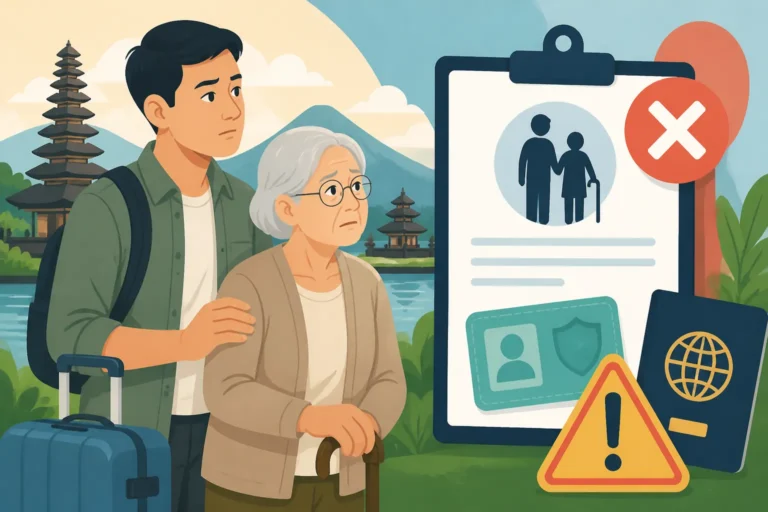
What to Do When Your EPO is Issued: You Have 7 Days to Leave
The moment that red "Exit Permit Only" stamp hits your passport page, the clock starts ticking with a mechanical precision that can feel a bit unnerving. I’ve been there—sitting in a plastic chair at the South Jakarta immigration office, staring at my phone and realizing I had exactly 168 hours to wrap up a life I spent years building. This guide breaks down exactly how to navigate those final seven days so you leave Indonesia on good terms, rather than in a state of frantic panic.
The EPO Reality Check: What Exactly Happens After Approval
An Exit Permit Only, or EPO, is the formal process of deactivating your Limited Stay Permit (KITAS). Whether you are resigning from a job, finishing a study program, or simply deciding it’s time for a new chapter in a different country, the EPO is the final administrative "divorce" from your current residency status. Unlike some other countries where you might have a grace period of 30 days to pack your bags, Indonesia is quite strict: once that EPO is issued, you generally have seven days to physically exit the country.
One of the biggest frustrations expats face is the "onshore" nature of the EPO. Your passport usually needs to be physically present at the immigration office (Kantor Imigrasi) to receive the stamp. In some cases, your sponsor or agent can handle this, but the result is the same. The date on that stamp is your Day Zero. If you are switching jobs, you’ll likely need to go through the How to Transfer a KITAS to a New Employer Without Leaving the Country process, but if you are leaving the country entirely, the 7-day rule is your new reality. It is a hard deadline that leaves very little room for error.
The pressure is real because the consequences of overstaying even by a few hours are steep. Indonesia currently charges an overstay fine of IDR 1,000,000 per day. If you miss your flight on Day 7 and have to leave on Day 8, you are headed for the airport immigration office's "special room" to pay that fine before you are allowed to board. It’s an expensive and stressful way to say goodbye to the Archipelago.
Navigating the 7-Day Countdown: A Day-by-Day Survival Plan
When you only have a week, you cannot afford to "wing it." You need a tactical approach to your departure. Having lived through this twice—once leaving Jakarta for a stint in Europe and once moving between Bali and Singapore—I’ve learned that the administrative load is always heavier than you think.
Days 1 to 2: Housing and Immediate Logistics
The first 48 hours should be dedicated to your physical environment. If you have been renting a villa or an apartment, you need to conduct your final walkthrough immediately. Landlords in Indonesia can be hit-or-miss with deposit returns. Referencing Getting Your Deposit Back: Common Deductions and Move-Out Cleaning can help you prepare for those "creative" deductions landlords often try to make at the last minute.
You should also handle your utilities. If you use the token system for electricity, ensure there is enough balance for the next tenant or the landlord to keep the lights on. If you are on a postpaid plan, you’ll need to settle the final bill. This is also the time to coordinate with any moving companies if you are shipping personal effects. For those moving pets, the timeline is much longer, but if you're at the EPO stage, hopefully, you’ve already cleared the hurdles mentioned in Pet Import Rules: Navigating Quarantine and Rabies-Free Zone Restrictions (Bali).
Days 3 to 4: Banking, Tax, and Social Security
This is the "paperwork peak." You need to visit your bank branch to decide whether you will keep your account open or close it. Many expats choose to keep a small balance in a BCA or Mandiri account for future visits, but you must check the Closing Bank Accounts Upon Departure: What Happens to Dormant Balances rules to ensure your money doesn't get eaten by monthly admin fees.
Simultaneously, you must address your tax status. Ideally, your employer has already handled your Final Tax Clearance (EPO): Proving You Owe No Taxes Before Departure, but if you were an investor or on a self-sponsored visa, this falls on you. You also shouldn't forget about your social security. If you’ve been paying into the system, look into Deactivating BPJS Kesehatan When Leaving Indonesia Permanently to ensure no future bills accrue in your name, which could complicate a return to Indonesia years down the line.
Days 5 to 6: Selling the "Life Stuff" and Final Checks
By now, your suitcase should be the primary focus. Anything that didn't sell on Facebook Marketplace or the local community WhatsApp groups needs to be donated. Spend Day 6 doing a "sweep" of your digital life. Ensure your Gojek and Grab accounts are unlinked from your Indonesian credit cards if you are closing them.
Day 7: The Departure
Arrive at the airport early. You will go through the normal immigration line, but the officer will look specifically for that EPO stamp. They may ask for a copy of your EPO approval document (the printout from the online system), so keep a physical folder of all your immigration papers handy.
Handling Red Tape and Logistics Before the Flight
One thing I cannot stress enough is the importance of having your documents translated and organized. If you are moving to another country for work, you may need your Indonesian work certificates or lease terminations legalized. Services like RushTranslate are invaluable here, as they can provide certified translations that are recognized globally. Don't wait until you're in the airport lounge to realize your next employer needs a translated version of your Indonesian police record.
Your health coverage is another major "gap" area. Once your KITAS is cancelled via EPO, your local Indonesian insurance or BPJS might cease to cover you effectively. I always recommend having a global policy from a provider like Cigna Global during this transition phase. It ensures that if something happens during your final week or while you are in transit to your next destination, you aren't left with a massive medical bill in a country where you no longer have residency rights.
Lastly, check the entry requirements for your next destination. Just because you are "free" from Indonesia doesn't mean you automatically have entry elsewhere. Using iVisa to quickly check visa requirements for your next stop—whether it's a "visa run" to Singapore or a flight back to your home country—can save you from being turned away at the check-in counter in Cengkareng or Ngurah Rai.
| Task Category | Action Item | Priority |
|---|---|---|
| Immigration | Ensure EPO stamp is visible and dated | Critical |
| Housing | Final inspection and key handover | High |
| Utilities | Settle PLN, PDAM, and Biznet/IndiHome bills | Medium |
| Finance | Withdraw remaining IDR or transfer via Wise | High |
| Healthcare | Deactivate BPJS and confirm private coverage | Medium |
| Documents | Get Certified Translators (Penerjemah Tersumpah) for Immigration Documents | High |
Frequently Asked Questions and Final Warnings
The most common question I get is: "Can I get an EPO if I am already outside Indonesia?" The short answer is no, that would be an ERP (Exit Re-entry Permit) which is a different process. The EPO requires your passport to be stamped by an officer within the country. If you leave without an EPO, your KITAS remains "active" in the system until it expires, which can cause massive headaches if you try to apply for a new visa later. Your previous sponsor will be "blocked" from hiring new foreigners until your old slot is cleared.
Another point of confusion is the "Switching" process. If you aren't actually leaving but just moving to a new company, the process is slightly different. You will still get an EPO from your old sponsor, but your new sponsor must immediately begin the new KITAS application. In this scenario, you are often required to do a "visa run." You'll receive your EPO, fly to Singapore or KL, and then use a service like iVisa to process your new entry visa before returning to start your new job.
Be very careful with the Overstaying Your Visa in Indonesia: IDR 1,000,000 Daily Fines and Deportation Risk regulations. If your 7th day falls on a public holiday or a Sunday, do not assume you get an extra day. The 7-day window is calendar days, not working days. I have seen expats get stuck because they thought they could leave on the 8th day since the 7th was a "tanggal merah" (red date/holiday). Immigration officers at the airport do not care about holidays; they care about the date on the stamp.
Leaving the Country Cleanly
Leaving Indonesia is rarely as simple as just buying a plane ticket. The EPO process is designed to ensure that all your "unfinished business" is concluded. This includes confirming you haven't left behind any legal or financial liabilities. If you have been involved in any local disputes, ensure they are settled. For those who have been living in more remote areas, remember that Navigating the Jakarta Immigration Office: Best Times to Arrive or the equivalent in Bali is much easier if you have a local agent (Biro Jasa) assisting you with the EPO filing to ensure it is done correctly the first time.
Final tip: keep a digital scan of your EPO stamp and the approval letter on a cloud drive forever. You will likely need to upload these documents if you ever apply for a Golden Visa (E28C) Guide: Investment Thresholds and Long-Term Residency or even a simple tourist visa in the future. Indonesia's immigration system is becoming increasingly digitized, and they have a very long memory regarding how you exited the country last time.
Disclaimer
This guide is based on personal experience and general administrative practices in Indonesia as of 2026. Immigration laws and "Exit Permit Only" (EPO) regulations are subject to frequent changes by the Directorate General of Immigration. Always consult with a licensed immigration agent or the official Immigration Website to confirm the specific requirements for your visa type before making travel arrangements. The author is not a legal professional and is not responsible for any fines or deportations resulting from the use of this information.