How to Replace a Lost BPJS Card Before Receiving Medical Treatment
Losing your health insurance card in Indonesia is a recipe for instant stress, especially if you are already feeling under the weather and heading toward a clinic. I remember the cold sweat I felt when I realized my physical BPJS card had vanished from my wallet right as I needed a referral for a specialist in South Jakarta. This guide solves exactly how to replace that lost card or bypass the need for it entirely using digital alternatives so you can get the treatment you need without the bureaucratic headache.
The Immediate Solution: Embracing the Digital Transition
Before you spend hours in traffic heading to a government office, you need to know that Indonesia has made massive strides in digitalizing its healthcare system. In many cases, you do not actually need to replace the physical plastic card anymore. The most efficient workaround is the Mobile JKN application. This app is the digital heart of the Indonesian social security system, and for most expats, it is a much more reliable tool than a piece of plastic that can be easily misplaced.
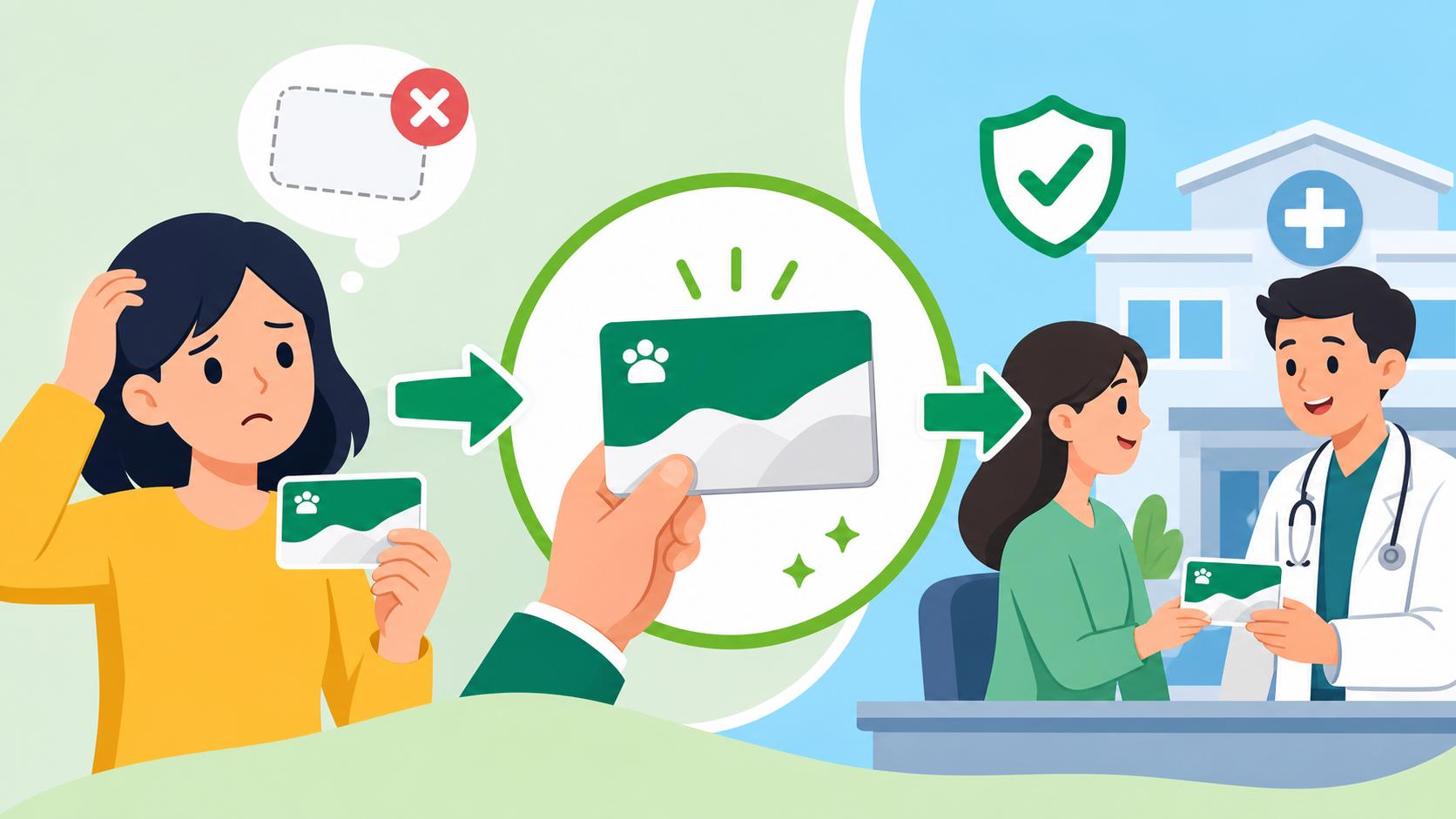
When you log into the app, you will find a feature called "KIS Digital." This is a digital version of your Kartu Indonesia Sehat (the official name of the BPJS card). I have found that almost every major hospital, from Siloam to Medistra, now accepts this digital QR code for registration. If you are in a rush and need treatment immediately, downloading this app and registering your account is the first thing you should do. It saves you the trouble of physical replacement and ensures your insurance details are always on your phone.
However, while the digital app is fantastic, some people still prefer having that physical backup. Or perhaps you are dealing with a smaller, local clinic (Faskes 1) that hasn't quite caught up with the QR scanners yet. In these instances, knowing how to navigate Using the Mobile JKN App: Registration, Checking Status, and Changing Clinics is essential, but you might still decide that a physical replacement is necessary for your peace of mind. During these times, having a secondary plan like Cigna Global can provide an extra layer of security, as their digital claims process is often more streamlined for international residents.
The Step-by-Step Guide to Physical Card Replacement
If you have determined that you absolutely must have a new physical card, the process is straightforward but requires a bit of "legwork" in the traditional Indonesian administrative sense. You cannot simply order a new one online and have it mailed to your villa or apartment. You will need to visit a BPJS Kesehatan branch office in person.
The first step is obtaining a police report, known locally as a Surat Tanda Penerimaan Laporan Kehilangan (STPLK). You need to visit your local police station (Polsek). Tell them you lost your "Kartu BPJS." They will ask for your identity; bring your original passport and a photocopy of your KITAS or KITAP. Usually, this process takes about 15 to 20 minutes, and while there is often no official fee, it is customary to provide a small voluntary contribution for the officer's time. This piece of paper is the "golden ticket" that proves to the BPJS office that you didn't just give your card to someone else.
Once you have the police report, gather your documents. You will need your original Passport, your KITAS/KITAP, and your NPWP (Tax ID) if you have one. It is also helpful to have your BPJS number written down or a screenshot of it from the Mobile JKN app. Head to the nearest BPJS Kesehatan branch. If you are in Jakarta, the office in Slipi or the one in South Jakarta are usually quite efficient if you arrive early. In Bali, the office in Renon, Denpasar, is the primary hub for these requests. Be prepared for a wait; bring a book or make sure your phone is charged so you can browse for health supplements on iHerb while you sit in the queue.
| Document Required | Purpose | Importance |
|---|---|---|
| Police Report (STPLK) | Legal proof of loss | Mandatory for physical re-issue |
| Passport & KITAS | Identity verification | Mandatory for foreigners |
| BPJS Number | Speeds up the search | Highly Recommended |
| Family Card (SKS) | For dependent replacements | Mandatory if replacing for children |
Navigating Medical Care Without the Physical Card
What happens if you are sick right now and cannot wait for a police report or a trip to the BPJS office? The good news is that the "NIK" system has largely replaced the need for physical cards. Your NIK (Nomor Induk Kependudukan) is the unique identity number found on your KITAS/KITAP or your SKTT (Residence Certificate). In the current healthcare landscape, your NIK is officially linked to your insurance profile.
When you arrive at a hospital, simply go to the BPJS registration desk and present your passport or your KTP-WNA (the ID card for foreigners). Inform the staff that you have lost your physical card but are an active member. They can look you up in the system using your NIK. This is why it is so important to keep your residency documents updated. If you are unsure about how your identity numbers link to your healthcare, you should read our guide on Lost Your Insurance Proof? Using Your NIK/KTP for Medical Access to understand how the back-end system works for expats.
I have been in situations where the hospital system was "offline" or the staff were unfamiliar with how to process a foreigner without a physical card. In these moments, it helps to be firm but polite. Show them the digital card on the Mobile JKN app. If they still insist on a physical card, this is where having private insurance through Cigna Global becomes a lifesaver. You can simply switch to your private insurance for that visit to avoid the delay in treatment and deal with the BPJS bureaucracy later when you are feeling better. After your visit, you might want to order some recovery essentials like electrolytes or vitamins from iHerb to help get back on your feet faster.
Understanding the Integrated Healthcare System (KRIS)
As you go through the process of replacing your card, you might notice the terminology changing. Indonesia is currently transitioning to the KRIS (Kesehatan Republik Indonesia Sehat) system, which standardizes hospital wards. This transition means that the old "Class 1, 2, and 3" designations on your physical card are becoming less relevant. When you get your replacement or use your digital ID, you are tapping into a system that aims to provide a standardized level of care for everyone.
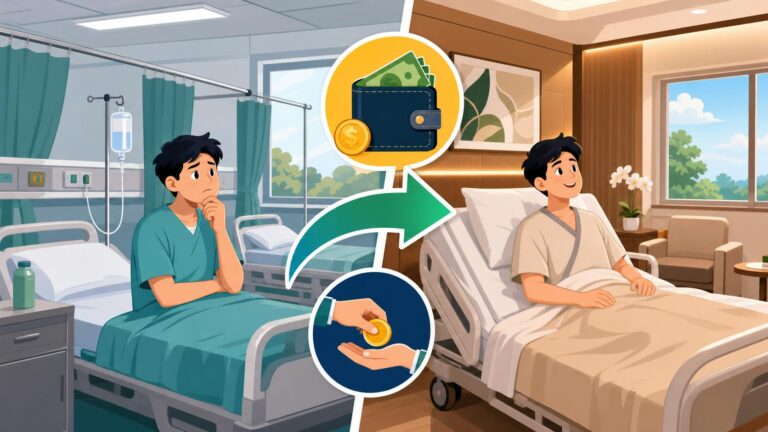
For many expats, this shift is a reason to re-evaluate their coverage. While BPJS is excellent for catastrophic care and basic needs, the "Standard Wards" under the KRIS system might not offer the privacy or comfort you are used to. You can learn more about these changes in our deep dive into BPJS Kesehatan for Expats: Registration, Costs, and the New KRIS System. Understanding these nuances helps you decide whether you want to rely solely on the public system or if you should maintain a private policy that allows for VIP room upgrades.
When seeking care, always remember that your journey starts at your "Faskes 1" (Primary Health Facility). This is usually a local clinic or Puskesmas assigned to you. Even if you lose your card, your Faskes 1 will have you in their local database. Go there first for minor illnesses. If you need a hospital, they will issue a digital referral that carries over to the larger facility. This digital trail is much harder to lose than a plastic card. To make sure you are headed to the right place, check our directory on Finding Medical Care in Indonesia: Clinics, Hospitals, and International Facilities.
Dealing with Common Administrative Hurdles
The replacement process isn't always perfect. One of the most common issues expats face is a name mismatch. If your name on your passport has a middle name but your BPJS account only has your first and last name, the system might flag it. If you encounter this while trying to get a replacement card, you will need to ask the BPJS officer to "sinkronisasi data" (synchronize data) with the immigration database. This is a common hurdle that requires patience and perhaps a bit of Bahasa Indonesia.
Another tip from my years here: always keep a high-quality scan of your BPJS card and your KITAS on a cloud service like Google Drive or Dropbox. If you lose your wallet, you can print these out immediately. Many clinics will accept a printed color copy of your card as if it were the original. It is also wise to ensure that you have completed your Health Checklist for Your First 30 Days in Jakarta or Bali to ensure all your emergency numbers and insurance details are localized and ready to go.
If you find that the public system is taking too long to process your replacement and you have an ongoing chronic condition, don't forget that you can often get your regular medications via a private pharmacy while you wait. Consult our Apotek Guide: Prescription Workflow, Refills, and Communicating with Pharmacists to see how you can manage your health needs independently during administrative gaps. Using iHerb for non-prescription health goods is also a great way to skip the pharmacy lines for things like probiotics or specialized supplements that might be harder to find in local stores.
Final Advice for a Smooth Replacement Process
Replacing a lost BPJS card is less about the piece of plastic and more about ensuring your digital data is accurate. The push for a "Paperless Indonesia" means the digital app is your most powerful tool. If you are struggling with the app, ask a younger Indonesian colleague or a friend to help you navigate the registration; the interface can be a bit tricky for non-native speakers.
Always remember that as a foreign resident, your right to healthcare is protected as long as your premiums are paid and your KITAS is active. If a hospital refuses to treat you because of a lost card, they are often in the wrong. However, carrying Private Health Insurance in Indonesia: Bridging the Gap When BPJS Isn't Enough is the ultimate way to ensure you never have to argue at a registration desk when you are in pain. With a combination of a private policy like Cigna Global and an active BPJS account, you are covered for almost any scenario the "Emerald of the Equator" can throw at you.
Take the time this week to download the Mobile JKN app and screenshot your digital card. It takes five minutes and could save you five hours of sitting in a police station or a government office later. Stay healthy, keep your documents digital, and don't let the paperwork get in the way of enjoying your life in this beautiful archipelago.
Disclaimer
The information provided in this guide is for informational purposes only and does not constitute legal or professional medical advice. Immigration and healthcare regulations in Indonesia are subject to frequent changes. Always verify the latest requirements with the official BPJS Kesehatan website or your local immigration office. The author is an expat sharing personal experiences and is not an official representative of any Indonesian government agency.