How to Book a Doctor Appointment via Halodoc or Alodokter Apps
Waking up with a sudden fever or a nagging tropical rash in Indonesia can feel overwhelming, especially when the thought of navigating Jakarta's legendary traffic or Bali’s narrow, crowded "gangs" to reach a clinic makes you want to crawl back under the covers. I remember my first bout of "Bali Belly" where I was far too weak to even think about driving a scooter to the nearest hospital, let alone explaining my symptoms in broken Bahasa Indonesia. This guide solves that specific frustration by walking you through the seamless process of using Halodoc and Alodokter to book appointments and consult doctors from your phone.
Why Telemedicine is a Game-Changer for Expats in Indonesia
The Indonesian healthcare landscape has leaped forward significantly over the last few years, largely due to the "super-app" culture that dominates daily life here. If you are already using apps for food delivery and ride-sharing, you’ll find that integrating health apps into your routine is the next logical step. These platforms aren't just for minor consultations; they are comprehensive portals that connect you to the entire medical ecosystem.
Skipping the Physical and Administrative Hurdles
The primary reason I recommend these apps to every newcomer is the sheer exhaustion they save you. In a traditional setting, you might spend two hours in transit and another hour in a waiting room just for a ten-minute consultation. When you’re dealing with Dengue Fever and Malaria Prevention: Vaccines, Treatments, and Local Realities, time and energy are precious. Telemedicine allows you to have that initial conversation with a General Practitioner (GP) while lying in bed.
Furthermore, these apps provide a level of cost transparency that is often missing in private clinics. Before you even click "confirm," you see the doctor’s consultation fee, which can range from as little as IDR 25,000 to IDR 250,000 for specialists. This helps significantly when you are managing your Healthcare Budgeting: BPJS Caps, Out-of-Pocket Costs, and Private Copays.
Overcoming the Language Barrier
While many doctors in major cities like Jakarta and Surabaya are highly proficient in English, the administrative staff at the front desk might not be. Using an app allows you to use translation tools to navigate the interface. Most importantly, when you choose a doctor for a chat consultation, you can often see their credentials and reviews. If you are in a pinch, you can even type your symptoms into the chat, allowing the doctor to use translation software if their English is rusty, or vice versa. This is particularly helpful when searching for Finding English-Speaking Doctors in Indonesia: Reliable Directories and Vetting.
Getting Started with Halodoc: The All-in-One Health Super-App
Halodoc is arguably the most popular health app in Indonesia. It is a robust platform that integrates doctor chats, pharmacy delivery, and hospital appointment bookings. For an expat, setting this up correctly is the first hurdle.
Setting Up Your Profile and Verification
When you download Halodoc, you will need an Indonesian phone number to register. I always suggest doing this as soon as you get your SIM card. You will also be asked to verify your identity. While the app is designed for Indonesian citizens using an ID (KTP), you can usually upload your passport or KITAS. Having your profile verified is crucial if you plan on using the app to claim insurance or if you need a Sick Leave (Cuti Sakit) in Indonesia: How to Get a Surat Keterangan Dokter for your employer.
Once registered, take a moment to explore the "Insurance" section. If you have a policy with Cigna Global, you might find that you can link your insurance directly for cashless transactions, though this often applies more to hospital visits booked through the app than the small chat fees.
Booking a Teleconsultation (Chat with a Doctor)
The "Chat dengan Dokter" feature is the heart of Halodoc. You can filter doctors by specialty—pediatricians, dermatologists, or even mental health specialists. This is a lifesaver when you need Mental Health Care: Accessing Therapy and Psychiatry as an Expat in Indonesia but aren't ready to visit a clinic in person.
Once you select a doctor, you pay the fee via e-wallets like GoPay or OVO. The chat starts immediately or at a scheduled time. You can upload photos (essential for skin issues or showing a throat infection) and even have a video call. At the end of the session, the doctor will issue a digital prescription if needed.
Scheduling an In-Person Hospital Visit
If your issue requires a physical exam, Halodoc allows you to book appointments at major hospital chains like Siloam or Mitra Keluarga. This is much more efficient than calling the hospital. You can see the doctor’s schedule in real-time and secure a slot. This is the best way to navigate a Siloam Hospitals Overview: What Expats Should Know About the Network without getting stuck in a queue at the registration desk.
Navigating Alodokter: The Specialist-Heavy Alternative
Alodokter is the primary competitor to Halodoc and, in my experience, sometimes offers a better selection of specialists and more detailed medical articles in its database. The booking process is similar, but the user interface feels slightly more clinical.
Comparing Features: Alodokter vs. Halodoc
While both apps offer similar services, Alodokter has a very strong "Booking" engine for physical hospitals. If you are specifically looking for Finding Medical Care in Indonesia: Clinics, Hospitals, and International Facilities, Alodokter often provides more detailed bios of the doctors, including where they studied and their years of experience.
| Feature | Halodoc | Alodokter |
|---|---|---|
| Ease of Use | High (Integrates with Gojek) | Medium (Standalone feel) |
| Doctor Availability | 24/7 for GPs | Very high for specialists |
| Medicine Delivery | Extremely fast (Gojek network) | Fast (Partner pharmacies) |
| Lab Tests | Home service available | Partner lab bookings |
| English Interface | Limited (Mostly Indonesian) | Limited (Mostly Indonesian) |
Booking Appointments and Reading Doctor Reviews
One of the best things about Alodokter is the review system. Patients in Indonesia are quite vocal about their experiences, and reading these (even through a translator) can give you a "heads up" on a doctor’s bedside manner. If you are looking for Women’s Clinics: Choosing an Ob/Gyn (Dokter Kandungan) in Indonesia, these reviews are gold. You can find out if a doctor is "pro-normal birth" or if they tend to rush into C-sections, which is a common concern among expat mothers.
How to Handle Prescriptions and Medication Delivery
One of the most "magical" parts of living in Indonesia is having medicine delivered to your door in 30 minutes. Both apps facilitate this through their integrated pharmacies.
Digital Prescriptions and Pharmacy Integration
After a teleconsultation, the doctor’s digital prescription appears in the "History" or "My Orders" section. You can then click "Buy Medicine," and the app will source the drugs from a nearby licensed Apotek (pharmacy). This is a safe and reliable way to handle your health, much better than trying to guess which local brand is equivalent to what you use back home. For more on this, check out our Apotek Guide: Prescription Workflow, Refills, and Communicating with Pharmacists.
The delivery is usually handled by a motorcycle courier. For those who prefer natural supplements or specific international brands that might not be in a local Apotek, I often suggest checking iHerb for specialized vitamins, but for immediate needs like antibiotics or painkillers, the apps are unbeatable.
Sourcing Supplements and International Brands
While the apps are great for local medication, sometimes you need something specific. If the app shows a medicine is "out of stock," it might be a brand-name issue. You can often chat with the pharmacist through the app to ask for a generic equivalent. This is common when Managing Chronic Conditions: Diabetes, Hypertension, and Long-Term Medication, where you need a consistent supply of a specific compound.
Payment Methods and Insurance Integration
Managing the financial side of healthcare in a foreign country can be stressful, but these apps make it relatively straightforward.
E-Wallets and Credit Cards
The most reliable way to pay for services on Halodoc or Alodokter is by using a local e-wallet. If you’ve read our guide on Digital Banking and E-Wallets: How to Register for GoPay, OVO, and Dana, you know that these are essential for life in Indonesia. You can also link an Indonesian credit card. While some international cards work, they are frequently declined by local payment gateways, so having a local backup is wise.
Using Private Insurance for Reimbursement
If you are using a premium international plan like Cigna Global, you will likely pay for the app consultation out-of-pocket (since it's so cheap) and then submit the digital receipt for reimbursement if it meets your deductible. For hospital visits booked through the app, you should still carry your physical insurance card. The app booking just secures your time slot; the payment and insurance "claims" are still handled by the hospital’s administration desk. This is a crucial distinction to remember when Finding an English-Speaking Clinic in South Jakarta (Kemang and SCBD) or other expat-heavy areas.
Pro-Tips for a Smooth Digital Doctor Visit
After years of using these platforms, I’ve picked up a few tricks that make the experience much less "foreign" and much more effective.
Communicating Symptoms Effectively
Since you are often communicating via text or a short video call, clarity is key. I always prepare a short list of my symptoms, their duration, and any allergies before the call. If you are worried about your Bahasa Indonesia, use simple English sentences. Most Indonesian doctors are quite comfortable reading English even if they are shy about speaking it.
If you need a specific outcome, like a Sick Leave (Cuti Sakit) in Indonesia: How to Get a Surat Keterangan Dokter, state that clearly at the beginning. "Saya butuh surat sakit untuk kantor" (I need a sick note for the office) is a handy phrase to keep in your back pocket.
Dealing with Emergencies
It is vital to know the limits of these apps. If you are experiencing chest pains, severe difficulty breathing, or a major injury, do not open an app. You need to refer to Emergency Medical Care in Indonesia: Ambulances, ERs, and Evacuation Protocols immediately. Halodoc and Alodokter are for non-emergency care, chronic management, and "the morning after" consultations. They are not a replacement for a 118/119 call or a dash to the Emergency Room (UGD).
When you are feeling better and just need to restock your medicine cabinet, you might find that iHerb is a great resource for high-quality probiotics to help your recovery after a round of local antibiotics.
Summary of the Booking Process
- Download and Register: Use a local number and verify with your passport/KITAS.
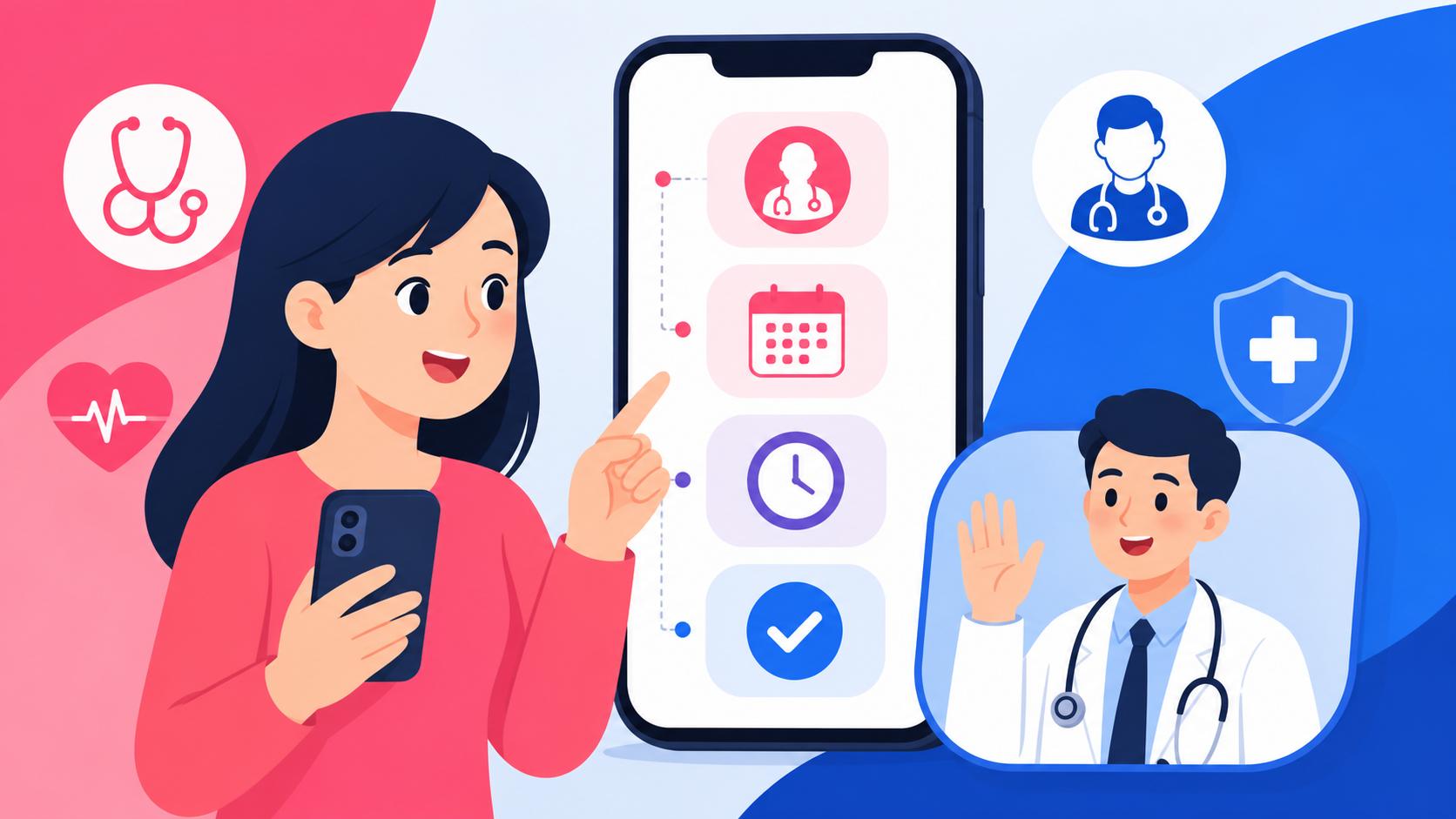
- Select Service: Choose "Chat with Doctor" for immediate advice or "Book Hospital" for a physical visit.
- Filter and Choose: Look for doctors with high ratings and check their specialties.
- Pay Upfront: Use GoPay, OVO, or a linked card.
- Consult: Be clear, upload photos, and ask for a digital prescription or a referral.
- Order Medicine: If prescribed, use the app to have the medicine delivered to your home.
Navigating healthcare in a new country is never easy, but having these tools at your fingertips removes a massive layer of anxiety. Whether you are in a high-rise in Jakarta or a villa in Canggu, knowing how to use Halodoc and Alodokter ensures that you are never truly alone when your health takes a hit.
Disclaimer
This guide is for informational purposes only and does not constitute professional medical or legal advice. Always consult with a qualified healthcare provider for medical concerns. Telemedicine apps are not suitable for life-threatening emergencies. The author is an expat sharing personal experiences and is not affiliated with the developers of Halodoc or Alodokter.