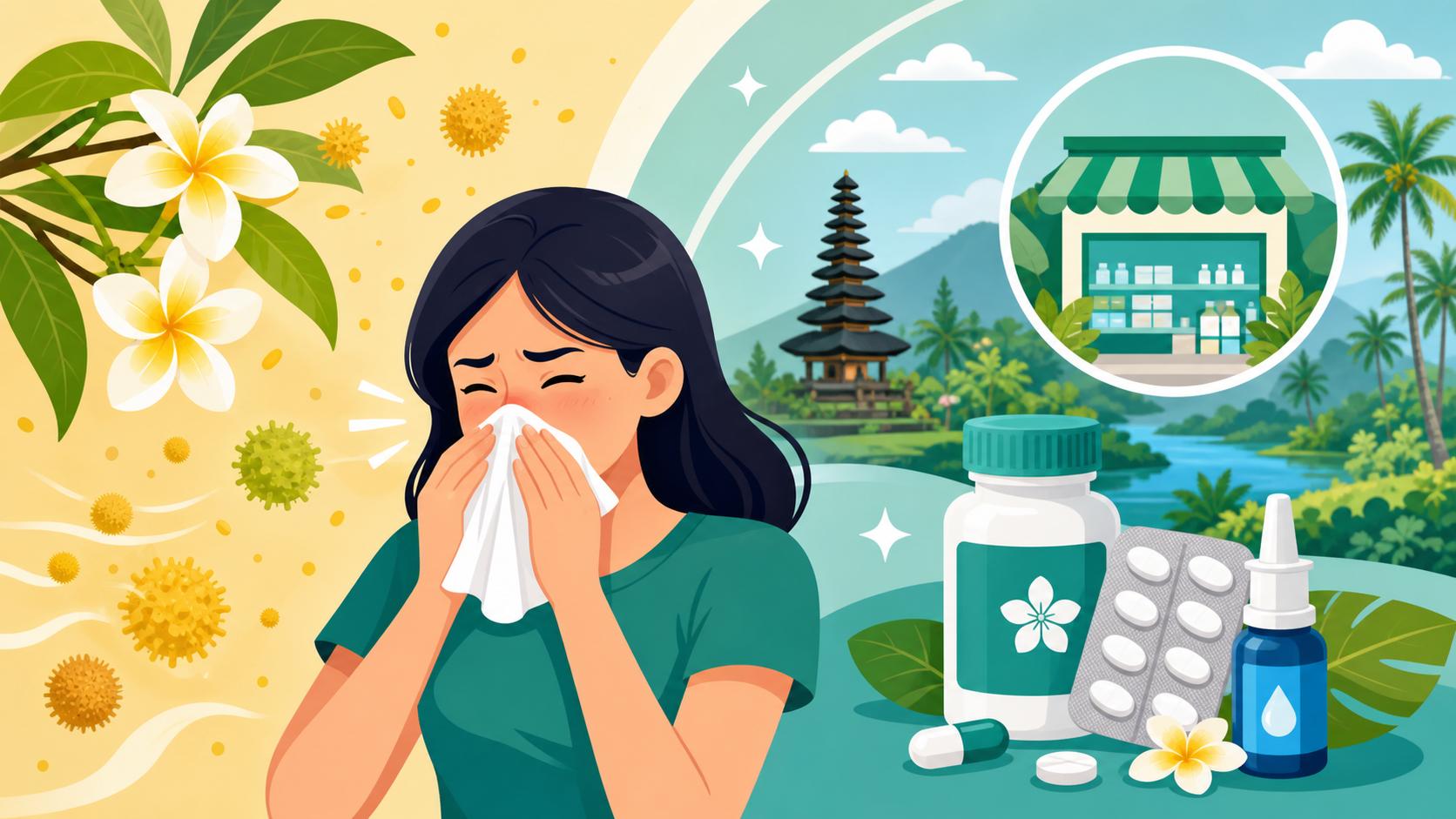
Tropical Allergies: Managing Reactions and Finding Antihistamines Locally
Walking out of an air-conditioned room into the thick, humid air of a Bali afternoon often triggers an immediate, uncontrollable sneezing fit for many of us. I spent my first six months in Jakarta convinced I had a chronic cold until a local doctor finally pointed out my "tropical rhinitis." This guide provides a roadmap for identifying local triggers and sourcing the right antihistamines in Indonesia.
Common Tropical Allergy Triggers in Indonesia
Living in the tropics introduces a unique set of allergens that differ significantly from those in temperate climates. While you might be used to seasonal pollen from oak or ragweed back home, Indonesia’s environment is dominated by perennial triggers that thrive in 80% humidity. The most common culprit is the dust mite, known locally as tungau. These microscopic creatures love the damp heat of Jakarta and Bali, colonizing mattresses, curtains, and upholstery with a speed that is honestly a bit terrifying. If you wake up with a stuffy nose every single morning, it is likely not a cold; it is a reaction to the dust mite population in your bedroom.
Beyond dust mites, the vegetation here presents its own challenges. Many expats find they are sensitive to the pollen of night-blooming jasmine (sedap malam) or the heavy scents of tropical lilies and frangipanis. While beautiful, these plants release potent allergens that can hang in the heavy, still air of a walled villa garden. Furthermore, the sheer volume of mold and fungal spores in the air during the monsoon season cannot be overstated. When the rains start, dampness seeps into the walls of even the most luxurious apartments, leading to hidden mold growth behind wardrobes and inside air conditioning units.
Pollution also plays a massive role in what many of us call "Jakarta Lung." The particulate matter (PM2.5) in major cities acts as an irritant that can exacerbate existing allergies or create new sensitivities altogether. During the "haze season," which often coincides with land-clearing fires in Sumatra or Kalimantan, the air quality can become a significant health hazard. For those with respiratory sensitivities, navigating this requires a solid understanding of Asthma and Air Quality: Managing Respiratory Issues During Haze Season to ensure you aren't just treating the symptoms while ignoring the environmental cause.
Navigating the Indonesian Apotek for Antihistamines
When your eyes start itching or the sneezing becomes unbearable, your first stop will likely be a local pharmacy, or apotek. Large chains like Kimia Farma, K-24, Century, and Guardian are ubiquitous in urban areas. One of the biggest shocks for newcomers is how many medications that require a prescription elsewhere are available over-the-counter here. However, navigating the shelves requires knowing the generic names of the active ingredients, as brand names like Zyrtec or Benadryl might be sold under local Indonesian equivalents.
Most pharmacists in major tourist hubs or expat enclaves like Kemang or Canggu speak enough English to help, but it is always better to have your specific requirements written down. If you are looking for non-drowsy options, you will want to ask for Cetirizine, Loratadine, or Fexofenadine. These are the workhorses of the Indonesian allergy world. For more specialized needs, such as steroid-based nasal sprays or medicated eye drops, you may need to consult a doctor, though even these are sometimes available via a consultation with the in-house pharmacist at larger branches. For a broader look at how these shops operate, check out our Apotek Guide: Prescription Workflow, Refills, and Communicating with Pharmacists.
It is also worth noting that price points can vary wildly between "Paten" (original brand name) and "Generik" (generic) drugs. A strip of generic Cetirizine might cost you less than IDR 20,000, while the imported brand-name version could be five times that. If you have a sensitive system and prefer specific formulations or natural adjuncts, many expats rely on iHerb to ship in specialized supplements or Western-branded antihistamines that are not always stocked locally. Just be mindful of customs limits when ordering from abroad. Having a comprehensive insurance plan like Cigna Global is also vital, as it can cover the costs of more expensive allergy testing or immunotherapy if basic OTC meds aren't cutting it.
Understanding Local Brand Names and Equivalents
| Active Ingredient | Common Local Brand Names | Type | Typical Use |
|---|---|---|---|
| Cetirizine | Ryzen, Incidal-OD, Cetinal | Non-Drowsy | General hay fever, hives |
| Loratadine | Loras, Claritin, Cronitin | Non-Drowsy | Seasonal allergies, skin itching |
| Fexofenadine | Telfast, Fexofed | Non-Drowsy | Chronic urticaria, severe rhinitis |
| Diphenhydramine | Benadryl (often in syrups) | Drowsy | Acute reactions, sleep aid |
| Mometasone | Nasonex, Elocon (topical) | Steroid Spray/Cream | Nasal congestion, eczema |
Strategies for Managing Allergies in a Tropical Climate
Managing your reactions involves more than just popping a pill; you have to change how you interact with your environment. The first and most effective step is rigorous air conditioning maintenance. In Indonesia, your AC unit is a breeding ground for mold and dust. You should have your units professionally cleaned every three to four months. Ask the technician to do a "cuci besar" (deep wash), which involves cleaning the internal coils where mold spores typically hide. If you neglect this, your AC is essentially an allergen delivery system, blowing spores directly into your living space.
Laundry is another area where small changes make a big difference. Because the humidity is so high, clothes often take a long time to dry on a line, which allows them to collect dust and spores from the outdoor air. If you suffer from severe allergies, using a dryer or hanging clothes in a room with a dehumidifier is much better than drying them outside. Additionally, consider replacing heavy curtains with blinds that can be easily wiped down. For those living in Bali, the "Bali Belly" isn't the only thing to watch out for; skin reactions to laundry detergents or "tomcat" insects are common, making a visit to Finding Medical Care in Indonesia: Clinics, Hospitals, and International Facilities a necessary step for proper diagnosis.
For those who prefer a more holistic approach, managing your internal "bucket" of inflammation is key. This often involves high-quality supplements like Quercetin, Bromelain, or high-dose Vitamin C, which can be easily sourced from iHerb. Keeping your immune system balanced is particularly important if you are frequently moving between the polluted air of the city and the high-pollen environments of the countryside. If your symptoms persist despite these changes, you might need a referral to an "Alergi-Imunologi" specialist at a hospital like Siloam or Pondok Indah. You can find more details on this in our Jakarta Healthcare Guide for Expats: International Clinics and After-Hours Options.
When to Seek Professional Medical Intervention
There is a point where self-medicating with Over-the-Counter (OTC) medicine in Indonesia: Local Brands and Safe Alternatives is no longer sufficient. If you experience shortness of breath, swelling of the throat, or a rash that spreads rapidly across your body, you need to head to an Emergency Room (UGD) immediately. Anaphylaxis is rare but can occur with new tropical food triggers or insect stings. In such cases, having a robust international insurance policy like Cigna Global ensures that you have access to the best private hospitals without worrying about the upfront cost of emergency stabilization.
Chronic sufferers should consider undergoing a skin prick test or a RAST blood test to identify specific Indonesian triggers. I found out, much to my surprise, that I wasn't just allergic to "dust," but specifically to a type of mold common in old Balinese thatch roofing (alang-alang). Knowing this allowed me to choose my housing more wisely. You can arrange these tests during Preventive Health Checkups (MCU): What to Expect and How to Read Lab Results, which many private hospitals offer as a package.
If you are currently based on the Island of the Gods and struggling with a sudden flare-up, the Bali Healthcare Guide: Hospitals, Clinics, and Emergency Contacts for Residents provides a list of reliable facilities that deal with expat-specific health issues daily. Remember that "tropical skin" is a real phenomenon; the combination of sweat, heat, and allergens can lead to secondary infections like folliculitis or heat rash, which look like allergies but require different treatments like antibiotics or antifungals. Always consult with a professional if you are unsure, and use resources like Finding English-Speaking Doctors in Indonesia: Reliable Directories and Vetting to ensure you are being understood clearly.
Medical Disclaimer
The information provided in this article is for informational and educational purposes only and is not intended as medical advice, diagnosis, or treatment. Always seek the advice of your physician or other qualified health provider with any questions you may have regarding a medical condition. Never disregard professional medical advice or delay in seeking it because of something you have read in this guide. The availability and legality of medications in Indonesia are subject to change, and users should verify local regulations and consult with a licensed healthcare professional before starting any new medication or supplement.