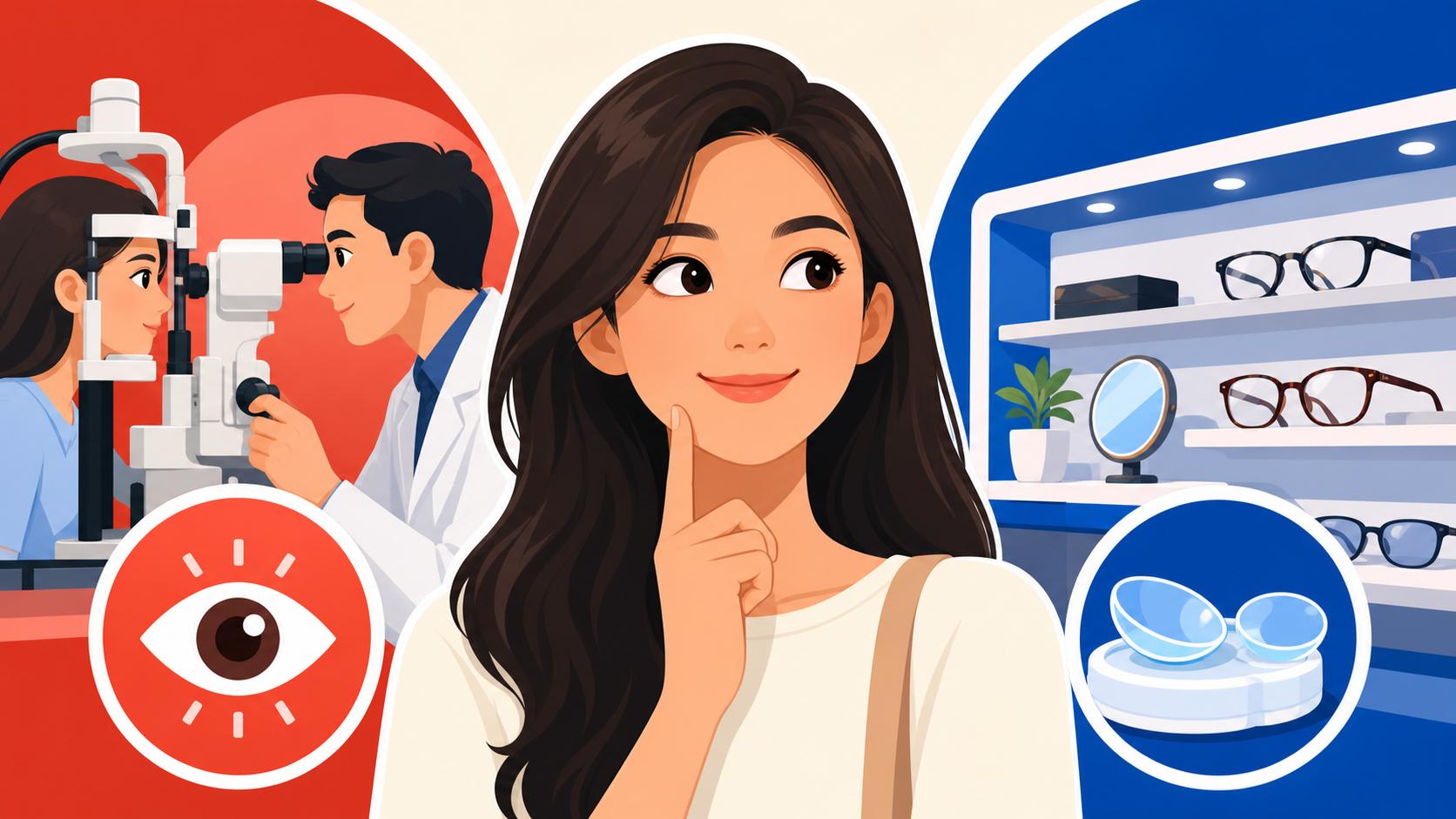
Eye Exams in Indonesia: Getting Contacts at Optik Melawai or Optik Seis
Trying to decipher a street sign in the chaotic Jakarta traffic or squinting at a menu in a dimly lit Bali warung because your vision has blurred is a frustration I know all too well. I remember the sheer panic I felt when I tore my last pair of contact lenses in a remote part of Java, convinced I’d need a flight to Singapore just to see clearly again. This guide solves that anxiety by walking you through exactly how to get professional eye exams and contact lenses at Indonesia’s leading optical chains.
Navigating the Indonesian Optical Landscape: What to Expect
When you first arrive in Indonesia, the healthcare system can feel like a maze of acronyms and varying standards. However, eye care is one area where the "mall culture" of Indonesia actually works in your favor. Unlike in some Western countries where you might need a clinical appointment weeks in advance for a routine check-up, eye exams here are largely decentralized and highly accessible within major shopping centers.
In Indonesia, there is a clear distinction between a Dokter Mata (Ophthalmologist) and a refractionist at an optical shop. If you are experiencing pain, sudden flashes, or significant vision loss, you should skip the mall and head directly to a hospital. You can find more details on finding specialists in our guide on Finding Medical Care in Indonesia: Clinics, Hospitals, and International Facilities. For a standard prescription update for glasses or contacts, however, the optical shops are your primary destination.
The experience is usually quite efficient. Most major retailers offer free computerized eye exams if you purchase your lenses or frames from them. If you just want the prescription to take elsewhere, they may charge a small fee, usually around IDR 50,000 to IDR 150,000. It is important to note that while the staff are trained in refraction, they are not medical doctors. For those with complex eye histories, having a comprehensive plan from Cigna Global can be a lifesaver, as it often covers more intensive diagnostic exams at private eye clinics like JEC (Jakarta Eye Center).
Optik Melawai vs. Optik Seis: A Deep Dive into the Big Two
If you walk into any high-end mall in Jakarta, Surabaya, or Bali, you will inevitably see the bright logos of Optik Melawai and Optik Seis. These are the "Big Two" of the Indonesian optical world. While they seem similar, there are nuances to the service and product availability that expats should understand.
Optik Melawai: The Premium Standard
Optik Melawai is often viewed as the more "premium" of the two. They have a massive footprint and tend to carry a very wide range of international luxury brands. When I first visited their flagship branch in South Jakarta, I was impressed by the precision of their digital refraction equipment.
The service here is typically very formal. They use a "total quality" approach where multiple staff members might assist you—one for the exam, one for the frame selection, and one for the final fitting. If you have a high or complex prescription, Melawai is often better equipped to order specialized lenses that might take a week or two to arrive from overseas labs. They are also quite experienced in dealing with Public vs Private Healthcare in Indonesia: BPJS Kesehatan and Expat Insurance nuances if you are trying to claim through a private provider.
Optik Seis: The Reliable All-Rounder
Optik Seis is equally ubiquitous and often has a slightly more approachable, "family-oriented" vibe. Their contact lens section is usually very well-stocked with daily and monthly disposables from brands like Acuvue, Bausch + Lomb, and Alcon.
One thing I’ve noticed at Optik Seis is their frequent promotional bundles. They often run "Buy 2 Get 1" deals on contact lens boxes, which is a great way to stock up. Their exam process is quick and reliable, making it a favorite for those who need a replacement pair of contacts while on a lunch break in the SCBD or Seminyak. For those living in the capital, you can find many of their branches listed in our Jakarta Healthcare Guide for Expats: International Clinics and After-Hours Options.
Comparison Table: Melawai vs. Seis vs. Local Shops
| Feature | Optik Melawai | Optik Seis | Local Independent Shops |
|---|---|---|---|
| Price Point | Mid to High | Mid | Low to Mid |
| Brand Variety | Excellent (Luxury focus) | Very Good (Commercial focus) | Limited |
| Contact Lens Stock | High (Specialty options) | Very High (Disposables focus) | Varies |
| Eye Exam Fee | Often free with purchase | Often free with purchase | Minimal |
| English Proficiency | Generally High in Malls | Generally High in Malls | Low to Moderate |
The Step-by-Step Process for Getting Contact Lenses
Getting contact lenses in Indonesia is significantly less bureaucratic than in the US or UK, where a specific contact lens prescription is legally required to make a purchase. Here, if you know your "power" or diopter, you can often just walk in and buy a box over the counter. However, I always recommend getting a fresh exam every year to check your corneal health.
Step 1: The Refraction (Eye Test)
You’ll be invited into a small, darkened room within the shop. The staff will use an auto-refractor (the machine where you look at a picture of a hot air balloon or a house) followed by a manual check using a phoropter. If you are in Bali, you might find the process slightly more relaxed, as noted in our Bali Healthcare Guide: Hospitals, Clinics, and Emergency Contacts for Residents. Ensure you tell the staff if the lenses are specifically for contacts, as the prescription strength can differ slightly from glasses.
Step 2: Selecting Your Lenses
Most expats prefer soft disposables. If the shop has your power in stock, you can walk out with them in 15 minutes. If you have astigmatism (toric lenses), you should be prepared to wait. It can take anywhere from three days to two weeks for toric or multifocal lenses to be delivered to the store.
Step 3: Hygiene and Aftercare
The tropical humidity in Indonesia can be a breeding ground for bacteria, making contact lens hygiene even more critical than back home. I learned the hard way that "Bali Belly" isn't the only infection you can catch; "Bali Eye" from swimming in pools with contacts is a real risk. Always use high-quality saline and rewetting drops. While you can find these at any Apotek Guide: Prescription Workflow, Refills, and Communicating with Pharmacists, I often supplement my eye health with specific vitamins and high-quality drops found on iHerb to combat the dryness from constant air conditioning.
Practical Tips for Prescription Maintenance and Savings
Budgeting for healthcare in Indonesia requires a bit of strategy. While routine eye exams are cheap, high-quality frames and specialized contact lenses can be more expensive than in Europe or North America due to luxury import taxes.
If you are an expat contributing to the national health scheme, you might wonder if you can use it for your vision needs. There is a small subsidy available for glasses, which we detail in our post on BPJS Class 1 Eyewear Claims: How to Get Your IDR 330,000 Subsidy. However, be aware that BPJS generally does not cover contact lenses, as they are considered a cosmetic or elective choice. You will almost certainly be paying for these out-of-pocket.
To keep your costs down, consider the following:
- Keep your physical prescription: Always ask for a printed or written copy of your results. This is vital if you travel to another city and need an emergency replacement.
- Check for insurance direct billing: Some premium plans from Cigna Global allow for direct billing at larger optical chains, saving you the hassle of a reimbursement claim.
- Stock up on solutions: Buying large "value packs" of solution at Optik Melawai is usually cheaper than buying individual small bottles at a local pharmacy.
- Beware of "Grey Market" Lenses: Avoid buying contact lenses from random sellers on social media or small kiosks. Stick to reputable chains to ensure the lenses have been stored at the correct temperature and aren't expired.
For those in their first month of residency, it’s worth adding a visit to an optician to your Health Checklist for Your First 30 Days in Jakarta or Bali. Getting your "local" prescription sorted early means one less thing to worry about when you are navigating the complexities of Healthcare Budgeting: BPJS Caps, Out-of-Pocket Costs, and Private Copays.
Finally, remember that the sun in Indonesia is incredibly strong. Whenever you are buying your contacts, look into a pair of high-quality polarized sunglasses. Your future self will thank you for protecting your retinas from the intense equatorial UV rays. If you find your eyes are constantly red or irritated, it might not just be the pollution; it could be a reaction to the local tap water. Use iHerb to find preservative-free lubricants that are often hard to find in the local neighborhood apoteks.
Important Disclaimer
The information provided in this article is for informational purposes only and does not constitute professional medical advice, diagnosis, or treatment. Always seek the advice of a qualified healthcare provider with any questions you may have regarding a medical condition. Reliance on any information provided in this guide is solely at your own risk. The author and publisher are not responsible for any adverse effects resulting from the use of the information contained herein.