Disasters and Health: Accessing Care During Floods or Earthquakes
When the street outside your villa in Canggu turns into a river during a monsoon or the walls of your Jakarta apartment begin to groan during a midnight tremor, the "administrative" side of being an expat suddenly feels very small. I’ve sat through a 48-hour blackout in South Jakarta with water rising at the front gate, and the realization that you are effectively cut off from your usual clinic is terrifying. This guide solves the critical problem of how to access medical care when Indonesia’s natural environment creates a state of emergency.
The Logistics of a Health-First Disaster Kit
The biggest mistake I see newcomers make is assuming they can just "order a Grab" or call a doctor if things go south. During a major flood (Banjir) or following a significant earthquake, the digital infrastructure we rely on often collapses. If the 4G towers are down, your favorite telemedicine apps won't load. You need a physical health backup that doesn't require a battery or a signal.
I always tell people to treat their first-aid kit like a mini-pharmacy. Beyond just bandages, you need to have a three-week supply of any chronic medications. During the 2019 floods, many pharmacies were shuttered for days. I’ve personally found that stocking up on high-quality supplements and basic over-the-counter meds from iHerb is a lifesaver. Having a sealed, waterproof container with electrolytes, rehydration salts, and antiseptic creams can bridge the gap when you can't reach a Finding Medical Care in Indonesia: Clinics, Hospitals, and International Facilities.
Furthermore, your medical history needs to be portable. In a disaster, you might end up at a public hospital or a field clinic where they have no record of your existence. Keep a "Health Go-Bag" that includes physical photocopies of your passport, KITAS, and any specific medical contraindications or allergies. While we all love digital convenience, a laminated sheet of paper is much more useful to a triage nurse in a disaster zone than a locked iPhone with a dead battery. It’s also wise to have your policy details for Cigna Global clearly printed out, as international coverage often includes emergency assistance that can be activated even when local systems are under strain.
Accessing Care During Jakarta’s Floods
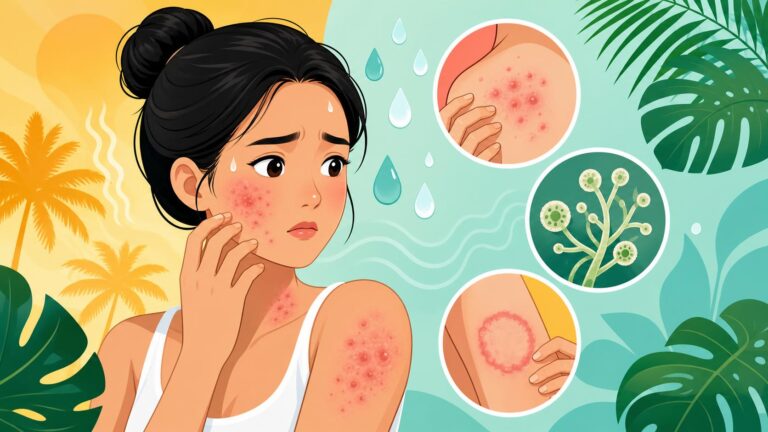
Jakarta's relationship with water is complicated, to say the least. When the "Banjir" hits, it isn't just about the water level; it's about what is in that water. Floodwaters in the city are often a cocktail of sewage and industrial runoff. The most common health issues we see during these times are skin infections, severe diarrhea, and the dreaded Leptospirosis—a bacterial disease spread through the urine of infected animals, which is common in flood-prone urban areas.
If you are trapped in your neighborhood, your first point of contact shouldn't be a distant international hospital, but rather your local Puskesmas (Community Health Center). These centers are the backbone of Indonesia’s disaster response. Even if the roads are impassable for cars, local volunteers and the "Orange Troop" (PPSU) often prioritize getting people to these neighborhood clinics. Knowing the location of your nearest one is a vital part of Long-Term and Preventive Care: Checkups, Vaccines, and Tropical Disease Prevention.
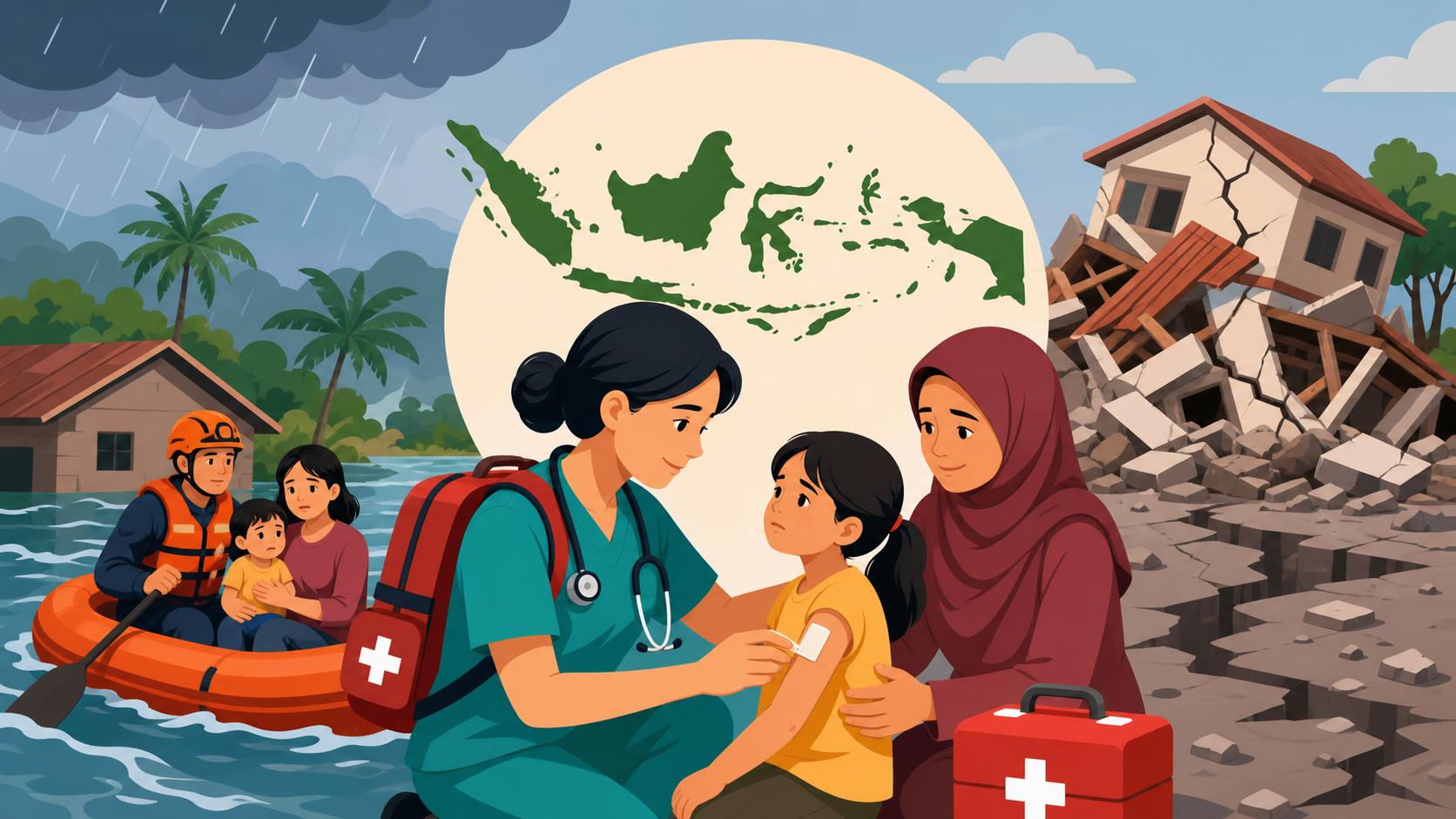
During active flooding, standard ambulances often cannot navigate the narrow, submerged streets. You might have to rely on rubber boats provided by the BPBD (Regional Disaster Management Agency). If you have a medical emergency, you need to know the specific Emergency Numbers in Indonesia: 118/119 for Ambulance and What to Expect. However, be prepared for significant delays. In my experience, if you have a private insurance provider like Cigna Global, it is worth calling their 24/7 emergency hotline immediately; they can sometimes coordinate with private rescue services that have specialized equipment for flood extraction.
| Disaster Type | Primary Health Risks | Recommended Immediate Action |
|---|---|---|
| Flooding (Banjir) | Leptospirosis, Diarrhea, Skin Infections | Avoid wading; use clean water for wounds; head to the nearest Puskesmas. |
| Earthquake (Gempa) | Trauma/Fractures, Crush Injuries, Dust Inhalation | Seek open space; check for structural gas leaks; move to designated field hospitals. |
| Volcanic Ash | Respiratory Distress, Eye Irritation | Wear N95 masks; seal windows; use saline eye drops frequently. |
Earthquake Realities: Managing Trauma and Overwhelmed Facilities
Earthquakes are different beasts because they happen without the warning of a gathering storm. In places like Bali or Lombok, the structural integrity of your surroundings becomes your biggest health risk. If a significant quake occurs, the major hospitals like BIMC or Siloam will likely be at 200% capacity within the hour. This is where your personal first-aid skills become your most important asset.
In the immediate aftermath, hospitals may move their ER operations into the parking lots or nearby fields to avoid the risk of aftershocks collapsing the buildings. If you are in Bali and need to find help, check the Bali Healthcare Guide: Hospitals, Clinics, and Emergency Contacts for Residents to identify the facilities with the largest open-air capacities. Triage will be strict. If you have minor cuts or bruises, stay away from the hospitals to leave room for those with life-threatening injuries. This is when your stash of supplies from iHerb—like sterile gauze, betadine, and medical tape—will save you from a long, risky wait at an overwhelmed clinic.
Hygiene after an earthquake is a secondary but major concern. Ruptured water pipes can lead to a quick outbreak of water-borne illnesses. If you are living in an affected area, assume the tap water is contaminated even for brushing your teeth. I always keep several 19-liter "Aqua" gallons in reserve for this exact reason. If you or a family member develops a fever or persistent cough in the days following a quake, it could be "dust pneumonia" or a secondary infection. Don't wait for it to pass; try to find an English-Speaking Clinic in Canggu or Seminyak (Bali Options) that is still operational.
Long-term Health Risks and Insurance Recovery
Once the immediate danger of the flood or earthquake has passed, the health challenges shift from the physical to the environmental and psychological. In the tropics, standing water after a flood is a breeding ground for mosquitoes. You need to be hyper-vigilant about Dengue Fever and Malaria Prevention: Vaccines, Treatments, and Local Realities. The week after a flood is the time to be most aggressive with your repellent and mosquito nets.
The psychological toll of surviving a natural disaster is often overlooked by the expat community. We tend to have a "get on with it" attitude, but the stress of property damage and physical danger can lead to significant anxiety or PTSD. Indonesia has a growing network of support, and you should look into Mental Health in Indonesia: Counseling, Psychiatry, and Support for Expats if you find yourself struggling to sleep or feeling hyper-vigilant months after the event.
Finally, navigating the financial side of disaster care requires a cool head. If you were treated at a field hospital or a local clinic, the receipts might be hand-written on scraps of paper. Take photos of everything. International insurers like Cigna Global are generally very understanding of disaster-zone documentation, but the more proof you have, the better. If your condition is serious and the local infrastructure is too damaged to provide proper follow-up care, you may need to look into Medical Evacuation (Medevac) Services in Indonesia: Costs and Insurance Coverage. This is often the "nuclear option," but in a post-disaster scenario where local hospitals are crippled, it can be the only way to ensure a full recovery.
Navigating Emergency Communication and Moving Safely
In a disaster, "information is healthcare." If you are in a major city, the radio station Elshinta (95.4 FM in Jakarta) is the gold standard for real-time disaster reporting, though it is in Bahasa Indonesia. I recommend having a translation app ready or a local friend you can call. If you need to move to a hospital, do not drive yourself unless absolutely necessary. Roads are often blocked by debris or reserved for emergency vehicles.
If you are a resident in the capital, keep the Jakarta Healthcare Guide: International Clinics and After-Hours Options bookmarked on your phone for offline use. Before you leave your home to seek care, try to verify if the facility is actually open. Many smaller clinics close during disasters because their staff cannot commute. Large hospital networks like Siloam or Mayapada are your best bets as they usually have on-site housing for essential staff and backup power systems that can run for weeks.
Always remember that in a disaster, the local community (the Banjar in Bali or the RT/RW in Jakarta) is your first line of defense. They often know which pharmacies still have stock and which doctors are seeing patients privately. Building a relationship with your neighbors before a disaster strikes is as important as having a good insurance policy. They are the ones who will help you carry a stretcher to the main road when the Emergency Medical Care in Indonesia: Ambulances, ERs, and Evacuation Protocols cannot reach your front door.
Important Disclaimer
The information provided in this guide is for general informational purposes only and does not constitute professional medical advice, diagnosis, or treatment. Natural disaster situations in Indonesia are highly unpredictable, and local conditions can change rapidly. Always follow the instructions of local authorities, emergency services, and the Indonesian National Board for Disaster Management (BNPB). Neither the author nor this publication assumes any liability for actions taken based on the content of this article. For specific medical concerns, consult with a qualified healthcare provider or your insurance company's emergency assistance team.