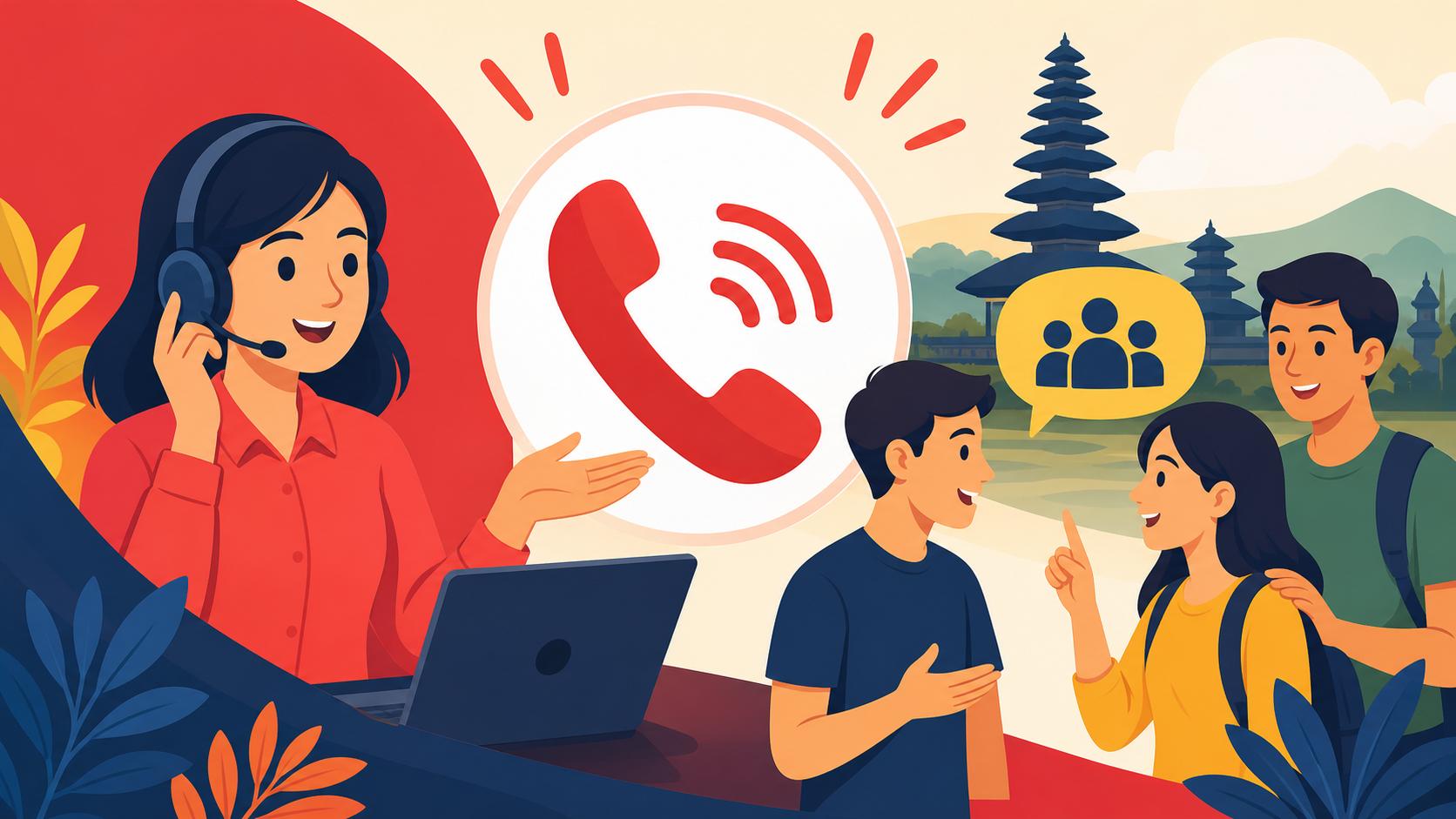
Emergency Translation Support: Hotlines and Expat Community Help
Imagine finding yourself in a frantic ER in South Jakarta or a small clinic in Bali, trying to explain a severe allergic reaction while the room spins and no one speaks your language. I remember the absolute cold sweat of my first medical crisis in Jakarta, fumbling with my phone and realizing Google Translate just doesn't cut it when your life is on the line. This guide provides the definitive roadmap for finding immediate translation support, navigating local language barriers, and leveraging expat community lifelines to ensure you are never left unheard in an Indonesian medical emergency.
The Reality of Medical Emergencies in Indonesia
When you move to Indonesia, you quickly learn that while English is common in tourist bubbles like Seminyak or the high-rise offices of the SCBD, the medical world functions primarily in Bahasa Indonesia. In a high-stress emergency, the nuances of medical terminology can get lost even if the doctor speaks "conversational" English. You aren't just dealing with a different vocabulary; you are dealing with a different way of communicating. In Indonesia, communication is often indirect. A doctor might use soft language to describe a serious condition, or a nurse might hesitate to say "I don't understand" out of politeness (keeping face).
This cultural layer makes emergency translation support more than just a convenience—it is a critical safety net. Whether you are dealing with a sudden bout of Bali Belly or something far more serious like a traffic accident, having a plan for communication is the first step in effective treatment. You cannot assume that the person answering the phone at a local hospital will be fluent in English, especially during the night shifts or in regional areas.
I have sat in many waiting rooms where an expat was clearly distressed because they couldn't explain their history of chronic illness or a specific medication allergy. This is where your preparation pays off. By understanding who to call and how to bridge the gap, you remove the most dangerous variable in a crisis: the misunderstanding. Often, having a robust international plan through a provider like Cigna Global can offer you the peace of mind that comes with 24/7 coordination services that bridge these very gaps.
Immediate Digital Lifelines: Telemedicine and Translation Apps
In the first few minutes of an emergency, your smartphone is your most powerful tool, but you need to know which apps actually work in the Indonesian context. While many of us default to generic translation tools, Indonesia has a very sophisticated health-tech ecosystem that can act as an immediate bridge. Telemedicine apps are often the fastest way to find someone who can interpret what is happening or provide a quick text-based consultation that you can show to a local nurse.
Using Halodoc and Alodokter as Interpretation Bridges
Halodoc and Alodokter are the giants of Indonesian healthcare. While they are primarily for consultations, their chat features are incredibly useful for translation. If you are in a clinic and the doctor’s English is limited, you can start a quick consultation with an English-speaking doctor on the app. You can then literally hand your phone to the local medical staff. The doctor on the app can explain your symptoms and needs to the staff in Bahasa Indonesia.
This method has saved several of my friends who were stuck in remote parts of Lombok or Central Java. It provides a "professional-to-professional" communication channel that carries more weight than you trying to mime your symptoms. For more details on navigating these platforms, you can check out our guide on How to Book a Doctor Appointment via Halodoc or Alodokter Apps. These apps also allow you to upload previous lab results, which is vital if the local staff is trying to piece together your medical history.
The Limits of AI Translation in Medical Settings
We have all used Google Translate, but in a medical emergency, its tendency to get technical terms wrong can be dangerous. For instance, the word for "numbness" might be translated as "dead" (mati rasa), which can cause unnecessary alarm if not understood in context. Use these apps for simple nouns—like "pain" (sakit), "bleeding" (berdarah), or "allergic" (alergi)—but avoid relying on them for complex instructions about dosage or surgical procedures.
Instead, use translation apps to show written text. If you are struggling to speak due to pain or shortness of breath, having pre-written phrases can be a lifesaver. I always tell new arrivals to keep a digital "cheat sheet" in their phone’s notes app. This should include your blood type, any known allergies, and current medications. After you have recovered from a crisis, you can often find high-quality vitamins and recovery supplements on iHerb to help get your energy levels back to normal.
Professional Phone Translation and Support Services
When the situation escalates beyond what an app can handle, you need a human voice on the other end of the line. This is where professional medical assistance companies and insurance providers become your primary advocates. If you are a resident, you might be familiar with Emergency Numbers in Indonesia: 118/119 for Ambulance and What to Expect, but you should be aware that these public dispatchers may not have English speakers available immediately.
International SOS and Medical Assistance Firms
For those with high-level corporate coverage or specific travel memberships, International SOS is the gold standard for medical translation and coordination in Indonesia. They have a dedicated clinic in Jakarta (SOS Medika) and 24-hour alarm centers. When you call them, you are connected to a coordinator who can speak to the hospital on your behalf, arrange for a medical translator to be present, or even coordinate a medical evacuation if the local facility is inadequate.
This level of service is often what differentiates a "local" experience from a managed expat experience. Companies like Cigna Global often partner with these assistance firms to ensure that their policyholders are never left to navigate a foreign hospital system alone. They can provide a "Letter of Guarantee" (LOG) to the hospital, which often helps speed up the process of getting an interpreter, as the hospital knows that all costs—including translation services—will be covered.
Leveraging Your Private Insurance Coordinator
If you have private health insurance, the first thing you should do after calling an ambulance is call your insurance company’s emergency hotline. Most international insurers have a dedicated team for the Southeast Asia region. These coordinators are used to dealing with Indonesian hospitals like Siloam or Medistra. They can call the ER ahead of your arrival to inform them that an English-speaking patient is coming and that they need to prepare translation support.
I’ve seen this work effectively at hospitals within the Siloam Hospitals Overview: What Expats Should Know About the Network. Because these private networks deal with a high volume of expats, they have a workflow for insurance-coordinated arrivals. Having your insurance representative act as a "remote translator" can clarify billing, consent forms, and treatment plans while you focus on staying calm.
| Service Type | Recommended Contact | Primary Benefit |
|---|---|---|
| Public Emergency | 118 / 119 | Fastest ambulance dispatch (limited English) |
| Telemedicine | Halodoc / Alodokter | Quick doctor-to-doctor bridge |
| Private Assistance | International SOS | High-level medical coordination |
| Insurance Support | Cigna Global / Local Provider | Financial guarantee and translation aid |
| Community Help | Local WhatsApp / Facebook | Hyper-local advice and boots-on-the-ground help |
Leveraging Expat Community Networks
Sometimes, the most effective "hotline" isn't an official one—it’s the person living in the villa next door or the moderator of a local Facebook group. Indonesia’s expat community is one of the most tightly-knit and helpful in the world. We know that the system can be confusing, and there is a strong culture of "paying it forward."
Community WhatsApp and Facebook Groups
In places like Bali, community groups are incredibly active. If you are in a medical bind in Canggu or Ubud, posting in a vetted community group can often result in a bilingual local or a long-term expat offering to come to the hospital to help you translate. There are specific "Bali Community" or "Jakarta Expats" groups where members have shared lists of English-speaking doctors or nurses who are known for being particularly helpful with foreign patients.
If you are looking for specific regional advice, my Bali Healthcare Guide: Hospitals, Clinics, and Emergency Contacts for Residents goes into detail about which hospitals in the Bukit or Sanur are most likely to have staff who can bridge the language gap. In Jakarta, areas like Kemang and Cipete have high concentrations of expats, and the local clinics there are very accustomed to the "expat panic" and have better-than-average translation support.
The Role of Local Friends and "Kaki Tangans"
If you have a trusted local friend, colleague, or even a long-term driver, they can be your most effective advocate in an emergency. In Indonesia, things often move faster when a local is doing the talking. They understand the social cues and the bureaucratic "shortcuts" that a foreigner might miss. However, be mindful that medical terminology is difficult even for native speakers. Your friend might be great at translating "I have a headache," but they might struggle with "My pericarditis is flaring up." Use local friends for logistics and emotional support, but rely on professional services for clinical details.
Essential Medical Phrases and Preparation
Preparation is the antidote to panic. While you don't need to be fluent in Bahasa Indonesia, knowing twenty key words can change the entire trajectory of your emergency care. Even if you just say these words with a thick accent, the medical staff will understand the urgency and the nature of the problem.
The Emergency Cheat Sheet
Keep a physical card in your wallet and a digital copy on your phone. It should look something like this:
- Saya ada alergi… (I have an allergy to…)
- Asma (Asthma)
- Serangan Jantung (Heart Attack)
- Sesak Nafas (Shortness of breath)
- Obat (Medicine)
- Diabetes (Diabetes)
- Golongan darah (Blood type)
When you are in the ER, you can simply point to these words. This is particularly useful if you are navigating the Emergency Medical Care in Indonesia: Ambulances, ERs, and Evacuation Protocols, where the initial triage happens very quickly. If you are carrying specific medications, keep the boxes or a list of the active ingredients. Brand names in Indonesia are often different from those in the US or Europe, so the chemical name (e.g., Ibuprofen, Paracetamol) is what the doctor needs to see. If you need to replenish your home medical kit after an incident, iHerb is a reliable source for international brands that might not be available at the local apotek.
Understanding Indonesian Lab Results
One of the most stressful moments is when a nurse hands you a piece of paper covered in Indonesian words and numbers. If you aren't in a position to get an immediate translation, knowing a few key terms can help you understand the severity of the situation. For example, knowing that "Trombosit" refers to platelets is crucial if you are being tested for Dengue Fever. For a deeper dive into this, refer to our guide on Reading Indonesian Lab Results: Common Terms (Kolesterol, Asam Urat) Explained.
Dealing with Hospitals: The Referral and Translation Workflow
Once you are stabilized in a hospital, the focus shifts from "emergency translation" to "informed consent." This is where many expats feel the most vulnerable. You are being asked to sign papers for procedures or medications you might not fully understand.
How to Request a Medical Interpreter
Do not be afraid to ask for an interpreter. In a public hospital, this might be more challenging, but it is your right as a patient to understand your treatment. You can find more specific advice on this in our article on How to Request a Medical Interpreter at Local Public Hospitals (RSUD). In private hospitals like Medistra or Pondok Indah, they often have "Guest Relations" officers who speak excellent English and can act as a liaison between you and the clinical team.
Always ask: "Ada yang bisa bicara Bahasa Inggris?" (Is there someone who can speak English?). If the answer is no, this is the time to get your insurance coordinator or your telemedicine app back on the line. I once had to stay on a 40-minute call with an insurance coordinator in Singapore while they explained a surgical procedure to me that the local doctor in Surabaya could only describe in basic terms.
Choosing the Right Facility for Communication
If you have the luxury of choice—meaning you are not in a life-threatening "nearest hospital only" situation—always head toward the facilities known for expat care. In the capital, our Jakarta Healthcare Guide for Expats: International Clinics and After-Hours Options lists the centers that prioritize bilingual staff. These facilities are more expensive, but the reduction in communication stress is worth every Rupiah.
Long-term Preparation for the Unexpected
Living in Indonesia is an adventure, but it requires a level of administrative self-reliance that we often take for granted in our home countries. The people who thrive here are those who don't wait for an emergency to find out how the system works.
Creating a Medical "In Case of Emergency" (ICE) Kit
Your ICE kit should be both physical and digital.
- Physical: A folder with copies of your passport, KITAS, insurance card, and a brief medical history in both English and Bahasa Indonesia.
- Digital: All of the above saved in a secure cloud folder, with the link shared with a "designated survivor" (a spouse, a parent back home, or a trusted local friend).
- Insurance: Ensure your policy is active and you have the emergency number saved in your "Favorites" on your phone. Cigna Global is a popular choice for this because of their extensive experience with international relocations and their ability to handle the "heavy lifting" of medical communication.
By having these resources at your fingertips, you transform from a victim of a language barrier into a managed patient. The frustration of not being understood is real, and the fear it generates is valid, but with the right hotlines, community support, and a bit of prep, you can navigate any medical hurdle that Indonesia throws your way.
Disclaimer
The information provided in this article is for informational purposes only and does not constitute professional medical or legal advice. Medical emergency protocols and contact numbers in Indonesia are subject to change by the relevant authorities. Always prioritize calling local emergency services (118/119) in life-threatening situations. The author and publisher are not responsible for any outcomes resulting from the use of the services or information mentioned herein. Consult with your healthcare provider or insurance coordinator for specific medical guidance and emergency planning.