Mental Health in Indonesia: Counseling, Psychiatry, and Support for Expats
Trying to find your footing in a country as chaotic and beautiful as Indonesia can take a massive toll on your mental equilibrium. I remember sitting in my first Jakarta apartment, overwhelmed by the relentless traffic and the isolation of not yet speaking the language, feeling my anxiety skyrocket without knowing where to turn. This guide provides a clear roadmap for navigating counseling, psychiatry, and emotional support systems across the archipelago.
Understanding the Mental Health Landscape in Indonesia
Navigating mental health care in Indonesia requires a fundamental shift in expectations. Unlike the Western systems many of us are used to, the Indonesian approach is still evolving, blending traditional communal values with a rapidly modernizing clinical sector. For an expat, the first hurdle isn't just finding a doctor; it’s understanding the cultural context in which mental health is viewed.
Cultural Stigma and the Concept of Malu
The Indonesian concept of malu, or shame, plays a significant role in how mental health is handled locally. In many traditional circles, mental illness is still stigmatized or misunderstood, sometimes attributed to spiritual failings or a lack of religious devotion. You might find that local colleagues or friends are hesitant to discuss depression or anxiety openly, as it can be seen as bringing shame upon the family or the individual’s social standing.
As an expat, this can feel incredibly isolating. When I first struggled with burnout, my well-meaning local friends suggested I just needed more "fresh air" or to attend more social gatherings. While their intentions were pure, it highlighted a gap in understanding clinical mental health. It’s important to validate your own feelings and realize that while the local environment might not always offer the same language for mental health that you're used to, the professional medical community is becoming increasingly sophisticated and empathetic to these needs.
Furthermore, the word "Gila" (crazy) is often used colloquially in ways that can be jarring. In many parts of Indonesia, there is a binary view: you are either "normal" or you are "crazy." The middle ground—where most of us live, dealing with moderate anxiety, grief, or adjustment disorders—is a relatively new concept in the public consciousness. This is why seeking out specialized care, particularly in major hubs like Jakarta or Bali, is essential for those of us used to a more nuanced clinical approach.
The Shortage of Specialized Care
While the situation is improving, Indonesia still faces a significant shortage of mental health professionals per capita. Most specialized care is concentrated in Tier 1 cities. If you are living in a remote area for work, such as a mining site in Kalimantan or a research outpost in Sumatra, accessing face-to-face counseling can be nearly impossible. This geographic disparity means that many expats have to travel to Jakarta, Surabaya, or Denpasar for initial assessments and stabilized treatment plans.
In the public sector, the focus is often on severe psychiatric cases rather than the "worried well" or those dealing with expat-specific transition stress. This means that as a foreigner, you will almost certainly be looking toward the private sector. Private hospitals and dedicated wellness centers are where you’ll find practitioners who have often trained abroad and are familiar with the specific stressors of international relocation.
Even within the private sector, waitlists for popular English-speaking therapists can be long. I’ve seen friends wait weeks for an initial intake session at the most reputable clinics in South Jakarta. It pays to be proactive—don't wait until you are in a full-blown crisis to start your search. Familiarizing yourself with Healthcare in Indonesia for Foreign Residents: Complete System Overview (2027) can help you understand where mental health fits into the broader medical ecosystem.
Language Barriers and the Expat Experience
Language is the most vital tool in therapy, and when you’re trying to describe the nuances of your internal world, a "good enough" grasp of English by a therapist might not actually be enough. While many Indonesian doctors are highly proficient in English, the cultural nuances of emotional expression can sometimes get lost in translation. For instance, explaining the specific feeling of "existential dread" or "imposter syndrome" might require a therapist who has lived experience in Western culture or extensive training in international psychology.
Many Indonesian therapists who cater to expats are Clinical Psychologists (Psikolog Klinis). They are incredibly skilled but may have different therapeutic styles than what you’d find in London, New York, or Sydney. It’s common for local therapy to be more directive or advice-based rather than the purely exploratory or person-centered approach common in some Western schools of thought.
Because of this, many expats prefer to seek out "Third Culture" therapists—those who have lived in multiple countries or specifically trained in expat counseling. When you are vetting a provider, don't be afraid to ask about their experience working with foreigners. You can find more tips on this process in our guide on Finding English-Speaking Doctors in Indonesia: Reliable Directories and Vetting.
Counseling in Indonesia: Finding the Right Therapist
Finding a therapist in Indonesia is a bit like dating; you might have to try a few "matches" before you find someone who truly understands your background and your specific challenges as an expat. The professional landscape is divided into different roles, and knowing which one you need is the first step toward recovery.
Clinical Psychologists vs. Counselors
In Indonesia, the titles can be confusing. A "Psikolog" (Psychologist) has completed a Master’s degree in Clinical Psychology and is licensed to provide therapy, conduct psychological testing, and diagnose mental health conditions. They cannot, however, prescribe medication. Most expats will find their primary support through a Psychologist.
On the other hand, "Counselors" might come from various backgrounds, including educational or religious counseling. While many are excellent, the term is less regulated than "Psikolog." When searching for professional help, always verify that your provider is a licensed Clinical Psychologist. This ensures they have the rigorous training required to handle complex issues like trauma, PTSD, or severe depression.
There is also a growing number of "Life Coaches" in hubs like Bali. While they can be great for motivation or career guidance, they are not a substitute for clinical mental health care. If you are dealing with clinical symptoms, stick to the professionals. Many of these licensed practitioners work out of private hospitals, which you can learn about in the Public vs Private Healthcare in Indonesia: BPJS Kesehatan and Expat Insurance guide.
Finding English-Speaking Clinics in Jakarta and Bali
Jakarta is undoubtedly the center for professional mental health services in Indonesia. Areas like Kemang, SCBD, and Pondok Indah host several international-standard clinics. The International Wellbeing Center (IWC) in Jakarta is a well-known name among the expat community, offering a range of psychological services with therapists who are often expats themselves or Indonesians with significant international experience.
In Bali, the scene is a bit different. While there are clinical options, the focus often leans toward "holistic" wellness. However, places like BIMC and Siloam Hospitals in Denpasar and Kuta provide clinical psychology and psychiatry services that are reliable. For a more detailed look at the island's facilities, check out the Bali Healthcare Guide: Hospitals, Clinics, and Emergency Contacts for Residents.
When booking, specify that you require a therapist with high-level English proficiency. Most clinics will be happy to provide a CV or a short bio of the therapist before you commit to a session. I’ve found that the receptionists at these clinics are generally very helpful and understand the privacy concerns that expats often have.
Specialized Support for Expat-Specific Issues
Being an expat brings a unique set of mental health challenges: the "trailing spouse" syndrome, the pressure of a high-stakes corporate posting, or the identity crisis that comes with living in a culture that is vastly different from your own. Some therapists in Indonesia specialize specifically in these transitions.
These specialists can help you navigate the "U-curve" of cultural adjustment—that period after the honeymoon phase ends and the reality of the traffic, the bureaucracy, and the heat starts to sink in. They can also provide support for families whose children might be struggling with the move. If your kids are having a hard time adjusting to their new environment, looking into Pediatric Care in Indonesia: Mandatory Vaccines, Checkups, and Child-Friendly Clinics might provide some additional resources.
Many expat-focused therapists also deal with "re-entry" anxiety—the fear of going home and realizing you no longer fit in there, either. This "liminal" space of being an expat is something local therapists who have never lived abroad might struggle to fully grasp, which is why seeking an expat-specialist is often worth the extra effort and cost.
Psychiatry and Medication Management
Sometimes, talking isn't enough, and medical intervention is necessary. In Indonesia, the path to obtaining psychiatric medication is strictly regulated and requires navigating a different set of practitioners than counseling.
The Role of the Sp.KJ (Psychiatrist)
In Indonesia, a psychiatrist is known as a Spesialis Kedokteran Jiwa (Sp.KJ). These are medical doctors who have specialized in psychiatry. If you require medication—such as antidepressants, anti-anxiety meds, or mood stabilizers—you must see an Sp.KJ. While a Psychologist can provide therapy, they will refer you to an Sp.KJ for the pharmacological side of your treatment.
The consultation with an Sp.KJ often feels more "medical" and less "conversational" than a therapy session. They will focus on your symptoms, your medical history, and the management of side effects. It’s quite common in Indonesia to have a dual-track treatment: seeing a Psychologist weekly for talk therapy and an Sp.KJ monthly for medication refills and monitoring.
Be prepared for the fact that some psychiatrists may have a very high patient load, especially in busy hospitals like Siloam or Medistra. If you want a more personalized experience, look for psychiatrists who work in smaller, private boutique clinics. For more context on these medical pathways, refer to Psychiatry vs Counseling: Legal Prescribing Pathways in Indonesia.
Availability and Legality of Medications
Most common antidepressants (SSRIs like Sertraline or Fluoxetine) are widely available in Indonesia. However, the brand names might be different from what you are used to back home. I always recommend bringing your original prescription and, if possible, the box of your current medication to show the doctor. They will then prescribe the local equivalent.
One thing to keep in mind is that the consistency of supply can sometimes be an issue. It’s not unheard of for a specific brand of medication to be out of stock for a few weeks. This is why I always keep a "buffer" supply and never wait until the last pill to get a refill. You can manage your refills more effectively by understanding the Apotek Guide: Prescription Workflow, Refills, and Communicating with Pharmacists.
For those who prefer a more holistic approach to supplement their clinical treatment, many expats turn to trusted online sources. I’ve often used iHerb to order high-quality magnesium, Vitamin D, and Ashwagandha, which can be difficult to find in the same dosages at local Indonesian pharmacies. Just be mindful of customs regulations when ordering supplements from abroad.
Navigating Controlled Substances and ADHD Meds
This is where it gets tricky. Indonesia has some of the strictest drug laws in the world, and this extends to certain psychiatric medications. Medications for ADHD, such as Ritalin or Concerta, are available but are strictly controlled. You cannot simply walk into an Apotek with a foreign prescription and expect to get them filled.
You will need to see a local Sp.KJ, provide them with your previous diagnostic reports from your home country, and have them issue an Indonesian prescription. Even then, only certain "Red Pharmacies" (Apotek Kimia Farma often has the best supply of controlled meds) are authorized to dispense them. If you are moving here with an ADHD diagnosis, read our deep dive on Getting ADHD Medication in Indonesia: Ritalin vs Adderall Availability to avoid a sudden interruption in your treatment.
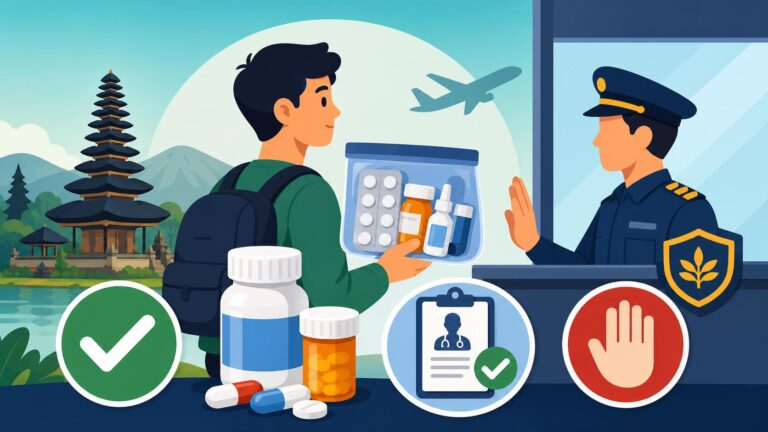
Benzodiazepines (like Xanax or Valium) are also highly regulated. While they are prescribed, doctors are often more cautious about giving them out than in some Western countries. Always ensure you have your physical prescription and a letter from your doctor if you are traveling within Indonesia with these medications to avoid any misunderstandings with law enforcement.
| Service Type | Provider Title | Prescribes Meds? | Focus Area |
|---|---|---|---|
| Counseling | Psikolog Klinis | No | Talk therapy, behavioral changes, emotional support |
| Psychiatry | Sp.KJ | Yes | Medication management, biological diagnosis |
| Emergency | UGD / ER | Short-term only | Crisis stabilization, immediate safety |
| Support Groups | Facilitator | No | Peer support, shared experience, community |
Online Therapy and Telehealth Alternatives
For many of us, the convenience and privacy of online therapy are a godsend, especially when navigating the complexities of a foreign healthcare system. Telehealth has exploded in Indonesia, offering a bridge for those who can't find the right local fit.
Benefits for Expats in Remote Areas
If you’re living in a "Site" town or a remote island, telehealth is often your only option. The beauty of online therapy is that you can connect with a therapist who shares your native language and cultural background, regardless of where you are in the world. I’ve known expats in the highlands of Papua who maintained weekly sessions with therapists in Australia or Europe via Zoom.
However, there is a comfort in finding a "local" online therapist—someone living in Indonesia who understands the specific frustrations of the local bureaucracy or the "Macet" (traffic). Many clinics in Jakarta, like the International Wellbeing Center, now offer robust tele-therapy options. This allows you to build a relationship with a practitioner who you could potentially see in person if you visit the city.
One thing to consider is your insurance coverage. Some international plans, like Cigna Global, offer specific provisions for telehealth, which can make this a very cost-effective option. Before you start, check your policy details to see if they reimburse for "out-of-country" providers or if they require you to use their own proprietary telehealth platform.
Using Local Apps for Quick Access
Indonesia has some incredible homegrown tech solutions for healthcare. Apps like Halodoc and Alodokter are widely used for quick consultations. While they are primarily for general medicine, they do have sections for "Kesehatan Jiwa" (Mental Health).
These apps are great for a "quick check-in" or to get a prescription for non-controlled medication renewed if you’ve already seen a doctor. However, for deep, ongoing therapeutic work, they can feel a bit transactional. They are best used as a supplement to your main care. If you need to know how to set these up, our guide on How to Book a Doctor Appointment via Halodoc or Alodokter Apps is a great starting point.
The cost on these apps is surprisingly low, often under IDR 100,000 ($6 USD) for a chat or video call with a general practitioner or a psychologist. It’s a low-barrier way to start a conversation about your mental health if you’re feeling overwhelmed but aren't quite ready to commit to a full clinical session.
Balancing International Platforms with Local Legality
Many expats use platforms like BetterHelp or Talkspace. While these are convenient, they have limitations. A therapist based in the US or UK cannot prescribe medication in Indonesia, nor can they provide a legal "Surat Keterangan Dokter" (Medical Certificate) that would be recognized by an Indonesian employer for sick leave.
If you need a medical certificate for work, you will need a local provider. I always suggest that if you use an international platform, you also establish a "light" relationship with a local clinic. This ensures that if you ever have a crisis or need local documentation, you aren't starting from scratch.
Also, be aware of the internet stability. While fiber-optic is common in cities, "the Great Indonesian Firewall" or simple rainstorms can sometimes disrupt your connection. Always have a backup plan (like a 4G hotspot) for your sessions. You can find more about managing your local tech in Utilities and Setup: PLN Electricity, PDAM Water, and Home Internet in Indonesia.
Support Groups and Community-Based Care
Sometimes, the best medicine is knowing you aren't alone. Indonesia has a vibrant, if sometimes underground, network of support groups that can provide a level of empathy that a doctor simply can't.
Expat-Led Support Networks
In Jakarta and Bali, there are several informal support groups for everything from "Sober Curios" to "Expat Moms." These groups often meet in coffee shops or private homes and provide a safe space to vent about the unique challenges of living in the tropics.
Facebook groups (like "Jakarta Expats" or "Ubud Community") are often the starting point for finding these networks. However, use caution and look for groups that have a moderator or a clear set of privacy rules. I’ve found that the most helpful groups are the smaller, niche ones—for example, groups specifically for people Managing Chronic Conditions: Diabetes, Hypertension, and Long-Term Medication while living abroad.
Don't underestimate the power of "Third-Space" communities like book clubs, sports teams, or volunteer organizations. While they aren't "therapy" in the clinical sense, the social connection they provide is a massive buffer against the depression that often stems from expat isolation.
Holistic and Wellness-Based Approaches in Bali
Bali is a global hub for wellness, and for many expats, this is a core part of their mental health strategy. From breathwork sessions in Ubud to yoga retreats in Canggu, the island offers a plethora of non-clinical support.
While these should not replace medical treatment for serious conditions, they can be incredibly effective for stress management and spiritual grounding. Many people find that integrating these practices with traditional therapy provides a more holistic path to recovery. If you are heading to the island, our Health and Wellness in Bali: Yoga, Holistic Clinics, Diet, and Retreats guide covers the best spots to find your "Zen."
Just be wary of "spiritual bypassing"—using wellness practices to avoid dealing with deep-seated psychological issues. Bali has its fair share of uncredentialed "healers." Always trust your gut; if a "healing" session feels unsafe or cult-like, it probably is. Stick to established centers with good reputations.
Crisis Lines and Immediate Assistance
If you find yourself in an immediate mental health crisis, Indonesia has a national emergency number: 119 (ext. 8). This is the "Sejiwa" hotline, which was launched to provide psychological first aid. While they do have some English-speaking capacity, it can be hit-or-miss depending on who answers.
For expats, the most reliable "crisis" plan is often to have the number of a 24-hour international clinic like SOS Medika or BIMC saved in your phone. They can provide stabilization and have experience handling psychiatric emergencies with foreigners.
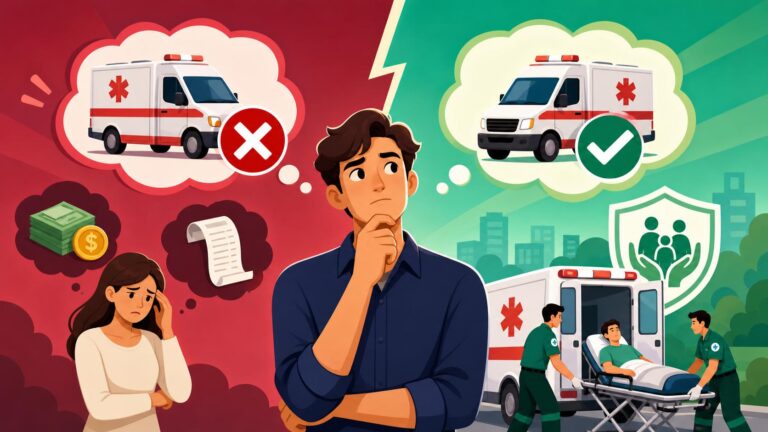
In a worst-case scenario, if you or a loved one needs immediate hospitalization for safety, you’ll want to be familiar with Emergency Medical Care in Indonesia: Ambulances, ERs, and Evacuation Protocols. Knowing which hospitals have psychiatric wards (like RSUP Persahabatan or certain private facilities) is information you hope you never need, but should absolutely have.
Navigating Costs and Insurance for Mental Health
The financial side of mental health can be another source of stress, but with a bit of planning, it’s manageable. The costs vary wildly between the public and private sectors.
BPJS Coverage for Mental Health
The good news is that Indonesia’s national health insurance, BPJS Kesehatan, does cover mental health services, including psychiatric consultations and medication. The bad news is that the process can be slow and involves a "referral" (Rujukan) system.
You first have to visit your primary clinic (Faskes 1), explain your symptoms, and get a referral to a hospital with a psychiatrist. For an expat, this means navigating a system that is almost entirely in Bahasa Indonesia. While it’s the most affordable route, most expats find it too cumbersome for routine therapy. However, for long-term, expensive psychiatric medications, it can be a lifesaver. You can read more about the registration process in BPJS Kesehatan for Expats: Registration, Costs, and the New KRIS System.
Under the new KRIS system, inpatient mental health care in public hospitals is standardized. If you require a higher level of comfort or privacy, you will likely need to look at private alternatives.
Private Insurance and Direct Billing
Most high-end international insurance plans, such as Cigna Global, offer coverage for mental health, but you often have to "opt-in" or select a specific tier of coverage. These plans are invaluable because they often allow for "direct billing" at top-tier clinics, meaning you don't have to pay out-of-pocket and wait months for reimbursement.
When choosing a plan, look specifically at the "Outpatient" benefits, as most mental health care is handled outside of a hospital stay. Some plans have a "waiting period" (e.g., 10-12 months) before you can claim for mental health, so check your policy before you book your first appointment.
If you don't have international insurance, you might be looking at costs ranging from IDR 800,000 to IDR 2,500,000 ($50 – $160 USD) per session for a private, English-speaking psychologist in Jakarta. Psychiatrist consultations are often slightly cheaper but the medication costs are additional.
Out-of-Pocket Costs and Budgeting
If you are paying out of pocket, it’s worth asking clinics if they offer "package" deals. Some clinics in Bali and Jakarta offer a discount if you book and prepay for five or ten sessions. This can significantly lower your per-session cost.
For medication, prices are generally lower than in the US but comparable to Europe. Generic versions of antidepressants are very affordable. However, if you insist on a Western brand-name drug, the price can triple. I always ask the doctor if there is a reliable "Golongan" (class) of generic medication available.
Don't forget to factor in the "hidden" costs of mental health: the Grab or Gojek rides to the clinic, the cost of supplements from iHerb, or the occasional "mental health day" away from work. Budgeting an extra $100-$200 a month for "Wellbeing" is a smart move for any expat in Indonesia.
Practical Tips for Maintaining Wellbeing as an Expat
Beyond the clinical walls, your daily habits in Indonesia will dictate your mental health more than anything else. Living here is a marathon, not a sprint.
Managing "Island Fever" and Cultural Burnout
Even in a place as beautiful as Bali, "Island Fever" is real. The feeling of being "trapped" on a small island or stuck in the concrete jungle of Jakarta can lead to significant irritability and depression.
My best advice? Schedule regular "escapes." Whether it's a weekend in the cooler air of Puncak or a quick flight to Singapore for a "civilization fix," getting out of your immediate environment is essential. It gives your brain a chance to reset from the constant sensory input of Indonesian life—the noise, the smells, and the social "always-on" culture.
Cultural burnout often happens when we try too hard to be "perfect" expats. It’s okay to spend a Sunday watching Netflix and eating familiar food. You don't have to be exploring a remote temple or eating street food every single day. Give yourself permission to be a "foreigner" sometimes.
Building a Sustainable Routine
Indonesia’s climate and traffic can easily wreck a routine. If you don't plan your exercise or your social time, the day will simply vanish into a sea of emails and gridlock. I found that joining a local gym or a community group provided the structure I needed to stay sane.
Sleep is also a major factor. The heat and the noise (the 4 AM call to prayer is something you’ll eventually get used to, but it takes time!) can disrupt your circadian rhythm. Investing in a good pair of earplugs and blackout curtains is a mental health investment.
And watch your caffeine and alcohol intake. It's easy to fall into the "Bintang at sunset" trap every night in Bali, or the "endless coffee meetings" culture in Jakarta. Both can significantly worsen anxiety. I often swap my afternoon coffee for a herbal tea I order from iHerb to keep my jitters at bay.
When to Consider Medical Evacuation for Mental Health
It’s a tough topic, but sometimes the best thing for your mental health is to leave Indonesia. If you are in a persistent crisis and the local support systems aren't sufficient, medical evacuation (Medevac) might be necessary.
This is usually a last resort, but it’s a standard part of many expat insurance packages. It usually involves being flown to a country with more specialized psychiatric facilities, like Singapore or your home country. Having a plan with a provider like Cigna Global ensures that if things ever get that bad, you aren't stuck.
Knowing when to call it quits—whether temporarily or permanently—is a sign of strength, not failure. Indonesia is a "high-challenge" environment, and it's not for everyone at every stage of their life. If your mental health is suffering to the point where you can no longer function, please prioritize your life over your contract or your visa.
Disclaimer
This guide is for informational purposes only and does not constitute medical advice. Mental health is a complex field, and regulations in Indonesia are subject to change. Always consult with a licensed medical professional or psychiatrist before starting or stopping any treatment or medication. The author and publisher are not responsible for any actions taken based on the information provided in this article. In case of a medical emergency, please contact your local emergency services or visit the nearest hospital.