Surabaya Healthcare Guide: Where to Go and How to Book Medical Appointments
Finding a reliable doctor in a sprawling city like Surabaya can feel like searching for a needle in a haystack while navigating a maze of heavy traffic. I remember my first high fever in West Surabaya, frantically Googling "English speaking doctor" while my local neighbors recommended three different clinics at once. This guide solves that confusion by mapping out the best medical facilities, booking shortcuts, and local protocols for Surabaya residents.
Understanding the Surabaya Healthcare Landscape
Surabaya, as Indonesia’s second-largest city and the hub of East Java, offers a healthcare standard that often rivals Jakarta, provided you know where to look. For the uninitiated, the system is divided into public (RSUD) and private (RS Swasta) sectors. While the public hospitals are where the most complex surgeries often happen due to government funding, they are frequently overwhelmed, noisy, and challenging for those without fluent Bahasa Indonesia.
Public vs Private Facilities in East Java
The distinction between public and private care in Surabaya is starker than in many Western countries. Public hospitals like RSUD Dr. Soetomo are academic powerhouses but are primarily designed to serve the massive local population under the BPJS system. For an expat or tourist, the wait times and administrative hurdles at a public facility can be exhausting. I once spent four hours at a public clinic just to get a basic blood test because I didn't understand the "ticket" system.
Private hospitals, on the other hand, are designed with a "customer service" mindset. They offer "International Wings" or "Executive Suites" where English-speaking staff are more common. These facilities are often located in more accessible areas like Gubeng or the upscale neighborhoods of West Surabaya. If you are Finding Medical Care in Indonesia: Clinics, Hospitals, and International Facilities, your first instinct in Surabaya should generally be the high-end private networks, as they streamline the process for foreign residents significantly.
International Standards and Accreditation
When looking for a hospital in Surabaya, look for JCI (Joint Commission International) accreditation or KARS (Komite Akreditasi Rumah Sakit) Paripurna status. These ratings ensure that the hospital follows global safety and hygiene protocols. Surabaya has seen a massive influx of investment in medical technology recently, with some hospitals specializing in robotic surgery and advanced oncology that draw patients from all over eastern Indonesia.
It is also worth noting that many doctors in Surabaya’s top private hospitals have completed fellowships in Singapore, Australia, or the Netherlands. Don't be afraid to ask about a doctor’s educational background; most are quite proud of their international training and are happy to converse in English. This level of care is why many residents prefer staying in the city rather than Medical Tourism in Southeast Asia: Flying to Singapore or Malaysia for Care.
Top-Tier Hospitals in Surabaya for Expats
Navigating the city's medical map requires knowing the "Big Three" of Surabaya healthcare. These are the institutions where you are most likely to find seamless service, clean facilities, and doctors who can explain a diagnosis without a language barrier.
National Hospital Surabaya
Located in the CitraLand area of West Surabaya, National Hospital is often considered the gold standard for modern care in the city. It feels less like a hospital and more like a high-end hotel. They have a dedicated "International Patient Service" which I personally found lifesaver when I had to navigate a complex insurance claim. Their diagnostic imaging—MRIs and CT scans—is among the most advanced in the country.
The hospital is particularly well-known for its "Neuroscience Center" and its "Daru Excellence Center." If you are living in the western suburbs like Graha Famili or CitraLand, this is your primary destination for everything from routine checkups to emergencies. The staff here are generally well-versed in handling international policies like those from Cigna Global, making the billing process much smoother than at smaller local clinics.
Siloam Hospitals Surabaya
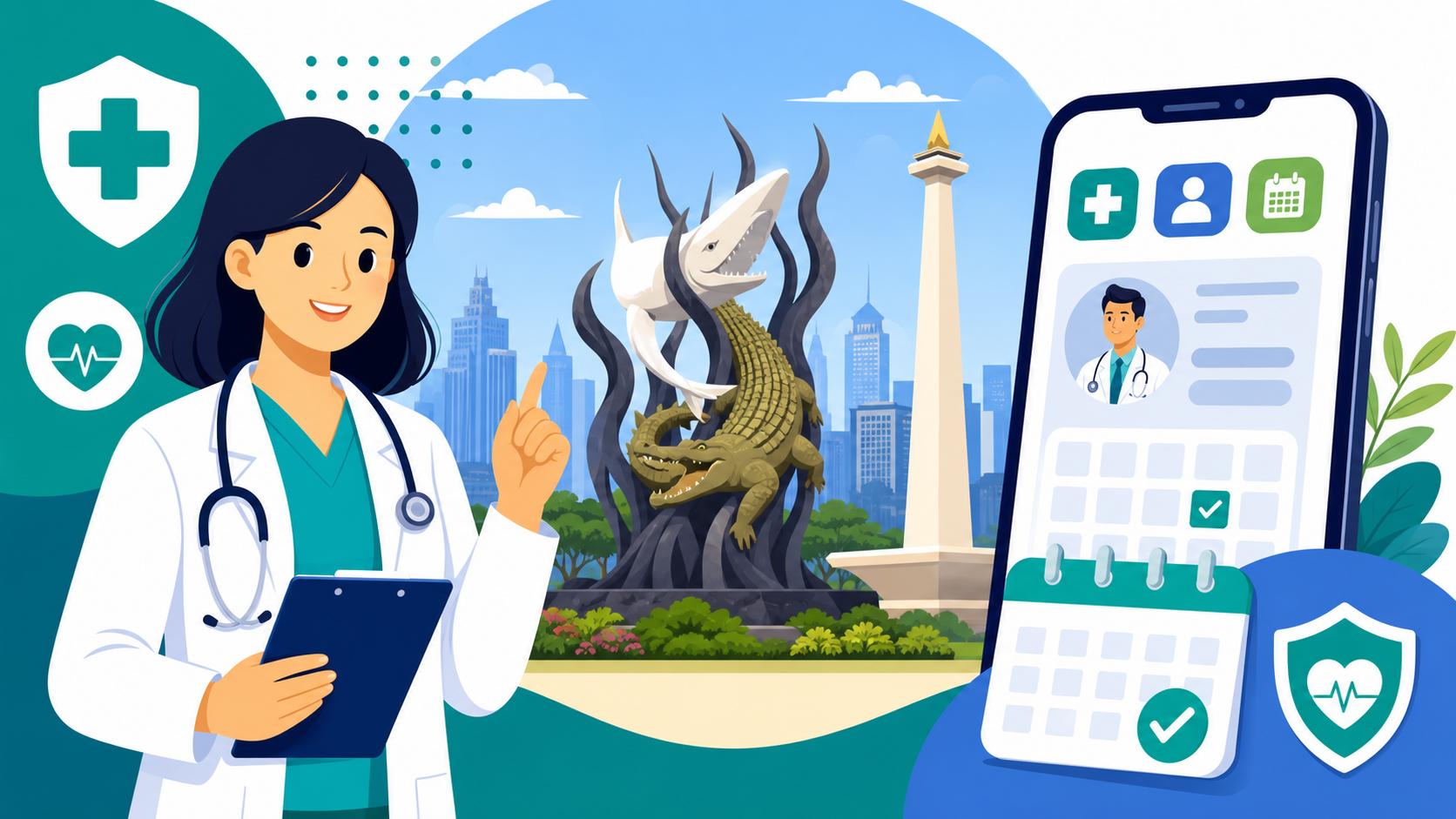
Siloam is a household name across Indonesia, and their Surabaya branch on Jalan Raya Gubeng is a central pillar of the city’s medical infrastructure. Its location is a major plus if you are living or working in the city center. Siloam is part of a massive network, which means they have a very standardized way of doing things. You can even use their "Myliloam" app to book appointments and view your lab results on your phone.
I’ve visited the Siloam ER a couple of times for minor accidents, and the triage process was relatively efficient. They have a strong cardiology department and a very busy pediatrics wing. For many newcomers, an Siloam Hospitals Overview: What Expats Should Know About the Network is the best place to start because the brand's consistency reduces the "culture shock" of Indonesian healthcare.
RS Premier Surabaya
Located in the Nginden area of East Surabaya, RS Premier (part of the Ramsay Sime Darby group) has long been a favorite for the expat community. It has a slightly more "boutique" feel compared to the massive halls of Siloam or National Hospital. Many of the long-term expat teachers and business owners I know swear by RS Premier for its nursing care, which is often cited as being more attentive and personal.
They are particularly strong in orthopedics and physical therapy. If you’ve had a sports injury or need long-term rehabilitation, their facilities are top-notch. Because they have been serving the international community for decades, their administrative staff are experts at processing the "Letter of Guarantee" (LOG) from international insurers.
| Hospital Name | Primary Location | Known For | English Proficiency |
|---|---|---|---|
| National Hospital | West Surabaya (CitraLand) | Neuro, High-Tech, Luxury | Very High |
| Siloam Hospitals | Central (Gubeng) | Cardiology, ER, Network Access | High |
| RS Premier | East (Nginden) | Orthopedics, Nursing Care | High |
| RS Katolik St. Vincentius (RKZ) | Central (Diponegoro) | Surgery, General Medicine | Moderate/High |
| RS Husada Utama | Central (Near Station) | Oncology, General Practice | Moderate |
How to Book Medical Appointments in Surabaya
The days of just walking into a clinic and sitting on a wooden bench for three hours are mostly over—if you know which apps to use. In Surabaya, "WhatsApp culture" dominates everything, including the medical sector.
Using Mobile Apps Like Halodoc and Alodokter
If you haven't downloaded Halodoc or Alodokter yet, do it now. These apps have revolutionized how we access healthcare in Indonesia. You can use them to consult a doctor via chat for minor issues like "Bali Belly" (or "Surabaya Stomach") or to buy medicine that gets delivered to your door via Gojek. Most importantly, you can use these apps to book in-person appointments at major hospitals.
The apps show you the doctor’s schedule, their consultation fee, and even reviews from other patients. I always check the apps first to see which specialists are available before I even leave my house. If you need a quick prescription for something common, How to Book a Doctor Appointment via Halodoc or Alodokter Apps is the fastest way to bypass the hospital's front-desk queue.
Direct Hospital Registration and WhatsApp
If you prefer dealing with the hospital directly, almost every private facility in Surabaya has a dedicated WhatsApp number for appointments. You can usually find these on their Instagram profiles or official websites. You send a message with your name, the specialist you want to see, and your preferred time. A bot or a staff member will then confirm your slot and send you a QR code for check-in.
When you arrive at the hospital, look for the "Self-Registration" kiosks. These machines allow you to scan your QR code or enter your patient ID number to print your queue slip. If it's your first time, you’ll need to go to the "Pendaftaran" (Registration) desk with your passport and insurance card. If you are using international coverage from providers like Cigna Global, make sure to mention this immediately so they can verify your benefits while you are seeing the doctor.
Specialized Care and Clinics
Sometimes you don't need a full hospital; you just need a reliable GP or a specific specialist for routine maintenance. Surabaya has several standalone clinics that offer a more intimate environment.
Finding English-Speaking General Practitioners
For day-to-day health issues, many expats head to "Klinik Utama" (Primary Clinics) located in malls or residential hubs. In the Pakuwon Mall area, for instance, there are several small clinics that are used to seeing foreign shoppers and residents. These are great for Preventive Health Checkups (MCU): What to Expect and How to Read Lab Results without the stress of a hospital environment.
If you find a GP you like, ask for their personal WhatsApp. In Indonesia, it is very common for doctors to give their numbers to patients for quick follow-up questions. This level of accessibility is something I truly appreciate about living here; it feels more like the "old school" family doctor relationship that has been lost in many Western countries.
Dental and Vision Care
Dental care in Surabaya is surprisingly affordable and high-quality. Clinics like Rejuvie or the dental wings in major hospitals offer everything from routine cleanings to complex implants. I’ve found that Dental Cleaning Costs in Bali vs Jakarta: Private Clinic Benchmarks are very similar to Surabaya’s prices, making it easy to budget for.
For vision care, major malls like Tunjungan Plaza or Galaxy Mall house reputable opticians like Optik Melawai or Optik Seis. They can perform basic eye exams on the spot and have glasses ready within a few days. If you need an ophthalmologist for more serious issues like cataracts or LASIK, the Surabaya Eye Clinic (SEC) is the regional specialist and comes highly recommended by the local medical community.
Emergency Services and Pharmacies
In an emergency, the chaotic streets of Surabaya can be a major barrier. Understanding how to call for help and where to find medicine after hours is vital.
ER Protocols and Ambulances
The national emergency number is 112 or 118/119, but in Surabaya, it is often more effective to call the direct emergency line of the nearest private hospital. National Hospital and Siloam both run their own ambulance fleets which are generally better equipped than the city’s general service. Keep a list of these direct numbers on your fridge or saved in your phone as "EMERGENCY."
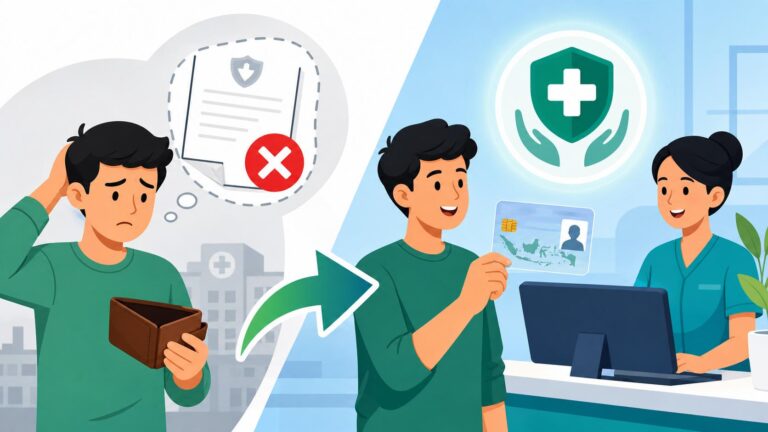
When you arrive at an ER (locally called UGD or IGD), be prepared to show proof of payment or insurance immediately. This is a cold reality of Indonesian healthcare—treatment often begins only after the administrative staff knows who is paying. This is why having a robust policy and understanding Emergency Rooms (UGD) in Indonesia: Triage, Payment Upfront, and Documentation is so important. If you are unconscious and alone, having your insurance card in your wallet is the best way to ensure you are taken to a private facility rather than a public one.
24-Hour Apoteks and Medication
Pharmacies in Indonesia are called "Apotek." The two biggest chains are Kimia Farma and K-24, both of which usually have 24-hour branches in every major neighborhood. You can find almost anything over-the-counter here, but be cautious with antibiotics, as they are sometimes sold without a prescription despite official regulations.
For specific Western brands or supplements that are hard to find locally, many expats rely on iHerb for international shipping. However, for immediate needs, an Apotek Guide: Prescription Workflow, Refills, and Communicating with Pharmacists will help you navigate the local generic equivalents. Just remember that many medications for ADHD or high-level anxiety are strictly controlled or even illegal here, so always carry your original prescription and a doctor's letter.
Managing Costs and Insurance
Healthcare in Surabaya is a "pay-for-play" system. While the costs are lower than in the US or Europe, a week in a VIP room at National Hospital can still set you back thousands of dollars if you aren't covered.
BPJS vs Private International Insurance
If you are working in Surabaya on a KITAS, you are legally required to be enrolled in BPJS Kesehatan, the national health insurance. It is great for catastrophic coverage, but it requires you to follow a strict referral path starting at a local community clinic (Puskesmas). Most expats choose to supplement this with private insurance to gain direct access to specialists and "Class 1" or VIP hospital rooms.
A comprehensive policy from Cigna Global is a popular choice because it allows for direct billing, meaning you don't have to pay the massive hospital bill out of pocket and wait months for a reimbursement. This is particularly useful in Surabaya, where private hospitals expect settlement before discharge. If you're wondering about the logistics of the state system, checking BPJS Kesehatan for Expats: Registration, Costs, and the New KRIS System will help you understand what you are already paying for through your employer.
Billing and Payment Expectations
Always ask for an "estimasi biaya" (cost estimate) before agreeing to a procedure or inpatient stay. Indonesian hospitals are generally transparent about their room rates, but the "extras"—medicine, disposables, and specialist fees—can add up quickly. Most private hospitals accept all major credit cards, but it’s a good idea to notify your bank that you are in Indonesia to avoid a fraud trigger during a large medical payment.
If you are paying out of pocket and find the bill higher than expected, don't be afraid to ask for an itemized breakdown. Sometimes "administration fees" can be negotiated or clarified. For a better understanding of how to manage your medical finances in the city, the Healthcare Budgeting: BPJS Caps, Out-of-Pocket Costs, and Private Copays guide provides a deeper look at the numbers.
Disclaimer
The information provided in this guide is for educational and informational purposes only and does not constitute professional medical advice, diagnosis, or treatment. Always seek the advice of your physician or other qualified health provider with any questions you may have regarding a medical condition. Regional regulations and hospital policies in Indonesia are subject to change; please verify all contact details and protocols with the respective facilities directly.