The Financial Risks of Using Unregistered Money Lenders in Indonesia
Navigating the Indonesian financial landscape can feel like a maze, especially when you are staring down a mounting pile of bills and your local bank account application is still stuck in administrative limbo. I remember my first year in Jakarta, feeling the crushing weight of the "one-year rent upfront" rule while my home-country credit cards were being flagged for fraud. This guide exposes the predatory world of unregistered money lenders and provides the safe, legitimate paths you need to protect your wallet and your peace of mind.
Understanding the Pinjol Phenomenon and Shadow Banking in Indonesia
In Indonesia, the term "Pinjol" (short for Pinjaman Online, or online loans) has become a household word, but it carries a dual identity. While there are legitimate, regulated fintech platforms, there is a massive, thriving underworld of illegal, unregistered money lenders. These entities operate entirely outside the jurisdiction of the Otoritas Jasa Keuangan (OJK), Indonesia’s Financial Services Authority. As a foreigner, you might find yourself targeted by these groups through aggressive WhatsApp messages or flashy social media ads promising "fast liquid cash" with "no documents required."
The reality of these "Biro Jasa" financial schemes is far grimmer than the advertisements suggest. Illegal lenders typically use predatory mobile applications that, once installed, act as Trojan horses. They don't just ask for your KITAS or passport; they demand permissions to access your entire contact list, your gallery, and even your GPS location. This is not about verifying your identity—it is about building a dossier for future extortion.
Why Expats and Residents Fall into the Trap
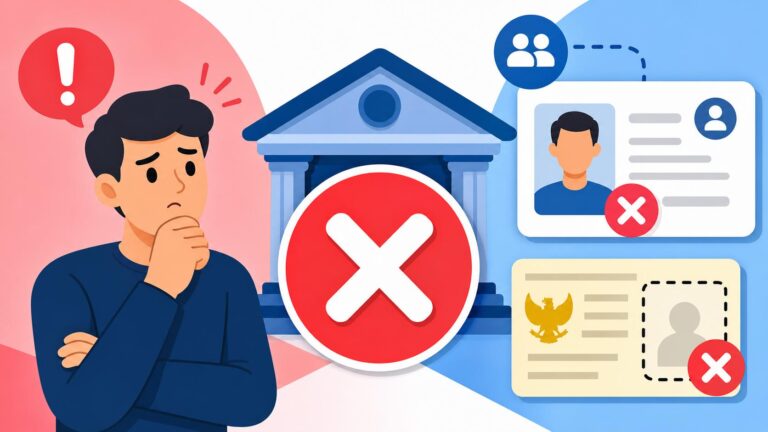
The temptation often starts with a legitimate hurdle. Perhaps you are struggling with Opening a Bank Account in Indonesia: Document Checklists (KITAS, NPWP, Passport) because your employer hasn't finalized your paperwork. Or maybe you have been rejected for a traditional line of credit, which is common since Applying for an Indonesian Credit Card: Security Deposits and KITAS Hurdles are notoriously difficult for new arrivals to clear.
When a traditional bank says no, and you are facing a medical emergency or a sudden housing crisis, an app that promises millions of Rupiah in minutes seems like a lifeline. However, these lenders thrive on the "Information Gap." They know that foreigners often do not understand the local interest rate caps set by the OJK, nor are they aware of the legal protections available to residents. They gamble on the fact that an expat, fearing for their visa status, will pay almost any amount of "penalty fees" to avoid trouble with the law or social embarrassment.
The Mechanics of the Unregistered Loan
Unlike a standard bank loan where you receive a clear repayment schedule, illegal Pinjols often use "deductive lending." If you borrow IDR 5,000,000, you might only receive IDR 3,500,000 in your account, with the remainder "deducted" as administrative fees. Yet, you are expected to pay back the full IDR 5,000,000—plus interest—within a week.
If you are just starting out, please review our Financial Checklist for Your First 30 Days in Indonesia to ensure you have set up your basics correctly so you never feel forced to look toward these "shadow" lenders. Legitimate alternatives exist, even if they take a few more days to process.
The Massive Risks From Data Breaches to Physical Harassment
The risks of engaging with unregistered lenders in Indonesia are not just financial; they are deeply personal and can jeopardize your legal standing in the country. Because these lenders operate in the "black market," they do not follow the ethical collection guidelines mandated by the Indonesian government.
Predatory Interest Rates and Hidden Fees
The most immediate risk is the "interest trap." While OJK-regulated lenders have a daily interest cap (currently trending downward toward 0.1% to 0.3% per day), illegal lenders often charge 1% to 3% daily. This means a small loan can double in size within a single month. They also employ "tenor shortening." You might sign up for a 30-day loan, only to have the lender demand full repayment on day seven, claiming a "policy change."
When you fail to pay these inflated amounts, the "late fees" begin. These fees are often arbitrary and calculated hourly. I have seen cases where an initial loan of $200 USD ballooned into a $2,000 USD debt in less than six weeks. To keep your data safe while browsing or checking potential financial platforms, using a tool like NordVPN can help ensure your connection is encrypted and your location isn't easily harvested by malicious web-based loan trackers.
Data Privacy Violations and Social Shaming
The most harrowing aspect of illegal money lending in Indonesia is the "social terror" tactic. Because the apps harvest your contact list, the moment you are a day late, the lender’s "desk collection" team will begin calling everyone in your phone book. They will call your boss, your HR department, and even your family back home.
In many cases, they create WhatsApp groups including all your contacts, where they post your photo—often edited to look like a criminal mugshot—and claim you have embezzled money. For an expat, this can be devastating. It can lead to the immediate termination of your employment contract and, consequently, the cancellation of your KITAS. This is a common tactic mentioned in our guide on Navigating Financial Scams Targeting Expats: Real Estate and Investment Fraud. Once your data is in their hands, it is also frequently sold to other scammers, leading to a never-ending cycle of How to Spot WhatsApp Phishing and Local E-Commerce Delivery Scams.
Physical and Psychological Toll
While most "Pinjol Ilegal" operate digitally, some local "Renternir" (loan sharks) operate in person, particularly in areas like Bali or South Jakarta. These individuals may resort to physical intimidation or "confiscating" your passport as "collateral." Never, under any circumstances, give your physical passport to an unregistered lender. This is a violation of your immigration requirements and leaves you completely vulnerable to extortion.
| Feature | OJK-Registered Lenders | Unregistered Money Lenders (Pinjol Ilegal) |
|---|---|---|
| Interest Rates | Capped by OJK (Approx. 0.1-0.3% daily) | Uncapped (Often 1-3% daily) |
| Data Access | Limited to camera, mic, and location | Full access to contacts, gallery, and files |
| Collection Method | Ethical, regulated, no harassment | Threatening, social shaming, "terror" calls |
| Transparency | Clear fees and repayment schedules | Hidden fees, deducted upfront capital |
| Recourse | Can be reported to OJK / AFPI | No legal oversight; difficult to trace |
Legal and Safe Financial Alternatives for Foreigners
If you find yourself in a financial pinch, do not panic. Indonesia has a robust and rapidly modernizing financial sector that offers many safe ways to manage liquidity without resorting to the dark corners of the internet.
Banking and Digital Wallets for Residents
The first step is always to secure a local bank account with a reputable institution. You should look into Top Banks for Expats: Comparing BCA, Mandiri, BNI, and Digital Banks (Jenius). Digital banks like Jenius (by BTPN) are particularly expat-friendly and often offer "Flexi Cash" options—legitimate, regulated credit lines—to users who have maintained a steady balance for a few months.
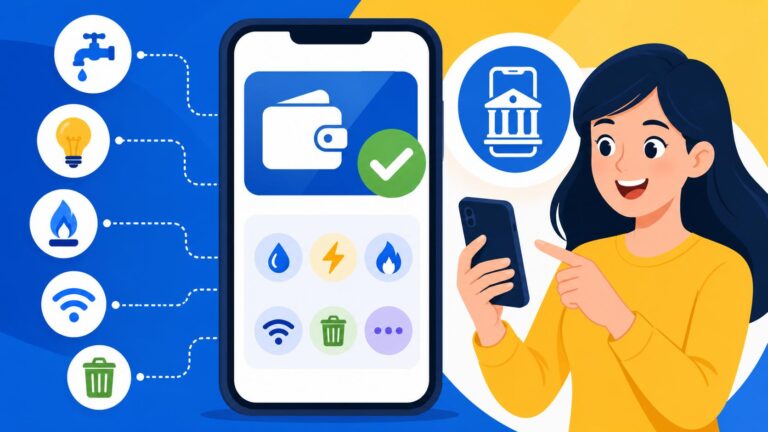
Additionally, leveraging Digital Banking and E-Wallets: How to Register for GoPay, OVO, and Dana can help you manage smaller daily expenses. These platforms are heavily regulated and offer "PayLater" services that are OJK-approved. While they still carry interest, it is transparent, legal, and will not result in your contacts being harassed.
Managing International Assets and Remittances Safely
If your financial trouble stems from your home country's funds being inaccessible, focus on legitimate remittance paths rather than local loans. Using a service like Wise is often the fastest and cheapest way to move money into your Indonesian account. It avoids the massive "hidden fees" of traditional wire transfers and provides a mid-market exchange rate. You can find more details on this in our guide on International Money Transfers: Using Wise, SWIFT, and Local Bank Remittances.
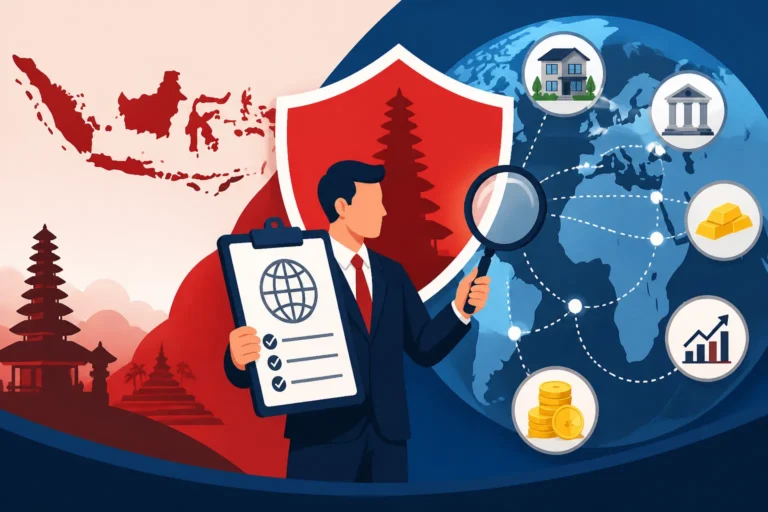
For those who have longer-term wealth but are facing a temporary cash flow issue, consider your investment accounts. Platforms like Interactive Brokers allow you to manage your global portfolio while living abroad, ensuring your wealth is working for you even if you are physically in Southeast Asia. If you are into digital assets, using a regulated global exchange like Binance can provide P2P (peer-to-peer) options to convert stablecoins into Rupiah directly into your Indonesian e-wallet, which is a common strategy for digital nomads to maintain liquidity.
What to Do if You Are Already Targeted by Illegal Lenders
If you have already made the mistake of clicking that link or downloading that app, the worst thing you can do is go silent or "borrow from Peter to pay Paul" by taking out a second illegal loan.
Reporting to OJK and Satgas Pasti
The Indonesian government is very aggressive about shutting down these entities. The "Satgas Pasti" (formerly Satgas Waspada Investasi) is a dedicated task force aimed at eradicating illegal lending. You can report illegal Pinjols via their WhatsApp hotline or email. Providing them with the app name and the phone numbers used to harass you helps the government block these entities and protects others in the community.
Digital Self-Defense and Legal Recourse
- Change Your Privacy Settings: Immediately set your social media profiles to private. The collectors will look for your friends and family on Facebook and Instagram to shame you.
- Warn Your Contacts: If the harassment has started, send a blast message to your contacts. Tell them: "My phone has been compromised by a malicious app. If you receive any messages regarding debt or money in my name, please block the number and do not engage. It is a scam." This removes the "shame" power the lenders hold over you.
- Document Everything: Save screenshots of the threats, the interest calculations, and the original loan agreement. You will need this if you decide to take the matter to the police (Polda).
- Do Not Pay More "Admin Fees": Often, illegal lenders will promise to "delete your data" if you pay a final "cleaning fee." This is a lie. Once you pay, they realize you are a "payer" and will continue to extort you for more.
Living in Indonesia is an incredible adventure, but the administrative hurdles can be exhausting. Don't let a temporary cash flow problem turn into a permanent legal or social nightmare. Stick to the regulated paths, use your VPN for security, and remember that if a financial deal seems too fast and too easy, it’s probably a trap.
Disclaimer
This article is for informational purposes only and does not constitute legal or financial advice. Regulations regarding money lending, banking, and immigration in Indonesia are subject to frequent change. Always consult with a licensed legal professional or a registered financial advisor before making significant financial decisions. The author is not responsible for any financial losses or legal issues arising from the use of unregistered financial services.