The Blacklist (Cekal): Reasons for Being Banned from Entering Indonesia
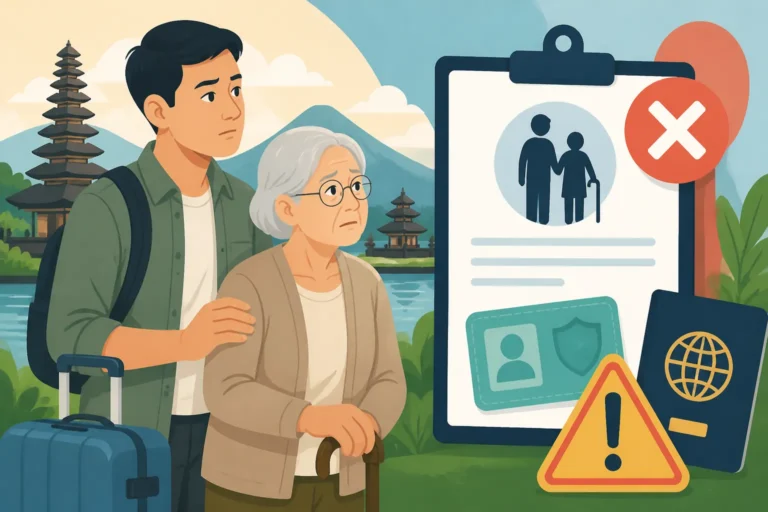
Imagine standing in the humid immigration hall at Ngurah Rai, just minutes away from your first sunset Bintang, only for the officer to pause, frown at his screen, and ask you to step into "the back room." I’ve seen this nightmare play out for friends who thought a minor paperwork oversight was no big deal, only to find themselves on the dreaded Cekal list. This guide breaks down exactly why Indonesia bans foreigners and how to ensure your name never appears on that digital blacklist.
Understanding Cekal – Prevention and Deterrence in Indonesia
The term Cekal is actually a portmanteau of two Indonesian words: Cegah (Prevention) and Tangkal (Deterrence). In the world of Indonesian law, this isn't just a list of "bad people"; it is a sophisticated, centralized database managed by the Directorate General of Immigration under the Ministry of Law and Human Rights. When you are "Cekal-ed," you are either prevented from leaving the country because of an ongoing legal issue or, more commonly for us expats, deterred from entering because of past transgressions. It is a digital wall that doesn't care how much you love Bali or how many years you've lived in Jakarta once the system flags your passport number.
The Legal Framework of the Blacklist
The authority to blacklist a foreigner is rooted deeply in Law No. 6 of 2011 regarding Immigration. While the law has seen various updates leading into 2026, the core principle remains: the state has the absolute right to refuse entry to any foreigner without explaining the specific "why" if they are deemed a threat to public order, health, or national security. I’ve talked to people who felt they were treated unfairly, but under Indonesian law, entry is a privilege, not a right. The blacklist is the primary tool used to enforce this.
The list is updated in real-time. If you are deported from an airport in Medan, your name is visible to an officer in Labuan Bajo seconds later. This inter-connectedness is what makes the system so effective and, for the unwary, so terrifying. It isn't just about criminal records; it’s about administrative compliance. If your Immigration Compliance: Address Changes, EPOs, Overstays, and Reporting isn't handled correctly, the system won't hesitate to flag you.
How the Database Works
Indonesia has moved almost entirely to biometric-linked data. It is no longer as "simple" as getting a new passport with a slightly different name spelling—a trick some used decades ago. Your fingerprints and facial recognition data are now tied to your unique identity in the SIMKIM (Immigration Management Information System). When you scan your passport at an e-gate or hand it to an officer, the system cross-references your biometrics against the Cekal database.
This means that even if a ban was issued under an old passport, the new one will likely trigger the same red flag the moment your prints are scanned. The database also categorizes bans. Some are automated, triggered by a computer after a certain number of overstay days, while others are manual, entered by an officer or a government agency following a specific incident.
Different Types of Bans Temporary vs Permanent
Not all bans are created equal. Most "standard" violations, like a moderate overstay or a minor work permit misalignment, result in a temporary ban, typically lasting six months to two years. However, these are not automatically lifted. You often have to wait for the period to expire and then ensure the record is cleared. On the other end of the spectrum are permanent bans, usually reserved for serious crimes, drug trafficking, or those deemed "persona non grata" for political or national security reasons.
The duration of your ban is often hidden from you until you actually try to enter. This is why it is so critical to understand the severity of your specific situation before you even book a flight. If you've had issues in the past, checking your status via a service like iVisa can sometimes provide clarity on your current visa eligibility before you reach the border.
Common Reasons for Landing on the Indonesian Blacklist
The most common way expats find themselves on the blacklist isn't through high-stakes espionage; it’s through simple, avoidable negligence. Indonesian immigration takes its rules very seriously, and what might feel like a small administrative hiccup to you is a "violation of sovereignty" to them. I have sat in enough immigration offices to know that "I didn't know" is the least effective defense you can offer.
Overstaying and Immigration Violations
This is the number one culprit. Indonesia has a very strict "pay or leave" policy for overstays. If you overstay by a few days, you pay a fine—currently IDR 1,000,000 per day. But once you cross that 60-day threshold, you are no longer just paying a fine; you are looking at deportation and a mandatory stint on the blacklist. Overstaying Your Visa in Indonesia: IDR 1,000,000 Daily Fines and Deportation Risk is a path many accidentally take because they miscalculate their 30 or 60 days.
Remember, the day you arrive counts as Day 1, and the day you leave counts as a full day. If you try to leave on what you think is Day 60 but the computer says Day 61, you are in for a very expensive and stressful afternoon. For those who exceed 60 days, the process involves a formal detention, an interview, and a plane ticket home (at your own expense), followed by a multi-year ban.
Working Illegally on the Wrong Visa
Indonesia is increasingly protective of its local labor market. The rise of "digital nomads" and "influencers" has led to a massive crackdown on people working on B211A or Visa on Arrival (VoA) stamps. If you are caught earning money, conducting business meetings, or even managing a villa without the correct KITAS, you are fast-tracking your way to the blacklist.
I’ve seen influencers deported simply for tagging a brand in a "collab" post while on a tourist visa. The logic is simple: if you are performing an activity that a local could do or that generates income, you need a work permit. Side Gigs in Bali: Why Promoting Yoga Classes on a Tourist Visa is Illegal is a reality that many newcomers find out the hard way during a "Razia" (immigration raid).
Criminal Activities and Law Enforcement
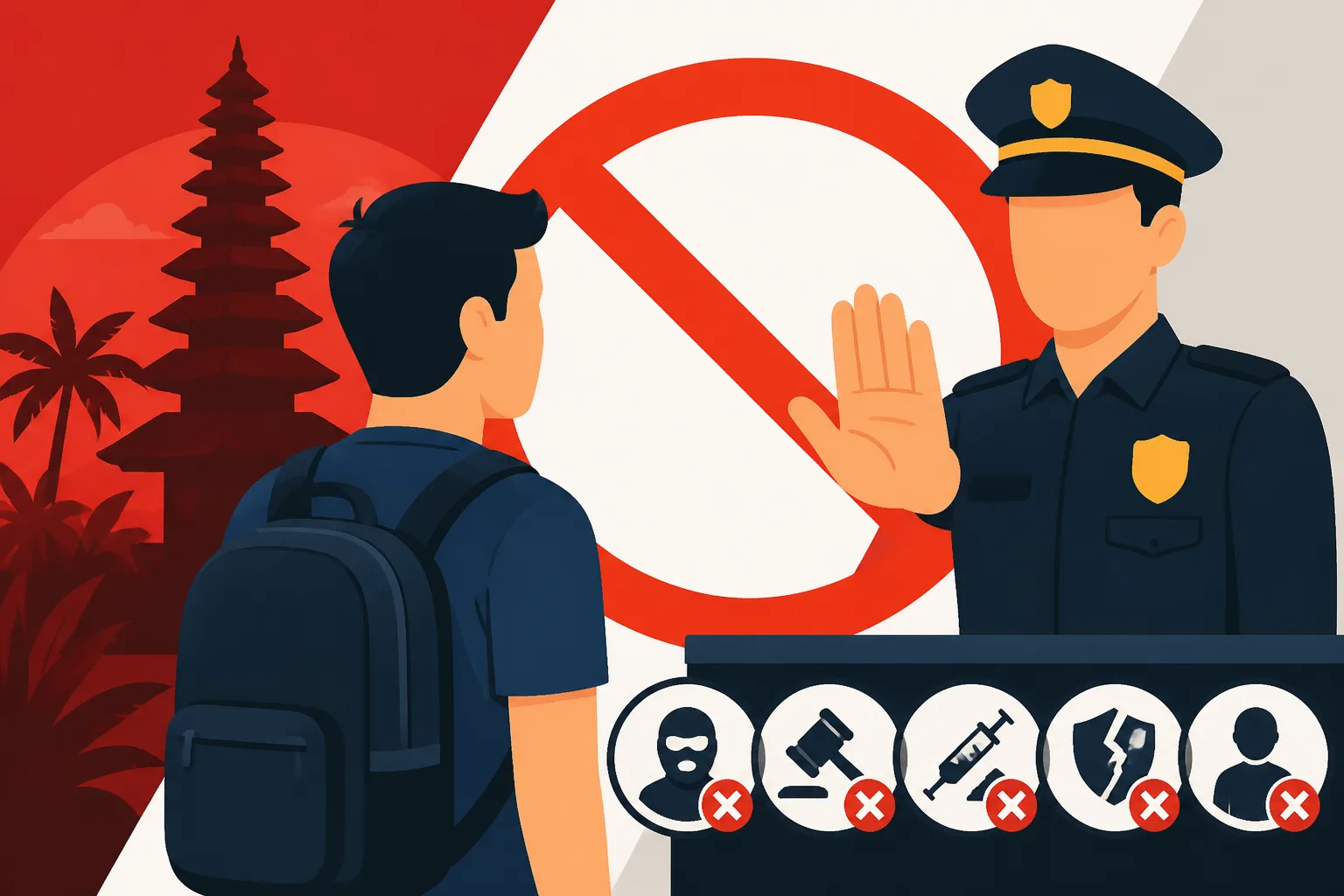
This should go without saying, but any criminal conviction in Indonesia—and many convictions abroad—can land you on the Cekal list. Indonesia has a zero-tolerance policy for drugs. Even a small amount of marijuana can lead to years in prison followed by a lifetime ban. Beyond drugs, things like fraud, violent altercations, or being involved in "scam centers" are guaranteed ways to ensure you never see a tropical beach again.
What many don't realize is that even being suspected of a crime or being under investigation can trigger a "Cegah" (prevent departure) order. If you are involved in a legal dispute, the police can request immigration to block you from leaving until the matter is settled. This is where having solid legal representation and a clear record becomes your only lifeline.
| Violation Type | Typical Ban Duration | Financial Consequences |
|---|---|---|
| Overstay < 60 Days | None (if fine paid) | IDR 1,000,000 per day |
| Overstay > 60 Days | 6 months to 2 years | Fine + Deportation costs |
| Working on Tourist Visa | 6 months to 5 years | Immediate deportation |
| Criminal Conviction | 5 years to Lifetime | Prison + Permanent Ban |
| Public Disturbance | 1 year to Lifetime | Deportation |
Administrative and Paperwork Errors That Trigger Bans
Sometimes, it’s not what you did, but how you documented it. Indonesia is a country of "letters" and "stamps." If the paperwork doesn't match the reality, the system assumes the worst. I always tell newcomers: "The law is the law, but the paperwork is the real law."
Forged Documents and Misrepresentation
Providing false information on a visa application is an express lane to the blacklist. This includes everything from fake bank statements to "doctored" diplomas for a work KITAS. Immigration has become very adept at spotting these. If you are submitting official documents from your home country, they almost always need to be legalized or apostilled, and translated by a certified professional. Using a reputable service like RushTranslate for your birth certificates or degrees ensures that the translation is accurate and recognized by Indonesian authorities.
If an agent offers to "fix" your documents for a fee, run the other way. If immigration discovers a forgery, they won't just reject the visa; they will blacklist you for fraud and misrepresentation. This ban is notoriously difficult to appeal because it strikes at the heart of "integrity" in the eyes of the department.
Failure to Report Address Changes
When you hold a KITAS or KITAP, you are legally required to live at the address registered with immigration. If you move from a villa in Canggu to an apartment in Ubud and don't update your domicile, you are technically in violation of your stay permit. Immigration officers do perform spot checks, and if you aren't where you say you are, they can revoke your visa on the spot.
Reporting Address Changes: Why Immigration Will Check Your Domicile Letter is perhaps the most underrated piece of advice for long-term residents. A missing "Surat Domisili" can turn a routine visa renewal into an interrogation. If they feel you are intentionally hiding your location, they may suspect you are engaging in illegal activities, which leads directly to a ban.
Issues with Sponsorship and EPO
Every KITAS has a sponsor—either a company (PT PMA) or a spouse. If that relationship sours and the sponsor withdraws their support without following the proper Exit Permit Only (EPO) process, you could be flagged as an "illegal stayer." I’ve seen messy breakups where a spouse cancels a visa out of spite, leaving the foreigner unaware that they are suddenly in the country illegally.
When you finish a job or a marriage ends, you must process an Exit Permit Only (EPO) vs ERP: Closing Your Visa Before Leaving Indonesia. If you just fly out without "closing" your visa properly, the system still thinks you are here. When your visa expires while you are abroad, the system flags you for an "unclosed" stay, which can cause massive headaches—and potential bans—when you try to return on a new visa later.
The Impact of Public Disturbance and Cultural Disrespect
Indonesia is a deeply traditional and religious society. While the "island of the gods" may feel like a giant playground, the laws regarding public behavior are quite strict. In recent years, the government has become much more aggressive about deporting and blacklisting foreigners who "disrespect the culture."
Disrespecting Local Customs and Religious Sites
We've all seen the headlines: a tourist posing nude on a sacred tree, someone dancing disrespectfully at a temple, or an expat yelling at a local ceremony (Melasti) procession because it's blocking traffic. These aren't just "rude" behaviors; they are legal grounds for deportation. The local community (Banjar in Bali) has a direct line to immigration.
If you are reported for "disturbing the peace" or "insulting religion," you won't just get a slap on the wrist. You will likely be invited for an "interview" at the KanIm (Immigration Office), where you'll find your photos from Instagram being used as evidence against you. I cannot stress this enough: modesty and respect are your best "insurance" against the blacklist.
Public Order and Moral Violations
Indonesia's "New Criminal Code" has brought a lot of international attention to "morality" laws. While the government has tried to reassure tourists, the reality for residents is that "disturbing public order" is a broad umbrella. This can include anything from repeated noise complaints at your villa to being involved in public brawls or high-profile "scandals."
If you are a resident, you are expected to be a "good guest." If you become a "problematic" figure in your neighborhood, the local authorities can recommend your deportation. Once that process starts, it’s very hard to stop. I've known people who were the life of the party for two years, only to be given 7 days to leave because they pushed the local community too far.
Viral Social Media Outbursts
In the age of TikTok, your worst moment can go viral in hours. The Indonesian Ministry of Law and Human Rights actively monitors social media for foreigners behaving badly. If a video of you arguing with a police officer or disparaging Indonesia goes viral, the "netizens" will tag immigration until you are found.
Once you become a viral "bad example," the government often feels pressured to act swiftly to show they are protecting the country's dignity. This usually ends in a tearful apology video, a trip to the airport, and a spot on the Banned from Indonesia: How Long Does a Deportation Blacklist Last? list. Don't be the person who tries to "educate" locals on how their country should run via a viral rant. It never ends well.
How to Check Your Status and Navigate a Ban
If you suspect you might be on the list—perhaps you had a rough exit a few years ago or your last visa agent seemed "shady"—you need to handle it before you show up at the border. There is nothing worse than the "turned around at the gate" experience.
Proactive Status Checking
The Indonesian government doesn't provide a public "search your name" website for the Cekal list for obvious security reasons. However, there are ways to gauge your status. First, if you apply for an e-visa and it is rejected without a clear reason, or if the system says "Consult with the nearest embassy," that is a strong indicator of a flag.
You can also hire a reputable legal consultant or a "Biro Jasa" (service bureau) in Jakarta to perform a "Status Check" (Cek Status) through their professional channels at the Directorate General of Immigration. It costs a bit of money, but it's cheaper than a wasted flight. Always ensure you are Arriving on an E-Visa: What to Show the Immigration Officer to avoid any last-minute "system glitches" that could be misinterpreted as a blacklist flag.
The Appeal Process and Legal Recourse
If you find yourself on the list, is it permanent? Not necessarily. Unless it's a lifetime ban for a major crime, there is a process for "Remisi" (reduction) or removal. This involves petitioning the Director General of Immigration. You (or more likely, your lawyer) must provide a compelling reason why the ban should be lifted.
This might include showing that the original violation was a misunderstanding, that you have a family in Indonesia (spouse/children), or that you are a significant investor. It is a long, bureaucratic process that can take months or even years. You will need every document translated perfectly, and again, services like RushTranslate are vital here to ensure your appeal looks professional and legitimate.
Removing Your Name from the List
Even when a ban "expires" (e.g., your 6-month ban is over), your name might not automatically drop off the system. The "Tangkal" (deterrence) period has a set end date, but sometimes the "record" stays "active" until an officer manually clears it or a new visa is issued.
If you try to enter the day after your ban expires, you might still get flagged. It is often recommended to wait a few weeks or to have your agent confirm that the status has "cleared" in the SIMKIM system. It’s also wise to have a backup plan for medical emergencies during this time, as being on a ban means you cannot enter even for urgent care; having Cigna Global can at least ensure you have coverage for treatment in nearby Singapore or Malaysia while you wait for your Indonesian status to clear.
Health and Financial Requirements to Avoid Entry Denial
Sometimes a ban isn't about what you did in the past, but what you can't prove in the present. Immigration has the right to deny entry if they believe you will become a "burden to the state."
Financial Solvency and Proof of Funds
In 2026, the requirements for "Proof of Funds" have become much more standardized. For most visas, you need to show a bank balance of at least $2,000 USD (or equivalent). For the Digital Nomad Scams: Why Using B211A for Remote Work is Risky crowd, this is often checked at the point of visa application. However, an immigration officer can still ask to see your banking app or "show cash" at the border if they suspect you are arriving with no way to support yourself.
If you cannot prove you have the funds to stay and, more importantly, the funds to leave, they can deny entry. This isn't technically a "Cekal" blacklist entry, but a "Denied Entry" stamp in your passport can lead to a future flag if it happens multiple times.
Health Insurance and Public Health Risks
Since the pandemic, Indonesia has maintained the right to demand proof of health insurance that covers "repatriation of remains" and "emergency medical care." While they don't check every person every time, if there is a "Razia" or if you are involved in an accident, not having insurance is a major problem.
More importantly, if you are found to have a communicable disease that is on the restricted list, you can be barred from entry on "public health grounds." This is a form of Cekal that is rarely discussed but very real. Maintaining international health insurance like Cigna Global is not just good for your health; it’s a way to prove to the authorities that you are a self-sufficient, low-risk resident.
Vaccination and Medical Clearances
Indonesia still periodically updates its list of "mandatory" vaccines for certain nationalities or for those arriving from specific regions. For example, if you are arriving from a region with Yellow Fever, you must have your "Yellow Book." Failure to provide this results in immediate entry denial.
For long-term residents, keeping up with Vaccination in Indonesia: Routine Adult Vaccines and Travel-Specific Shots is part of staying compliant. If you are caught in an immigration check—like those described in How to Handle Immigration Checks (Razia) at Nightclubs or Co-Working Spaces—and your health documents or stay permits are out of order, you're giving them a reason to look closer at your file. In the world of Indonesian immigration, the best way to stay off the blacklist is to remain invisible by being perfectly compliant.
Disclaimer
The information provided in this guide is for informational purposes only and does not constitute legal advice. Immigration laws and blacklist (Cekal) regulations in Indonesia are subject to frequent changes and can be applied at the discretion of immigration officers. While we strive to keep this information up to date for 2026, you should always consult with an official Indonesian embassy or a licensed legal professional before making travel or residency decisions. We are not responsible for any entry denials, deportations, or legal issues arising from the use of this guide.