Painkillers in Indonesia: Accessing Ibuprofen, Paracetamol, and Local Brands
Waking up in a humid Jakarta apartment or a villa in Canggu with a throbbing migraine or a localized injury is a special kind of stress. I remember my first week in the country, staring blankly at a pharmacy shelf, desperately searching for a familiar orange Advil bottle that simply didn't exist there. This guide solves the confusion of navigating Indonesian pharmacies to find effective pain relief safely.
Navigating the Indonesian Apotek Landscape
When you are in pain, the last thing you want to do is play a guessing game with a pharmacist who may or may not speak fluent English. In Indonesia, you generally have three tiers of places to buy medicine: the warung, the convenience store, and the apotek. Understanding where to go is the first step in managing your health effectively.
For the most basic needs, like a standard headache, you can often find small sachets of Paracetamol at a warung (a small, family-run corner shop) or convenience stores like Indomaret and Alfamart. However, these shops usually only carry one or two brands, often in very low dosages or combination pills that include caffeine. If you need something specific or higher strength, you must head to a proper apotek.
Major chains like Kimia Farma, K-24, Century, and Guardian are your best bets. Kimia Farma and K-24 are often standalone pharmacies and are more likely to have a wider range of generic and local brand-name medications. Century and Guardian are frequently found inside shopping malls and tend to carry more "lifestyle" health products, though they still have a decent pharmacy counter at the back. If you are looking for specific supplements or perhaps milder herbal relief options from overseas, you might find that ordering through iHerb is a more reliable way to stock your home medicine cabinet with brands you trust from back home.
Paracetamol and Local Brands
Paracetamol is the most widely available painkiller in Indonesia. It is the "go-to" for everything from a mild fever to post-vaccination soreness. While you will see the familiar Panadol brand everywhere, it is often more expensive than local equivalents which contain the exact same active ingredient.
The most common local brand you will encounter is Sanmol. It comes in tablets, syrups for children, and even drops for infants. Another reliable brand is Biogesic. In my experience, these are just as effective as the Panadol you’d buy in London or New York, but at a fraction of the price. When you walk into an apotek, you can simply ask for "Paracetamol generik" if you want the cheapest option, or specify a brand like Sanmol.
It is also worth noting that many Indonesians use combination medicines for pain. A very popular brand is Bodrex. You will see it in every convenience store. Be careful with these, as they often contain a mix of Paracetamol, caffeine, and sometimes decongestants. If you just have a simple muscle ache, you probably don't need the extra stimulants found in these combination pills. For a better understanding of how these work alongside other local remedies, you might want to look into Typical OTC Cold Medicines in Indonesia: Tolak Angin and Western Equivalents to see how locals manage multi-symptom illnesses.
Accessing Ibuprofen and Anti-Inflammatories
Finding Ibuprofen (the active ingredient in Advil or Motrin) can be slightly more confusing than finding Paracetamol. In many Western countries, Ibuprofen is sitting right on the open shelves. In Indonesia, while it is still technically over-the-counter (OTC), it is often kept behind the pharmacy counter. You will need to ask the pharmacist for it directly.
The most common local brand name for Ibuprofen is Proris. It is widely available in 200mg and 400mg doses. If you have a specific preference for a brand you used back home, you might occasionally find imported versions in high-end areas of South Jakarta or Bali, but the price markup is significant. This is another area where having a well-stocked kit from iHerb can save you a lot of hassle and money, especially for specific formulations like liqui-gels.
For those dealing with more chronic inflammation or sports injuries, you might be looking for something stronger like Naproxen (Aleve) or Diclofenac (Voltaren). Diclofenac is quite common in Indonesia, often sold under the brand name Voltaren as a topical gel or in tablet form as Cataflam. However, be aware that stronger NSAIDs often require a more formal approach. If you find yourself needing these frequently, it is worth Choosing a Primary Clinic (Faskes Tingkat 1) vs Going Direct to a Hospital to get a proper assessment and a standing prescription.
Stronger Painkillers and Prescription Requirements
This is where things get tricky for many expats. In some countries, you can get low-dose Codeine combinations over the counter. In Indonesia, this is absolutely not the case. Anything containing narcotics or psychotropic substances is strictly regulated. This includes medications like Tramadol, Codeine, and even some high-strength cold medicines that contain pseudoephedrine.
If you are suffering from severe pain that requires these types of medications, you must see a doctor and get a physical prescription. Do not attempt to buy these "under the table," as Indonesian drug laws are famously some of the harshest in the world. Even with a prescription, you will find that only specific, licensed apoteks (usually the larger Kimia Farma branches) are authorized to dispense these "Red Dot" medications (labeled with a red circle and a 'K').
For long-term residents who have chronic pain issues, navigating this system is a monthly chore. It is vital to have a good relationship with a local doctor who understands your history. This is also where having high-quality international insurance like Cigna Global becomes invaluable, as it allows you to visit the best international-standard clinics where doctors are more likely to be familiar with Western pain management protocols. For more details on this, check out Private Health Insurance in Indonesia: Bridging the Gap When BPJS Isn't Enough.
Comparison of Common Pain Relief Options in Indonesia
| Active Ingredient | Common Local Brand(s) | Western Equivalent | Availability |
|---|---|---|---|
| Paracetamol | Sanmol, Biogesic, Panadol | Tylenol, Panadol | Everywhere (Warung, Minimart, Apotek) |
| Ibuprofen | Proris, Fenris | Advil, Motrin | Apotek (Usually behind the counter) |
| Diclofenac Sodium | Cataflam, Voltaren | Voltaren | Apotek (Often requires 'K' label check) |
| Mefenamic Acid | Ponstan, Mectan | Ponstel | Very common in Apoteks for dental/period pain |
| Aspirin | Aspilets, Naspro | Bayer Aspirin | Apotek (Less common than Paracetamol) |
Managing Tropical Pain and Ailments
Living in the tropics brings its own set of pain-related challenges. "Bali Belly" often involves significant abdominal cramping, while dengue fever is famous for its "bone-breaking" joint pain. It is crucial to know that if you suspect you have Dengue, you should avoid Ibuprofen and Aspirin entirely, as they can increase the risk of internal bleeding. In these cases, Paracetamol is the only safe option.
For muscle aches caused by trekking or the general "wear and tear" of expat life, many people turn to topical treatments. Indonesia has a fantastic array of these. From the classic Tiger Balm to the local "Minyak Telon" or "Minyak Kayu Putih," these topical oils are staples in every Indonesian household. While they won't fix a broken bone, they are surprisingly effective for tension headaches and sore muscles.
If you prefer a more clinical topical approach, you can easily find Over-the-Counter (OTC) Medicine in Indonesia: Local Brands and Safe Alternatives that include lidocaine patches or diclofenac gels. If you are a member of Cigna Global, you can often get these prescribed and covered during a routine clinic visit, ensuring you are using the right product for your specific injury.
Importing Your Own Medications
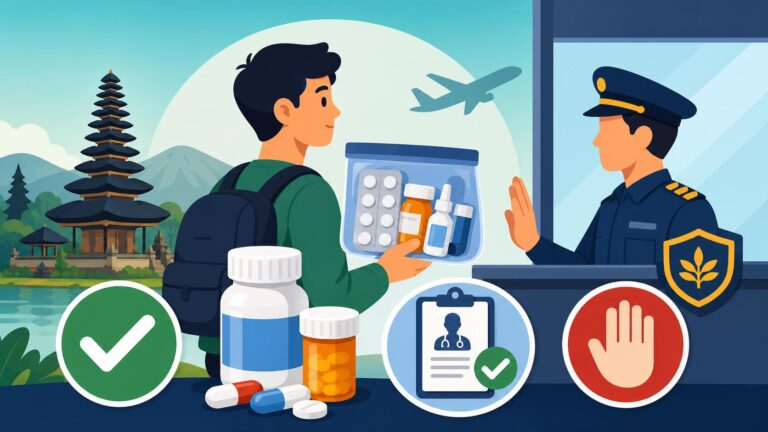
Many expats choose to bring a supply of their preferred painkillers when they first move or when they return from a trip home. This is generally fine for standard OTC meds like Ibuprofen or Naproxen, provided they are for personal use and in reasonable quantities. However, if you are bringing in anything that could be classified as a controlled substance, you must be extremely careful.
You will need a doctor's letter from your home country clearly stating the medical necessity, and the medication must be in its original packaging. For a complete breakdown of what is allowed, I highly recommend reading Bringing Medication Into Indonesia: Customs Rules, Limits, and Required Letters. The last thing you want is a legal headache at the airport on top of your physical pain.
For non-prescription needs, such as high-quality vitamins or specific brands of Ibuprofen that you find gentler on your stomach, iHerb remains the gold standard for shipping into Indonesia. Just be mindful of the import tax thresholds; keeping your orders under $75 USD (including shipping) used to be the rule, but nowadays, almost all imports are subject to some level of duty, so it is best to check the current Apotek Guide: Prescription Workflow, Refills, and Communicating with Pharmacists for the most recent logistics tips.
Using Technology: Halodoc and Alodokter
One of the best "hacks" for living in Indonesia as a foreigner is using telemedicine apps like Halodoc or Alodokter. These apps allow you to consult with a doctor via chat for a very small fee (often around $2-$5 USD). If the doctor agrees you need a certain painkiller, they can issue a digital prescription right in the app.
The best part? The app then connects to a nearby apotek and a Gojek driver delivers the medicine to your door within 30 to 60 minutes. It is a lifesaver when you are in too much pain to navigate traffic to find an open pharmacy. If you are in a major city, you should definitely read How to Book a Doctor Appointment via Halodoc or Alodokter Apps to get this set up before you actually need it.
For those in the capital, finding a 24-hour service is usually easy, but if you are elsewhere, you should keep a list of Finding 24-Hour Apoteks (Pharmacies) in Jakarta and Bali handy. Using these apps combined with a solid insurance policy like Cigna Global ensures that you have a multi-layered safety net for everything from a simple toothache to something requiring an Emergency Medical Care in Indonesia: Ambulances, ERs, and Evacuation Protocols level of intervention.
Final Advice for the Pain-Struck Expat
Don't suffer in silence because you can't find a brand name you recognize. The pharmaceutical industry in Indonesia is robust, and the local generics are generally very high quality. Always check the "Exp. Date" (Expiry Date) and ensure the "HET" (Harga Eceran Tertinggi – the maximum retail price) isn't being wildly exceeded.
If you are ever unsure, ask the pharmacist "Apakah ada efek samping?" (Are there side effects?) or use a translation app to explain your specific allergy. Most pharmacists in urban apoteks are very professional and helpful. By keeping a small stock of basics from iHerb and knowing your local equivalents, you’ll be well-prepared to handle whatever the tropical lifestyle throws at you.
Disclaimer
This article is for informational purposes only and does not constitute professional medical advice, diagnosis, or treatment. Always seek the advice of your physician or other qualified health provider with any questions you may have regarding a medical condition or before taking any medication. Reliance on any information provided in this article is solely at your own risk.