Telemedicine Apps: Halodoc vs Alodokter for Quick Prescriptions
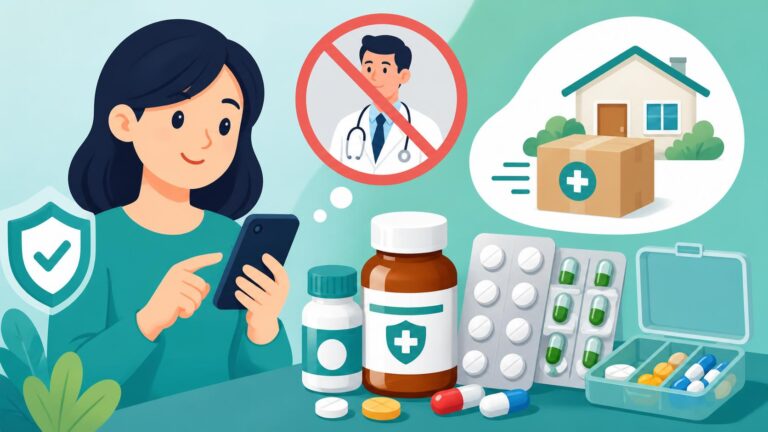
Waking up with a high fever in a Jakarta apartment or a sudden bout of gastrointestinal distress in a Bali villa usually triggers a specific kind of panic: do I really have to fight through two hours of "macet" (traffic) just to see a doctor? I once spent three miserable hours in a taxi while nursing a migraine just for a ten-minute consultation and a basic prescription. This guide solves that frustration by breaking down how Halodoc and Alodokter can provide instant medical consultations and home-delivered prescriptions right to your door.
The Telemedicine Revolution in the Archipelago
Navigating the healthcare landscape in a foreign country is never simple, and Indonesia presents its own unique set of administrative and logistical hurdles. If you have spent any significant time here, you know that a simple trip to the clinic can consume an entire afternoon. Between the registration queues, the wait for the doctor, and the secondary queue at the pharmacy, it is a test of patience that no sick person should have to endure. Understanding Healthcare in Indonesia for Foreign Residents: Complete System Overview (2027) is the first step in realizing that the system is currently pivoting toward digital-first solutions to alleviate the pressure on physical hospitals.
Telemedicine has become more than just a convenience for the tech-savvy; it is now a vital component of the expat survival kit. These platforms allow you to skip the physical waiting room entirely for non-emergency issues. Whether you are dealing with a skin rash from the humidity or the all-too-common Bali Belly and Food Safety: Avoiding and Treating Stomach Bugs, having a doctor in your pocket can change the trajectory of your recovery. These apps bridge the gap between "I think I’m okay" and "I need a professional opinion" without the logistical nightmare of navigating a local hospital's triage system.
However, it is crucial to recognize when a screen is not enough. While telemedicine is perfect for refills or minor ailments, serious symptoms require physical intervention. If you find yourself in a situation involving severe trauma, difficulty breathing, or uncontrollable pain, you should skip the app and refer to Emergency Rooms (UGD) in Indonesia: Triage, Payment Upfront, and Documentation or learn Medical Emergency in Indonesia: What to Say When Calling 118 or 119 to get immediate help. For everything else, the digital route is often the path of least resistance.
Halodoc: The All-in-One Health Super App
Halodoc is frequently described as the "Go-Jek of healthcare," and for good reason. It is an incredibly polished ecosystem that integrates consultations, pharmacy delivery, and even lab test bookings. For an expat, the interface is intuitive, though it is worth noting that while the UI supports English, many of the deeper menu items and automated messages may still appear in Bahasa Indonesia. When I first started using it, I was amazed at the speed; I could finish a chat with a GP and have my medicine delivered by a scooter driver within 45 minutes.
The "Beli Obat" (Buy Medicine) feature is perhaps the app's strongest selling point. It connects you to a massive network of licensed pharmacies across the country. If you are trying to understand the local landscape of medication, our Apotek Guide: Prescription Workflow, Refills, and Communicating with Pharmacists provides a deeper look at how these transactions are regulated. Halodoc acts as the intermediary, ensuring that the pharmacy has the stock and that a courier is dispatched immediately to your GPS location. This is a lifesaver when you are too weak to walk to the nearest "warung," let alone a major pharmacy.
Another significant advantage of Halodoc is its integration with various payment methods and insurance providers. While many expats rely on Private Health Insurance in Indonesia: Bridging the Gap When BPJS Isn't Enough, Halodoc allows for direct linking of certain local policies. If you carry a premium international policy from a provider like Cigna Global, you may need to pay out-of-pocket and claim reimbursement later, but the app provides digital receipts and formal "Surat Sakit" (sick notes) that are generally accepted by HR departments and insurance adjusters alike.
Alodokter: Depth of Information and Specialized Care
If Halodoc is the "Super App," Alodokter often feels like the "Doctor’s App." It began as a medical information portal—the Indonesian equivalent of WebMD—before evolving into a robust telemedicine platform. This heritage is evident in the quality of its content. When you use Alodokter, you are often greeted with a more clinical, information-heavy experience. For those who want to research their symptoms before jumping into a chat, Alodokter’s library of articles is vast, though again, a basic grasp of Bahasa Indonesia or a translation tool will be necessary for the deeper articles.
One area where Alodokter shines is in its "Alomedika" branch, which is a community for doctors. This translates to a high standard of vetting for the practitioners on the platform. If you are looking for a specialist—such as a dermatologist for a tropical skin condition or a pediatrician for your child—Alodokter’s search filters are exceptionally detailed. It also makes How to Book a Doctor Appointment via Halodoc or Alodokter Apps a seamless experience if the tele-consultation determines that an in-person follow-up is mandatory.
Alodokter also offers its own protection plans, but most expats will find better value in maintaining their comprehensive coverage. For those utilizing Cigna Global, the app serves as an excellent primary point of contact to determine if a condition warrants a trip to a high-end facility like Siloam or SOS Medika. Furthermore, if you are simply looking for supplements or wellness products rather than prescription meds, you might find that Alodokter’s shop is a good local supplement to your usual international orders from iHerb, though the latter remains the gold standard for specific Western brands not found in the local "Apotek."
Strategic Comparison: Choosing Your Digital Lifeline
Choosing between these two giants often comes down to your specific location and your immediate needs. Halodoc typically wins on sheer speed and courier availability, especially in the sprawling urban jungle of Jakarta. Alodokter often wins on the "booking" side, helping you find and secure appointments at physical clinics that might otherwise be difficult to reach by phone. For many of us living here, we keep both apps installed, using Halodoc for the "I need medicine now" moments and Alodokter for "I need to find a specialist for next Tuesday."
Language remains the biggest hurdle for new arrivals. While you can specifically look for practitioners who list English as a skill, the majority of the interaction will be in the local tongue. For tips on finding doctors who can communicate clearly with you, see our guide on Finding English-Speaking Doctors in Indonesia: Reliable Directories and Vetting. If the doctor prescribes something you don't recognize, don't worry—you can cross-reference the active ingredients with our list of Over-the-Counter (OTC) Medicine in Indonesia: Local Brands and Safe Alternatives to ensure you are getting exactly what you need.
| Feature | Halodoc | Alodokter |
|---|---|---|
| Consultation Speed | Excellent (usually under 5 mins) | Good (5-10 mins) |
| Pharmacy Network | Extremely Wide (linked to Gojek) | Wide (linked to Grab) |
| English Availability | Variable; depends on the doctor | Variable; depends on the doctor |
| Booking Physical Visits | Good integration | Superior hospital/clinic database |
| Payment Options | GoPay, Credit Card, Insurance | OVO, Credit Card, Aloproteksi |
| App Reliability | Very high; consistent updates | High; occasionally content-heavy |
Lastly, consider the cost. A GP consultation on either app typically costs between IDR 25,000 and IDR 75,000 (roughly $1.50 to $5.00 USD), which is incredibly affordable compared to Western standards. Specialist consultations can go up to IDR 200,000. For medicine, the app will show you the prices upfront. If you find the local prices for imported vitamins or specific supplements too high, using a platform like iHerb for your non-urgent health needs is a common strategy among the expat community to save money. Just remember that if you are in Bali and it’s 2:00 AM, knowing Finding 24-Hour Apoteks (Pharmacies) in Jakarta and Bali is still essential, as app-based delivery might be limited in the middle of the night in more remote areas.
Ultimately, these apps are about reclaiming your time and reducing the stress of being ill in a foreign environment. By combining the digital convenience of Halodoc or Alodokter with a robust insurance plan like Cigna Global, you create a safety net that allows you to enjoy the beauty of Indonesia without the constant fear of a healthcare hurdle you can't jump over.
Disclaimer
The information provided in this guide is for educational and informational purposes only and does not constitute professional medical advice, diagnosis, or treatment. Always seek the advice of your physician or other qualified health provider with any questions you may have regarding a medical condition. Never disregard professional medical advice or delay in seeking it because of something you have read in this article. Telemedicine apps are not suitable for emergency situations.