How to Get a BCA Debit Card on the Same Day You Apply
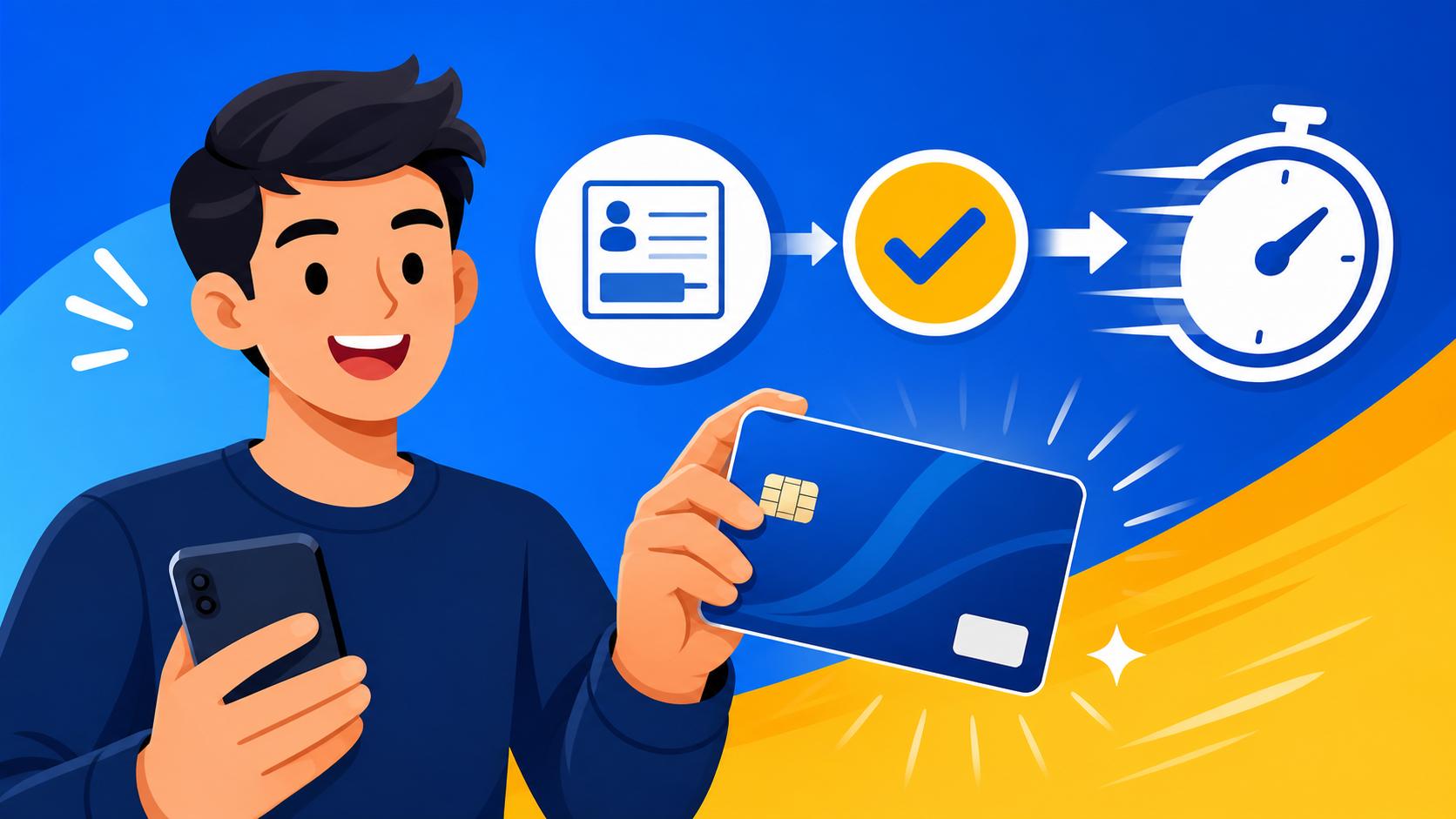
Walking into a bright, air-conditioned bank branch in Jakarta or Bali only to be told you need a document you’ve never heard of is a rite of passage for most foreigners. I remember sweating through my shirt in a South Jakarta branch three years ago because I didn't have a specific domicile letter, even though my KITAS was valid. This guide solves that frustration by showing you exactly how to walk out with a working BCA debit card in a single visit.
Preparation: The Non-Negotiable Document Checklist
If you show up at a Bank Central Asia (BCA) branch with just your passport and a smile, you are going to have a very short and disappointing morning. Indonesian banking regulations are notoriously strict when it comes to "Know Your Customer" (KYC) protocols for foreign residents. To get a debit card on the same day, you need to have your "Big Three" documents ready and physical copies available, though most branches now accept digital versions if you can email them on the spot.
First and foremost, you need your original passport and your valid Limited Stay Permit, known as the KITAS. In 2026, most KITAS are electronic (e-ITAS), so having a high-quality printout is essential. I’ve seen expats get turned away because their phone screen was cracked and the teller couldn't scan the QR code. Beyond the identity papers, you must have your Tax Identification Number, or NPWP. While some branches might allow you to open an account without it by signing a declaration form, having an NPWP significantly smoothens the process and prevents your account from being flagged for high-tax withholding on interest.
The final, and often most frustrating, piece of the puzzle is the proof of domicile. This is usually a Surat Domisili (Domicile Letter): How to Get it from the Village Head or a formal letter from your employer. If you are on a work-sponsored visa, a letter from your HR department stating your position and residential address is gold. Without this, the bank cannot verify which branch should "own" your account. For those of you who have just arrived, make sure you check the Opening a Bank Account in Indonesia: Document Checklists (KITAS, NPWP, Passport) to ensure your specific visa type is eligible for the same-day service.
The Importance of a Local Phone Number
You cannot open a BCA account with a foreign phone number. Period. The bank’s entire ecosystem, including the BCA Mobile app and the SMS-based OTP (One-Time Password) system, relies on an Indonesian +62 number. Before you even head to the bank, ensure you have a local SIM card from a provider like Telkomsel or XL. Furthermore, you need to ensure your Mandatory IMEI Registration: The 90-Day Rule and Airport Customs Process is complete. If your phone's IMEI isn't registered, your SIM might stop working mid-way through the bank's activation process, leaving you with an account you can't access.
Ensure that your local number has at least IDR 20,000 to 50,000 in credit (pulsa). BCA’s system sends several encrypted SMS messages during the mobile banking activation phase, and if you have zero balance, the activation will fail. I learned this the hard way after sitting with a Customer Service officer for 40 minutes only to have the final step fail because I hadn't topped up my prepaid SIM.
Securing Initial Funding
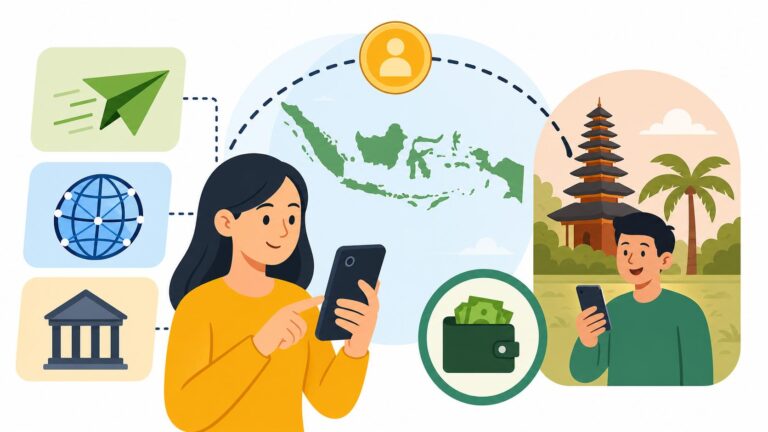
To walk out with a card, you need to make an initial deposit. For most expat-level accounts, like the Tahapan BCA, this is usually around IDR 500,000. While you can use a local ATM to withdraw cash from a foreign card, the fees can be annoying. I often suggest using Wise to send a small amount of "startup capital" to a friend’s Indonesian account or using their digital wallet features to have the cash ready. Having the physical cash in hand is the fastest way to get the teller to finalize your "Paspor BCA" (the official name for their debit card) right there at the desk.
Choosing the Right Branch and Timing for Success
Not all BCA branches are created equal. In the world of Indonesian banking, you will encounter two main types of offices: the KCU (Kantor Cabang Utama – Main Branch) and the KCP (Kantor Cabang Pembantu – Sub-Branch). For an expat looking for a same-day debit card, the KCU is almost always the better choice. These larger hubs have more authority to verify foreign documents and usually keep a much larger stock of unassigned debit cards on hand.
Timing is your greatest ally or your worst enemy. Most BCA branches open at 8:00 AM and close their queue for Customer Service (CS) as early as 2:00 PM or 3:00 PM. If you arrive at 11:30 AM, you will hit the lunch hour rotation, where half the staff disappears, and the wait times skyrocket. My "pro tip" is to arrive at 7:45 AM. Being the first or second person in the CS queue is the only way to guarantee you’ll be finished before the afternoon rush. If you are in the capital, you might want to look at Finding an English-Speaking Clinic in South Jakarta (Kemang and SCBD) areas nearby, as the bank branches in these expat-heavy neighborhoods are much more accustomed to dealing with KITAS holders.
The CS Digital Machine Shortcut
In 2026, BCA has rolled out "CS Digital" kiosks in many major malls and KCU branches. These are large, touchscreen machines that can actually print a debit card on the spot. However, there is a catch: these machines usually only work for existing customers who are replacing a lost card or those with a KTP (Indonesian National ID). As an expat, you will likely still need to sit with a human representative for your first account to verify your passport and KITAS.
Once your account is open, however, these machines are a lifesaver. If you ever lose your card or want to upgrade from a Blue card to a Gold card, you can use the CS Digital machine in under five minutes. It’s worth asking the security guard (Satpam) when you walk in if your specific visa type can use the machine. The Satpams at BCA are famously helpful—often more so than the actual tellers—and they can guide you to the fastest path.
Navigating the Language Barrier
While many CS officers in Jakarta and Bali speak functional English, it is not a guarantee. If your Bahasa Indonesia is still at the "Basic" level, consider having a translation app ready or a friend on speed dial. Using Bahasa Indonesia for Business: Kehormatan, Emails, and Meeting Etiquette can give you a few key phrases to show respect, which often results in faster service. A little "Selamat pagi, saya mau buka rekening" (Good morning, I want to open an account) goes a long way. If you are using a public Wi-Fi network while waiting in the lobby to use a translator, I highly recommend using NordVPN to keep your personal data and potential banking login details secure.
Step-by-Step Walkthrough of the Application Process
Once you pass the security guard and get your queue number (usually the "B" prefix for Customer Service), the real work begins. When your number is called, you’ll head to the CS desk. Be prepared to sign a mountain of paperwork. Indonesia still loves its wet-ink signatures and the "Materai 10,000"—a tax stamp that makes a document legally binding. You’ll likely need to sign across at least two of these stamps.
The officer will take your passport and KITAS to a back room to be photocopied and verified against the immigration database. This is where most delays happen. If the system is slow, it can take 20 minutes just for this "clearing" stage. During this time, the officer will ask you about your source of funds. Be honest—if it’s for a salary, mention your employer. If you’re a digital nomad on an Remote Work in Indonesia: The Complete E33G Digital Nomad Visa Guide, explain that you receive funds from overseas.
| Account Feature | Blue (Silver) Card | Gold Card | Platinum Card |
|---|---|---|---|
| Monthly Admin Fee | ~IDR 15,000 | ~IDR 17,000 | ~IDR 20,000 |
| Daily ATM Withdrawal | IDR 10,000,000 | IDR 15,000,000 | IDR 15,000,000 |
| Daily Transfer (BCA) | IDR 50,000,000 | IDR 75,000,000 | IDR 100,000,000 |
| Initial Deposit | IDR 500,000 | IDR 500,000 | IDR 500,000 |
Choosing Your Card Tier
BCA offers three main tiers for their "Paspor BCA" debit cards: Blue (Silver), Gold, and Platinum. For most expats, the Blue card is more than enough. It has the lowest monthly admin fee and covers all basic needs. However, if you plan on making large purchases—perhaps furnishing a villa—the Gold or Platinum cards offer higher daily transfer limits. Note that all these cards are now "GPN" or "Mastercard" branded. To ensure you can use your card for international online shopping, specifically request the Mastercard version. The GPN version is for domestic use only and will not work on sites like Amazon or Netflix.
Activation of Mobile and Internet Banking
You have not finished your task until you have the BCA Mobile app (m-BCA) and KlikBCA (internet banking) activated on your phone. The CS officer will guide you through this. You will need to choose a 6-digit PIN for the app and a separate 6-digit PIN for the physical debit card. Do not make them the same. The officer will also ask you to send a specific formatted SMS to their system to "bond" your phone number to the account.
Once activated, you can start Using QRIS: The Cashless Payment System Revolutionizing Indonesian Commerce immediately. This is the primary way people pay for everything in Indonesia, from high-end restaurants to street-side satay vendors. If you plan on trading or moving larger sums of money into international markets, having your BCA account linked to a platform like Interactive Brokers is a common next step for expats looking to grow their wealth while living in Southeast Asia.
Fees, Limits, and Activation Essentials
While the "same day" promise is usually kept, you need to be aware of the ongoing costs and limitations of your new card. BCA is a private bank, and they are excellent at charging small fees that add up. Beyond the monthly administration fee (listed in the table above), there are fees for using ATMs outside the BCA network (usually IDR 7,500) and fees for checking your balance at a non-BCA machine.
One thing that often catches foreigners off guard is the "dormant account" rule. If you leave Indonesia for a few months and let your balance drop to zero, BCA will close the account automatically after a period of inactivity. Always leave at least IDR 100,000 in the account to keep it alive. If you are managing your global finances and need to move money back to your home country, you might want to compare the bank's rates with Wise to ensure you aren't losing 3-5% on the currency spread.
Digital Wallets and Third-Party Links
Your new BCA debit card is the "master key" to the Indonesian digital economy. You should immediately link it to Digital Banking and E-Wallets: How to Register for GoPay, OVO, and Dana. GoPay and OVO are essential for using Gojek and Grab. Within the BCA Mobile app, there is a "Transfer" feature that allows you to top up these wallets instantly. The integration is seamless, but it requires that the phone number on your bank account matches the phone number on your Gojek app.
For those interested in the local tech scene or crypto, you can also link your bank account to local exchanges or use P2P platforms like Binance to manage your digital assets. Just be aware that Indonesian banks are becoming increasingly cautious about high-frequency transfers to crypto platforms, so keep your transactions reasonable to avoid a "frozen account" phone call from the bank manager.
Security and Troubleshooting
If your card doesn't work at an ATM immediately after leaving the bank, don't panic. Sometimes it takes an hour for the central system to sync with the branch's local activation. However, if it’s been 24 hours and you still can't withdraw cash, you’ll need to call "Halo BCA" at 1500888 or use the "Halo BCA" app (which allows you to call over data for free).
Always keep an eye on your transaction history through the app. ATM skimming is less common than it used to be, but it still happens in high-traffic tourist areas. Check Safety 101: Petty Theft, ATM Skimming, and Home Security in Indonesia for more tips on keeping your physical and digital assets safe while enjoying your life in the archipelago.
Disclaimer
The information provided in this guide is for informational purposes only and does not constitute legal, financial, or professional advice. Banking regulations in Indonesia, including document requirements for foreigners and fee structures at Bank Central Asia (BCA), are subject to change without notice. While we strive to keep this information up to date for 2026, you should always verify the latest requirements directly with a BCA representative or the official Indonesian Directorate General of Immigration before visiting a branch. All brand mentions are for contextual purposes and do not imply a formal endorsement.