Understanding NPWP Integration with NIK: What the 2025/2026 Changes Mean
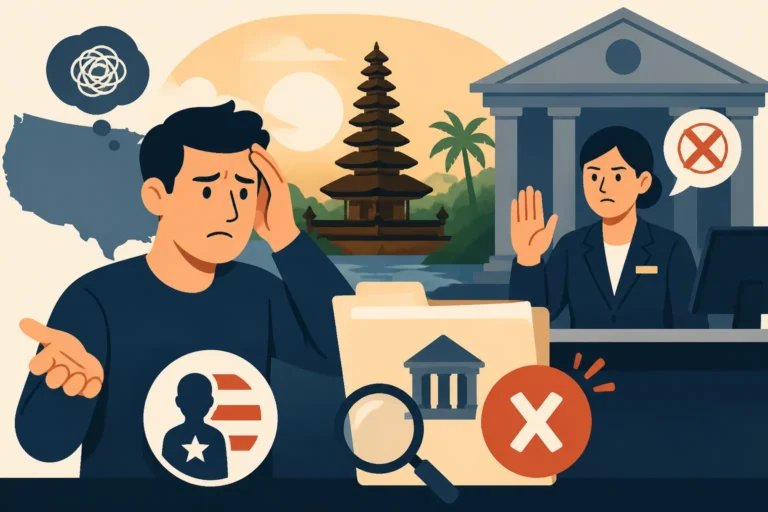
Navigating the shifting sands of Indonesian bureaucracy is a rite of passage that every expat eventually faces, often with a mix of confusion and mild panic. I still vividly remember the afternoon I spent at a local tax office, clutching a stack of photocopies and wondering why my tax ID suddenly wasn't being recognized by my banking app. It is a specific kind of stress, but this guide is here to ensure you don't have to experience it. We are going to break down exactly what the integration of the NPWP and the NIK means for your life in Indonesia in 2026.
The Big Shift: Why Your NPWP Number Just Got Longer
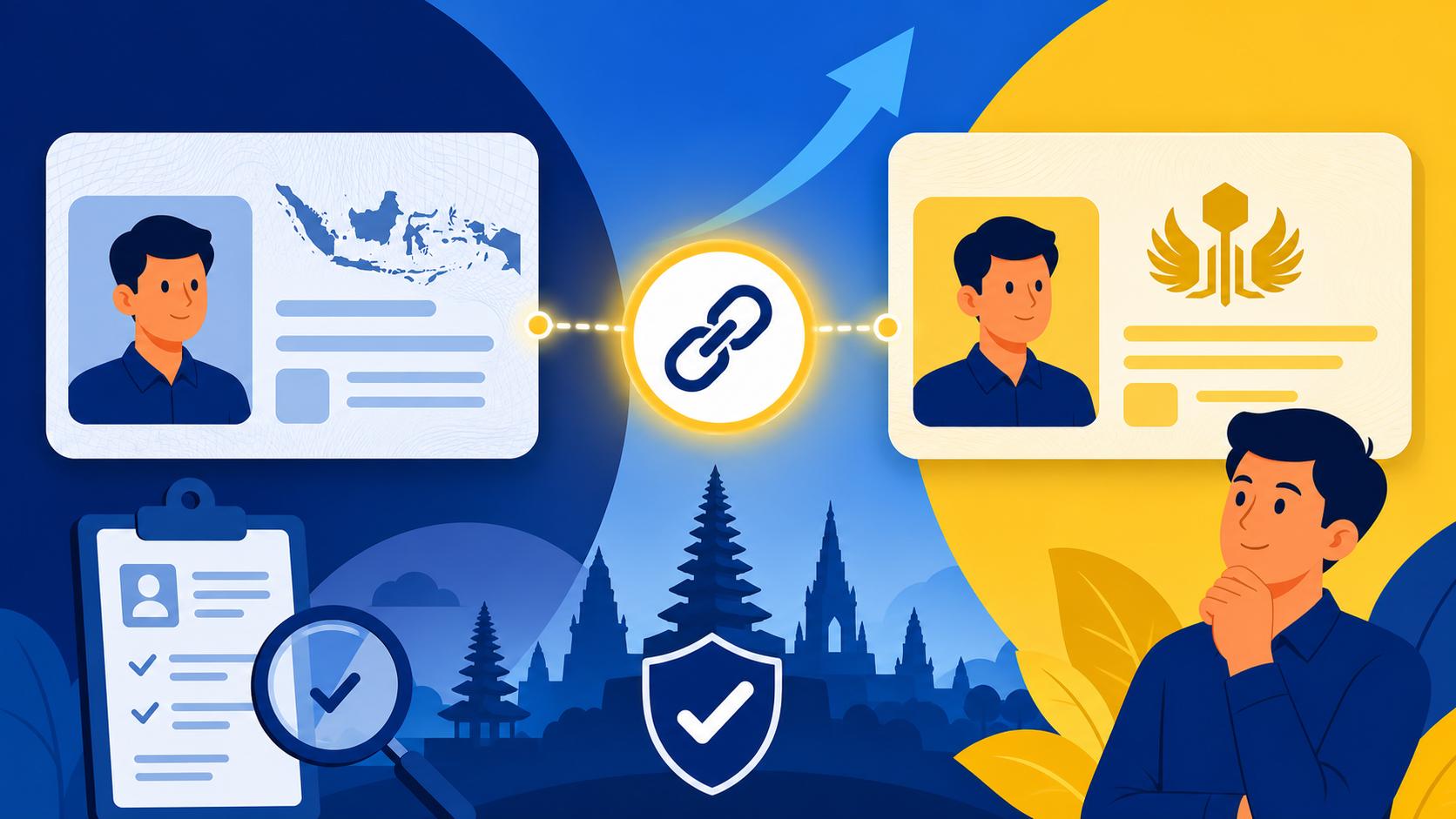
For decades, the Indonesian tax system operated on a 15-digit identification number known as the NPWP (Nomor Pokok Wajib Pajak). If you have been here a while, you likely have that number memorized or tucked away in a dusty corner of your wallet. However, as part of the government’s One Data Indonesia initiative, the tax office has officially transitioned to a 16-digit format. For Indonesian citizens, this 16-digit number is their NIK (Nomor Induk Kependudukan), found on their national ID card. For us as foreign residents, the process is slightly different but equally mandatory.
If you are a KITAP holder, you already possess a KTP WNA (Foreigner ID Card) Explained, which contains your unique 16-digit NIK. Under the new regulations, this NIK is now your de facto tax identification number. If you are a KITAS holder, you might not have a physical KTP WNA yet, but you are still assigned a 16-digit tax ID that mirrors the NIK structure. This consolidation is designed to sync your immigration status, your banking records, and your tax obligations into one single, searchable profile. The days of "administrative silos" are over; the tax office now sees the same data as the immigration department.
This change isn't just about adding an extra digit to a form. It is about total transparency. When you use services like Wise to move money into the country, the transaction is now more easily mapped to your tax profile. The government’s goal is to simplify the reporting process, but for the expat, it means the margin for error in your paperwork has effectively vanished. You must ensure that the name on your passport, your KITAS/KITAP, and your tax profile match perfectly, down to the last hyphen.
How to Validate and Activate Your 16-Digit Tax ID
The transition to the new system isn't always automatic. Even if the government has "assigned" you a 16-digit number, you likely need to perform what is called "Pemadanan Data" or data matching. This is the process of logging into the DJP Online portal and confirming that your 16-digit NIK or KTP WNA number is correctly linked to your existing tax profile. I have seen many friends ignore the notification emails from the tax office, only to find their bank accounts frozen for "administrative updates" a month later.
To do this, you will need your EFIN (Electronic Filing Identification Number). If you lost yours—which happens to the best of us—you can usually request a reset via the tax office's live chat or by visiting your local Kantor Pelayanan Pajak (KPP). Once you are in the portal, you will navigate to the profile section to update your data. If you are accessing these government portals while traveling or from an unsecure public network, I highly recommend using NordVPN to ensure your sensitive tax data remains encrypted and your connection to Indonesian servers is stable.
There are three common status indicators you might see during this process:
- Valid: Your 16-digit NIK is fully integrated and ready to use.
- Needs Correction: There is a mismatch between your tax data and your The Civil Registry (Catatan Sipil): SKTT and KTP WNA Explained records.
- Not Valid: Your NIK hasn't been recognized at all, usually requiring a physical visit to the KPP with your passport and permit in hand.
| Feature | Old System (Pre-2025) | New System (2025/2026) |
|---|---|---|
| ID Length | 15 Digits | 16 Digits |
| Identifier Name | NPWP | NIK (Nomor Induk Kependudukan) |
| Foreigner Source | Tax Office Assigned Number | KTP WNA Number (or 16-digit ITAS ID) |
| Banking Integration | Manual Update Required | Real-time NIK Verification |
| Digital App Usage | Limited | Full Integration (Mobile JKN, DJP Online) |
Practical Implications for Banking and Financial Apps
The most immediate place you will feel the impact of the NIK-NPWP integration is in your digital wallet and bank account. In 2026, Indonesian banks have been mandated to use the 16-digit NIK for all "know your customer" (KYC) updates. If your bank still has your old 15-digit NPWP on file, you may receive urgent prompts to update your records. Failing to do so can lead to a higher withholding tax on interest earned in your savings account, jumping from the standard rate to 30% or more because you are technically "unidentified."
This also affects how you manage international investments. If you are using Interactive Brokers to trade global stocks while resident in Indonesia, you are required to report these holdings in your annual Filing the Annual Tax Return (Formulir 1770): Deadlines and Required Documents form. With the new 16-digit ID, the tax office has a much easier time cross-referencing your declared assets with the funds you are remitting abroad. It is more important than ever to keep a meticulous paper trail of your global income.
Furthermore, the rise of cryptocurrency in Indonesia has led to stricter reporting. If you use Binance or local exchanges like Indodax, your 16-digit NIK is now the primary key for all transaction reporting. The government recently introduced specific VAT and Income Tax on crypto trades, and these are now directly tied to your NIK. If the tax office sees large outflows to an exchange but no corresponding 16-digit ID in their database, it triggers a red flag for a potential audit.
Navigating Payroll and the PPh 21 Calculation
If you are employed by a PT PMA, your HR department has likely been scrambling to update their payroll software to accommodate the 16-digit NIK. As an employee, you need to be proactive. Ensure that your HR manager has your correct 16-digit number as per your KTP WNA (Foreigner ID Card) Explained or your latest immigration documents. If they use the old 15-digit number, the tax reporting system will reject the filing, which could lead to delays in your monthly take-home pay.
The calculation of Income Tax Basics (PPh 21): Progressive Rates from 5% up to 35% Explained remains the same in terms of percentages, but the "administrative validity" of your ID determines whether you get to use the standard rates. Under Indonesian law, individuals who do not have a valid tax ID are subject to a 20% surcharge on their income tax rate. This is a massive hit to your budget that is entirely avoidable with a few clicks on the DJP website.
I often tell newcomers that in Indonesia, your employer is your sponsor, but you are the CEO of your own bureaucracy. Don't assume the HR department has "fixed" everything. Ask for a copy of your Understanding Your Indonesian Payslip (Slip Gaji): PPh 21 and BPJS Breakdown and verify that your tax ID is listed correctly as a 16-digit number. If you see the old 15-digit format, it means their system hasn't been updated, and you could be at risk for a future tax reassessment.
Troubleshooting Common Integration Hurdles for Expats
One of the most frustrating scenarios is the "NIK Not Found" error. This usually happens to KITAS holders who have moved addresses or renewed their permits recently. The tax database (DJP) and the population database (Dukcapil) don't always talk to each other in real-time. If you find yourself in this loop, you must first ensure your domicile is updated at your local Surat Domisili (Domicile Letter): How to Get it from the Village Head office. Once the civil registry has your correct data, the tax office's system usually updates within 48 to 72 hours.
Another hurdle involves family members. If you have a Spouse Sponsored KITAS: Marrying an Indonesian Citizen and Work Rights, your tax reporting might be joined or separate. Under the new 16-digit system, the "Head of Household" logic is being enforced more strictly in the digital portals. If you are a woman married to an Indonesian man, your tax ID might be linked directly to his NIK. You need to decide whether you want to maintain a separate NPWP (MT status) or merge your tax reporting with your husband's. Merging can simplify the annual filing, but it requires a specific validation step in the DJP portal.
Finally, remember that this integration also affects your BPJS Kesehatan for Expats: Registration, Costs, and the New KRIS System profile. The national health insurance system now uses the NIK as the primary member ID. If your tax ID isn't linked to your NIK, you might find issues when trying to pay your monthly premiums via apps like GoPay or Tokopedia. Everything is interconnected; a single error in your tax ID can ripple through your health insurance, your banking, and your residency status.
Leaving Indonesia: The Final Tax Clearance and the NIK
When the time comes to say goodbye to the archipelago, the 16-digit NIK plays a crucial role in your Exit Permit Only (EPO) vs ERP: Closing Your Visa Before Leaving Indonesia process. Before you can successfully "close" your tax identity and avoid being taxed on worldwide income after you leave, you must file a final tax return and apply for "Non-Effective" (NE) status.
The tax office will check your 16-digit record for any outstanding liabilities. Because the NIK is now linked to your banking, they can see if you have significant funds still sitting in local accounts that haven't been accounted for in your tax returns. It is much harder to "ghost" the tax office than it was five years ago. I always recommend starting this process at least two months before your departure date. You will need to provide proof that you are leaving permanently, and having your 16-digit NIK validated makes this digital audit go much faster.
If you are a high-net-worth individual or a director of a PT PMA, the scrutiny is even higher. The integration means the tax office can easily see if your Registering for an NPWP (Tax ID): How Expats Link NIK to Tax Records in 2027 data matches the company's annual dividends. Taking the time now to ensure your 16-digit NIK is perfectly aligned with your actual financial reality will save you from a nightmare of "red notices" and audit letters once you are already settled in your next destination.
Important Disclaimer
The information provided in this guide is for informational purposes only and does not constitute legal, financial, or tax advice. Indonesian tax laws and immigration regulations are subject to frequent changes and varying interpretations by local officials. While every effort has been made to ensure the accuracy of this content for 2025 and 2026, you should always consult with a certified Indonesian tax consultant or a legal professional before making financial decisions or filing official documents. The author and publisher are not responsible for any penalties, losses, or administrative issues arising from the use of this information.