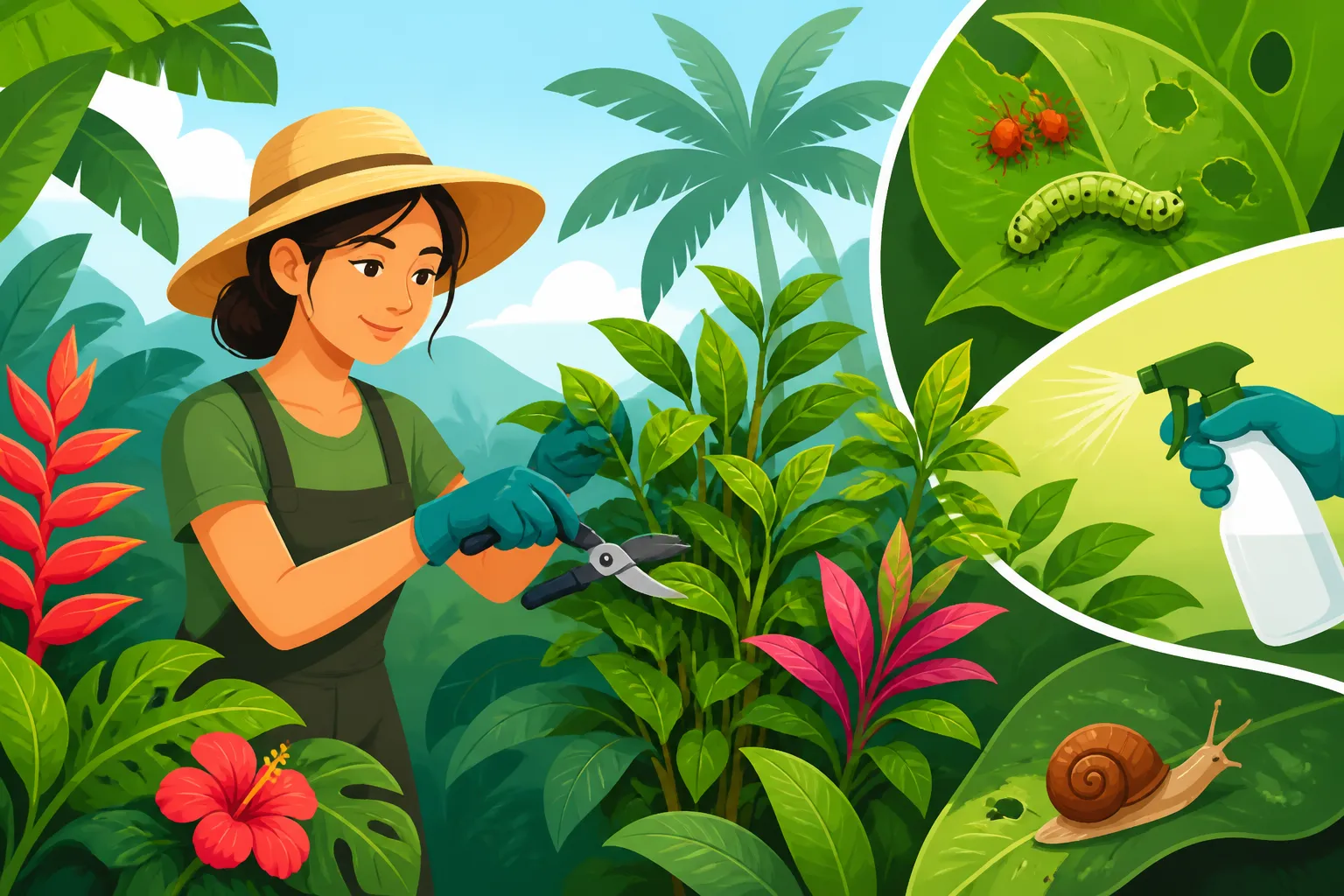
Maintaining a Garden in the Tropics: Dealing with Rapid Growth and Pests
Keeping a garden in Indonesia often feels less like landscaping and more like trying to negotiate a ceasefire with a jungle that wants its land back. I remember waking up after three days of heavy rain in Ubud only to find my hibiscus hedge had practically doubled in size and blocked my view of the pool. This guide helps you navigate the high-speed growth and relentless pest cycles of the tropics.
The Tropical Growth Curve: Why Your Garden Grows Faster Than You Can Prune
Living in the tropics means your plants never truly "sleep." Unlike in temperate climates where a winter frost provides a much-needed reset for the soil and the flora, the Indonesian archipelago offers a 365-day growing season. While this sounds like a dream for those used to struggling with wilting petunias in the cold, it presents a unique set of challenges for anyone Living in Indonesia as an Expat: The Complete Starter Guide (2027). The combination of intense equatorial sun and humidity levels that rarely drop below 70% acts like a natural steroid for everything from lawn grass to towering Frangipani trees.
The primary issue most of us face is the sheer velocity of the "Green Wall" effect. In the height of the rainy season (Musim Hujan), which typically peaks between December and February, you can practically watch the vines move. Species like the "Syngonium" or the "Epipremnum" (the common Pothos) that stay small in pots back home will transform into monsters with leaves the size of dinner plates as soon as their roots touch the ground. This rapid biomass accumulation can quickly lead to drainage issues, as falling leaves and aggressive root systems can clog gutters and pipes. If you are managing your own Utilities and Setup: PLN Electricity, PDAM Water, and Home Internet in Indonesia, keeping your vegetation away from overhead power lines and ensuring roots don't compromise your water pipes is a weekly task, not a seasonal one.
Furthermore, the soil composition in many parts of Indonesia, particularly Bali and Java, is volcanic and incredibly nutrient-dense. This is a blessing and a curse. While your Bougainvillea will bloom in vibrant purples and oranges, the weeds will also emerge with terrifying vigor. I’ve found that if I skip just one week of weeding my pebble paths, the grass begins to push through the weed-blocking fabric as if it weren't even there. You have to be proactive about pruning. In the tropics, pruning isn't just about shaping; it’s about air circulation. If your garden becomes too dense, you create a stagnant microclimate that invites fungal infections and provides a five-star hotel for mosquitoes.
Battle of the Bugs: Identifying and Managing Local Pests
If the growth rate doesn't keep you busy, the insects certainly will. The Indonesian garden is home to a staggering array of pests that seem evolved specifically to ruin your most expensive orchids. The most common culprit I’ve dealt with is the Mealybug—small, white, cotton-like fluff balls that congregate under leaves and suck the life out of the plant. Because there is no "die-off" period, these populations can explode overnight. In more humid areas like Bali Neighborhoods: Seminyak, Canggu, Sanur, Ubud, and the Bukit, you also have to contend with giant African land snails. These are not your average garden snails; they can grow to the size of a fist and can clear a vegetable patch in a single evening.
Then there is the issue of larger "pests" that aren't insects at all. Termites are a massive concern for anyone with a garden that touches a wooden structure. These silent destroyers often use garden mulch or damp wood piles as a staging ground before moving into your home. It is essential to read up on Dealing with Termites (Rayap) in Wooden Villas: Prevention and Treatment to ensure your landscaping isn't inadvertently inviting them to feast on your rafters. Additionally, an overgrown garden is the primary breeding ground for Aedes aegypti mosquitoes. Maintaining a manicured space is a critical component of Dengue Fever and Malaria Prevention: Vaccines, Treatments, and Local Realities, as standing water trapped in the "axils" of bromeliads or large leaves can harbor thousands of larvae.
To manage these pests, I’ve had to move away from the heavy-duty chemicals I might have used elsewhere. The frequent tropical rains simply wash chemicals into the groundwater, which is problematic since many villas rely on Water Supply in Indonesia: PDAM City Water vs Borewells (Sumur Bor). Instead, local wisdom points toward "Minyak Mimba" (Neem oil) and soapy water sprays. For the stubborn snails, many expats use crushed eggshells or coffee grounds, which are easily sourced from local cafes. If things get out of hand, you can find more specialized organic pesticides on Shopee, which has an extensive range of gardening supplies delivered right to your door.
Common Indonesian Garden Pests and Solutions
| Pest Name | Local Name | Common Target Plants | Best Treatment |
|---|---|---|---|
| Mealybug | Kutu Putih | Hibiscus, Orchids, Palms | Neem oil and dish soap mixture |
| Giant Land Snail | Bekicot | Succulents, Leafy Greens | Manual removal or copper tape |
| Aphids | Kutu Daun | Chili plants, Roses | Yellow sticky traps and ladybugs |
| Spider Mites | Tungau | Indoor plants, Frangipani | High-pressure water spray and humidity |
| Grasshoppers | Belalang | Banana leaves, Ornamental grass | Neem oil or bird-friendly gardens |
Sourcing and Supplies: Where to Build Your Tropical Oasis
Finding the right plants and tools in Indonesia is an adventure in itself. You won't find many "big box" garden centers like Home Depot or B&Q here. Instead, you look for the "Tukang Taman" (gardeners) who line the roadsides with thousands of potted plants. In Jakarta, the Dharmawangsa or Ragunan areas are famous for these nurseries. In Bali, the road to Sanur is a paradise for plant hunters. When you're traveling across different islands or regions to find specific exotic species, I highly recommend using Agoda to find villas with established gardens, as this gives you a real-world look at what grows well in that specific soil and microclimate before you buy.
While you are out scouting nurseries, staying connected is vital because half the "identification" happens via Google Lens or WhatsApp photos sent to your local gardener. I always suggest having a reliable data connection like Airalo to ensure you aren't stuck in a remote nursery in the hills of Bedugul without a way to translate plant names from Indonesian to English. Many of these local sellers are incredibly knowledgeable but may only know the local names, such as "Pucuk Merah" or "Lidah Mertua" (Snake Plant).
For hard goods like specialized fertilizers (Pupuk), heavy-duty shears, and automatic irrigation timers, Shopee is your best friend. The local market for gardening tools has exploded recently, and you can find high-quality Japanese carbon-steel pruners or German-engineered sprayers that are often cheaper than in physical stores. When ordering, be sure to look for "Pupuk Organik" to keep your soil healthy and avoid the salt buildup that comes with cheap chemical fertilizers, which can be particularly damaging in the high-heat Indonesian sun.
Maintenance Logistics: DIY vs. The "Tukang Kebun"
For many expats, the most significant shift in garden management is the transition from doing everything yourself to Hiring a Domestic Helper (Pembantu): Salaries, THR, and Live-In Arrangements who may also handle outdoor tasks, or hiring a dedicated "Tukang Kebun" (gardener). Because the growth is so relentless, a garden of even modest size generally requires 10 to 15 hours of work per week. Hiring a local gardener is not just a luxury; it is often a necessity to keep the "wild" at bay. A local gardener will also know exactly when the fruit flies are coming for your mangoes and how to smoke out a wasp nest without getting stung.
If you choose to hire help, there are cultural and legal nuances to consider. You need to be aware of the expectations around Giving the 13th Month Bonus (THR) to Your Maid and Driver Legally, which applies to your regular gardening staff as well. Communication is also key. Indonesian gardening styles often lean toward "clean" and "swept" dirt, whereas many Westerners prefer a "mulched" or "wild" look. You will need to explain if you want to keep the leaf litter for compost, otherwise, it might be swept up and burned—a common practice that can contribute to local smoke issues.
Lastly, don't forget the waste management aspect. The amount of "green waste" a tropical garden produces is staggering. You cannot simply throw three bags of palm fronds into the regular trash. You will need to understand Garbage and Recycling in Indonesia: Local Pickups and Private Waste Services to arrange for special pickups for large branches or coconut husks. Many neighborhoods have a "Banjar" or local community group that organizes these collections, often for a small "iuran" (contribution). Managing your green waste properly is the final step in being a responsible and successful tropical gardener.
Disclaimer
This guide is intended for informational purposes only. Gardening conditions in Indonesia vary significantly by island, altitude, and microclimate. Always consult with a local professional before applying chemical pesticides or making significant structural changes to your landscape, especially regarding drainage and large tree removal. All brand mentions are based on current market availability and personal expat experience as of 2026.