Living in Indonesia as an Expat: The Complete Starter Guide (2027)
Finding yourself staring at a stack of Indonesian forms while the humidity slowly wilts your resolve is a rite of passage every expat knows too well. I remember my first week in Jakarta, sweating through a linen shirt while trying to explain my domicile address to an official who only spoke rapid-fire Bahasa. This guide solves the "what now?" panic by providing a ground-level roadmap for your move to Indonesia.
Navigating the Visa Maze and Legal Residency
The Indonesian immigration landscape has undergone a massive transformation leading into 2026, moving toward a more digitized, though still rigorous, system. For many, the initial hurdle isn't just getting into the country, but staying here legally without the constant fear of a "razia" (immigration check). Whether you are here to work for a PT PMA or you're a digital nomad seeking the sun, the rules of engagement have changed.
The KITAS and KITAP Landscape
For most long-term residents, the KITAS (Limited Stay Permit) remains the holy grail. In 2026, the process is almost entirely handled via the Molina platform, but don't let the slick interface fool you—the documentation requirements are as stiff as ever. You’ll need a solid sponsor, whether that’s an employer or an Indonesian spouse. I’ve seen people try to DIY this, but unless you have nerves of steel and a lot of free time, a reputable agent is often worth the investment.
If you’ve been on a KITAS for several years, you might finally be looking at the upgrade. The process of transitioning from a temporary to a permanent stay permit is a marathon, involving interviews at the regional immigration office where they might ask about your life, your habits, and your commitment to the country. It’s a significant step that offers much more stability. You can dive deeper into the nuances of these permits in our guide on KITAS Explained: Working, Dependent, and Investor Temporary Stay Permits.
For those with deep pockets or high-level expertise, the Golden Visa and the Second Home Visa have become popular options. These allow for five to ten years of residency but require significant financial deposits in Indonesian state banks. It’s a "pay to play" model that has simplified life for many high-net-worth individuals who previously struggled with the annual KITAS renewal cycle.
Digital Nomads and Remote Work
Indonesia finally formalized the status of digital nomads with the E33G Remote Worker Visa. Gone are the days of hiding in cafes on a B211A tourist visa, praying that nobody asks what you’re doing on your laptop. The E33G specifically allows you to live in Indonesia while working for an entity based outside the country, provided you meet the income requirements.
I’ve met dozens of nomads in Canggu and Uluwatu who have successfully made the switch to this visa. It provides a legal peace of mind that was previously non-existent. However, the income proof—roughly $60,000 USD per year—is a strict barrier. For those who qualify, it’s a game-changer for long-term planning. For the full breakdown of how to apply, check out the Remote Work in Indonesia: The Complete E33G Digital Nomad Visa Guide.
Keep in mind that even with a remote worker visa, you are still a guest. You cannot take local jobs or compete with the Indonesian workforce. The authorities are particularly sensitive about this, especially in Bali, where "work" is defined very broadly. If you’re caught teaching a yoga class or consulting for a local villa without the right permit, deportation is a very real, very fast consequence.
Compliance and Staying Legal
Living here means getting used to the "lapor" (report) culture. Every time you move houses or renew your passport, you need to notify immigration. It feels tedious, but failing to do so can lead to massive fines. In 2026, the fines for overstaying have remained at IDR 1,000,000 per day—a price tag that adds up quickly if you miscalculate your visa dates.
One of the most important documents you'll need is the Surat Keterangan Tempat Tinggal (SKTT) from the local Civil Registry (Catatan Sipil). This is your "green card" of sorts, proving your residence. Many expats skip this, only to find they can’t open a bank account or buy a vehicle later. I always tell newcomers: get your paperwork in order in the first 30 days.
If you ever find yourself needing to leave the country permanently, don’t just fly out. You must process an Exit Permit Only (EPO). This officially closes your visa and ensures you aren't blacklisted for "abandoning" your permit. For more on how to stay on the right side of the law, see our section on Immigration Compliance: Address Changes, EPOs, Overstays, and Reporting.
Finding Your Home: Renting and Neighborhoods
Renting a house in Indonesia is nothing like renting in London, Sydney, or New York. The market is fragmented, highly informal, and driven by face-to-face negotiation. While you might start your search on a site like Agoda for a soft landing in a serviced apartment, you’ll eventually need to brave the world of "Rumah Disewakan" (House for Rent) signs.
The 1-Year Upfront Rule
This is the biggest shock for most expats: the standard practice in Indonesia is to pay the entire lease—one, two, or even three years—upfront. Monthly payments are incredibly rare for landed houses and are usually only found in high-end "apartemen" in Jakarta. When I first moved to South Jakarta, the thought of handing over a year’s worth of rent in one go made my stomach turn, but it is the norm.
Because of this upfront cost, your negotiation power is actually quite high. If a landlord is asking for IDR 200 million for a year, you can often push for a 10-15% discount by offering to pay for two years in advance. Always ensure that the contract specifies who is responsible for major repairs like roof leaks or plumbing. In Indonesia, if you don't ask, you pay. For a deep dive into these tactics, read Renting in Indonesia: The 1-Year Upfront Rule, Contracts, and Avoiding Scams.
Before you sign anything, check the water quality and the electricity capacity. Many beautiful-looking villas in Bali have "borewells" that run dry in the peak of summer or have such low electricity wattage that you can't run the AC and the toaster at the same time. These are the small details that make or break your living experience.
Choosing Between Jakarta and Bali
The "Jakarta vs Bali" debate is the eternal expat struggle. Jakarta is a behemoth of malls, incredible restaurants, and high-pressure corporate life. If you’re moving with a family and want international schools and a "big city" lifestyle, neighborhoods like Kemang, Pondok Indah, or Menteng are the gold standard. You can find more details in our Where to Live in Jakarta: Neighborhood Guide for Expat Families and Singles.
Bali, on the other hand, offers a lifestyle built around the ocean and the rice fields. But it’s not all tropical bliss; the traffic in Canggu and Seminyak has become legendary. If you want a quieter life, you might look toward Sanur or the hills of Ubud. Each "banjar" (village council) in Bali has its own rules and fees for expats, so it’s important to understand the local community dynamics before settling in.
Surabaya and Bandung are also rising as expat hubs. Surabaya is the industrial heart of the East, offering a cleaner, more organized alternative to Jakarta, while Bandung offers a cooler climate and a thriving creative scene. Wherever you choose, spend at least a week on the ground before committing to a long-term lease.
Lease Agreements and Security
Never, ever rely on a verbal agreement. In Indonesia, a contract is only as good as the "meterai" (tax stamp) and the notary's seal. Since 2024, the electronic meterai has become standard, but for property leases, I still recommend a physical, notarized document. This protects you if the owner decides to sell the house mid-lease—a common headache for unsuspecting foreigners.
Security is generally good in Indonesia, but petty theft can happen. If you’re renting a "rumah tapak" (landed house) outside of a gated complex, you’ll likely be part of a neighborhood watch system. You’ll pay a small monthly fee to the RT (Rukun Tetangga) for security and trash collection. It’s a small price to pay for being part of the community.
We’ve put together a comprehensive checklist on what to look for in a legal document in our post Understanding Indonesian Lease Agreements: Notarized Contracts and Stamp Duty. Knowing the difference between "Hak Pakai" (Right to Use) and "Hak Sewa" (Right to Lease) is vital if you're thinking about anything longer than a standard rental.
Banking, Finance, and the Cost of Living
Managing your money in Indonesia is a mix of high-tech digital wallets and "old school" cash transactions. While the country is rapidly moving toward a cashless society via the QRIS (Quick Response Code Indonesian Standard) system, you still need a local bank account to survive and thrive.
Opening Your First Account
In 2026, most major banks like BCA, Mandiri, and BNI require a KITAS and an NPWP (Tax ID) to open a full-service account. Some branches might let you open an account with just a passport and a sponsorship letter, but these accounts often have limited features. BCA is generally the favorite among expats for its "Livin'" or mobile banking app, which is remarkably robust.
I remember the frustration of my first bank visit—missing one document meant a three-hour trip was wasted. Make sure you bring your physical KITAS card (or the electronic version), your passport, and a domicile letter. Once you have the account, you can link it to e-wallets like GoPay, OVO, and Dana, which are essential for everything from paying for a "Gojek" to buying groceries on Shopee.
For international transfers, don't use your bank’s standard wire transfer unless you like burning money on fees. Most of us use services like Wise to move money from back home into our IDR accounts. It’s faster and the rates are significantly better. You can see the full checklist of requirements in our guide: Opening a Bank Account in Indonesia: Document Checklists (KITAS, NPWP, Passport).
Taxes and NPWP
If you stay in Indonesia for more than 183 days in a 12-month period, you are legally a tax resident. This means you need an NPWP (Nomor Pokok Wajib Pajak). In 2026, your NPWP is increasingly being integrated with your NIK (National ID number), making it harder to stay under the radar of the tax office (DJP).
The Indonesian tax system is progressive, with rates going up to 35% for high earners. However, there are various exemptions and double-taxation treaties that might apply to you. If you are an "expert" in certain fields, you might even qualify for a 4-year tax exemption on worldwide income under specific conditions. Managing this can be a headache, so we've broken down the rules in Taxes in Indonesia for Expats: NPWP, PPh 21, and the 183-Day Rule.
Filing your "SPT" (annual tax return) is done online. It’s actually quite efficient once you get the hang of it, but the first time is always daunting. If your employer is a PT PMA, they should be withholding your PPh 21 (income tax) every month, but you still need to file the annual report yourself.
Everyday Budgeting
The cost of living in Indonesia can be whatever you want it to be. You can eat "nasi jinggo" on the street for IDR 15,000, or you can spend IDR 2,000,000 on a steak dinner in the SCBD. In 2026, inflation has pushed up the prices of imported goods significantly. If you insist on eating Tasmanian salmon and French cheese, your grocery bill will rival a New York budget.
A realistic monthly budget for a single expat in a nice one-bedroom apartment in Jakarta or a villa in Bali (including utilities, food, and transport) is around IDR 25 to 35 million ($1,600 – $2,200 USD). Families with children in international schools need to significantly increase this, as school fees can range from $10,000 to $30,000 USD per year per child.
| Expense Category | Estimated Monthly Cost (IDR) | Notes |
|---|---|---|
| Mid-range Rental | 12,000,000 – 20,000,000 | Varies by location |
| Electricity & Water | 1,500,000 – 3,000,000 | AC is the biggest cost |
| Groceries (Mixed) | 5,000,000 – 8,000,000 | Using Shopee for staples helps |
| Dining Out | 4,000,000 – 7,000,000 | Mix of local and expat cafes |
| Mobile & Internet | 500,000 – 1,000,000 | 100Mbps Home fiber |
To get a better sense of regional differences, check out our comparison on Everyday Budgeting in Indonesia: Cost of Living in Jakarta vs Bali vs Regional.
Essential Utilities and Tech Setup
Getting your house functional is your first mission. In Indonesia, utilities are often "prepaid," meaning you buy credits (tokens) to keep the lights on. It’s a system that takes some getting used to, but it prevents the shock of a massive bill at the end of the month.
Electricity and Water
Most modern homes use the PLN "Prabayar" (Prepaid) system. You'll have a meter box outside your house where you punch in a 20-digit code to add "kWh" to your balance. When the box starts beeping, you’re running low. You can buy these tokens easily through your bank app or at any Indomaret or Alfamart. If you forget and the power goes out at 2 AM, don't worry—you can still buy tokens via mobile banking.
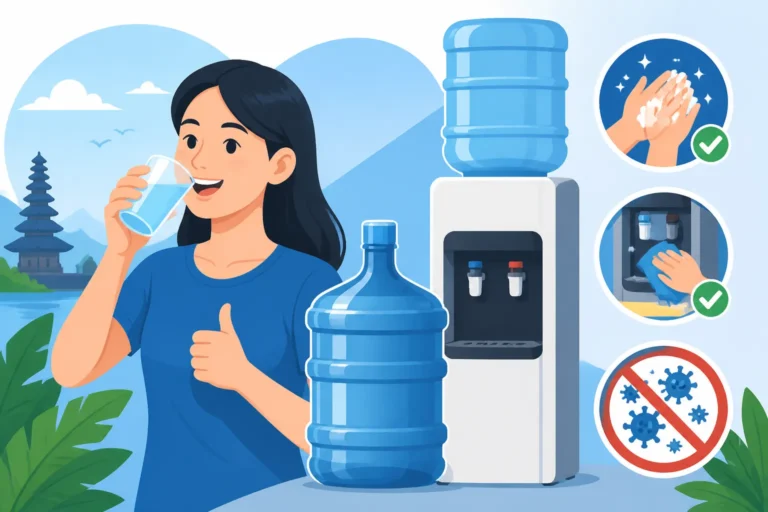
Water comes from either the city (PDAM) or a deep-well pump (Sumur Bor). If you have a pump, your electricity bill will be higher, and you need to be mindful of the "groundwater" levels during the dry season. Whatever you do, do not drink the tap water. Even for brushing your teeth, many expats prefer to use bottled or filtered water. We use the "Galon" system—19-liter jugs of Aqua that get delivered to your door. For a full setup guide, see Utilities and Setup: PLN Electricity, PDAM Water, and Home Internet in Indonesia.
Many eco-conscious expats are installing solar panels. While the initial investment is high, the "Net Metering" rules with PLN have improved, allowing you to offset your daytime AC usage. Just make sure you use a certified installer to avoid any issues with the grid.
Internet and Mobile Data
For your home, Biznet and GlobalXtreme are generally the most reliable providers for high-speed fiber, especially in Bali and Jakarta. IndiHome is the state-owned giant; it’s everywhere, but the service can be hit or miss. Starlink has also become a viable option for those living in more remote areas or struggling with local cable monopolies.
For your phone, Telkomsel has the best coverage across the archipelago, though XL Axiata is often cheaper in urban centers. When you first land, using an eSIM from a provider like Airalo is a great way to have data the second you touch down without hunting for a SIM card shop. However, for a long-term local number, you will need to register your SIM card using your KITAS and your phone's IMEI number.
Home internet installation can take anywhere from three days to three weeks. It often depends on whether there’s a "spare port" in the junction box on your street. If you’re moving into a new villa, check this before you sign the lease, or you might find yourself tethering off your phone for a month. More tips are available in Home Internet Providers: IndiHome, Biznet, and Starlink Options in 2027.
The IMEI Headache
This is the one that trips everyone up. Indonesia has a strict IMEI registration law. If you bring a phone from abroad and don’t register it, your local SIM card will stop working after 90 days. If the phone's value is over $500 USD, you have to pay import tax on the difference.
If you're staying for more than three months, I highly recommend registering your phone at the airport customs desk upon arrival. It’s much cheaper and easier there than trying to do it at a customs office later. If you miss that window, you'll be paying a higher tax rate. I've had friends end up paying $200 just to keep their iPhone 15 working locally. For the step-by-step process, read Mandatory IMEI Registration: The 90-Day Rule and Airport Customs Process.
Transportation and Navigating the Traffic
Traffic is the single biggest factor affecting your quality of life in Indonesia. Whether it’s the gridlock of Jakarta’s Sudirman or the "Canggu Shortcut" bottleneck, how you move determines how much you enjoy your day.
Ride-Hailing and Public Transport
The "Big Two"—Gojek and Grab—are non-negotiable apps for your phone. They are the lifeblood of Indonesian cities. Need a ride? Get a GoCar. Need to dodge traffic? Hop on a GoRide (motorbike taxi). Need your laundry picked up or a burger delivered at midnight? There’s an app for that. These services are incredibly efficient and relatively cheap.
In Jakarta, the MRT is a godsend. It’s clean, punctual, and air-conditioned. If you can live near an MRT station, your life will be 100% better. The TransJakarta busway system is also extensive, though it can get incredibly crowded during rush hour. For a complete look at your options, see our guide on Transportation in Indonesia: Gojek, Grab, Trains, and Domestic Flights.
In Bali, there is virtually no public transport. You are either driving yourself, using a ride-hailing app, or hiring a private driver. The Bluebird taxi app is also worth having as a backup, as they are generally the most professional and always use a meter.
Getting Your Local License
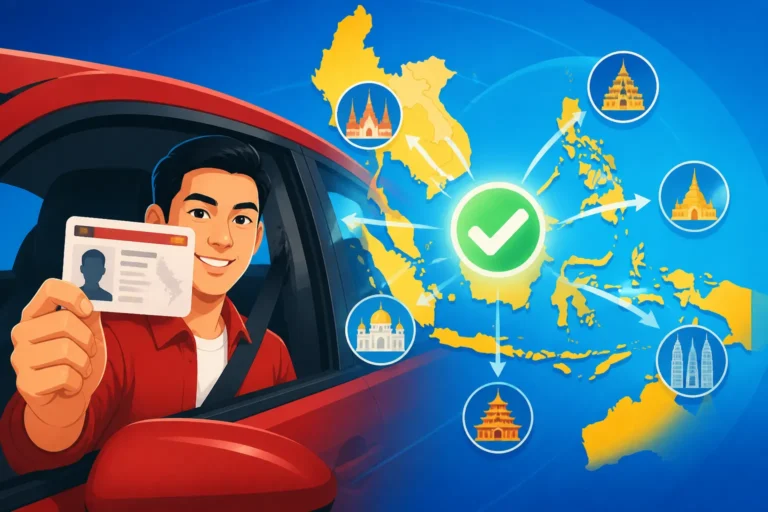
If you plan to drive a car or a scooter, you need an Indonesian driving license (SIM). While some people get by on an International Driving Permit (IDP), these are technically only valid for a short period and are often a magnet for "polisi" checks in Bali. Getting a SIM A (Car) or SIM C (Motorbike) is a relatively straightforward process at the local SATPAS (Police) office.
You’ll need your KITAS, a medical check (usually done at a booth next to the police station), and a psychological test (also a formal requirement). I always suggest going with an agent for your first time; they help navigate the queues and ensure you have the right documents. For a breakdown of the costs and steps, check out Driving in Indonesia: Getting a SIM A/C License and Traffic Realities.
Indonesian driving is… an art form. It’s less about "rules" and more about "flow." You need to be hyper-aware of scooters weaving in and out of your blind spots. In Jakarta, the "Odd-Even" (Ganjil-Genap) rule limits which cars can enter major roads on certain days based on their license plate number—make sure you understand this before you drive into the city center.
Buying vs Renting a Vehicle
If you're here for a year or two, renting a scooter or a car is usually the less stressful route. It includes insurance and maintenance. However, if you're staying longer, buying might make financial sense. You can buy a vehicle in your own name as a foreigner if you have a KITAS, but the paperwork (STNK and BPKB) can be slow.
The second-hand car market is booming, but be careful of flood-damaged cars in Jakarta. Always have a mechanic check the vehicle before you buy. For motorbikes, the Honda Vario or Yamaha NMAX are the expat favorites for their reliability and ease of repair. Read more in Buying and Registering a Car or Scooter in Indonesia on a KITAS.
Healthcare and Well-being in the Tropics
Healthcare in Indonesia has improved vastly in the last decade, but it still varies wildly depending on where you are. Major cities have world-class facilities, but in rural areas, options are limited.
Understanding the System
The public healthcare system (BPJS) is mandatory for all KITAS holders. While it’s great for basic care and subsidizing chronic medications, most expats still maintain private international health insurance for serious issues or elective surgeries. The BPJS system operates on a referral basis, meaning you can't just go to a specialist; you have to see a primary care doctor first.
For emergency care, you want to know the location of the nearest "Siloam" or "RS Pondok Indah" hospital. These are private, international-standard facilities where most of the staff speaks English. We’ve laid out the entire structure in our Healthcare in Indonesia for Foreign Residents: Complete System Overview (2027).
Don't forget about your "Apotek" (Pharmacy). For minor issues, the pharmacists at Kimia Farma or Guardian are very helpful and can often provide medications that would require a prescription back home. However, always be cautious with self-diagnosis.
Finding International-Standard Care
In Jakarta, clinics like SOS Medika or Global Assistance are the "go-to" for expats. They offer Western-style GP services and can coordinate medical evacuations if necessary. In Bali, BIMC and Siloam are the primary choices for residents. They are well-versed in dealing with international insurance companies and direct billing.
Finding a specialist you trust is often done through word-of-mouth in expat Facebook groups or WhatsApp communities. Whether it's a pediatrician or a dentist, personal recommendations are everything here. For a list of vetted facilities, see Finding Medical Care in Indonesia: Clinics, Hospitals, and International Facilities.
Dental care in Indonesia is surprisingly excellent and affordable. Many people from Australia and Singapore actually fly to Jakarta or Bali for dental implants and cosmetic work. Just ensure the clinic follows international sterilization protocols.
Dealing with Common Ailments (Bali Belly)
The "Bali Belly" (traveler's diarrhea) is almost inevitable for newcomers. It’s usually caused by bacteria in contaminated food or water. My advice? Keep a stash of Norit (activated charcoal) and oral rehydration salts in your medicine cabinet. If symptoms last more than 48 hours or you have a fever, go to a clinic—it might be a parasite that needs antibiotics.
Dengue fever is another reality of life in the tropics. It’s carried by the Aedes mosquito, which is active during the day. If you get a sudden, high fever and intense bone pain, get a blood test immediately. There is no "cure" for Dengue other than rest and hydration, but it needs to be monitored by a doctor.
For more on staying healthy, including how to handle the heat and humidity, check out our guide on Bali Belly and Food Safety: Avoiding and Treating Stomach Bugs.
Cultural Etiquette and Daily Life Integration
Indonesians are some of the most hospitable people on earth, but their culture is built on a complex web of "sopan santun" (etiquette and politeness) that foreigners often trip over.
Respect and Social Norms
The most important concept to grasp is "saving face." Public confrontations, shouting, or pointing fingers is considered extremely "tidak sopan" (impolite). If you have a problem with your landlord or a waiter, stay calm, smile, and explain the issue softly. You will get much further with "halus" (refined) behavior than with aggression.
Religion is a central pillar of life. Whether it’s the call to prayer (Adzan) five times a day in Muslim-majority areas or the daily "canang sari" offerings on the sidewalks of Bali, show respect. Dress modestly when visiting government offices or temples—this means covering your shoulders and knees. For more on these daily nuances, see Everyday Etiquette: Religion, Culture, Garbage, and Community Norms.
The concept of "Jam Karet" (Rubber Time) is also very real. If someone says they will arrive at 9:00, they might mean 9:30. Traffic is the universal excuse, and it’s usually true. Learning to be patient is the best gift you can give yourself in Indonesia.
Learning the Language
While you can get by with English in the expat bubbles of South Jakarta and South Bali, learning basic Bahasa Indonesia will transform your experience. It’s a relatively simple language with no tenses or genders. Being able to haggle at the "pasar" (market) or chat with your Gojek driver opens up a side of the country you’ll never see otherwise.
Even just knowing "Terima kasih" (Thank you), "Minta tolong" (Please/I need help), and "Berapa harganya?" (How much is it?) goes a long way. People genuinely appreciate the effort. There are many great schools like IALF or private tutors who can get you conversational in a few months.
Dealing with Neighborhood Dynamics
In Indonesia, you are never truly anonymous. Your neighbors will know who you are, what you do, and when you come and go. Embrace it. If you move into a new house, it’s a nice gesture to introduce yourself to the RT (village chief) and perhaps bring a small gift of food to your immediate neighbors.
This community connection is vital. If your water pump breaks or there’s a security concern, your neighbors are the ones who will help you first. The "Gotong Royong" (mutual cooperation) spirit is what keeps Indonesian society functioning. You can learn more about how to navigate these local structures in our post Rukun Tetangga (RT) / Rukun Warga (RW): Registering with the Local Village Chief.
Managing Household Help and Staff
For many expats, having a "Pembantu" (helper) or a driver is a new and sometimes uncomfortable experience. However, it is a significant part of the local economy and provides essential employment.
Hiring a Helper or Driver
Most people find their staff through "referrals"—the outgoing expat leaving their trusted helper, or a neighbor’s recommendation. There are also agencies that vet and train staff, which can be a safer route if you’re new. A "Pembantu" can be live-in or live-out, and their duties usually include cleaning, laundry, and sometimes cooking.
A driver is particularly useful in Jakarta, where navigating the "macet" (traffic) and finding parking is a full-time job. Having a driver allows you to work or relax in the back seat, turning a two-hour commute into productive time. For tips on the hiring process, see Household Staff: Hiring and Managing a Pembantu, Driver, and Nanny.
Salaries and Bonuses
Salaries vary by city and experience level. In Jakarta, the minimum wage (UMR) is the baseline, but most expats pay a "market rate" that is higher, often including health benefits and a transportation allowance. It’s essential to have a clear agreement on working hours and responsibilities from day one.
The most important financial obligation is the THR (Tunjangan Hari Raya)—a mandatory religious bonus equivalent to one month's salary, paid before Idul Fitri (for Muslims) or Christmas (for Christians). Failing to pay this is a major breach of local labor norms and ethics. We’ve broken down the math and the legalities in Hiring a Domestic Helper (Pembantu): Salaries, THR, and Live-In Arrangements.
Treating your staff with respect and dignity is paramount. They aren't just employees; they are often the gatekeepers of your home and your connection to the local culture. A happy, well-paid staff will make your life in Indonesia infinitely smoother.
Disclaimer
This guide is intended for informational purposes only and does not constitute legal, financial, or medical advice. Regulations in Indonesia, particularly regarding visas, taxes, and labor laws, are subject to frequent change. Always consult with official government sources or certified professionals before making significant decisions.