Postpartum Care: Hiring a Confinement Nanny (Suster Nifas) in Indonesia
The transition from hospital to home after giving birth is often the most vulnerable period for a new mother, especially when you are thousands of miles away from your primary support network. I clearly recall the blur of those first forty nights in Jakarta, trying to navigate newborn care while my body felt like it was recovering from a marathon in a climate that never cools down. This guide solves the confusion surrounding postpartum support by explaining how to find, vet, and manage a Suster Nifas to ensure your recovery is as smooth as possible.
Understanding the Role of a Suster Nifas in Indonesia
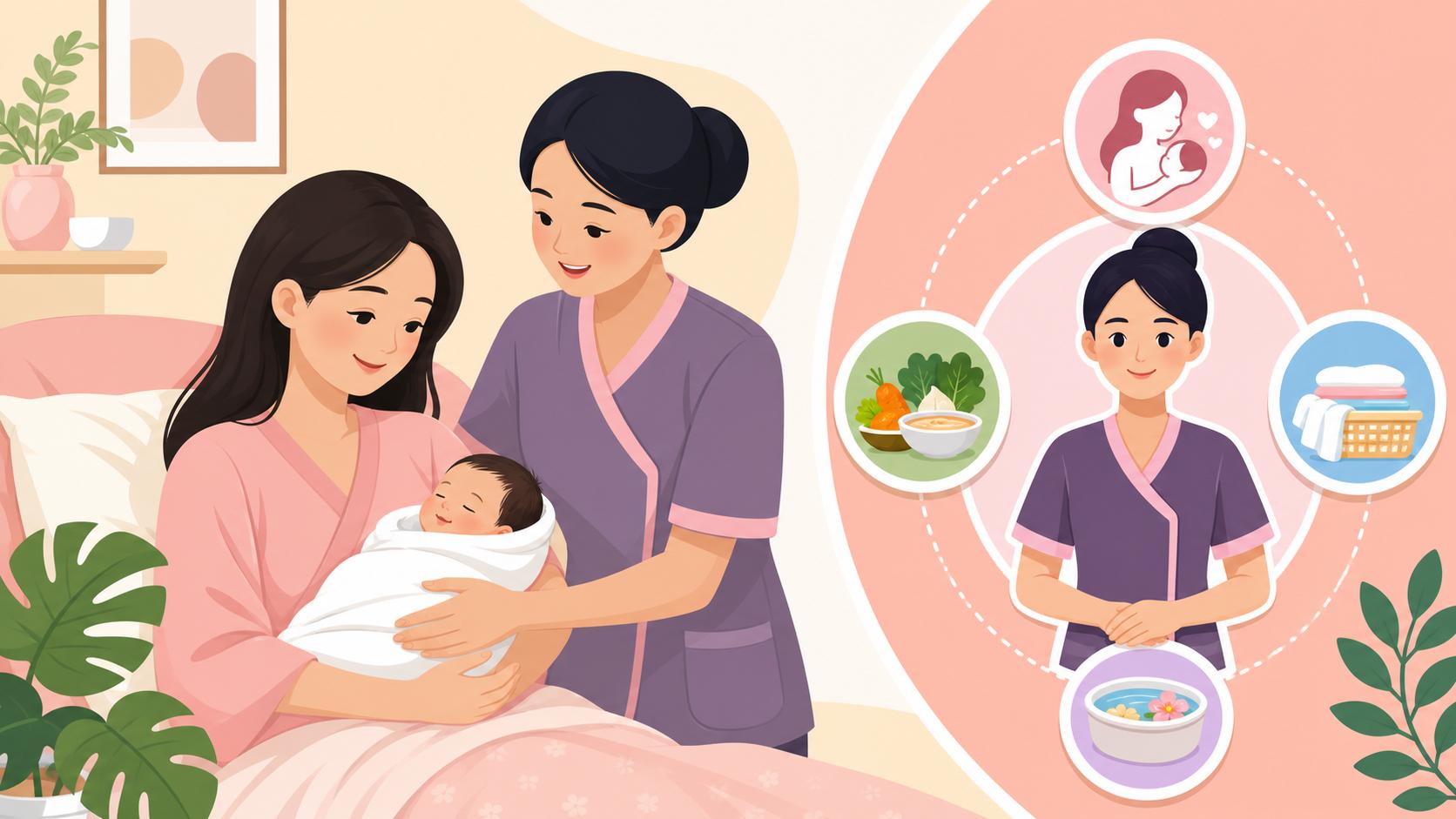
In Indonesia, the period immediately following childbirth is known as the "Nifas" period, traditionally lasting about 40 days. Unlike many Western cultures where the mother is often expected to "bounce back" and handle everything independently, Indonesian culture emphasizes a period of intense rest and recovery. A Suster Nifas is a specialized confinement nanny who focuses specifically on this 40-day window. Her role is distinct from a regular nanny because she is trained to care for both the newborn and the recovering mother.
The philosophy behind hiring a Suster Nifas is rooted in the belief that if a mother does not recover correctly during these first six weeks, she may face long-term health issues. When I first heard about this, I was skeptical, but after seeing the level of care provided, I realized it is a lifesaver for expats. She will typically handle the baby’s laundry, sterilization of bottles, and nighttime feedings if you are not exclusively breastfeeding. More importantly, she monitors the mother’s physical healing, ensuring you are eating the right foods and getting enough sleep to support lactation and emotional stability.
While you are preparing for this transition, it is also a good time to look into Family Health in Indonesia: Pregnancy, Childbirth, and Pediatric Care to understand how the broader medical system supports your new arrival. The Suster Nifas acts as the bridge between the clinical care you received in the hospital and the reality of daily life at home. She is often more experienced than a standard domestic helper and carries a higher level of professional authority in the household.
The Difference Between a Suster Nifas and a Suster Anak
It is vital to distinguish between a Suster Nifas (postpartum nurse) and a Suster Anak (nanny). A Suster Nifas is a short-term specialist. She usually stays for one to three months. Her training includes umbilical cord care, monitoring for infant jaundice, and specialized postpartum massage for the mother. In contrast, a Suster Anak is a long-term caregiver who focuses on the child's developmental milestones as they grow.
Many expats make the mistake of hiring a general domestic helper and expecting them to know the nuances of newborn safety. While local helpers are incredibly hardworking, a Suster Nifas has usually attended specific courses or worked in maternity wards. This expertise is why their salary is significantly higher than that of a standard "Mbak" or maid. If you are also looking for long-term help, you might want to read our guide on Hiring a Domestic Helper (Pembantu): Salaries, THR, and Live-In Arrangements to see how the roles and costs differ.
Cultural Traditions and the Confinement Period
When you hire a local Suster Nifas, you are also inviting Indonesian postpartum traditions into your home. This often includes "Bengkung" (belly wrapping) and the consumption of "Jamu" (traditional herbal tonics). Your nurse might insist on these practices to help your uterus shrink and to "warm" the body. As an expat, you have total control over which traditions you choose to follow, but it is helpful to understand that her advice comes from a place of deep-seated cultural care.
I found that having a Suster who understood these traditions was actually quite soothing. Even if I didn't want the full herbal regimen, her focus on keeping me hydrated and rested was invaluable. For those who prefer a mix of traditional and modern recovery aids, I often recommend checking out iHerb for high-quality postnatal vitamins and organic nursing teas that might be harder to find in local pharmacies.
How to Hire and Vet Your Postpartum Support
The search for a Suster Nifas should ideally begin during your second trimester. Because the best nurses are often booked months in advance through word-of-mouth recommendations, waiting until the last minute can leave you with fewer options or having to go through expensive agencies. There are two primary routes to hiring: using a professional "Yayasan" (agency) or hiring independently through personal referrals.
Agencies offer a layer of security that many expats find comforting. If the nurse you hire is not a good fit, the agency is contractually obligated to provide a replacement. They also handle the initial background checks and verify the nurse’s certifications. However, this comes with an agency fee, which is typically equivalent to one month of the nurse’s salary. If you are navigating this as part of a broader move, you should also be aware of Healthcare in Indonesia for Foreign Residents: Complete System Overview (2027) to ensure your overall health strategy is sound.
Interviewing Candidates for the Role
When interviewing a Suster Nifas, the technical skills are only half the battle; the "chemistry" is equally important because this person will be living in your home during an incredibly sensitive time. Ask specific questions about their experience with breastfeeding support. A good Suster Nifas should be an advocate for your feeding choices, not someone who pressures you.
I always suggest asking hypothetical questions: "What would you do if the baby has a fever at 2 AM?" or "How do you handle a baby who won't stop crying after being fed?" Their answers will reveal their temperament. If you are in a major city, you can also cross-reference their medical advice with professional clinics. For instance, knowing the locations of SOS Medika Clinics in Cipete and Kuningan: Services for Jakarta Expats can give you peace of mind if the nurse suggests the baby needs a professional check-up.
Understanding the Cost Structure in 2026
The cost of a Suster Nifas in Indonesia has risen steadily. You are not just paying for labor; you are paying for 24-hour availability. Most Suster Nifas are "live-in," meaning they sleep in the nursery or a designated room nearby to handle nighttime wakings. In 2026, a qualified Suster Nifas in Jakarta or Bali can expect to earn significantly more than a standard nanny.
| Service Component | Agency Hire (Monthly) | Independent Hire (Monthly) |
|---|---|---|
| Monthly Salary | IDR 7,000,000 – 10,000,000 | IDR 6,000,000 – 9,000,000 |
| Agency Fee | IDR 3,000,000 – 7,000,000 | N/A |
| Admin/Uniform Fee | IDR 500,000 | N/A |
| Daily "Uang Makan" | Usually included in salary | IDR 50,000 – 100,000 (if not providing food) |
| Replacement Guarantee | Yes (usually 3 months) | No |
Keep in mind that these rates are for experienced professionals. If a candidate asks for significantly less, they may lack the specific "Nifas" training. It is also standard practice to provide their meals, toiletries, and a small "bonus" at the end of their contract if they have performed well.
Logistics and Managing Life with a Live-in Nurse
Once the Suster Nifas arrives, your household dynamic will shift. For many expats, having a stranger live in their home is the biggest hurdle. However, in the context of Indonesian postpartum care, this proximity is what allows the mother to truly rest. You need to establish boundaries early. Decide which areas of the house are private and how you want the communication to flow.
Language can be a challenge. While some high-end agencies provide English-speaking nurses, many of the most experienced Susters speak primarily Bahasa Indonesia. I’ve seen many expat moms use translation apps effectively, but it pays to learn basic terms related to baby care. If you find yourself needing to buy specific supplies or medications the nurse recommends, refer to our Apotek Guide: Prescription Workflow, Refills, and Communicating with Pharmacists to ensure you are getting exactly what is needed.
Setting Up the Nursery for Two
Since the Suster Nifas will likely be sleeping in the nursery or an adjacent room, you need to ensure the space is functional for her as well. This includes a comfortable bed or mattress, adequate lighting for nighttime changes, and space for her personal belongings. Having her close to the baby means you can sleep through the night, only waking if you are breastfeeding. This "sleep hygiene" is a core benefit of the Suster Nifas system.
If the nurse identifies any health concerns with the baby, such as persistent diaper rash or colic, you might find yourself needing specialized products. I often stocked up on gentle, organic supplies from iHerb to give to the Suster, as she might be used to using stronger, scented local products that could irritate a newborn's sensitive skin. Clear communication about which products you prefer is essential to avoid misunderstandings.
Handling Medical Emergencies
Even with a professional Suster Nifas, you must be prepared for medical emergencies. The nurse is a caregiver, not a doctor. You should have a list of emergency numbers prominently displayed. Ensure both you and the nurse know the protocols for Emergency Medical Care in Indonesia: Ambulances, ERs, and Evacuation Protocols. In a crisis, every second counts, and you cannot rely on the nurse to know which international hospital your insurance prefers.
For those with comprehensive expat insurance like Cigna Global, make sure you know which hospitals in your city offer direct billing for pediatric emergencies. I always kept a "hospital bag" ready for the baby even after we were home, containing our insurance cards and copies of the baby’s birth records. You can find more specific advice on who to call in our guide on Emergency Numbers in Indonesia: 118/119 for Ambulance and What to Expect.
Navigating Cultural Nuances and Expectations
One of the most common points of friction between expat parents and a Suster Nifas is the "Old School vs. New School" approach to baby care. Local nurses may suggest things that contradict Western pediatric advice, such as giving a newborn water or using thick talcum powder. It is important to handle these moments with "Ibu" (motherly) authority but also with "Sopan" (politeness).
Indonesian culture is highly indirect. If you are unhappy with how something is being done, addressing it harshly will likely result in the nurse "resigning" suddenly (often citing a family emergency back home). Instead, use the "sandwich method" of feedback: praise something she is doing well, request the change, and end with another positive note. This keeps the relationship harmonious, which is vital for the energy of the home.
The 40-Day Milestone and Transitioning Out
As you approach the end of the 40-day Nifas period, you need to decide if you want to extend the nurse's contract or transition to a regular nanny. Most Suster Nifas prefer to move on to a new newborn, as that is their specialty and pays better. If you’ve built a great bond, you might be tempted to keep her, but be prepared for her to ask for a "Suster Nifas" rate even if she is now just doing basic nanny work.
During this transition, you will likely start taking the baby out for their first rounds of vaccinations. This is a good time to consult Pediatric Care in Indonesia: Mandatory Vaccines, Checkups, and Child-Friendly Clinics to find a doctor you trust for the long term. Your Suster Nifas can accompany you to these appointments, helping you manage the diaper bag and the baby while you talk to the pediatrician.
Insurance and Long-term Planning
While the Suster Nifas cares for your immediate needs, don't forget to maintain your own health coverage. Having a baby in Indonesia is a major life event that should be updated on your policy. Providers like Cigna Global are popular among the expat community for their flexibility in covering complications and follow-up care that might arise after the nurse has left.
If you are planning to stay in Indonesia long-term, the lessons you learn from your Suster Nifas about local customs and household management will serve you well. Many of the connections you make during this time—from the agency to the local pediatricians—will become the foundation of your expat life. If you are ever unsure about the legalities of your stay or your domestic staff’s status, you can always check Visas and Permits in Indonesia: The Complete Expat Guide (2027) for the latest regulatory updates.
Disclaimer
This guide is for informational purposes based on expat experiences and should not be taken as professional legal or medical advice. Always consult with a licensed healthcare provider regarding postpartum recovery and newborn care. Regulations regarding domestic employment and healthcare in Indonesia are subject to change; please verify current laws with official government sources.