Spa and Massage Hygiene: Health Considerations in Local Parlors
You walk into a dimly lit massage parlor in Seminyak or a busy reflexology center in Jakarta, lured by the incredibly low prices, only to realize the towels smell of damp humidity and the oils are in unlabeled, dusty bottles. I remember my first month in Bali when a "bargain" massage left me with a persistent fungal rash that took weeks of specialized creams to clear. This guide breaks down how to navigate the risks and hygiene standards of Indonesian spals so you can enjoy the relaxation without the medical aftermath.
The Cultural Landscape of Massage in Indonesia
In Indonesia, massage is not just a luxury; it is a fundamental part of the culture, often referred to as Pijat. For locals, a weekly Pijat session is as common as a Sunday brunch might be in the West. It is used to treat everything from common colds to muscle fatigue after a long day of navigating the chaotic traffic of the city. Because it is so ubiquitous, the range of quality is vast, spanning from high-end luxury retreats to the local "pijat tunanetra" (blind massage) centers and roadside parlors.
Understanding the difference between a traditional Pijat and a modern spa experience is crucial for your health. Traditional Indonesian massage often involves deep tissue work and can sometimes include "kerokan"—a practice where a coin is rubbed across the skin to "release wind." While culturally significant, these traditional methods often take place in environments that do not prioritize Western clinical hygiene. If you are looking for a more holistic approach to your stay, you might explore Health and Wellness in Bali: Yoga, Holistic Clinics, Diet, and Retreats, where hygiene standards are generally tailored to international expectations.
However, the reality of living here as an expat is that you will eventually find yourself in a local parlor. Whether it is a quick foot reflexology session while waiting for a friend or a full-body massage in a neighborhood shop, you need to develop an eye for detail. The accessibility of these services is one of the perks of life in the tropics, but it requires a level of discernment that many newcomers lack until they have their first negative experience with skin irritation or poor sanitation.
Hygiene Standards and What to Look For
When you enter a local parlor, your first point of inspection should be the linens. In the humid climate of Indonesia, towels and sheets that are not dried properly or changed between every client become breeding grounds for bacteria and fungi. If a towel feels slightly damp or has a musty "apek" smell, it is a sign that it hasn't been laundered at a high enough temperature or dried in the sun effectively. I always make it a point to ask for a fresh towel if I have even the slightest doubt; a reputable place will never take offense at this request.
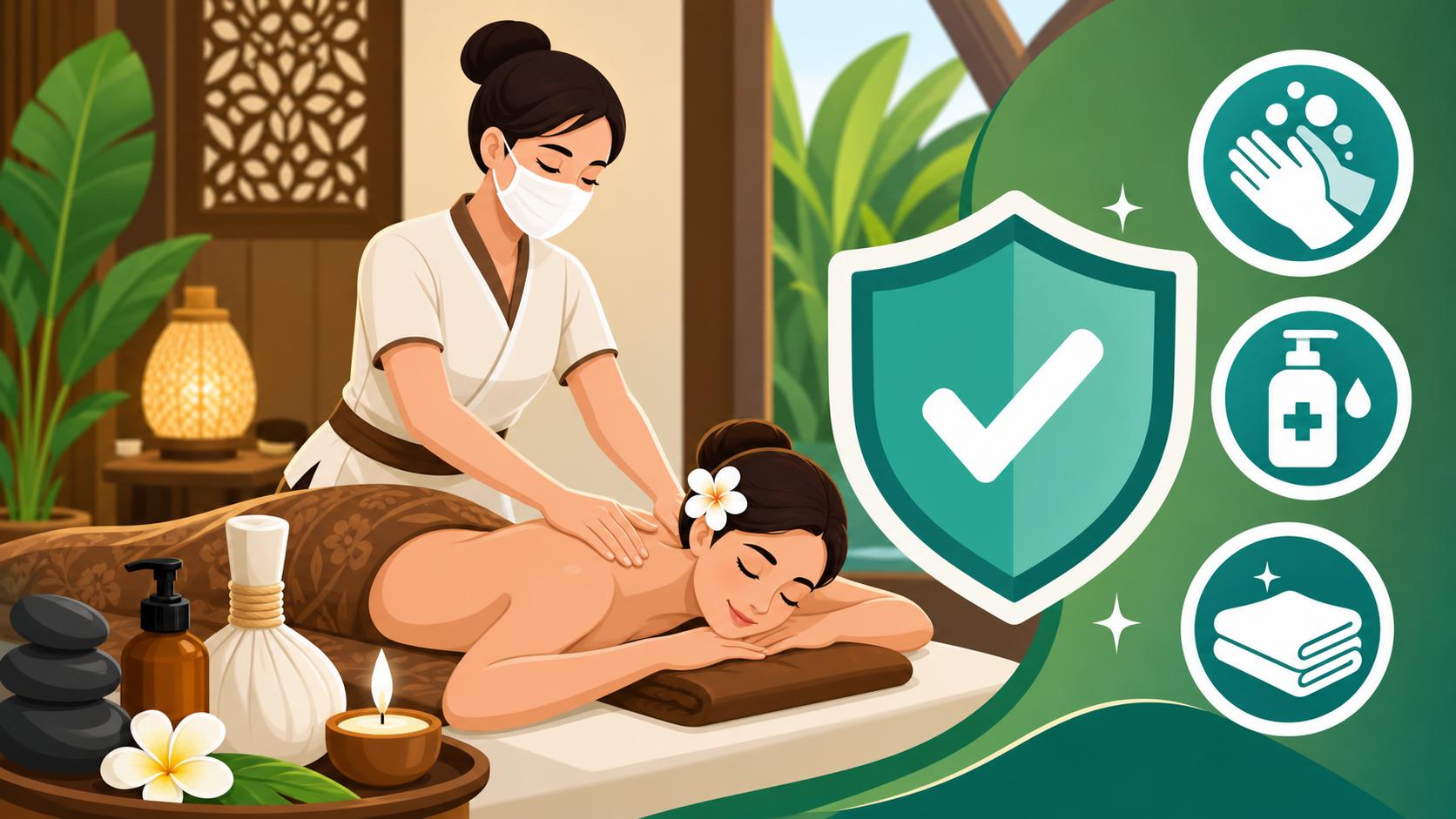
The hygiene of the therapist is equally important. In many budget parlors, therapists move from one client to another with very little transition time. Observe whether they wash their hands thoroughly before touching you. A professional therapist should use soap and water or at least a high-grade sanitizer. If they are also performing a manicure or pedicure, the tools must be sterilized in an autoclave or a chemical soak. This is a common area where many local shops fail, leading to infections that can quickly escalate if you don't have reliable coverage like Cigna Global to handle the specialist visits.
Facility cleanliness goes beyond the massage table. Take a quick peek at the shower areas and the floors. If the corners of the shower are dark with mold or the floor feels slimy, the general sanitation of the entire establishment is likely compromised. In a country where Dealing with Tropical Skin Conditions: Humidity, Rashes, and Fungal Infections is already a daily struggle for many foreigners, adding a dirty massage environment to the mix is a recipe for disaster. Always look for visible signs of cleaning schedules or at least a tidy workspace where oils and lotions are stored in closed, clean containers.
Health Considerations and Safety Protocols
One of the most frequent complaints from expats after a local massage is a breakout of folliculitis or a fungal rash. The "oil" used in many budget parlors is often a generic mineral oil or a cheap coconut oil that hasn't been refined for skin use. These heavy oils can clog your pores in the 90% humidity of a Jakarta afternoon, leading to painful red bumps. If you have sensitive skin, I highly recommend bringing your own supply. I often stock up on organic, cold-pressed oils from iHerb to take with me to local parlors. It sounds a bit "extra," but it is a small price to pay for avoiding a week of skin irritation.
Beyond skin issues, you must consider the physical intensity of the massage. Indonesian therapists can be surprisingly strong, and they may use techniques that involve standing on your back or deep pressure that can cause bruising or even nerve impingement if not done correctly. If you have any underlying health issues, such as a history of blood clots or spinal problems, you must communicate this clearly. If a session does go wrong and you find yourself in physical distress, knowing where to go for Finding Medical Care in Indonesia: Clinics, Hospitals, and International Facilities is vital for your peace of mind.
Allergic reactions are another hidden risk. Local oils are often infused with fragrances or herbs that might not be familiar to your body. Before a full-body application, ask the therapist to do a small patch test on your arm. If you start to feel an itch or see redness, stop the session immediately. For those who prefer to manage their minor health needs at home, keeping a stock of antihistamines and skin-soothing balms from iHerb can be a lifesaver. However, for serious reactions that require medical intervention, ensure your international insurance, such as Cigna Global, is active and that you know how to contact a provider quickly.
Comparison of Massage Facilities in Indonesia
| Feature | Local Budget Parlor | Mid-Range Boutique Spa | Luxury / International Spa |
|---|---|---|---|
| Linen Quality | Often recycled or air-dried | Changed daily, professional laundry | High-thread count, single-use |
| Oils Used | Generic mineral or bulk oil | Local essential oil blends | Premium, often organic/imported |
| Therapist Training | Often self-taught or informal | Certified by local schools | Internationally certified |
| Pricing (Approx.) | IDR 100k – 200k per hour | IDR 250k – 500k per hour | IDR 800k – 2 million+ |
| Hygiene Risk | High (if not vetted) | Moderate to Low | Very Low |
| Sanitization | Basic handwashing | Routine cleaning protocols | Medical-grade sterilization |
Essential Tips for a Safe Experience
Vetting a parlor before you commit to a full session is a skill you develop over time. I usually start with a 30-minute foot massage. This allows me to observe the environment, the staff's habits, and the cleanliness of the tools without the vulnerability of a full-body treatment. If the foot massage area is dusty or the therapist is distracted by their phone, I know not to book a more intensive treatment there. It is also worth checking online reviews on platforms like Google Maps, but be wary of "fake" reviews; look specifically for comments about cleanliness from other expats.
Communication is your best tool for staying safe. Many therapists in local parlors have limited English, so learning a few key Indonesian phrases is essential. Use "pelan-pelan" for "slowly/softly" and "sakit" for "pain." If you feel uncomfortable at any point, do not feel pressured to continue just to be polite. Your health is the priority. If a massage leaves you feeling unwell, you might find relief in Typical OTC Cold Medicines in Indonesia: Tolak Angin and Western Equivalents, but always monitor your symptoms closely. If the pain persists, it is better to consult a professional rather than hoping it goes away.
Post-massage aftercare is something many people forget. Always shower as soon as possible after a massage in a local parlor to wash off the cheap oils and any potential contaminants. Drinking plenty of water is also crucial, as massages can release toxins and leave you dehydrated in the Indonesian heat. If you happen to pick up a minor skin irritation despite your best efforts, your first stop should be a local pharmacy; check our Apotek Guide: Prescription Workflow, Refills, and Communicating with Pharmacists for tips on how to describe your symptoms to a local pharmacist.
The Role of Professional Support and Insurance
While most massage experiences in Indonesia are relaxing and beneficial, the reality of living in a developing country is that medical systems and hygiene standards can be inconsistent. When things go wrong—whether it is a severe skin infection, an allergic reaction to a local oil, or a physical injury from a poorly executed technique—the costs and complications can mount quickly. This is where having a robust health plan like Cigna Global becomes indispensable. It ensures that you aren't stuck in a public ward if you need urgent care, but instead have access to the best private facilities in the country.
For expats, the goal is always to find a balance between enjoying the local lifestyle and maintaining a safety net. You might choose to treat a simple case of Bali Belly and Food Safety: Avoiding and Treating Stomach Bugs with over-the-counter remedies from iHerb, but for anything that involves your skin's integrity or internal physical health, professional vetting is required. Knowing that you have access to Emergency Medical Care in Indonesia: Ambulances, ERs, and Evacuation Protocols gives you the confidence to explore the culture, including its wonderful spa traditions, without living in a state of constant anxiety.
If you are staying in a high-density expat area, you should also have a list of vetted clinics nearby. For those in the south of the island, Finding an English-Speaking Clinic in Canggu or Seminyak (Bali Options) is a great resource to keep bookmarked. Ultimately, the "pijat" culture of Indonesia is one of the most rewarding aspects of living here. By being proactive about hygiene, bringing your own high-quality products from iHerb when needed, and maintaining a solid insurance policy like Cigna Global, you can enjoy these services safely and frequently.
Living abroad often means navigating a different set of risks than we are used to back home. Whether it's managing Mental Health in Indonesia: Counseling, Psychiatry, and Support for Expats or simply finding a clean place for a foot rub, the key is always information and preparation. Don't let the fear of a little dirt stop you from experiencing the incredible hospitality of Indonesia, but don't let a low price tag blind you to the potential health costs either. Keep some Over-the-Counter (OTC) Medicine in Indonesia: Local Brands and Safe Alternatives in your medicine cabinet, stay observant, and enjoy your time in this beautiful archipelago.
Disclaimer
The information provided in this article is for informational purposes only and does not constitute medical, legal, or professional advice. While every effort is made to ensure accuracy as of 2026, health standards and local regulations in Indonesia can change rapidly. Always consult with a qualified medical professional or insurance provider regarding your specific health needs and coverage. The author and publisher are not responsible for any adverse effects or consequences resulting from the use of the information or products mentioned in this guide.